Are you tired of restrictive diets that leave you feeling deprived and unsatisfied? Well, I have good news for you – the Mediterranean Rainbow Diet is here to revolutionize your approach to healthy eating! – Eat the Rainbow for Healthy Aging- With its emphasis on colorful, nutrient-rich foods, this meal plan is delicious and incredibly beneficial for your overall well-being.
The Mediterranean diet has been hailed as one of the healthiest diets in the world, with numerous studies linking it to a reduced risk of chronic diseases such as heart disease, diabetes, and certain types of cancer. But what sets the Mediterranean Rainbow Diet apart is its focus on incorporating various vibrant fruits, vegetables, whole grains, and lean proteins into your meals. By following this meal plan, you’ll nourish your body and delight your taste buds with a rainbow of flavors and textures.
In this article, I’ll provide you with a comprehensive Mediterranean Rainbow Diet meal plan to guide you through a week of delicious and nutritious meals. Get ready to embark on a culinary journey that will not only nourish your body but also bring joy and pleasure to your dining table.
🌈 What Is the Mediterranean Rainbow Diet? A Colorful Approach to Health
The Mediterranean rainbow diet is a dietary pattern inspired by the traditional eating habits of countries bordering the Mediterranean Sea, including Greece, Italy, Spain, and southern France. It is renowned for its potential health benefits and emphasis on whole, nutrient-dense foods.
What Are The Key Components Of This Diet? Eeat the rainbow for Healthy Aging
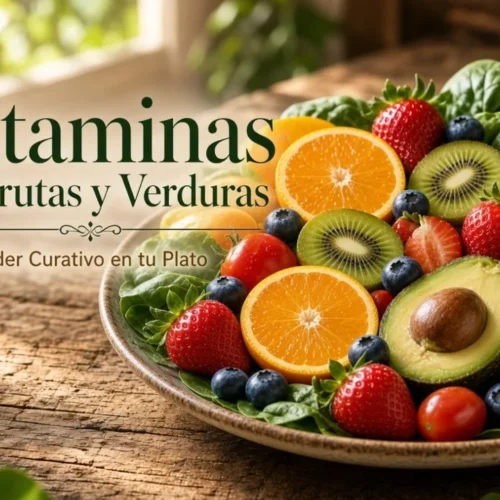
- Fruits and Vegetables: The foundation of the Mediterranean rainbow diet is a rich assortment of colorful fruits and vegetables. These provide essential vitamins, minerals, antioxidants, and fiber. Aim to fill half your plate with these foods.
- Whole Grains: Whole grains, such as whole wheat, barley, quinoa, and brown rice, are preferred over refined grains. They offer sustained energy and fiber.
- Legumes: including beans, lentils, and chickpeas, are excellent sources of plant-based protein, fiber, and various micronutrients.
- Nuts and Seeds: Healthy fats, including monounsaturated fats and omega-3 fatty acids, are abundant in nuts (e.g., almonds, walnuts) and seeds (e.g., flaxseeds, chia seeds).
- Olive Oil: Extra virgin olive oil is the primary source of dietary fat and is rich in monounsaturated fats and antioxidants.
- Herbs and Spices: Flavoring dishes with herbs like basil, oregano, and thyme adds taste without excessive salt.
What Health Benefits Does It Offer?
- Reduced Risk of Heart Disease: The Mediterranean diet is associated with a lower risk of heart disease due to its emphasis on healthy fats, fiber, and antioxidants. Olive oil, for instance, has been linked to improved heart health.
- Improved Cognitive Function: Some studies suggest that the Mediterranean diet, which emphasizes omega-3 fatty acids and antioxidants, may support brain health and reduce the risk of cognitive decline.
- Weight Management: The diet encourages nutrient-dense foods that support weight management. High fiber content promotes satiety, reducing overeating.
- Antioxidants: A vital component of the Mediterranean diet is a wide range of antioxidants from colorful fruits and vegetables. These compounds combat oxidative stress and inflammation.
- Fiber: High fiber intake improves digestive health, improves blood sugar control, and reduces cholesterol levels.
The Rainbow Concept
The "rainbow" in the Mediterranean diet refers to the various colors of fruits and vegetables. Different colors indicate the presence of multiple phytonutrients, vitamins, and minerals. Consuming a variety of colors ensures a broad spectrum of health benefits.
Can The Mediterranean Rainbow Diet Help With Weight Management?
- Portion Sizes: Pay attention to portion sizes and avoid overeating. The Mediterranean diet is about balance, so moderation is key.
- Food Groups: Daily intake should include plenty of fruits, vegetables, whole grains, and legumes. Fish and poultry can be included several times a week, while red meat and sweets are limited.
- Healthy Fats: Prioritize sources such as olive oil, avocados, and nuts. Limit saturated and trans fats.
Why Color Variety Matters for Longevity - eat the rainbow for healthy aging
Understanding what do the colors of fruits and vegetables mean is the secret to getting the most out of your plate. Each shade represents distinct phytochemicals—such as lycopene in red produce, beta-carotene in orange foods, and anthocyanins in purple varieties—that deliver specialized protective benefits to your body.
Choosing to eat the rainbow for healthy aging provides targeted support for cellular repair, joint health, and overall vitality. Incorporating a vibrant spectrum of rainbow foods for seniors can significantly boost immune resilience, protect vision, and safeguard cognitive function over time.
- Red & Pink: Rich in lycopene to support heart health and prostate wellness.
- Orange & Yellow: Packed with beta-carotene for skin integrity and eye protection.
- Green: High in lutein, folate, and vitamin K to promote strong bones and cardiovascular resilience.
- Blue & Purple: Loaded with powerful anthocyanins that protect brain function and fight oxidative stress.
🌈 Pros & Cons Comparison – Mediterranean Rainbow Diet vs. Other Diets
| Diet | Pros | Cons |
|---|---|---|
| Mediterranean Rainbow |
🌈 Diverse Nutrient Intake: Wide variety of colorful fruits, vegetables, whole grains, nuts, seeds, and lean proteins. ❤️ Heart Health: Rich in olive oil, nuts, and fish—linked to reduced heart disease risk. ⚖️ Weight Management: High fiber content promotes satiety and healthy weight. 🛡️ Chronic Disease Prevention: Linked to lower risk of diabetes, hypertension, and certain cancers. 🌍 Sustainable: Focuses on whole, minimally processed foods. |
💰 Moderate Cost: Fresh produce, fish, and olive oil can be more expensive. 👩🍳 Requires Cooking: Emphasizes home-prepared meals; less convenient for busy lifestyles. 📋 Less Structured: Some may find the flexibility challenging for meal planning. |
| Keto |
⚡ Rapid Weight Loss: High-fat, low-carb approach can yield quick results. 🩸 Blood Sugar Control: Beneficial for type 2 diabetes management. 🍽️ Appetite Control: High fat content increases satiety. |
🥗 Nutritional Deficiencies: Restricts fruits, grains, and many vegetables—risk of missing essential nutrients. ⛔ Difficult to Sustain: Highly restrictive nature makes long-term adherence challenging. ❤️ Heart Disease Risk: High saturated fat intake may increase LDL cholesterol. |
| Paleo |
🚫 Eliminates Processed Foods: Focuses on whole foods, no added sugars. 💪 Rich in Protein & Healthy Fats: Supports satiety and muscle maintenance. 📉 May Improve Health Markers: Some report better blood pressure, glucose tolerance, and lipid profiles. |
🌾 Excludes Whole Grains & Legumes: Risk of fiber and nutrient deficiencies. 🥩 Potentially High in Saturated Fats: Depends on meat choices. 📚 Not Based on Scientific Consensus: Restrictions are more philosophical than evidence-based. |
| Vegan |
🐄 Animal Welfare & Environmental Benefits: Avoids animal products. ❤️ Heart Health: Naturally low in saturated fat and cholesterol. ⚖️ Weight Management: Often lower in calories; can be effective for weight loss. |
💊 Nutritional Deficiencies: Risk of vitamin B12, iron, calcium, omega-3, and protein deficiencies if not carefully planned. 🍔 May Rely on Processed Alternatives: Some vegan diets lean on processed meat substitutes. 🍽️ Challenging Food Choices: Dining out and variety can be difficult in some areas. |
| Low-Carb |
⚡ Short-Term Weight Loss: Effective for rapid initial weight loss. 🩸 Blood Sugar Control: Beneficial for type 2 diabetes and metabolic syndrome. 🍽️ Appetite Control: Reduced carb intake can decrease hunger. |
🥗 Nutrient Deficiencies: Limiting carbs can reduce intake of fruits, vegetables, and whole grains. ❤️ Cardiovascular Risk: Long-term adherence may increase LDL cholesterol. ⛔ Difficult to Maintain: Restrictive food choices make long-term sustainability challenging. |
🌈 Key Nutrients by Color – Eat the Rainbow
| Color | Phytonutrients | Key Nutrients | Foods |
|---|---|---|---|
| 🔴 Red | Lycopene, Anthocyanins, Ellagic Acid | Vitamin C, Folate, Manganese | 🍅 Tomatoes, watermelon, red bell peppers, strawberries, raspberries, red apples |
| 🟠 Orange / Yellow | Beta-carotene, Flavonoids, Lutein, Zeaxanthin | Vitamin A, Vitamin C, Potassium | 🥕 Carrots, sweet potatoes, pumpkins, oranges, lemons, corn, mangoes |
| 🟢 Green | Chlorophyll, Lutein, Sulforaphane, Isothiocyanates | Vitamin K, Folate, Magnesium, Fiber | 🥬 Spinach, kale, broccoli, asparagus, avocados, green grapes, peas |
| 🟣 Purple / Blue | Anthocyanins, Resveratrol, Ellagic Acid | Vitamin C, Manganese, Fiber | 🍆 Eggplant, purple cabbage, blueberries, blackberries, grapes, plums |
| ⚪ White / Brown | Allicin, Quercetin, Anthoxanthins, Selenium | Vitamin C, Potassium, Manganese | 🧄 Garlic, onions, cauliflower, mushrooms, potatoes, bananas, dates |
❓ Frequently Asked Questions About the Rainbow Diet
Why is it important to eat different colored fruits and vegetables?
Eating a variety of colored fruits and vegetables ensures you get a broad spectrum of essential vitamins, minerals, and plant-based antioxidants (phytonutrients). Each unique color family—red, orange/yellow, green, purple/blue, and white/brown—corresponds to specific protective chemical compounds that support overall immune function, lower inflammation, and reduce chronic disease risk.
What are the benefits of red, orange, and green foods?
Red foods (like Italian tomatoes and strawberries) contain lycopene to protect heart health and fight cell damage. Orange and yellow foods (like carrots and sweet potatoes) provide beta-carotene, which converts to vitamin A to support healthy vision and immune strength. Green foods (like spinach and broccoli) are packed with sulforaphane, lutein, and vitamin K, promoting bone health, blood vessel integrity, and cellular defense.
How many colors of fruits and vegetables should you eat per day?
You should aim to eat at least 3 to 5 different colors of fruits and vegetables each day. Aiming for a diverse color profile across your daily meals guarantees a well-rounded intake of diverse phytonutrients without needing to track individual vitamins.
What foods are high in antioxidants?
Foods highest in antioxidants include dark berries (blueberries, blackberries, raspberries), dark leafy greens, red cabbage, eggplants, yellow tomatoes, pecans, dark chocolate, extra virgin olive oil, green tea, and aromatic herbs like oregano and basil.
Does eating the rainbow help you live longer?
Yes, consuming a colorful plant-rich diet is strongly associated with healthy aging and longevity. Studies on traditional Mediterranean diets consistently show that high phytonutrient diversity reduces oxidative stress, lowers systemic inflammation, and decreases the long-term risk of cardiovascular disease, cognitive decline, and metabolic disorders.
- Filipino Food: History, Dishes & Cultural Significance
- Japanese Cuisine: A Complete Guide to Washoku, Regional Specialties, and Must-Try Dishes
- The Ethiopian Coffee Ceremony: How Community Brews for Hours
- Modern Vietnamese Cuisine: 5 Trends Shaping the Future of Food