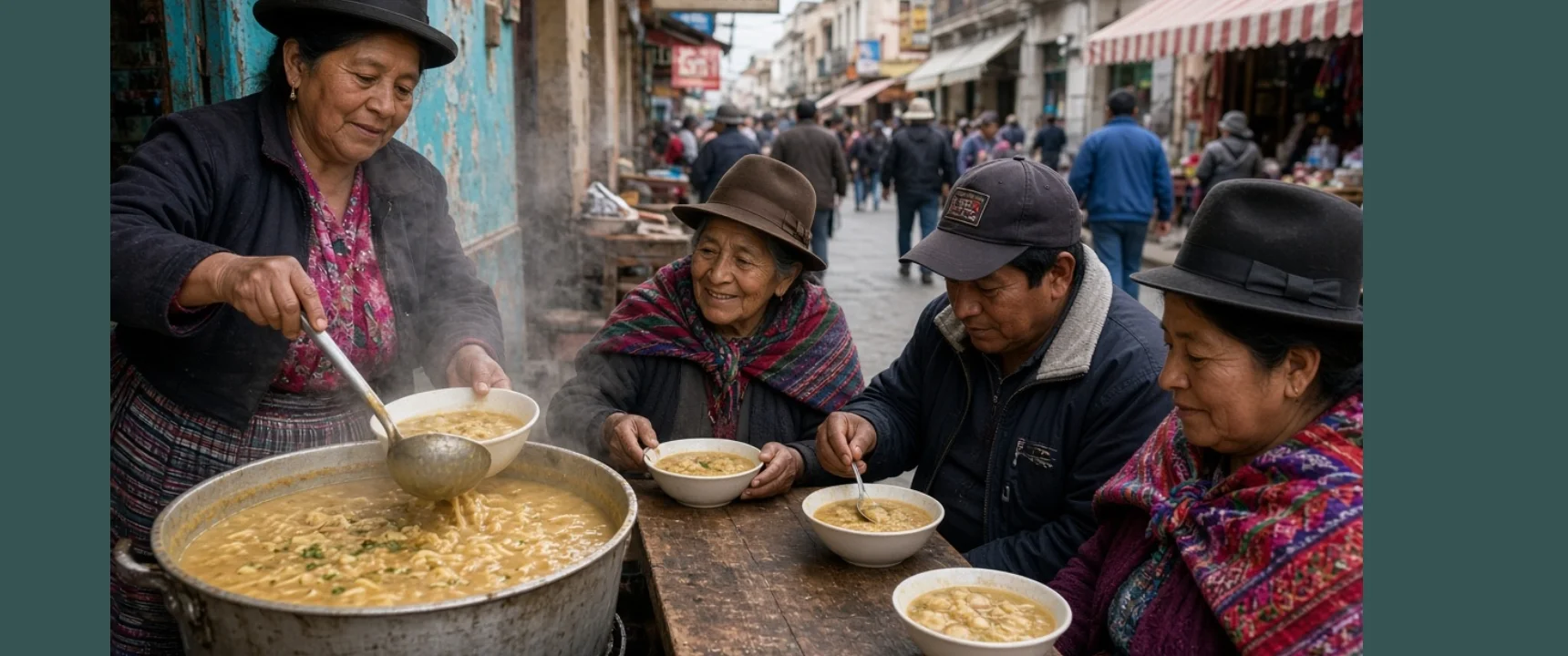
Across the Spanish-speaking world, a meal is rarely just about sustenance—it is a living celebration of history, community, and family. Cultural food traditions are passed down through generations, transforming simple domestic kitchens into vibrant spaces of storytelling, preserved techniques, and shared identity. Whether it is the rhythmic mashing of green plantains in a Dominican kitchen or the slow, patient simmering of a Mexican mole, the Hispanic table serves as the ultimate bridge between past and present.
- What Makes Hispanic Cultural Food Traditions Unique?
-
Preguntas Frecuentes
sobre Cultura, Identidad y Tradición Culinaria
FAQ
- ¿Cuál es la importancia de las tradiciones alimentarias en la cultura?
- ¿De qué manera la comida refleja la identidad cultural de un pueblo?
- ¿Qué ejemplos existen de costumbres alimentarias tradicionales alrededor del mundo?
- ¿Cómo se transmiten las tradiciones familiares a través de las generaciones?
- ¿Qué función cumplen los rituales alimentarios en las distintas culturas?
- ¿Cuál es la diferencia entre la cocina de fusión y la cocina auténtica?
- ¿Por qué es importante preservar la autenticidad de la comida cultural?
- ¿De qué manera la comida funciona como expresión de herencia y arraigo?
- ¿Cómo moldea la inmigración las tradiciones y costumbres alimentarias?
-
Frequently Asked Questions
on Food, Culture & Identity
FAQCultural Food Traditions
- Why are food traditions so important in defining a culture?
- How does what we eat reflect our cultural identity?
- What are some famous traditional food customs from around the world?
- How do family food traditions pass down across generations?
- What role do food rituals play in celebrations and spiritual life?
- What is the difference between authentic cuisine and fusion food?
- Why does cultural food authenticity matter to culinary heritage?
- How does food function as a expression of heritage?
- How has immigration shaped and transformed global food traditions over time?
- Summary: The Cultural Significance of Food Around the World (Cultural Food Traditions)
- Join Our Foodie Community
What makes this culinary landscape so fascinating is its breathtaking regional diversity. Geography and history have sculpted drastically different flavor profiles across continents:
-
The Caribbean: Defined by tropical root vegetables, sweet plantains, and aromatic sofrito bases.
-
The Andes & South America: Shaped by ancient tubers, native corn, nutrient-dense nuts, and fiery native peppers like ají amarillo.
-
Mesoamerica: Grounded in the complex arts of dried chiles, heirloom corn, and rich, spice-laden sauces.
-
Spain: The historical anchor emphasizing extra virgin olive oil, garlic, saffron, and slow-cooked rice.
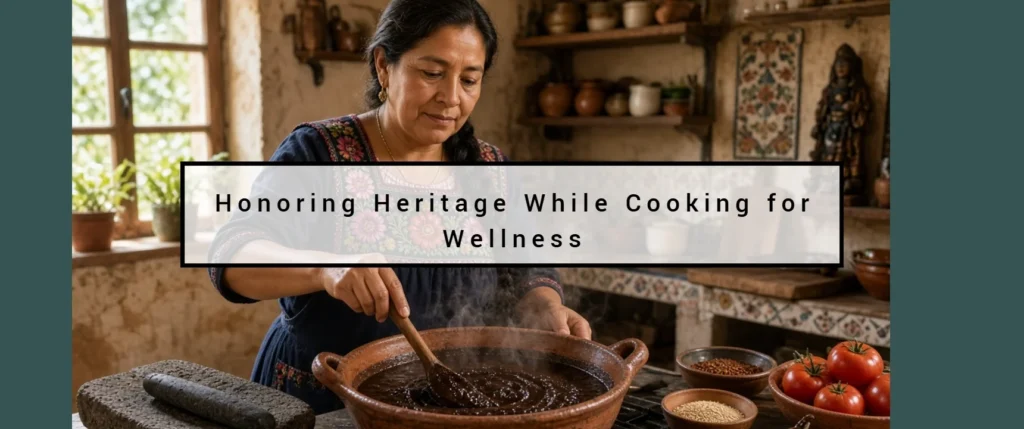
Today, home cooks face a rewarding challenge: honoring these time-honored preparation methods while adapting to modern, health-conscious lifestyles. Fortunately, traditional Hispanic cooking is naturally rich in wholesome legumes, seeds, and fresh produce. By making thoughtful tweaks—such as baking instead of frying, selecting leaner protein sources, or crafting plant-based versions of classic recipes—you can celebrate these rich cultural food traditions in a way that nourishes both body and soul.
What Makes Hispanic Cultural Food Traditions Unique?
Before the stew, before the rice, there is the sofrito. This isn't just a recipe; it is a ritual. A blend of onions, peppers, garlic, cilantro, and culantro softened slowly in oil, it is the non-negotiable starting point for countless Latin kitchens.
🧑🍳 the cultural link
It represents the "grandma's secret" passed down through generations. To watch an abuela make sofrito is to witness a culinary baptism, turning raw ingredients into the very essence of home.
The Concept — In Colombia, the Arepa is democracy on a plate. Made from ground maize, it transcends social classes—eaten by laborers and executives alike. It is the blank canvas of the Colombian diet.
🎬 Encanto link
In Disney’s Encanto, Julieta heals her family with arepas con queso. This captures a profound truth: in Colombia, food is emotional nourishment, a mother's love made edible.
- 🌊 Ceviche (the coast)Raw fish "cooked" in citrus, tossed with ají limo. Leche de tigre is said to cure hangovers and heartache.
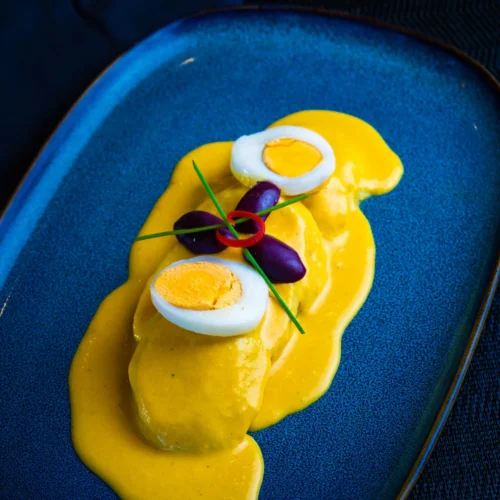
- ⛰️ Ají de Gallina (mountains)Shredded chicken in a creamy, nutty, spicy sauce. The culinary equivalent of a warm blanket.
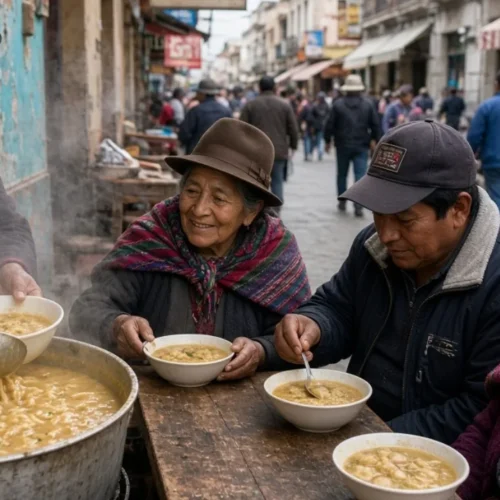
- 🥣 Caldo de Gallina (streets)Hearty hen soup served in markets like San Pedro in Cusco — fuel for high‑altitude days.
- 🥢 Lomo Saltado (chifa fusion)Wok‑tossed beef with soy, tomatoes, fries & rice. Chinese‑Peruvian harmony.
🇵🇪 three worlds, one bite
Peruvian food tells the story of its landscape: the Pacific, the Andes, and the migrants who made it a fusion capital.
“Against the imagined chill of the highlands” — Ají de Gallina warms you twice.
Argentina & Uruguay – The Asado The Parrilla is a social contract. Hours around the fire, wine, and cuts like matambre (literally “hunger killer”).
Chile – Simple pleasures
🐂 gaucho soul
The asado is not a quick meal — it’s slow living at its finest. Matambre kills hunger indeed.
The Dish — A rich, slow‑cooked melange of black beans and pork (from tenderloin to ears and tails), born from Portuguese colonial and African traditions. Served with rice, collard greens, farofa, and orange slices.
🎶 the ritual
Eaten on Saturdays, slowly, with friends, family, samba, and a cold beer. It’s a pause button on the week — a weekly celebration of community.
🥟 The Empanada — The ultimate hand‑held comfort.
🇦🇷 Argentina: baked, beef+egg+olives · 🇨🇴 Colombia: fried, meat & potato · 🇻🇪 Venezuela: fried, shredded beef or black beans+cheese.
🍚 Rice and Beans — ubiquitous, often main event. In Puerto Rico & DR, a splash of coffee in the beans for depth.
🌽 Holy Trinity: Maize (arepas, hallacas), potatoes (thousands of varieties in Peru), Ají (chili that wakes the soul).
✨ secret touch
“Coffee in beans” — the everyday turned extraordinary.
Gen Z seeks authenticity. Latin comfort offers bold, unapologetic taste and a direct line to heritage.
- Pupusas (El Salvador) – thick corn tortillas stuffed with cheese, beans, chicharrón.
- Bandeja Paisa (Colombia) – hearty platter of rice, beans, meat, arepa, chicharrón, avocado.
- Quesadillas (Mexico) – not just a snack, a canvas.
🔥 sensory experience
These dishes connect the eater to a story — that’s the real flavour.
Latin American food is never just about filling a stomach. It is storytelling, resistance, and the enduring power of love.
– Austin Statesman
Arepas de queso
A quick taste of Colombian comfort.
- Mix: 2 cups masarepa + 2½ cups warm water + 1 tsp salt. Knead.
- Fill: flatten, put fresh cheese inside, seal.
- Cook: griddle 5‑7 min per side until golden.
- Serve: slather with butter and enjoy.
🧀 warmth in every bite
Preguntas Frecuentes sobre Cultura, Identidad y Tradición Culinaria FAQ
¿Cuál es la importancia de las tradiciones alimentarias en la cultura?
▼Las tradiciones alimentarias son un pilar fundamental del patrimonio cultural intangible. No solo satisfacen una necesidad biológica, sino que actúan como un vehículo de transmisión de historia, valores y sentido de comunidad.
- Preservación de la Historia: Cada receta tradicional preserva técnicas agrícolas, métodos de conservación y saberes ancestrales de un pueblo.
- Cohesión Social: Compartir alimentos fortalece los lazos comunitarios y reafirma la pertenencia a un grupo cultural específico.
¿De qué manera la comida refleja la identidad cultural de un pueblo?
▼La comida es un reflejo directo de la geografía, el clima y las vicisitudes históricas de una comunidad. Las especias utilizadas, la preferencia por ciertos granos o vegetales y la forma de servir los platos revelan la cosmovisión y el entorno natural de una sociedad.
A través de la cocina, las personas expresan su origen y estatus social, manteniendo vivas sus raíces incluso cuando se encuentran lejos de su tierra natal.
¿Qué ejemplos existen de costumbres alimentarias tradicionales alrededor del mundo?
▼Alrededor del mundo, las costumbres al comer varían según las normas de etiqueta, la hospitalidad y la religión de cada región:
- El Arte del Tapeo en España: Promueve la socialización informal compartiendo pequeñas porciones de comida entre amigos.
- La Ceremonia del Té en Japón (Chanoyu): Un ritual fundamentado en la armonía, el respeto y la tranquilidad espiritual.
- Comer con las Manos en el Sur de Asia y Medio Oriente: Una práctica conectada con la higiene ritual y una experiencia sensorial más íntima con los alimentos.
¿Cómo se transmiten las tradiciones familiares a través de las generaciones?
▼La transmisión de recetas y costumbres culinarias suele ser un proceso oral y práctico que ocurre dentro del hogar.
Preparar platos festivos o dominicales junto a abuelos y padres no solo enseña técnicas de cocina, sino que transmite memoria afectiva, historias familiares y el valor del trabajo en equipo dentro del núcleo familiar.
¿Qué función cumplen los rituales alimentarios en las distintas culturas?
▼Los rituales asociados a la comida marcan transiciones de la vida, celebraciones religiosas y ciclos agrícolas:
- El Seder de Pésaj o el Iftar de Ramadán: Cenas sagradas que combinan alimentos simbólicos con oraciones y reflexión espiritual.
- Altares del Día de Muertos en México: La ofrenda de platos favoritos para honrar la memoria de los seres queridos que han partido.
¿Cuál es la diferencia entre la cocina de fusión y la cocina auténtica?
▼La cocina auténtica respeta las recetas tradicionales, los ingredientes autóctonos y las técnicas ancestrales de una región específica.
Por su parte, la cocina de fusión combina deliberadamente elementos, técnicas e ingredientes de dos o más culturas culinarias distintas para crear propuestas gastronómicas innovadoras y contemporáneas.
¿Por qué es importante preservar la autenticidad de la comida cultural?
▼Preservar la autenticidad culinaria ayuda a evitar la apropiación o dilución de las identidades culturales frente a la globalización. Permite salvaguardar variedades agrícolas nativas, técnicas artesanales de preparación y el respeto hacia la historia de comunidades históricamente marginadas o migrantes.
¿De qué manera la comida funciona como expresión de herencia y arraigo?
▼La comida es uno de los lazos más perdurables con nuestras raíces. Cuando las lenguas o vestimentas tradicionales se van perdiendo con el tiempo, las recetas familiares a menudo permanecen intactas, sirviendo como un ancla emocional y cultural con los antepasados.
¿Cómo moldea la inmigración las tradiciones y costumbres alimentarias?
▼La inmigración impulsa la evolución culinaria de dos formas principales:
- Adaptación y Resiliencia: Los migrantes adaptan sus recetas tradicionales usando ingredientes locales disponibles en su nuevo entorno, dando origen a nuevas identidades gastronómicas (como la cocina Tex-Mex o el Chicken Tikka Masala).
- Enriquecimiento de la Sociedad Receptora: La llegada de nuevas comunidades diversifica la oferta alimentaria local y fomenta un diálogo intercultural a través del paladar.
Frequently Asked Questions on Food, Culture & Identity FAQCultural Food Traditions
Why are food traditions so important in defining a culture?
▼Food traditions (cultural food traditions) act as the foundation of cultural continuity. They preserve history, geography, and ancestral wisdom in every recipe, offering a tangible link to a community’s shared past.
- Historical Preservation: Traditional recipes embody centuries of agricultural practices, trade routes, and cooking techniques.
- Community Bonding: Preparing and sharing traditional meals builds social cohesion and reinforces shared values across generations.
- Cultural Survival: Even when languages or borders shift, culinary practices remain one of the most resilient forms of cultural heritage.
How does what we eat reflect our cultural identity?
▼Food serves as a sensory expression of who we are. Flavor profiles, staple ingredients, and dining etiquette signal cultural belonging and geography.
- Flavor Signatures: Specific combinations—like Mexican sofrito and dried chiles, Japanese dashi, or Indian masalas—instantly communicate geographic and cultural origin.
- Shared Memories: Nostalgic dishes evoke feelings of home, family comfort, and pride in one’s background.
- Social Etiquette: Dining habits, whether eating with hands, chopsticks, or shared family-style platters, reflect societal norms and values like hospitality and communal unity.
What are some famous traditional food customs from around the world?
▼Food customs vary wildly across civilizations, each offering unique insights into local values:
- Japan (Omotenashi & Tea Ceremonies): Highlighting seasonality, mindful presentation, and deep respect between host and guest.
- Spain & Latin America (La Sobremesa): The cherished custom of lingering around the table long after a meal ends to converse and connect.
- Ethiopia (Gursha): The practice of feeding a morsel of food wrapped in injera directly into another person's mouth as an act of love and friendship.
- Middle East (Bedouin Hospitality): Serving Arabic coffee and dates as an unyielding sacred duty to welcome travelers.
How do family food traditions pass down across generations?
▼Family culinary traditions survive through oral storytelling, hands-on apprenticeship, and holiday gatherings.
Cooking side-by-side with elders teaches younger generations subtle techniques—like feeling the right texture of dough or balancing spices by taste—that written recipes rarely capture. These shared kitchen moments preserve family history and instill a sense of pride in one’s roots.
What role do food rituals play in celebrations and spiritual life?
▼Food rituals mark major life transitions, religious milestones, and seasonal shifts, giving structure to human life:
- Lunar New Year (East Asia): Serving long noodles for longevity and whole fish for prosperity in the coming year.
- Día de los Muertos (Mexico): Preparing Pan de Muerto and favorite dishes of deceased ancestors for family altars (ofrendas).
- Iftar during Ramadan (Islamic World): Breaking the daily fast at sunset with dates and water, followed by a communal feast.
- Passover Seder (Jewish Tradition): Eating symbolic foods like bitter herbs and unleavened bread to retell the story of exodus and freedom.
What is the difference between authentic cuisine and fusion food?
▼While both styles enrich the culinary world, they differ in origin and intent:
- Authentic Cuisine: Focuses on traditional preparation methods, locally historical ingredients, and cultural heritage preserved over generations within a specific community.
- Fusion Cuisine: Intentionally combines culinary techniques, ingredients, or flavor profiles from two or more distinct cultures (e.g., Nikkei cuisine combining Peruvian and Japanese culinary styles) to create modern, novel dishes.
Why does cultural food authenticity matter to culinary heritage?
▼Authenticity respects the intellectual and cultural property of marginalized or historical communities. Preserving authentic recipes prevents the erasure of indigenous ingredients, traditional farming methods, and origin stories, ensuring culinary traditions are celebrated rather than commercialized or diluted.
How does food function as a expression of heritage?
▼Food is one of the most accessible and intimate forms of living heritage. It carries memory, emotion, and pride. For many diaspora and migrant communities, holding onto heritage dishes provides a sense of belonging and self-worth in a rapidly changing global world.
How has immigration shaped and transformed global food traditions over time?
▼Immigration is the single greatest engine of global culinary evolution. When communities move, they bring their heirloom seeds, cooking techniques, and food customs with them.
- Adaptation to Local Ingredients: Immigrants historically adapted traditional recipes to what was locally available, giving birth to iconic regional cuisines (e.g., Tex-Mex, Italian-American, or British Chicken Tikka Masala).
- Cultural Exchange: Migrant communities introduce new spices, fermentation techniques, and produce to host nations, enriching the local food landscape.
Summary: The Cultural Significance of Food Around the World (Cultural Food Traditions)
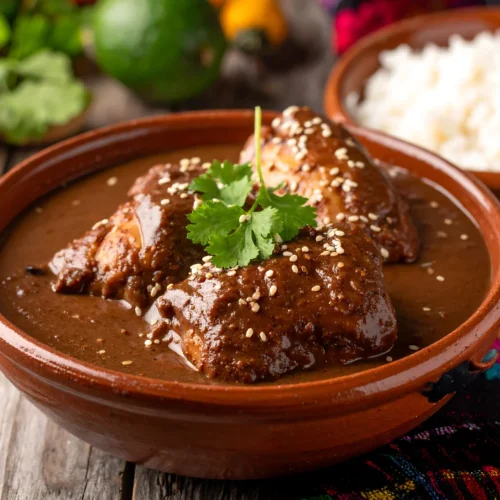
Food is more than a source of physical nourishment; it is a living expression of history, community, and personal identity. Across every continent, cultural food traditions define how communities celebrate milestones, pass down ancestral knowledge, and express hospitality. From the slow preparation of Mexican mole to the communal rituals of Ethiopian injera feasts, meals provide a tangible connection to heritage that withstands geographic and generational shifts.
Exploring traditional food customs around the world reveals the vast diversity in how societies organize their lives around the table. Customs such as Spain’s lingering sobremesa, Japan’s seasonal mindfulness, or Middle Eastern tea hospitality showcase how dining rituals foster deep social bonding. Furthermore, as diaspora communities adapt heirloom recipes using local ingredients, these evolving practices demonstrate how cultural food traditions remain a resilient bridge between past heritage and modern identity

Join Our Foodie Community
Discover traditional flavors & the latest cuisine trends.