
The smoke from a Bangkok wok. The crackle of freshly baked khachapuri in Georgia. The sharp hiss of a Peruvian ceviche station. That’s not just dinner. That’s your real passport in 2026.
This year, the biggest culinary travel trends are leaving behind rigid “Top 10” lists and embracing something far richer: slow, sensory, story-driven eating. And according to the latest culinary travel trends reports, the global culinary tourism market is now racing toward a staggering $1.8 trillion.
But here’s the problem: most travel guides still tell you where to eat. They don’t tell you why a specific spice reached a coastal village in the 1600s, or how a mountain community perfected fermented cabbage through generations of harsh winters.
That’s exactly why Food Culture Travel Guides are your new essential tool. In this post, we’ll walk you through the 2026 destinations you can’t miss, the street food safety tricks that actually work, and a 5-step framework to plan your most flavorful adventure yet.
👉 Let your hunger be your guide. Let’s dive in.
As the global culinary tourism market surges toward a projected $1.8 trillion, travelers are moving away from generic luxury and toward “slow food” experiences that prioritize authenticity, sustainability, and deep cultural immersion. But how do you navigate this delicious new frontier without falling into the “aesthetic trap” of social media-ready tourist stops?
The answer lies in the Food Culture Travel Guide.
Quick Verdict: Best 2026 Food Destinations by Category
What is a Food Culture Travel Guide? (And Why You’re Missing Out Without One)
Food is far more than fuel; it is a vibrant intersection of gastronomy, history, and sociology. When you use culinary tourism as your compass, you aren’t just looking for a meal—you are seeking the soul of a destination.
The Three Pillars of a Food Culture Guide
A traditional guidebook tells you where to eat. A food culture guide tells you why you are eating it. It rests on three sturdy pillars:
Gastronomy: The technical art and sensory experience of preparing and tasting food.
History: The lineage of ingredients moved across the globe by trade, war, and migration.
Sociology: The communal rituals and social structures built around the shared table.
While “Best Restaurants” lists often highlight trendy spots with massive marketing budgets and high-polished plating, food culture travel guides focus on the narrative of the dish. They explain why a specific spice reached a coastal village in the 1600s or how a mountain community perfected the art of preserving cabbage through the harsh winters of 1920.
Beyond the Plate: The Emotional Connection of Flavor
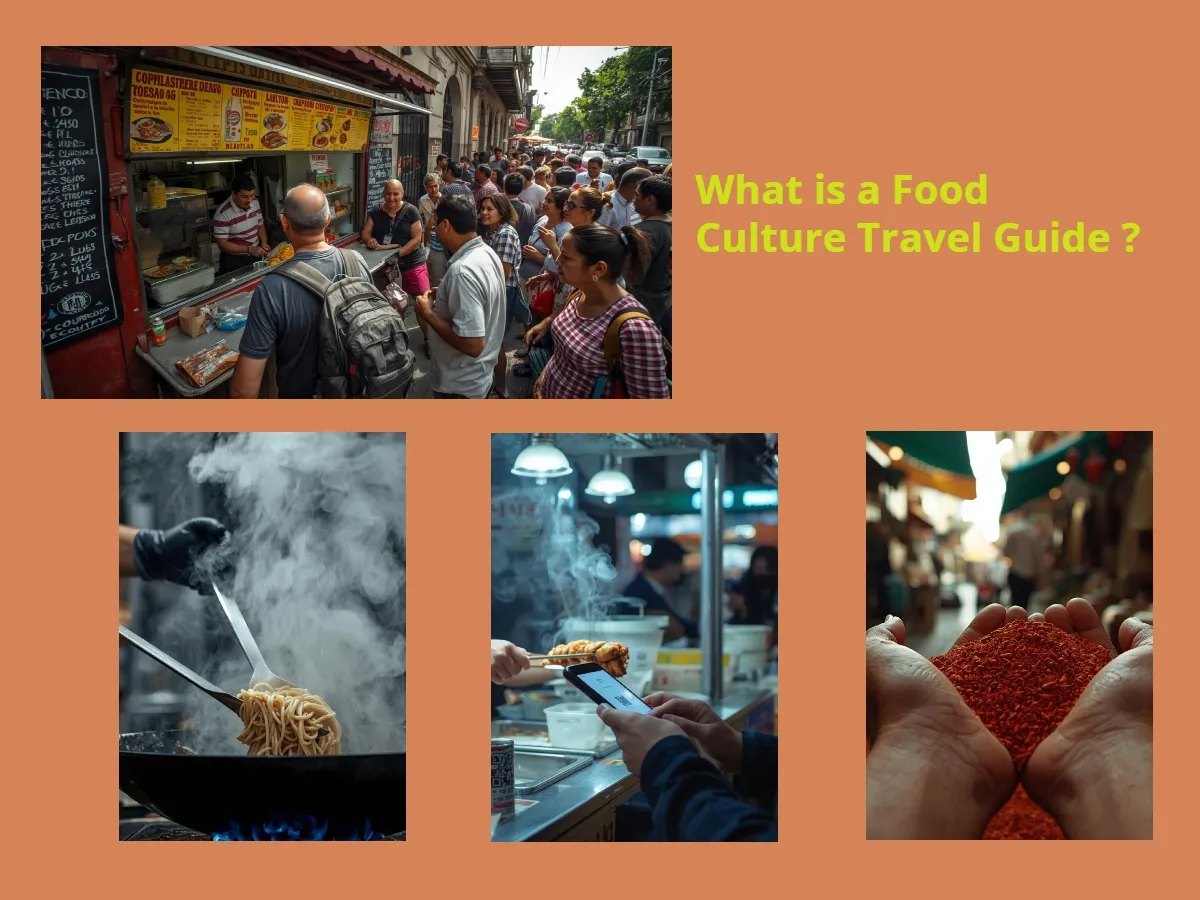
The bridge between a comprehensive food culture travel guide and practical street food safety tips is the pursuit of “safe immersion.” To truly experience a destination’s soul, you must step off the beaten path, yet doing so requires a strategic approach to health. An authentic food culture travel guide doesn’t just list ingredients; it teaches you to read the environment, identifying the bustling stalls where high turnover ensures freshness.
By integrating specialized street food safety tips into your journey, you transform from a vulnerable tourist into a savvy culinary explorer. This synergy allows you to embrace the smoke of a night market or the sizzle of a roadside wok with total confidence, ensuring your global flavor hunt is defined by unforgettable memories rather than digestive setbacks.
Authentic Street Food Safety Tips in 2026
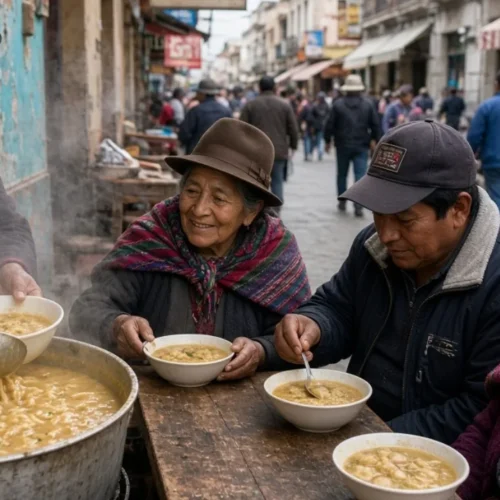
Navigating the vibrant world of street food is the highlight of any culinary journey, but in 2026, safety is about high-tech observation and age-old instincts. The primary rule remains the “High Turnover” principle: always choose stalls with a consistent queue of local residents. A long line ensures that ingredients aren’t sitting stagnant and are being replenished in real-time.
In the modern landscape, observe the vendor’s “Digital & Manual Hygiene.” With the rise of contactless payments, the best vendors never touch physical cash and food with the same hand. Furthermore, look for stalls where food is prepared at high heat—specifically exceeding 74°C (165°F) —as flash-frying or boiling kills most foodborne pathogens instantly.
Beyond the heat, utilize your 2026 Digital Toolkit. Use AI-translation apps to read local health rating stickers which are now common in many Asian and Latin American hubs. Finally, stick to the “Peel it or Boil it” rule for produce; if you can’t see the fruit being peeled in front of you, skip the raw salad and opt for the steaming bowl of noodles instead.
2026 Culinary Tourism Powerhouses
| Destination | Culinary Legacy | Signature Experience | 2026 Projected Growth |
|---|---|---|---|
| Georgia | 8,000-year winemaking tradition | Khachapuri & Qvevri Wine | +14.2% |
| Vietnam | Regional diversity (North vs. South) | Bún Bò Huế & Phở Heritage | +12.8% |
| Peru | Biodiversity & Nikkei Fusion | Ceviche & 3,800+ Potato Varieties | +15.1% |
| Japan | Mastery of Umami & Seasonal Washoku | Kaiseki & Regional Ramen Styles | +11.5% |
| Mexico | Ancestral Maize & Complex Moles | Oaxacan Mole & Street Tacos | +13.4% |
| Morocco | Aromatic Spices & Berbere Traditions | Lamb Tagine & Street-side Mint Tea | +10.9% |
📌 2026 culinary travel trends – top destinations by projected growth. Save this for trip planning.
🍽️ 5 Culinary Travel Trends Shaping 2026 Itineraries
The way we eat around the world is changing fast. Here are the culinary travel trends defining 2026:
- Trend #1 – Slow Food Immersion: Travelers are spending 3+ days in one village to learn a single dish, from Georgian khachapuri to Oaxacan mole.
- Trend #2 – AI-Powered Food Discovery: Apps that translate menus + flag allergens are now standard. This culinary travel trend reduces guesswork at night markets.
- Trend #3 – Regenerative Eating (Table-to-Farm): Learn how slow, intentional eating aligns with sustainable weight loss in our Weight Loss Diets Compared (Keto, Mediterranean & DASH) guide.
- Trend #4 – Hyper-Local Wine & Ferments: Think Georgian qvevri wine, Peruvian chicha, and Vietnamese ruou can – all featured in our culinary travel trends coverage.
- Trend #5 – Off-Season Culinary Travel: Planning a health-focused trip? Discover how off-season travel supports wellness goals in our Keto Diet Long-Term Health Implications article.
👉 Save these 5 culinary travel trends for your 2026 planning. Each one links to a full destination guide below.
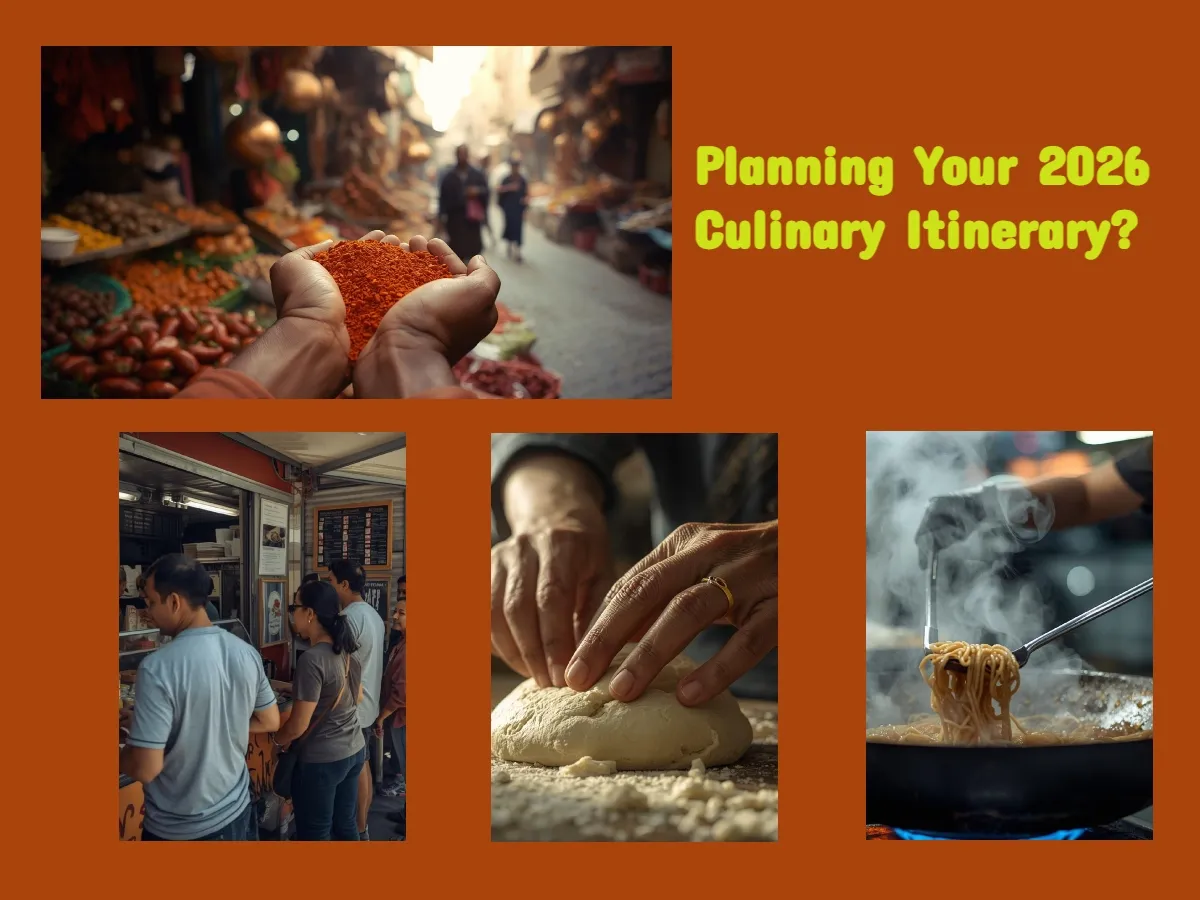
Planning Your 2026 Culinary Itinerary: The 5-Step Framework
Crafting a journey around flavor demands a strategy that honors the soul of a destination.
Research the “Mother Grain”: Identify the primary starch—is it Basmati rice in Northern India or sourdough in San Francisco? This foundation dictates the entire meal structure.
The High-Low Mix: Book one fine-dining seat to witness modern innovation and pair it with a legendary street stall to see living tradition.
The Market Test: Visit the wholesale hub (like Tokyo’s Toyosu) to identify seasonal markers like white truffles or Alphonso mangoes.
Join a Local Class: Learning the “how” behind a dish makes the “what” taste significantly better.
Schedule Digestive Days: Avoid palate fatigue. A 24-hour break from multi-course meals keeps your energy high for the rest of the adventure.
📚 You might also enjoy these food & travel guides
Keep exploring – every click helps you plan a smarter, safer trip.
Red Wine & Kidney Health
Risks, benefits, and safe drinking guidelines – especially if you're traveling with CKD.
The Link Between Red Wine & Kidney Disease →Georgia: 8,000 Years of Wine
Where to find qvevri wine, khachapuri, and the most soulful feasts in Europe.
Discover Georgian Food and Wines →Vietnam Street Food Guide
Phở, bún bò Huế, and the high-turnover rules you need to know.
Discover Modern Vietnamise Cuisine →📌 Don’t forget to pin our 2026 culinary destinations table – and share this post with a fellow food traveler.
Your 2026 Flavor Journey Starts Now
The sizzle of a cast-iron pan in a rural Vietnamese kitchen. The sharp scent of fresh lime hitting a Thai papaya salad. The unexpected warmth of a Georgian toast shared among strangers who become friends.
These are the moments that define travel. And they are exactly what the most exciting culinary travel trends of 2026 are all about: moving beyond the plate and into the story, the soil, and the souls of the people who cook for you.
Whether you’re chasing the 8,000-year-old wine traditions of Georgia, the potato diversity of Peru, or the night market chaos of Mexico City, remember this: a true culinary travel trends approach isn’t about eating the most expensive dish. It’s about eating the most meaningful one.
So put down the generic guidebook. Look past the aesthetic trap of Instagram-ready cafes. And instead, sit at the communal table, listen to the stories hidden in the spices, and let every meal be a discovery.
✅ Ready to start your next flavor adventure?
➡️ Explore our full Food Culture Travel Guides
📌 Join over 50,000 global explorers who believe every meal is an opportunity.
— The Food at World Team






April 24, 2026 at 2:32 pmPineapple is definitely nature’s candy! 🍍 Perfect way to clean the system and boost energy. Saving this for my weekend reset!
May 1, 2026 at 1:40 amThere is honestly no better way to understand a city’s soul than through its street food! 🍜 Nothing beats that authentic, ‘straight-off-the-grill’ flavor you can only find at a local night market. Adding this spot to my 2026 travel bucket list for sure!