

You’ve seen the documentaries. Your friend swears by it. But is 2026 finally the year to go vegetarian? If you’re looking for ways to lose extra pounds without extreme measures, consider becoming a vegetarian, or even a full-fledged vegetarian lifestyl. We’ll cover why a vegetarian diet helps you lose body fat and provide some helpful tips on the benefits of being a vegetarian (Vegan Diet Tips To Lose Weight).
The vegan lifestyle excludes animal products, including meat, fish, eggs, and dairy. Being a vegan can have many health benefits, such as lowering cholesterol, improving digestion, and reducing the risk of certain cancers. Although veganism is not suitable for everyone, it is an option that offers some health benefits.
Adopting a vegetarian lifestyle / gluten-free lifestyle can be a fulfilling and health-conscious decision. However, thoughtful planning is required to ensure you meet your nutritional needs. Whether you’re doing it for health reasons, ethical beliefs, or environmental concerns, here’s how to make this lifestyle work for you:
Focus on Whole, Nutrient-Rich Foods
Choose a wide range of fruits, vegetables, legumes, whole gluten-free grains (like quinoa, brown rice, and buckwheat), nuts, and seeds. These foods are the foundation of both a healthy vegetarian lifestyle and a gluten-free diet.
Mind Your Protein
When cutting out meat and gluten, it’s important to replace them with high-quality plant-based proteins. Include protein-rich foods like lentils, chickpeas, tofu, tempeh, quinoa, and seitan (if tolerated). These options help maintain muscle mass and overall strength.
| How the Vegetarian Diet Works for Weight Loss & Wellness | |
|---|---|
| 01 Whole Foods Focus |
|
| 02 Plant Proteins |
|
| 03 Mindful Eating |
|
| 04 Portion Control |
|
| 05 Hydration Strategy |
|
| 06 Physical Activity |
|
Clinical Advantages of a Vegetarian Diet
Daily Calorie target for weight maintenance, loss, or gain
Find your daily calorie target for weight maintenance, loss, or gain — based on science, not guesswork.
📊 Why Use This Calculator?
- 🌱 Vegetarian diets can be lower in calories — but not automatically. This tool prevents under-eating (fatigue, hair loss) or over-eating (weight gain).
- ⚖️ Weight loss requires a calorie deficit — but the right deficit varies by age, gender, weight, and activity. This calculator personalizes it.
- 💪 Muscle gain needs a surplus — especially for active vegetarians. Use the "gain" setting to build strength without excess fat.
- 🧠 Based on the Mifflin-St Jeor equation — a clinically validated formula used by dietitians worldwide.
🔢 How to Use It — In 3 Simple Steps
Daily Calorie: weight maintenance, loss, or gain
Find your daily calorie target for weight maintenance, loss, or gain — based on the Mifflin-St Jeor equation.
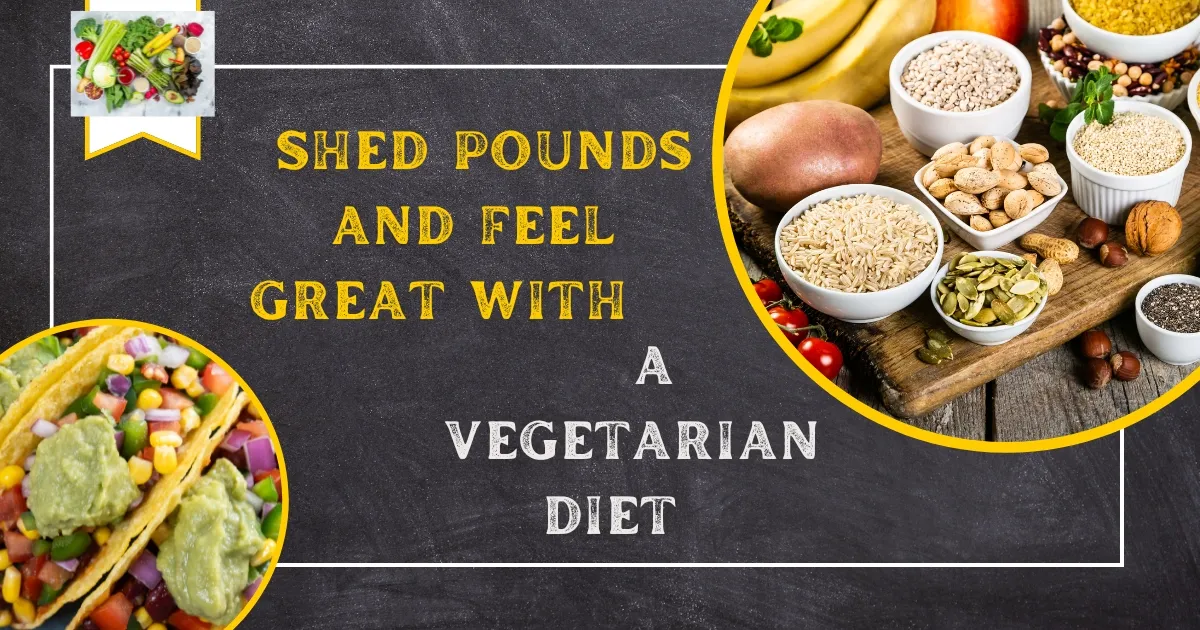
High-Protein Vegetarian Foods for Muscle and Energy
One of the most prevalent misconceptions surrounding vegetarian and vegan diets is the fear that they may not provide enough protein. However, this concern is largely unfounded.
Understanding Protein Needs
Protein is an essential nutrient vital in various bodily functions, including tissue repair, hormone production, and enzyme synthesis. The recommended daily protein intake varies based on factors such as age, sex, weight, and activity level. For most adults, the average requirement falls between 46 and 56 grams per day.
Going Vegetarian and Gluten-Free: How to Make It Work for You
Adopting a vegetarian and gluten-free lifestyle can be a highly rewarding decision for your health, ethics, or dietary needs. However, combining both approaches requires thoughtful planning to ensure your body gets the full spectrum of nutrients it needs to thrive. Whether you're managing gluten intolerance, celiac disease, or simply aiming to reduce animal products and processed foods, here’s how to make your diet work for you.
1. Whole Foods
Center your diet around naturally gluten-free staples:
- Quinoa, Millet, & Buckwheat
- Lentils, Chickpeas, & Black Beans
- Nuts, Seeds, & Avocado Oil
2. Quality Protein
Ensure you meet your daily amino acid requirements:
- Tofu, Tempeh, & Edamame
- Complete proteins like Quinoa
- Hemp, Chia, & Pumpkin seeds
3. Micronutrients
Monitor these key nutrients often missing in plant-based diets:
- B12: Consider supplementation
- Iron: Spinach + Vitamin C
- Calcium: Fortified milks & Almonds
4. Label Vigilance
Be careful with processed vegetarian items:
- Meat substitutes (Seitan contains gluten)
- Condiments, Sauces, & Dressings
- Certified Gluten-Free Granola
5. Culinary Innovation
Keep your palate excited with gluten-free alternatives:
- Cauliflower Pizza Crusts
- Chickpea or Red Lentil Pasta
- Grain-loaded Buddha Bowls
🌱 Food-specific calorie calculator
Helps users understand what they're eating
Vegetarianism Around the World
- India: Lacto-vegetarian (dairy allowed), spices, legumes
- Japan: Shojin ryori (Buddhist vegan), tofu, seaweed
- Mediterranean: Vegetarian-friendly, olive oil, fresh vegetables
- Travel tip: “Learn the phrase ‘no meat, no fish, no eggs’ in the local language.
Ensure you’re getting enough essential nutrients such as vitamin B12, iron, calcium, vitamin D, and zinc. You might need to include fortified foods or consider supplements to meet your needs—especially if you follow a strict vegetarian lifestyle and diet.
Following a gluten-free vegetarian lifestyle is entirely possible—and delicious—when approached with awareness and creativity. By focusing on balanced nutrition, reading labels, and staying open to new foods and ideas, you’ll not only thrive on this lifestyle but also enjoy the process. With time, it becomes less about what you’re avoiding and more about the vibrant, nourishing foods you’re discovering.


April 6, 2026 at 1:10 amI am truly grateful to the holder of this web page who has shared this wonderful post at at this time.
April 25, 2026 at 5:08 amI will immediately grab your rss feed as I can not find your e-mail subscription link or newsletter service. Do you’ve any? Kindly let me know so that I could subscribe. Thanks.