
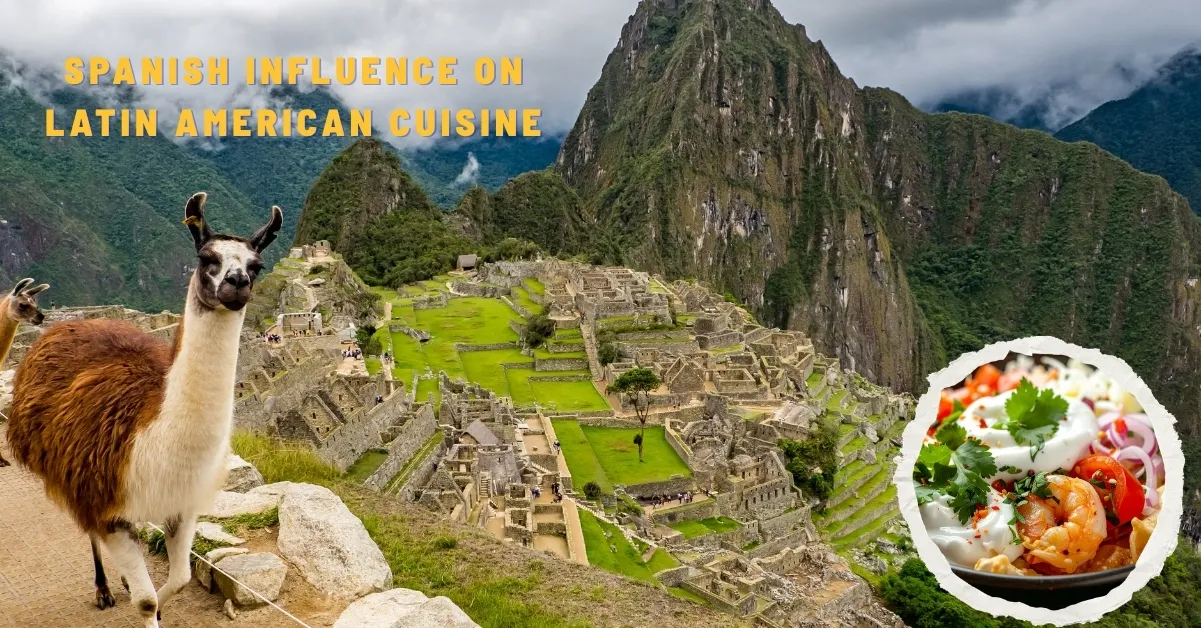
The story of Latin American cuisine is one of transformation—a culinary journey where indigenous roots met Spanish sails, and new flavors were born from the fusion of two worlds. From the highlands of the Andes to the coasts of the Caribbean, Latin American cuisine tells a story of resilience, adaptation, and shared tables.
-
- Spanish Influence on Latin American Cuisine
- 🇪🇸 ➡️ 🌎 A Culinary Crossing
- 🌶️ Ingredients Exchange: Spanish Contributions & Latin American Adaptations
- 🍽️ Iconic Dishes: From Spain to Latin America
- 👨🍳 Cooking Techniques: A Spanish Legacy
- 🌽 Tamales: A 500-Year Story of Culinary Fusion
- 🍽️ Modern Fusion: Spanish Techniques Meet Indigenous Ingredients
- 🏆 A Lasting Legacy
- 🌱 Chia: From Ancient Superfood to Modern Wellness Icon
Spanish colonization brought olive oil, wheat, pork, and citrus to the Americas, while native ingredients like corn, tomatoes, and chili peppers traveled east. The result was not simply a replacement of one tradition by another, but a profound blending that gave rise to some of the world’s most beloved dishes. Ceviche, empanadas, tamales, and paella all carry the fingerprints of this cultural exchange.
In this article, we explore how Latin American cuisine evolved under Spanish influence—from ingredients and techniques to iconic dishes that continue to bring families and communities together. Whether you’re a food enthusiast or a traveler seeking the soul of the region, this journey through flavor will reveal how history is tasted, one bite at a time.
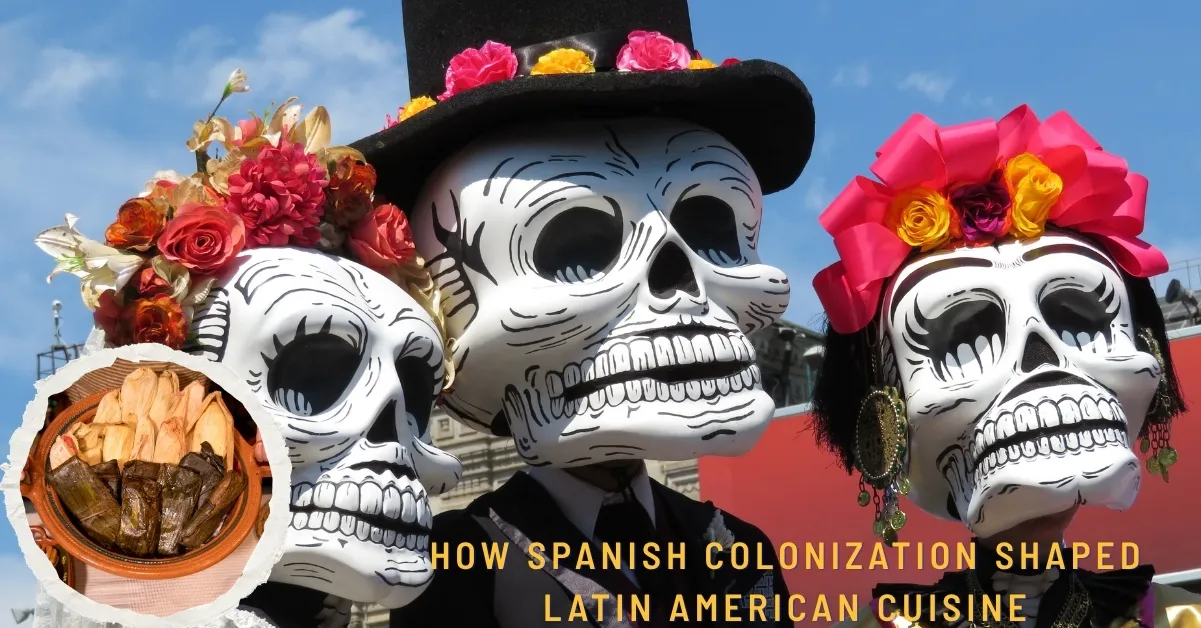
Spanish Influence on Latin American Cuisine
From paella to ceviche — how colonization, ingredients, and traditions created a vibrant culinary fusion.
📖 Table of Contents
🇪🇸 ➡️ 🌎 A Culinary Crossing
The culinary heritage of Latin America is a rich tapestry woven from indigenous traditions, African flavors, and European colonization. Among European influences, Spanish cuisine holds a significant place, deeply embedded in the gastronomy of Mexico, Peru, Argentina, Colombia, and beyond.
Spanish colonization introduced new ingredients—pork, wheat, citrus, olive oil—and transformed native staples like corn, tomatoes, and chili peppers into a new, hybrid cuisine. This article explores the journey of flavors from Spain to Latin America and how they evolved into beloved dishes like ceviche, empanadas, and tamales.
🌶️ Ingredients Exchange: Spanish Contributions & Latin American Adaptations
Spanish colonization brought new ingredients to the Americas, while indigenous crops traveled back to Europe. Here's how key ingredients transformed.
| Ingredient | Spanish Contribution | Latin American Adaptation |
|---|---|---|
| 🐖 Pork | Introduced pigs; became a primary meat source | Essential in tamales, cochinita pibil, and carnitas |
| 🍋 Citrus (Lime, Orange) | Brought citrus fruits for marinating and flavor | Key in ceviche (Peru), mojo sauces (Cuba, Mexico) |
| 🌾 Wheat | Introduced wheat for bread and pastries | Empanada dough, pan dulce, and wheat-based tamales in some regions |
| 🫒 Olive Oil | Mediterranean cooking fat staple | Used in sofritos, adobos, and sautéed dishes across Latin America |
| 🧅 Garlic & Onions | Foundation of Spanish cooking | Became base for sofrito, recado, and countless stews |
| 🍅 Tomatoes | Brought from Americas to Spain, then returned in new forms | Used in salsas, stews, and as a base for rice dishes |
🍽️ Iconic Dishes: From Spain to Latin America
These dishes traveled across the Atlantic, evolving with local ingredients and tastes.
Paella
Originally from Valencia, paella adapted in Colombia and Venezuela with local seafood, chicken, pork, and native vegetables.
Empanadas
Filled with beef, chicken, cheese, or vegetables. Each country has its own dough and folding style—baked or fried.
Ceviche
Spanish-introduced limes and onions transformed the ancient practice of marinating fish into Peru's national dish.
👨🍳 Cooking Techniques: A Spanish Legacy
Spanish culinary techniques became the foundation of Latin American home cooking.
Sofrito
A slow-cooked base of garlic, onions, peppers, and tomatoes—essential in stews, rice dishes, and beans across the Caribbean and mainland.
Frying & Sautéing
Spanish techniques applied to indigenous ingredients—empanadas, tostones, and chicharrones are all fried to perfection.
Stewing (Guisos)
Slow-cooking meats and vegetables in clay pots—the foundation of sancocho, puchero, and many Latin American soups.
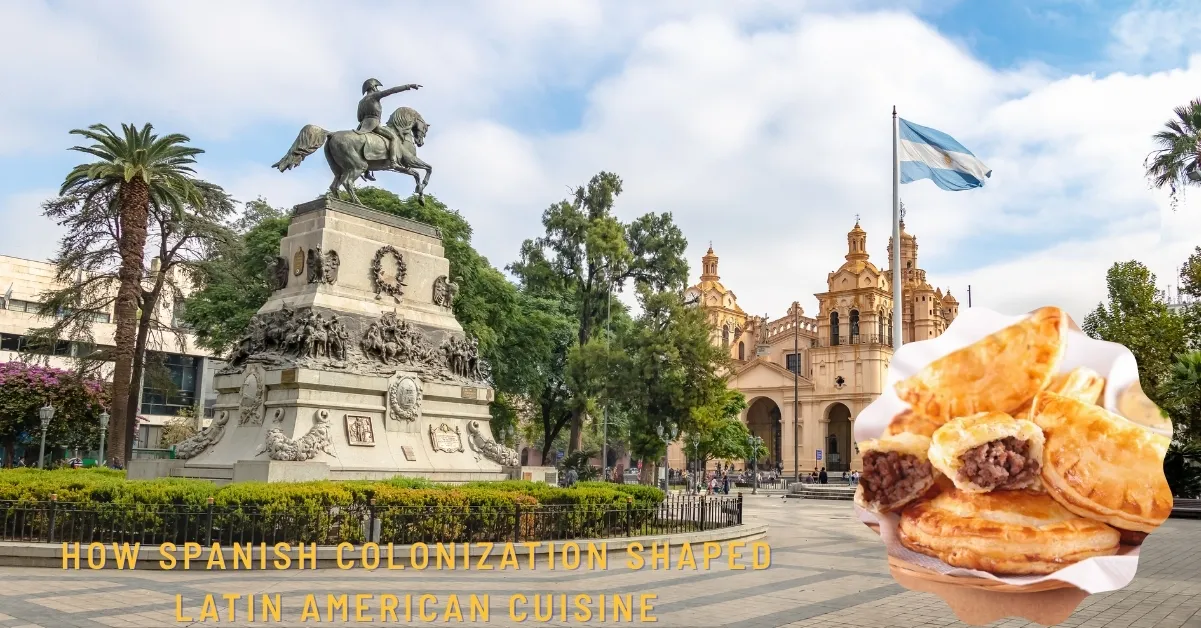
🌽 Tamales: A 500-Year Story of Culinary Fusion
The humble tamale perfectly encapsulates the blending of Spanish and indigenous traditions.
🌱 Pre-Columbian Era
Made with masa (nixtamalized corn), filled with beans, chilies, squash, turkey, or fish. Wrapped in corn husks or banana leaves, steamed. Portable food for hunters and travelers.
🇪🇸 16th Century: Spanish Arrival
Spaniards introduced pork, chicken, beef, dairy, and wheat. Tamales began incorporating these new ingredients, especially pork, which became a favorite filling.
🌎 Modern Era
Regional variations flourish: Oaxacan tamales with mole, Veracruz-style with olives and capers, sweet tamales with cinnamon and raisins. Tamales remain a symbol of celebration and cultural resilience.
Did You Know? The Spanish introduced lard to tamale dough, creating a fluffier, richer texture. Today, tamales are enjoyed across Mexico and Central America, with each region adding its unique twist.
🍽️ Modern Fusion: Spanish Techniques Meet Indigenous Ingredients
Today, Latin American chefs continue to blend Spanish traditions with local flavors, creating innovative cuisine.
Argentina: Picadas
Spanish-style tapas adapted as "picadas"—cured meats, cheeses, olives, and local wines served in casual gatherings.
Mexico: Chiles en Nogada
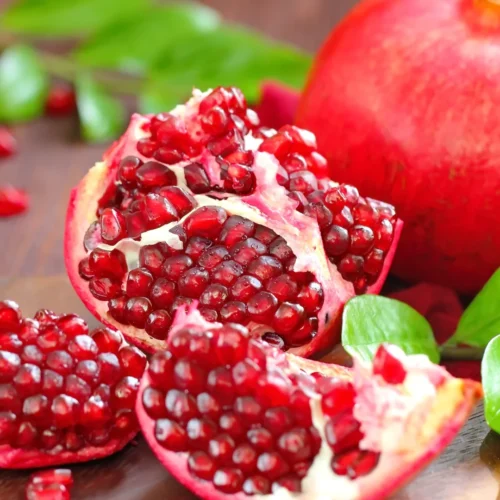
Spanish braising techniques applied to indigenous poblano peppers, filled with picadillo, topped with walnut sauce and pomegranate.
Peru: Nikkei & Chifa Fusion
Spanish influences merged with Japanese and Chinese immigrant traditions, creating dishes like tiradito and lomo saltado.
🏆 A Lasting Legacy
Spanish cuisine left an indelible mark on Latin America—shaping ingredients, techniques, and traditions that continue to evolve. From the smoky chilies of Mexico to the citrus-marinated fish of Peru, the fusion of Spanish and indigenous flavors created one of the world's most vibrant culinary landscapes.
As Latin American cuisine gains global recognition, its Spanish roots remain a vital part of its identity—a testament to centuries of cultural exchange, adaptation, and shared tables.
Explore More: Interested in specific dishes? Check out our guides on Argentine Empanadas, Peruvian Ceviche, and Mexican Tamales.
🌱 Chia: From Ancient Superfood to Modern Wellness Icon
Chia seeds have journeyed from a sacred Aztec and Mayan staple to a globally recognized superfood. This tiny seed packs a powerful nutritional punch and carries a rich history of cultural significance.
🌱 Chia: A 5,500-Year Journey from Sacred Seed to Superfood
Once a cornerstone of ancient Mesoamerican civilizations, chia is now celebrated worldwide for its health benefits. Here's how this tiny seed conquered the globe.
🏺 Pre-Columbian Era (3500 BCE – 1500 CE)
Chia (Salvia hispanica) was a staple crop for the Aztec and Maya civilizations. It ranked alongside corn and beans as a dietary foundation. Aztec warriors ate chia for sustained energy, while runners and messengers used it for hydration. Chia seeds were also ground into flour, pressed for oil, and used in religious offerings.
🇪🇸 16th–20th Century: Suppression & Survival
After the Spanish conquest, chia cultivation was suppressed in favor of European grains like wheat and barley. The Spanish saw chia's association with indigenous religion as a threat. However, chia survived in remote areas and traditional communities, preserving its genetic heritage and cultural knowledge for centuries.
📈 1990s–2000s: The Superfood Boom
Chia re-emerged on the global stage, championed by Dr. Wayne Coates, a researcher who popularized it as a "superfood." Studies confirmed its rich content of omega-3 fatty acids, fiber, protein, and antioxidants. Brands like Salba and Mamma Chia helped reintroduce chia to health-conscious consumers in North America and Europe.
🌎 Present Day: A Global Wellness Staple
Chia seeds are now grown in Mexico, Bolivia, Argentina, Australia, and beyond. They appear in smoothies, puddings, crackers, energy bars, and even as an egg substitute in vegan baking. Chia's ability to absorb 10–12 times its weight in water makes it a favorite for hydration and digestion. It is celebrated for heart health, bone support, and blood sugar regulation.
The word "chia" comes from the Nahuatl (Aztec language) word chian, meaning "oily." Aztec rulers received chia as an annual tribute from conquered nations—a testament to its immense value. Today, chia seeds are one of the few foods recognized by the United Nations as a crop with potential to combat global malnutrition.
🏆 Conclusion
From the smoky chiles en nogada of Mexico to the citrus-kissed ceviche of Peru, the Spanish influence on Latin American cuisine is woven into the very fabric of daily life. What began as a colonial encounter evolved into a vibrant culinary identity—one that honors both indigenous wisdom and European tradition.
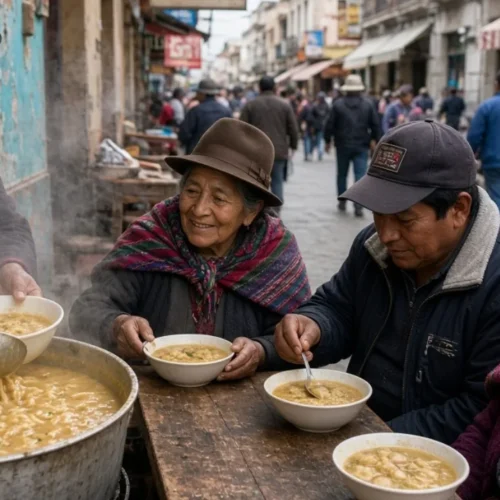
Today, Latin American cuisine is celebrated worldwide for its bold flavors, diverse ingredients, and the deep sense of community it evokes. Whether shared around a family table or savored at a street-side stall, these dishes carry centuries of history in every bite.
As chefs and home cooks continue to innovate, Latin American cuisine remains a living tradition—always adapting, always honoring its roots. It is a testament to the power of cultural exchange, reminding us that the best recipes are often the ones written together, across oceans and generations.

April 24, 2026 at 2:32 pmThere is no workout quite like a Spanish dinner. Between the hand gestures while talking, passing the Paella pan, and the 2-hour conversation afterwards, I’m pretty sure I burned enough calories to justify a second helping of Churros!
May 11, 2026 at 6:24 amDo you mind if I quote a couple of your articles as long as I provide credit and sources back
to your webpage? My blog is in the exact same area
of interest as yours and my users would truly benefit from a lot
of the information you present here. Please let me know if this
okay with you. Regards!