The hiss of a teppan grill. The delicate crack of a nori sheet. The first sip of miso soup that changes everything.

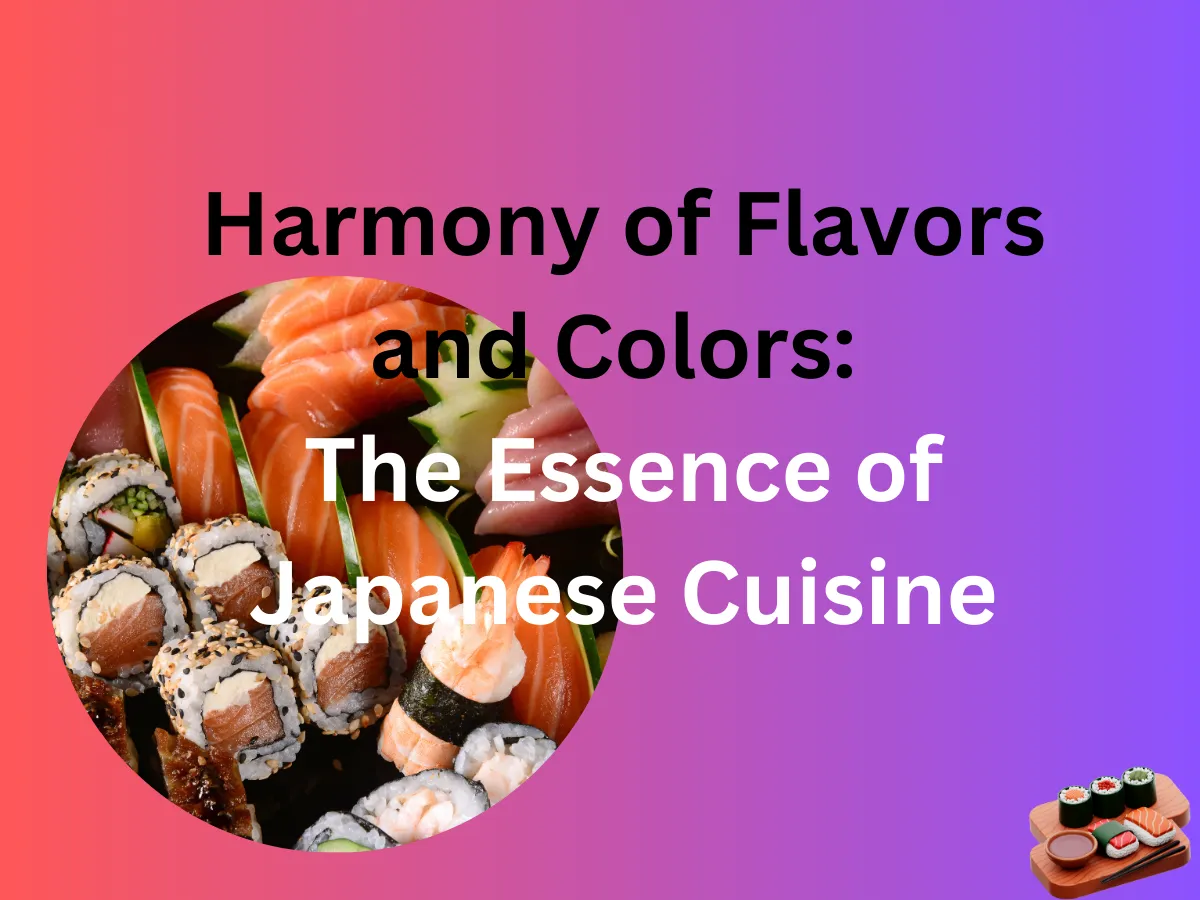
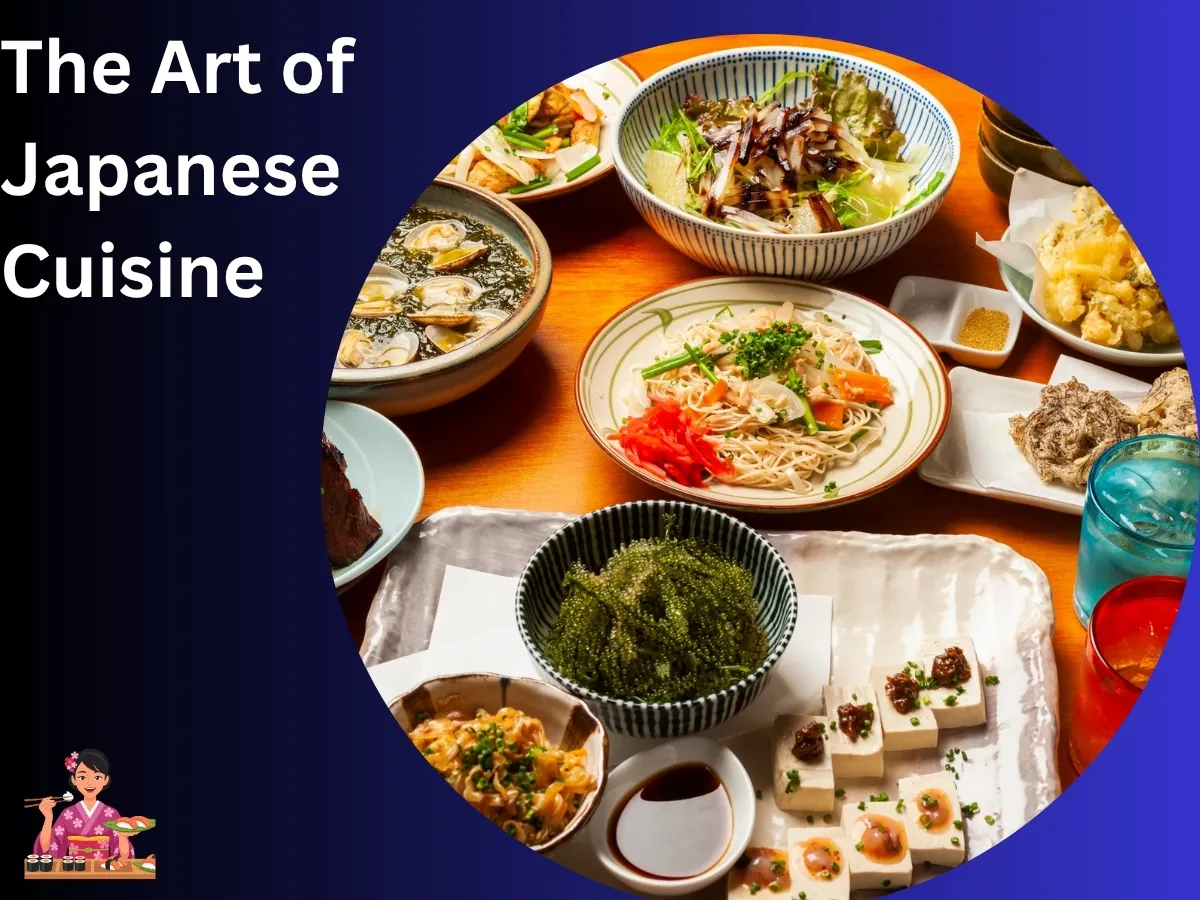
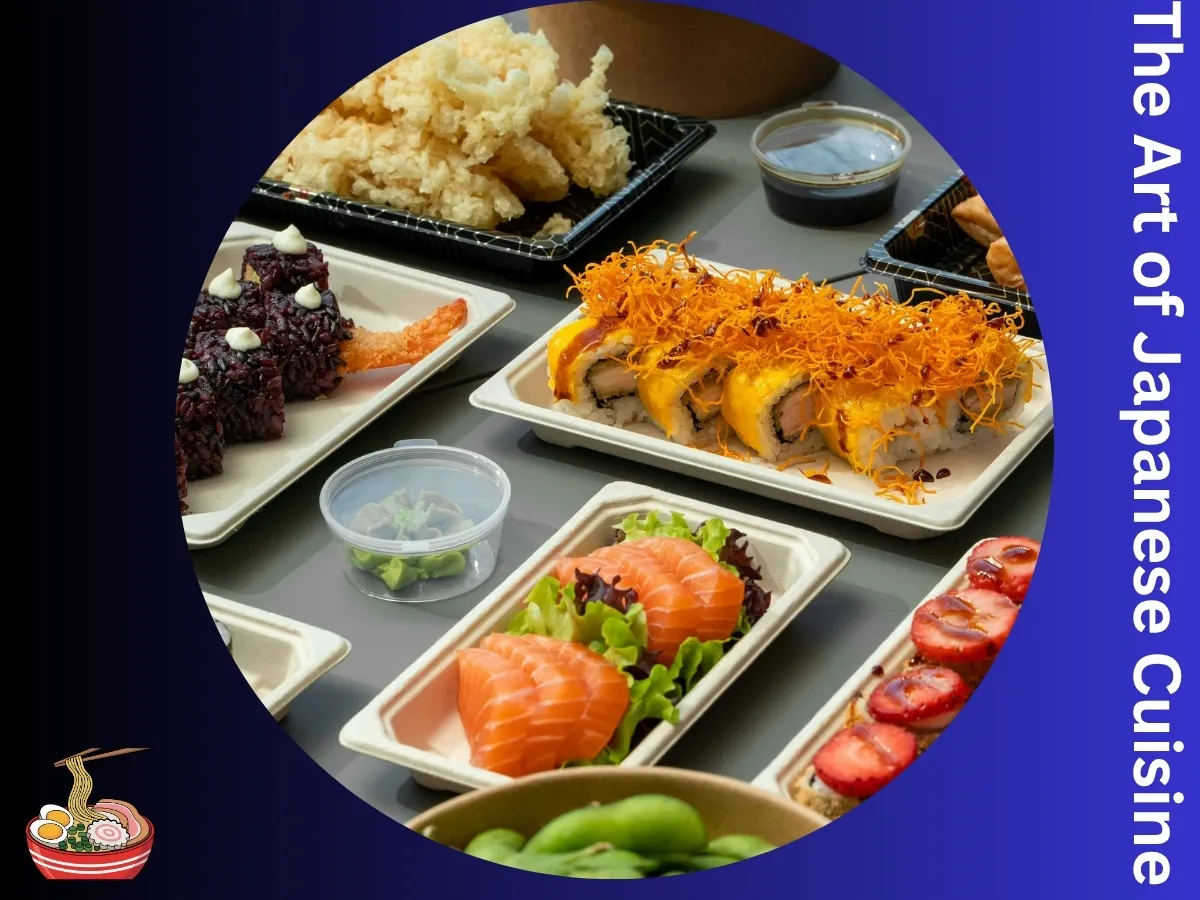
This is Japanese cuisine – a culinary exploration of vibrant flavors and artful presentation that goes far beyond sushi rolls and ramen bowls. Discover the intricate world of Japanese cuisine, where each dish is meticulously crafted to delight both the palate and the eyes. Japanese food culture is renowned for its emphasis on freshness, balance, and aesthetic appeal.

From delicate sushi rolls to hearty ramen bowls, Japanese cuisine offers diverse flavors that reflect the country’s rich history and culinary traditions. But what makes it truly unique is the philosophy behind every meal – the respect for nature, the celebration of seasonal ingredients (shun), and the beautiful presentation that elevates dining into an art form.

In 2013, UNESCO recognized this heritage by adding “Washoku” – traditional Japanese cuisine – to its Intangible Cultural Heritage list. And in 2026, Japanese cuisine continues to captivate food lovers worldwide, from Michelin-starred restaurants in Tokyo to humble street stalls in Osaka.

📌 In this guide, you’ll discover:

  • ✅ What Washoku is and why it matters
  • ✅ Traditional Japanese dishes you must try
  • ✅ Regional specialties across Japan (with must-try dishes)
  • ✅ The art of colors, seasons, and presentation
  • ✅ Answers to frequently asked questions about Japanese cuisine

👉 Let your taste buds be your guide. Let’s dive in.

What Makes Japanese Cuisine Unique?

Japan, renowned for its rich culture and stunning landscapes, offers an equally captivating culinary experience. While sushi undoubtedly holds a prominent place in Japanese cuisine, a vast array of other dishes is waiting to be explored.

What is Washoku? Japan’s UNESCO-Recognized Culinary Heritage

In 2013, UNESCO added “Washoku” – traditional Japanese cuisine – to its Intangible Cultural Heritage list. The designation celebrates not just the food itself, but the respect for nature, seasonal ingredients (shun), and the beautiful presentation that reflects Japan’s aesthetic principles. Washoku is built on the concept of “one soup, three dishes” (ichiju-sansai), emphasizing balance and variety.

🍜🇯🇵

Traditional Japanese Dishes

From comforting noodle soups to savory pancakes — explore the classics of Japanese cuisine
🍜

Ramen

Hearty noodle soup

A hearty and comforting noodle soup, often served with various toppings like pork, eggs, and vegetables.

🍜 Wheat noodles 🥩 Pork (chashu) 🥚 Soft-boiled egg 🌿 Nori seaweed
🍤

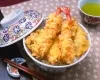
Tempura

Crispy-fried perfection

Delicate, crispy-fried seafood or vegetables coated in a light batter.

🦐 Shrimp 🍆 Vegetables 🥚 Light batter 🧂 Tentsuyu sauce
🍜

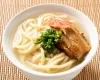
Soba & Udon

Traditional noodles

Buckwheat and wheat noodles served in various broths, enjoyed hot or cold.

🌾 Buckwheat 🌾 Wheat flour 🥣 Dashi broth 🌿 Green onion
🍚

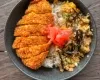
Donburi

Rice bowl

A rice bowl topped with various ingredients, such as grilled eel, pork, or vegetables.

🍚 Steamed rice 🐟 Unagi (eel) 🥩 Pork (katsudon) 🥚 Egg
🥞

Okonomiyaki

Savory pancake

A savory pancake made with batter, cabbage, and other ingredients, topped with sweet and tangy sauce.

🥬 Cabbage 🥚 Egg 🥓 Pork belly 🍯 Okonomiyaki sauce
🍽️ These beloved dishes represent the heart of Japanese home cooking and restaurant culture — each with its own regional variations.
🎨🍱

The Art of Japanese Cuisine

Where every dish is a visual symphony — a perfect balance of seasonality, texture, and tradition.

Artistic Japanese Bento Box arrangement

🎨 A Visual Feast

In Japan, we eat first with our eyes. Presentation is an art form that reflects the Shun (旬)—the peak of seasonality. Every ingredient is chosen for its color harmony and geometric balance.

From the intricate patterns of a lacquered bento box to the minimalist elegance of sashimi, the negative space on the plate is as important as the food itself.

Black sesame and Sakura cherry blossom delicacies

🌸 Black & Pink Delicacies

Experience the dramatic contrast of Japanese aesthetics. Black (Kuro) ingredients like charcoal soba or black sesame offer depth and earthiness, symbolizing mystery and elegance.

In contrast, Pink (Sakura-iro) represents spring and renewal. Using salted cherry blossoms and plum, these delicacies provide a floral lightness that softens the visual palate.

🖤🌑

Black Foods in Japanese Cuisine

A play of tastes and aesthetics — where darkness creates intrigue
Squid ink pasta - black Japanese dish
🦑

Squid Ink

Crafting Flavorful Artistry

With its deep, velvety black hue and nuanced umami taste, squid ink adds a layer of complexity to Japanese dishes. Imagine squid ink pasta, where each forkful carries the essence of the ocean's depths.

🦑 Umami-rich 🎨 Visual drama
Black sesame dessert - Japanese sweet
🌿

Black Sesame Seeds

A Visual Symphony of Contrast

These jet-black seeds contribute a gentle, nutty flavor and serve as visual masterpieces, enhancing both sweet and savory creations — from delicate black sesame desserts to elegant savory dishes.

🌰 Nutty flavor 🍰 Black sesame dessert
Japanese culinary art and innovation
⚗️

Culinary Alchemy

Tradition Meets Innovation

Japanese cuisine's affinity for embracing the unexpected is exemplified in black-hued ingredients. These unconventional additions marry ancient tradition and modern creativity.

⚗️ Culinary innovation 🎭 Artistic expression
🌸💕

Pink Delicacies: The Subtle Beauty of Sakura

Discover how the delicate shades of spring inspire Japan's most elegant culinary creations.

Traditional Sakura Mochi wrapped in leaf
🍡

Sakura Mochi

Springtime Reverie

A traditional treat where sweet rice cake meets botanical beauty. The salty pickled leaf balances the sweet bean paste perfectly.

Sweet Rice Pickled Leaf
Fragrant Sakura Blossom Tea
🍵

Sakura Tea

Liquid Tranquility

Captured blossoms unfurl in hot water, releasing a delicate floral aroma that transports you to a blooming garden in Kyoto.

Fragrant Antioxidants
Fresh Salmon Sashimi
🍣

Salmon Sashimi

Vivid Bounty

The brilliant hue of premium salmon is nature's own pink palette, offering buttery texture and nutrient-dense fuel.

Protein Rich Omega-3
🌸✨

Sakura Delights: A Whimsical Ode to Spring's Ephemeral Beauty

Blossoming only briefly, cherry blossoms evoke a sense of transience and wonder — beautifully captured in pink-hued dishes like sakura mochi and sakura tea. Each bite is a poetic tribute to the fleeting charm of spring.

🌸 Hanami (flower viewing) 🎋 Seasonal delicacies 🍡 Mochi traditions

🎨 Which aspect of Japanese food presentation fascinates you most? Share your thoughts below!

🗾🍜

Japanese Regional Specialties

A culinary journey through Japan's diverse regions — from Kyoto's kaiseki to Hokkaido's fresh seafood

🗺️🇯🇵

Plan Your Culinary Journey Through Japan

From Kyoto's elegant kaiseki to Osaka's street food, Hokkaido's seafood, and Tokyo's Michelin-starred restaurants — each region offers a unique taste of Japan's rich culinary heritage.
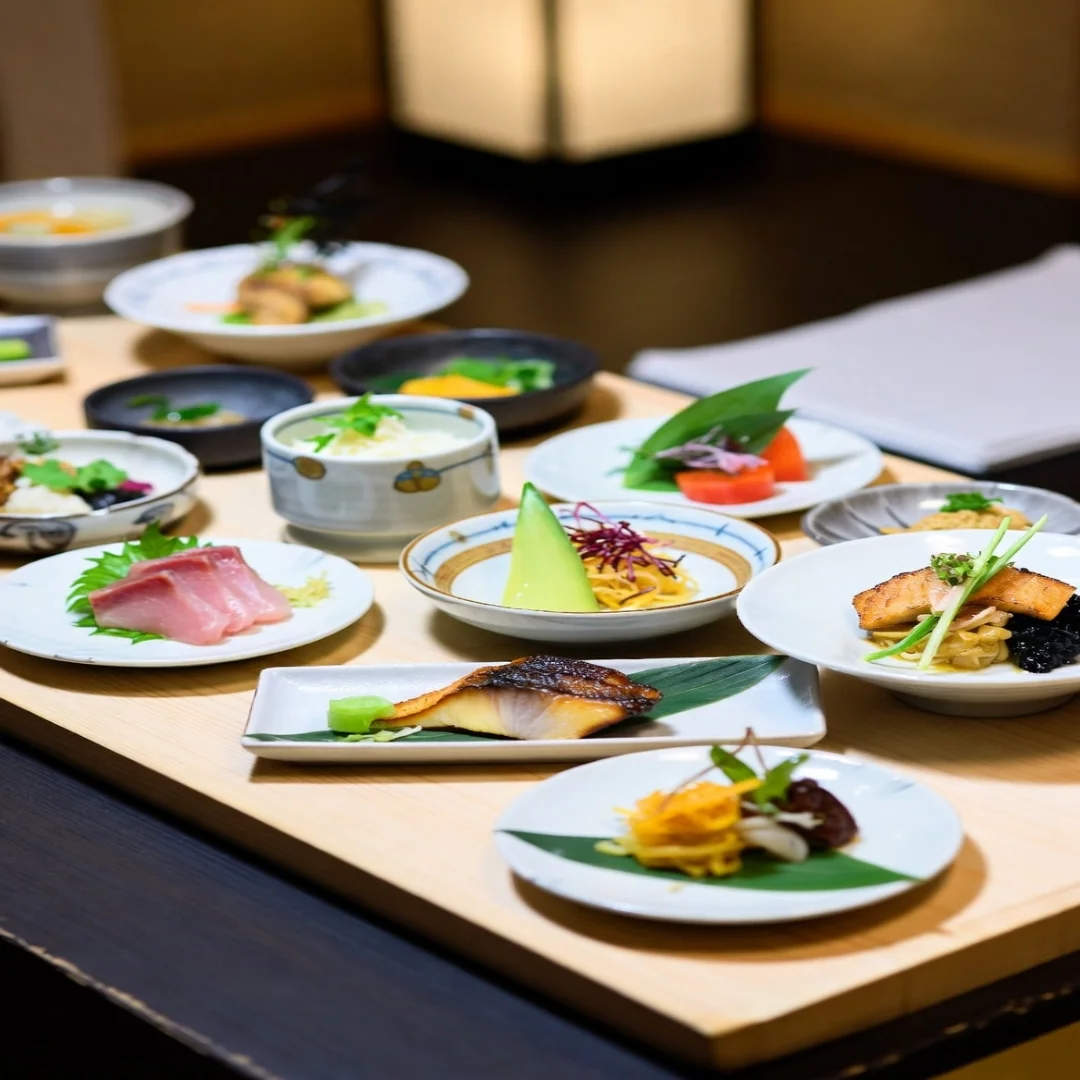
Kyoto Kaiseki multi-course meal
🏯

Kyoto

Kaiseki – a multi-course fine dining experience that highlights seasonal ingredients and exquisite presentation. This refined dining experience is the pinnacle of Japanese culinary art.

Must-try: Yudofu (tofu hot pot) – a simple yet elegant dish that showcases Kyoto's Buddhist vegetarian traditions.

🍱 Kaiseki Ryori 🎋 Seasonal ingredients 🍵 Matcha
✈️ Travel Tip

Visit Gion district for traditional kaiseki dinners. Reservations recommended weeks in advance.
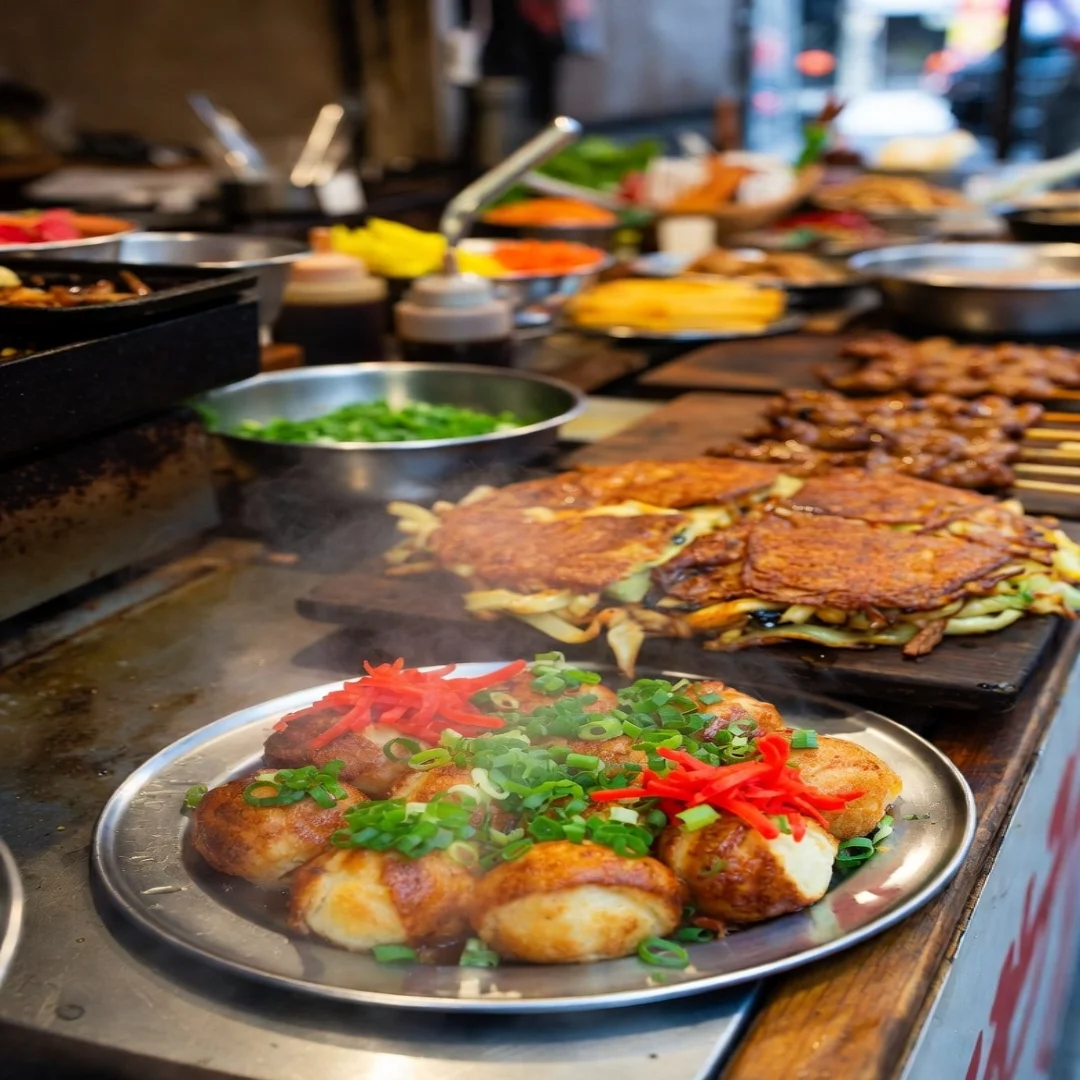
Osaka street food - takoyaki and okonomiyaki
🏙️

Osaka

The street food capital of Japan. Osaka is known as "Japan's kitchen" — the ultimate destination for food lovers who want to eat their way through the city.

Must-try: Takoyaki (octopus balls) and Okonomiyaki (savory pancakes) – both are iconic Osaka street foods you'll find on every corner.

🥞 Okonomiyaki 🐙 Takoyaki 🍜 Kushikatsu
✈️ Travel Tip

Head to Dotonbori district at night for the best street food experience — neon lights and endless food stalls!
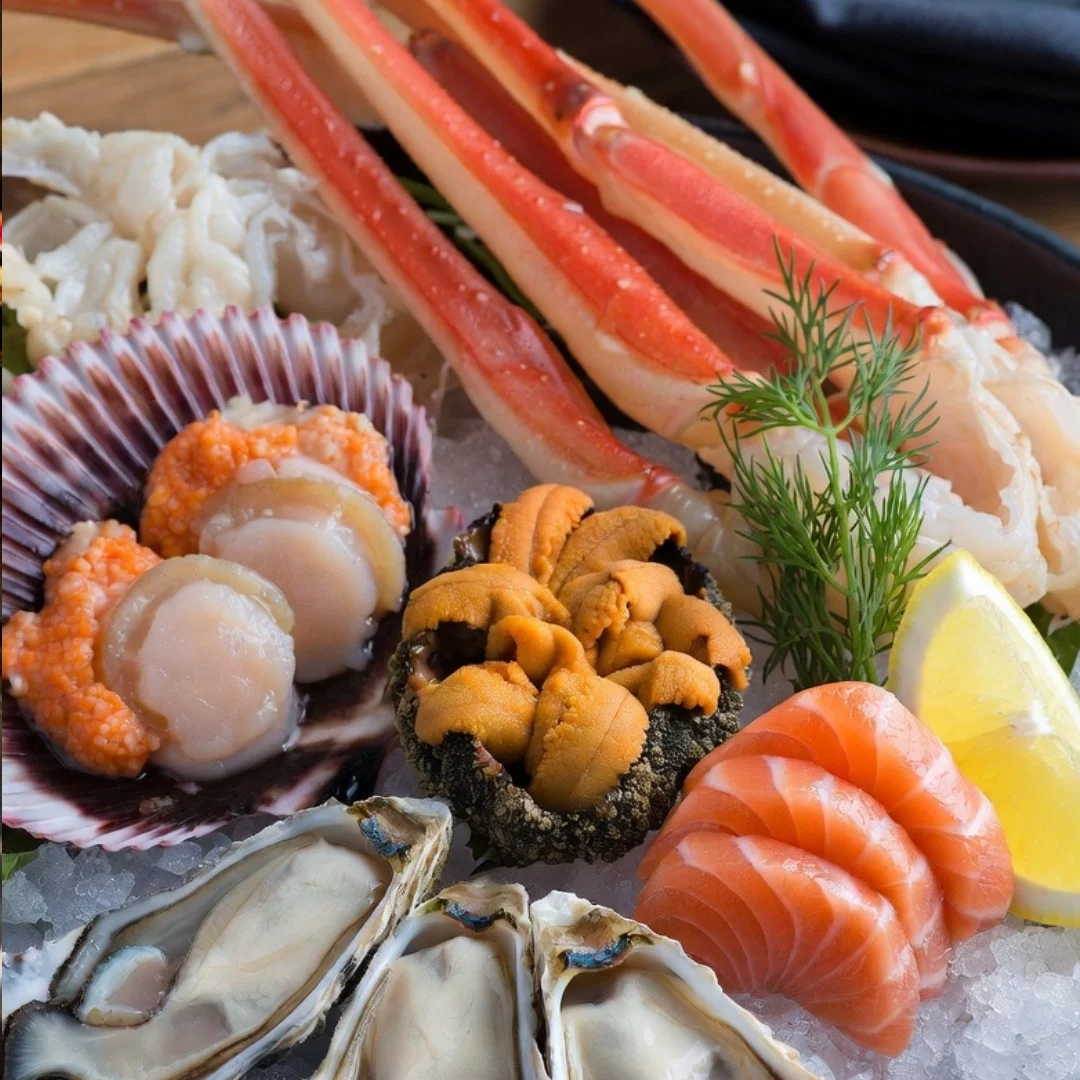
Hokkaido fresh seafood - crab and salmon
❄️

Hokkaido

Renowned for its fresh seafood and dairy. Hokkaido's cold waters produce some of Japan's most prized marine harvests.

Must-try: Kani (crab) – especially hairy crab and king crab – and Hokkaido milk ice cream, famous for its rich, creamy texture.

🦀 Hairy crab 🐟 Salmon 🍜 Soup Curry 🥛 Dairy products
✈️ Travel Tip

Visit the Nijo Market in Sapporo for breakfast — fresh crab, sea urchin, and salmon roe bowls!
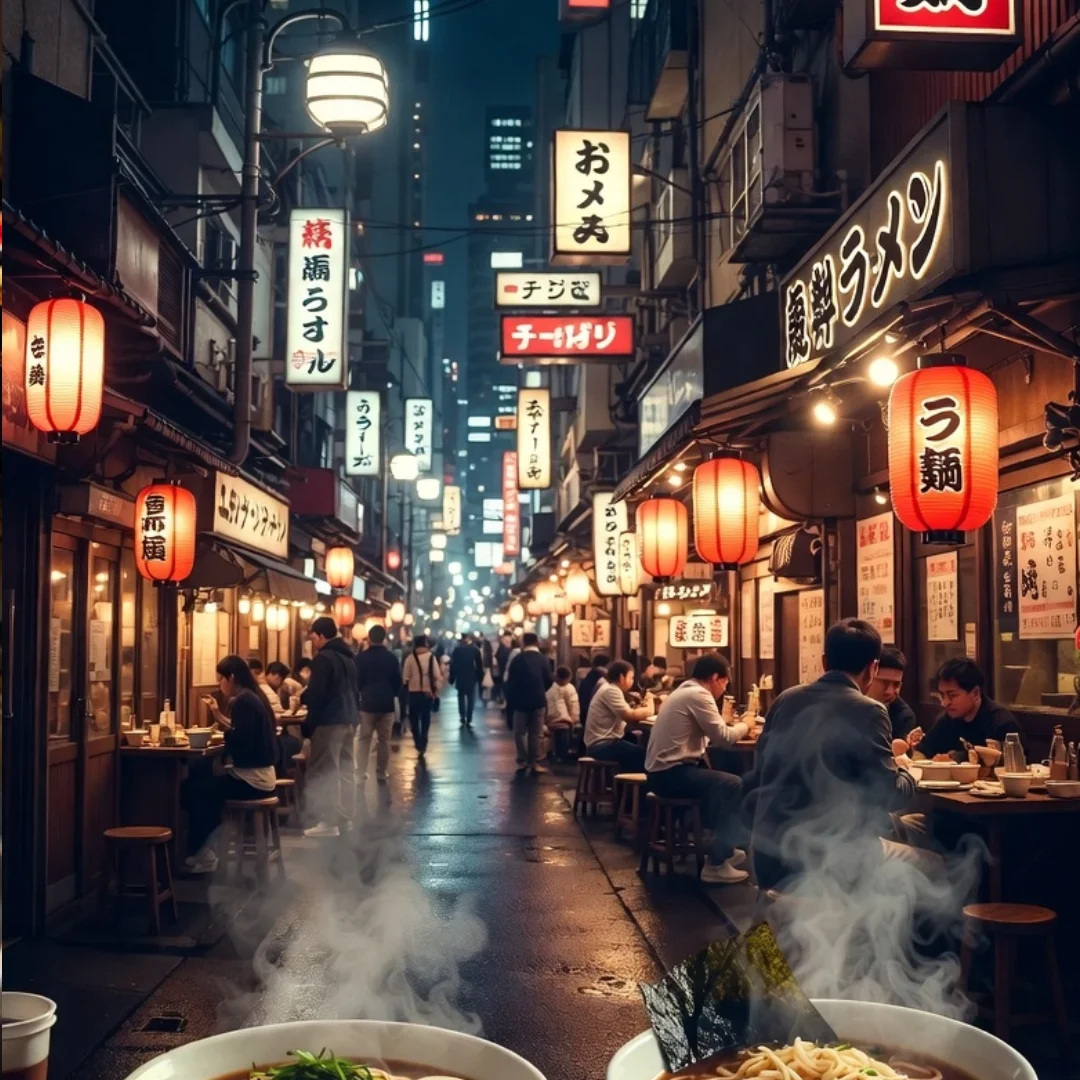
Tokyo food scene - sushi and ramen
🗼

Tokyo

A Michelin-starred restaurant mecca and sushi capital. Tokyo has more Michelin-starred restaurants than any other city in the world.

Must-try: Edomae-style sushi – featuring fatty tuna (otoro) and sea urchin (uni) – the ultimate Tokyo sushi experience.

🍣 Sushi 🍜 Ramen 🥟 Gyoza ⭐ Michelin-starred
✈️ Travel Tip

Explore Tsukiji Outer Market for fresh sushi breakfast, then head to Shinjuku for incredible ramen and izakayas.
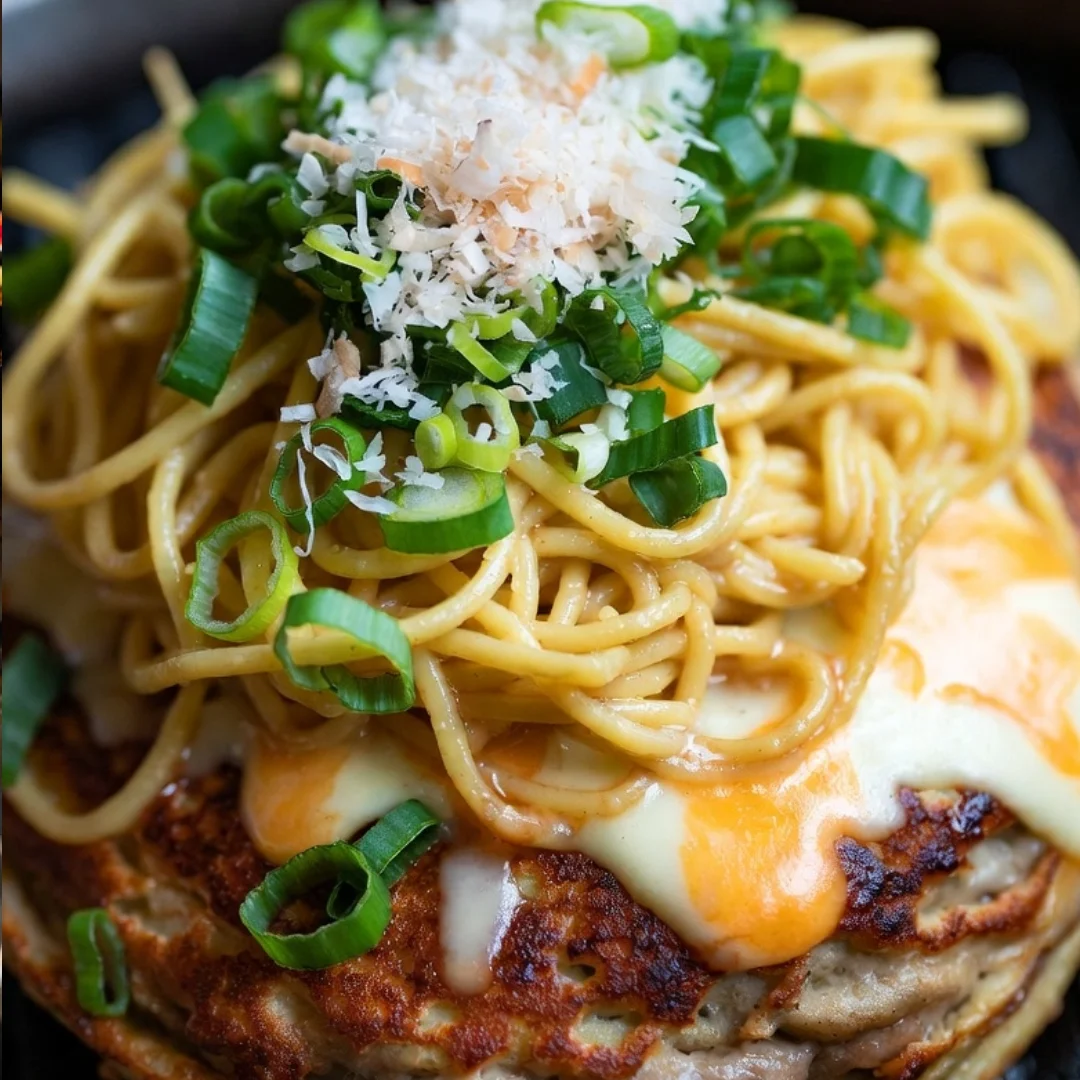
Hiroshima-style okonomiyaki with noodles
⛩️

Hiroshima

Home to a unique style of okonomiyaki with noodles. Hiroshima-style okonomiyaki is layered, not mixed, and includes yakisoba noodles for extra texture.

Must-try: Hiroshima-style okonomiyaki – a savory pancake layered with cabbage, bean sprouts, pork, noodles, and a fried egg, topped with sweet sauce.

🥞 Okonomiyaki 🍜 Yakisoba noodles 🥚 Layered style 🦪 Hiroshima oysters
✈️ Travel Tip

Visit Okonomimura ("Okonomi Village") – a 3-floor building with 24 okonomiyaki stalls in Hiroshima city center!

🦪

Pro tip: Hiroshima is also famous for its oysters (kaki). Try them grilled, fried, or in a hot pot — they're in peak season from October to March.

❓ Frequently Asked Questions About Japanese Cuisine

What is Washoku?

Washoku is traditional Japanese cuisine, recognized by UNESCO as an Intangible Cultural Heritage. It emphasizes seasonal ingredients, balanced nutrition (one soup, three dishes), and beautiful presentation.
 

Is Japanese food healthy?

Generally, yes. Japanese cuisine is rich in fish, seaweed, vegetables, and fermented foods like miso and natto. It’s typically low in saturated fats and high in omega-3s, fiber, and antioxidants.
 

What is the difference between sushi and sashimi?

Sushi refers to vinegared rice served with various toppings (such as raw fish, vegetables, and egg). Sashimi is simply thinly sliced raw fish or seafood served without rice.

🗾 Which Japanese region would you visit first for its food? Share your dream culinary destination below!