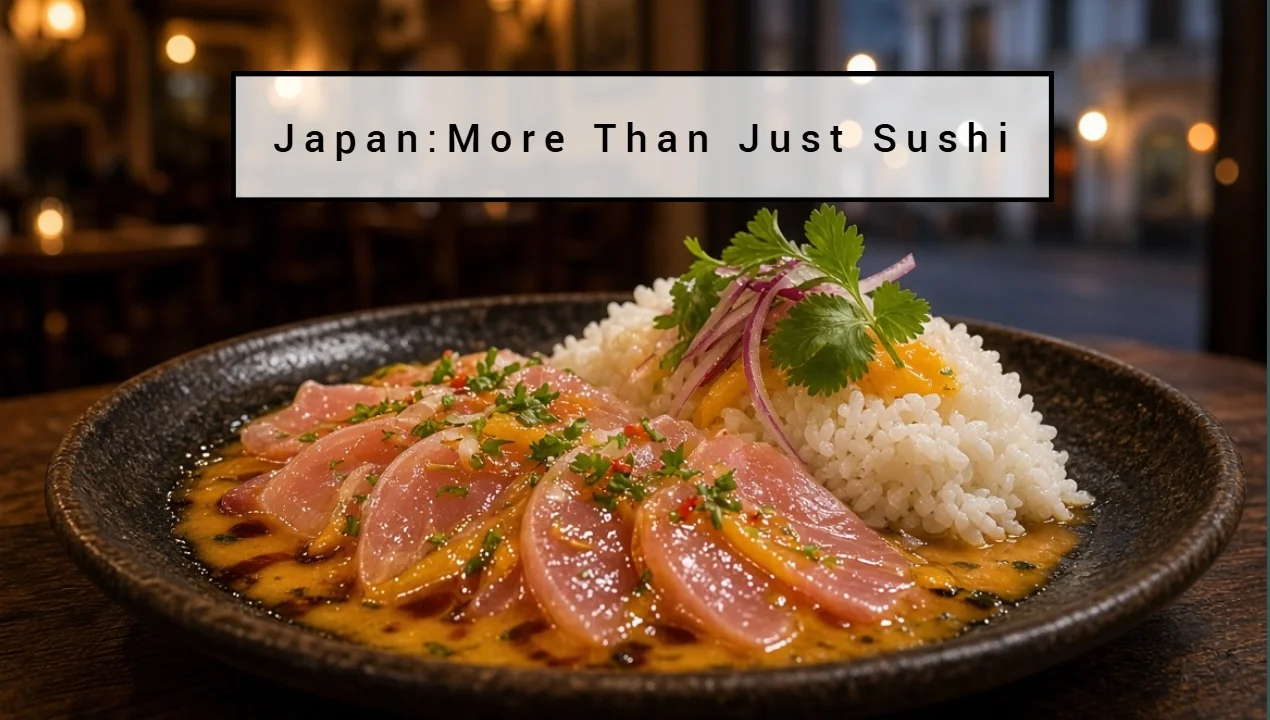
Traditional Japanese rice dishes – When most people think of Japanese food, they picture a single slice of salmon nigiri. But ask anyone in Japan what they eat every day, and the answer is simpler—and far more delicious: rice.
- 🍚 The Foundation: A Guide to Traditional Japanese Rice Dishes
- Top 10 Traditional Japanese Rice Dishes
- Cultural significance: of Japanese rice dishes
- Trending Now: Modern & Seasonal Twists
- The Washoku Way: Health, Harmony & Philosophy
- The Washoku Etiquette Protocol
- 🍚 Traditional Japanese Rice Dishes: Every Grain Tells a Story
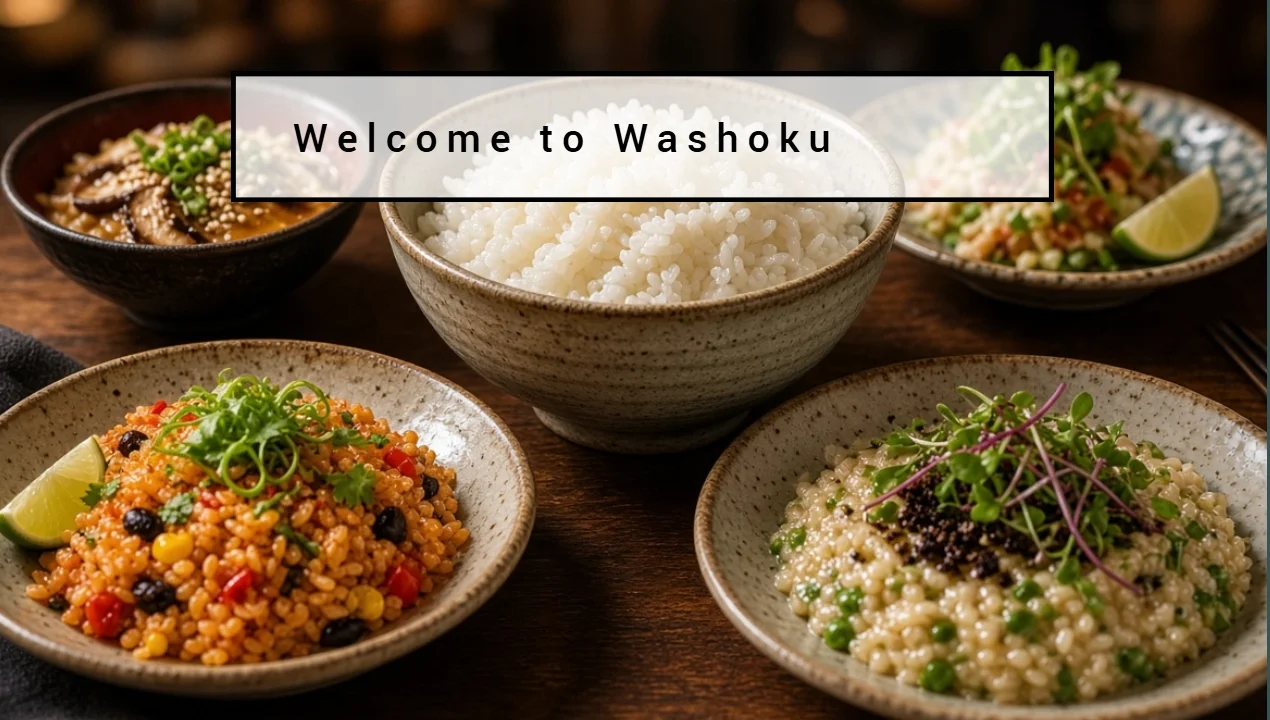
In Japanese, gohan (ご飯) means both “cooked rice” and “a meal.” That’s no coincidence. For over 2,000 years, rice has been the heart of Washoku (和食) — Japan’s UNESCO-recognized traditional food culture — a philosophy built on seasonality, balance, and gratitude in every bite.
From the comforting simplicity of ochazuke (green tea over rice) to the crispy, savory magic of chahan (Japanese fried rice) — Japan’s #1 most-loved rice dish — these meals tell the story of a culture that turns humble ingredients into art.
In this guide, you’ll discover:
🍣 The timeless classics — sushi, donburi, onigiri, and more
🌸 The modern twists — cold summer rice, Neo-Washoku fusion, and global adaptations
🥢 The etiquette, health benefits, and travel tips that make every bowl meaningful
Whether you’re a curious home cook or a traveler chasing authentic flavors, this is your complete beginner’s guide to Japan’s most beloved comfort food.
Let’s start with the grain that started it all.
🍚 The Foundation: A Guide to Traditional Japanese Rice Dishes
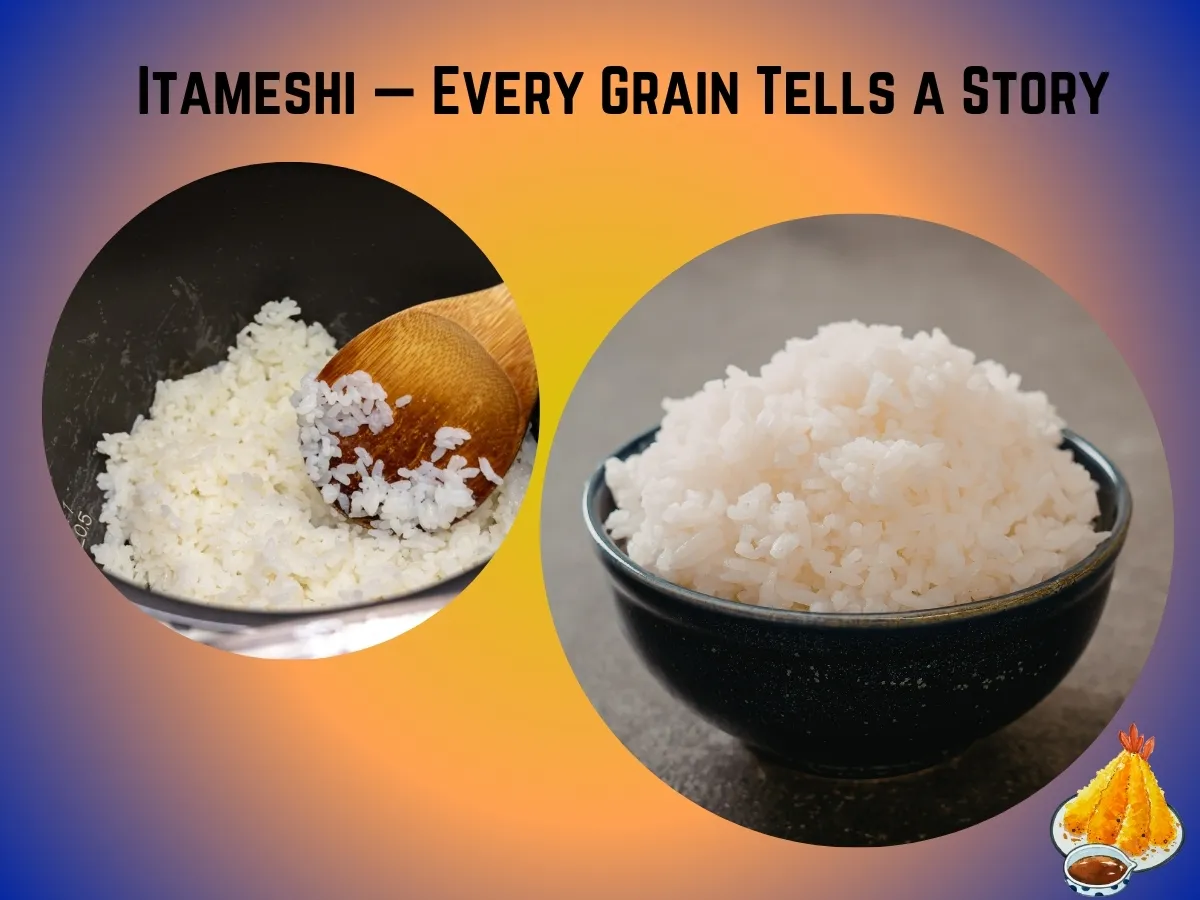
Great rice dishes start with the right grain. Koshihikari offers premium sweetness; Calrose is the accessible everyday choice. Rinse until water runs clear, then cook at a 1:1.1 rice-to-water ratio. For authentic texture, use a donabe clay pot.
Top 10 Traditional Japanese Rice Dishes
From sushi to curry rice — the comforting dishes that define Japan's rich rice culture.
Sushi
Seasoned vinegared rice (shari) paired with fresh seafood (neta). The iconic staple and world-famous ambassador of Japanese cuisine.
Onigiri
Hand-formed rice balls wrapped in crisp nori. Filled with savory elements like salted salmon, pickled plum, or tuna mayo—a daily staple and snack.
Donburi (Rice Bowls)
A hearty bowl of rice topped with simmered meats, eggs, or fried cutlets. Iconic varieties include Gyudon (beef), Katsudon (pork cutlet), and Oyakodon (chicken & egg).
Japanese Curry Rice
A beloved national comfort food. Thicker, sweeter, and milder than Indian or Thai curries, served generously over a mound of warm sticky rice.
Chahan (Fried Rice)
A house favorite. Uniquely Japanese due to its soft short-grain texture, seasoned simply with soy sauce, dashi powder, and sesame oil for an umami flavor.
Ochazuke
Hot green tea or seasoned dashi poured over a bowl of rice. A soothing, restorative dish frequently enjoyed as a quick late-night meal.
Kamameshi
Rustic iron-pot cooked rice steamed together with seasonality-focused toppings like mushrooms, chicken, and root vegetables, creating delicious crusty rice at the bottom.
Sekihan (Red Rice)
Sticky glutinous rice steamed with red adzuki beans. The beans tint the rice a celebratory pinkish-red, traditional for birthdays, weddings, and milestones.
Takikomi Gohan
A home-cooked favorite where uncooked rice is seasoned with dashi, soy sauce, and mirin, then simmered together with seasonal ingredients like mushrooms and carrots.
Omurice
A beloved Western-influenced dish (Yoshoku) featuring pan-fried chicken-and-ketchup rice wrapped inside a soft, fluffy omelet blanket.
Cultural significance: of Japanese rice dishes
Regional Diversity
From Hokkaido’s world-class seafood to the refined Kyoto Kaiseki influence, every region adapts Itameshi to showcase Japan’s seasonal bounty and heritage.
Cultural Roots
Itameshi reflects deep connections with global trade and Buddhist vegetarianism. It is a curated journey of seasonal traditions shaped by centuries of cultural exchange.
Dining Etiquette
Experience the concept of Omotenashi—heartfelt hospitality. Master the finesse of chopsticks and the traditional sign of noodle-slurping enjoyment.
Health & Balance
By prioritizing seasonal ingredients and mindful portions, Itameshi balances Mediterranean nutrition with Japanese precision to promote long-term well-being.
Pop Culture Icon
From “Jiro Dreams of Sushi” to the literary depth of Yoshimoto’s “Kitchen,” Itameshi is celebrated as a high-art form in modern cinema and literature.
Trending Now: Modern & Seasonal Twists
"Cooling Rice" (Hiyashi Gohan)
Beat the heat with refreshing dishes like chilled green tea Cold Ochazuke and crisp Summer Vegetable Cold Curry over cool short-grain rice—a viral summer staple.
Neo-Washoku Evolution
Discover how traditional Japanese rice adapts globally, from citrusy Nikkei Cuisine innovations in Peru to iconic food-culture hits like the crisp Katsu Sando in LA.
Onigirazu & Yaki-Onigiri
Modern fast-casual twists are reimagining classic rice balls—from borderless sushi sandwiches (Onigirazu) to crispy, butter-shoyu glazed grilled rice cakes.
Plant-Based Donburi
Next-gen Japanese comfort bowls feature soy-protein Unagi, mushroom-dashi glazed cutlets, and seasonal root vegetable toppings redefining sustainable dining.
The Washoku Way: Health, Harmony & Philosophy
Lean Proteins
Emphasis on fresh wild seafood, tofu, and steamed white meats provides clean protein, low in saturated fats and rich in omega-3 fatty acids.
Fermented Foods
Staples like probotic-rich Natto, miso paste, and tsukemono (pickled vegetables) support digestive vitality and natural immune defenses.
Ocean Seaweed
Incorporate mineral-dense Nori, Wakame, and Kombu for essential iodine, trace minerals, and deep umami without added sodium or calories.
Ichiju-Sansai
The principle of “One Soup, Three Sides” ensures balanced nutrition, color harmony, and natural portion control at every single meal.
The Washoku Etiquette Protocol
| Dining Custom | The Etiquette Protocol |
|---|---|
| Chopstick Etiquette | Avoid pointing, passing food directly, or sticking hashi upright in rice. Use a designated rest (hashioki) when not in use. |
| Slurping Noodles | Perfectly acceptable and encouraged! Slurping indicates you are enjoying the flavors and showing appreciation to the chef. |
| Soy Sauce Usage | Dip the fish side (neta) rather than the rice (shari). Use sparingly to keep delicate flavors balanced. |
| Wasabi Placement | Add a small amount to the dish or mix with soy sauce. Avoid placing a large glob directly on the fresh fish. |
| Order & Sharing | Family-style sharing is common. Be mindful of portions to ensure everyone at the table gets to taste every dish. |
| Omotenashi | Experience the deep commitment to hospitality through attentive service and a welcoming atmosphere. |
| Silent Enjoyment | Practice moments of quiet appreciation to fully savor the textures and complex flavors of the meal. |
| Express Gratitude | End the meal by saying "Gochisosama deshita" (Thank you for the meal) to show respect to the staff and chefs. |
| No Tipping | Tipping is uncommon and can sometimes be viewed as rude. Exceptional service is the standard in Japan. |
| Footwear Etiquette | Remove shoes before entering traditional establishments. Look for provided indoor slippers. |
| Pouring Drinks | Pour for your companions and allow them to reciprocate. Hold your glass slightly when someone pours for you. |
| Group Harmony | Wait for everyone to receive their dish before starting, and try to match the group's eating pace. |
📍 Practical Guide: Where to Eat & How to Cook Japanese Rice Dishes
🇯🇵 For Travelers: Where to Eat These Dishes in Japan
You don't need expensive reservations to eat incredible rice dishes in Japan. Knowing where to look based on your schedule and budget makes all the difference:
| Venue Type | Where to Find It | What to Get | Pro Tip / Budget |
|---|---|---|---|
| Conbini (Convenience Stores) |
7-Eleven, Lawson, FamilyMart (Every street corner) | Onigiri (Spicy cod roe, tuna mayo, salmon) & microwaveable Donburi bowls | ¥120–¥200 per onigiri. Look for pull-tab wrappers that keep the nori seaweed crisp until opened. |
| Depachika (Department Store Basements) |
Isetan (Shinjuku), Daimaru (Tokyo/Osaka Stations), Mitsukoshi (Ginza) | Premium Bento, Chirashi Sushi, grilled eel (Unagi) over rice | ¥800–¥2,500. Visit after 7:00 PM for steep discounts (Waribiki stickers up to 50% off). |
| Gyudon Chains (Beef Bowl Shops) |
Yoshinoya, Sukiya, Matsuya (Nationwide, 24/7) | Gyudon (Thinly sliced beef & onions over rice with soft-boiled egg) | ¥400–¥700. Fast, filling, and orderable via multilingual touchscreens or ticket machines. |
| Ramen Shops & Machi-Chuka | Neighborhood Chinese-Japanese diners nationwide | Chahan (Japanese Fried Rice), served with a side of soup | ¥600–¥900. Best paired as a "Hanten Set" (Half ramen + half Chahan combo). |
| Yatai & Food Markets | Tsukiji Outer Market (Tokyo), Kuromon Market (Osaka), Tenjin Yatai (Fukuoka) | Seafood Donburi (Kaisen-don), Takoyaki, Yaki-Onigiri (grilled rice balls) | ¥1,000–¥3,000. Bring cash in small bills; avoid walking while eating in crowded aisles. |
- No Tipping: Excellent service is included; leaving money on the table will cause staff to run after you to return it.
- Chopstick Care: Never stick chopsticks vertically into a bowl of rice (resembles funeral rites) or pass food chopstick-to-chopstick.
- Slurping: Slurping soup or noodle-rice combos is encouraged—it cools down hot food and enhances aroma.
🍳 For Home Cooks: Classic Japanese Fried Rice (Chahan)
Unlike Western-style Chinese fried rice, Chahan is seasoned lightly with soy sauce, salt, white pepper, and a touch of sesame oil, letting the egg and rice take center stage. The secret to success is using cold, day-old cooked short-grain rice.
⏱ Prep time: 10 mins | Cook time: 5 mins | Servings: 2
- 3 cups day-old cooked short-grain Japanese rice (cold)
- 2 large eggs, beaten
- 1/2 cup diced cooked pork belly (chashu), bacon, or ham
- 2 stems scallions/green onions, finely chopped
- 1 tbsp neutral oil (vegetable or canola)
- 1 tsp soy sauce (poured around the pan edge)
- 1/2 tsp toasted sesame oil
- Salt and white pepper to taste
- Prep Rice: Gently break up cold rice with your hands or a spatula so there are no massive clumps.
- Scramble Egg: Heat neutral oil in a wok or large skillet over high heat until smoking. Add beaten eggs; immediately pour cold rice directly on top while eggs are still soft.
- Stir-Fry High & Fast: Toss rapidly for 2–3 minutes, using a cutting motion to separate grains and coat them with egg.
- Add Meat & Seasoning: Stir in diced pork/bacon and scallions. Season with salt and white pepper.
- The Soy Sauce Trick: Drizzle soy sauce along the scorching hot sides of the pan (not directly on the rice) so it caramelizes instantly before stirring it through.
- Finish: Drizzle sesame oil, give a final quick toss, and serve hot in a bowl.
🇬🇧 London, UK (Diaspora Excellence)
| Neighborhood | Restaurant Examples | What to Order |
|---|---|---|
| Soho | Kanada-Ya (ramen), Koya (udon + rice bowls) | Ramen, donburi, onigiri |
| Marylebone | Hiro (sushi), Dinings SW3 (Japanese tapas) | Sushi, small plates, chahan (fried rice) |
| King's Cross | Eat Tokyo (multiple locations, affordable) | Bento boxes, donburi, tempura rice bowls |
🇵🇪 Lima, Peru (Unexpected Japanese Fusion – Nikkei Cuisine)
| Neighborhood | Restaurant Examples | What to Order |
|---|---|---|
| Miraflores | Maido (World's 50 Best Restaurants), Osaka Pisco & Nikkei | Nikkei sushi, arroz con mariscos (Peruvian-Japanese rice with seafood) |
| Barranco | Saha (casual Nikkei), Isolina (Japanese-Peruvian fusion) | Tuna tataki over rice, causa (layered potato + seafood with sushi rice) |
| San Isidro | Hanzo (affordable Nikkei) | Nikkei donburi, ceviche on rice (arroz con pescado) |
🍚 Traditional Japanese Rice Dishes: Every Grain Tells a Story
From humble onigiri to elegant donburi, traditional Japanese rice dishes prove that simplicity is the highest form of culinary art. Rooted in Washoku philosophy and now reimagined through Neo-Washoku creativity, these traditional Japanese rice dishes keep evolving —from Tokyo's clay pots to Lima's Nikkei kitchens.
Whether you're slurping ochazuke or frying perfect chahan, every bowl carries centuries of gratitude. So grab your donabe, say itadakimasu, and taste the story — one grain at a time.
Join the Conversation