10 Nutrient-Rich Spices:
A Global Culinary & Wellness Guide
Transform everyday meals into vibrant, aromatic creations while celebrating centuries of traditional food culture.
🌿 1. Turmeric
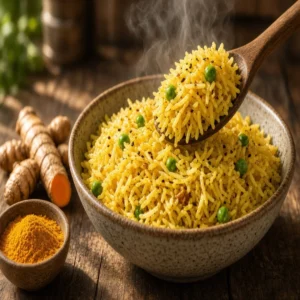
Turmeric is celebrated worldwide not just for its subtle health attributes, but for its intense golden color, warm earthy flavor, and immense culinary versatility. It provides the visual and aromatic anchor for countless curries, grain dishes, and spiced broths.
Try it in: Steamed basmati rice, roasted root vegetables, hearty winter soups, scrambled eggs, and traditional curries. You can also incorporate it into soothing warm beverages like a classic turmeric tea.
Culinary Insight: While active compounds like curcumin are widely studied in research reviews regarding metabolic health, incorporating turmeric into daily cooking is primarily a wonderful way to build natural depth and vibrant color into whole-food recipes.
🫚 2. Ginger
With its sharp, zesty kick, ginger bridges the gap between sweet and savory applications across global kitchens. Knowing when to use fresh rhizomes versus dried powder unlocks totally different flavor dynamics:
- Fresh Ginger: Essential for high-heat stir-fries, tangy marinades, fresh sauces, and immune-supporting ginger teas.
- Dried Powdered Ginger: Delivers concentrated warmth ideal for baking, spice rubs, and Mediterranean fusion glazes.
From Asian wok dishes to Mediterranean-inspired marinades, ginger adds a refreshing sharpness that brightens heavier proteins and slow-cooked stews.
🪵 3. Cinnamon
Cinnamon holds remarkable content potential because it seamlessly crosses breakfast staples, rich desserts, warm beverages, and complex savory cooking across diverse cultures.
Everyday & Global Uses:
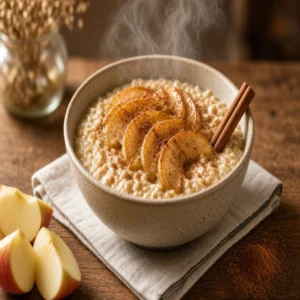
- Breakfast & Sweets: Dust over morning oatmeal, baked apples, greek yogurt, or fresh coffee grounds before brewing.
- Savory Traditions: A key component in Moroccan tagines, Middle Eastern spiced rice dishes, and slow-simmered meat stews where it adds subtle aromatic warmth without overwhelming sweetness.
🧄 4. Garlic
Garlic is an indispensable foundation in nearly every savory culinary tradition on Earth, adding pungency when raw and mellow sweetness when slow-roasted or sautéed.
How to use garlic without overpowering a dish:
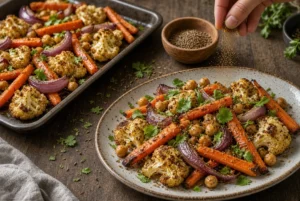
To avoid harsh, sharp notes, gently crush whole cloves and infuse them into warm olive oil before removing them, or cook minced garlic slowly on low heat alongside mild aromatics like purple onions in traditional cooking. Roasting whole heads in the oven mellows garlic into a spreadable, nutty paste perfect for sauces.
🌱 5. Cumin
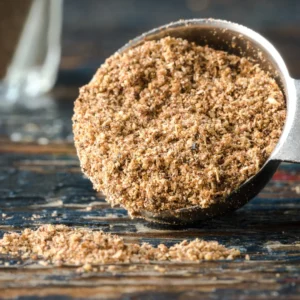
Earthy, nutty, and distinctly aromatic, cumin is the spice that distinguishes true regional cooking from generic recipes. It provides an immediate sense of place and authenticity.
Cultural Connections:
- Mexico & Latin America: Essential for taco seasonings, marinades, and slow-cooked bean dishes.
- India & South Asia: Tempered in hot oil (*tadka*) to bloom before being mixed into dals and curries.
- Middle East & North Africa: The backbone of falafel, spice rubs, and roasted vegetable glazes.
🖤 6. Black Pepper
Far more than a passive table condiment alongside salt, freshly cracked black pepper is a dynamic spice capable of changing the entire character of a plate.
Containing essential oils that dissipate quickly once ground, using freshly cracked peppercorns provides a sharp, piney heat that cuts through rich fats, enhances fresh salads, and adds complexity to hot soups like classic Thai Tom Yum soup.
🌶️ 7. Paprika
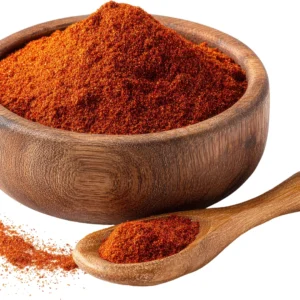
Ground from dried capsicum peppers, paprika offers a fascinating food, travel, and cultural story through its distinct European traditions:
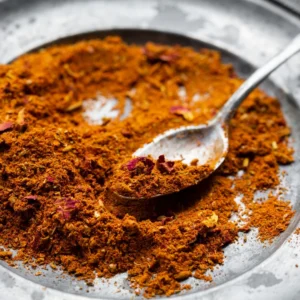
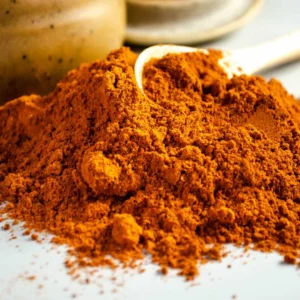
- Hungarian Paprika: Famous for its sweet, bright, and deeply fiery red notes essential for authentic goulash.
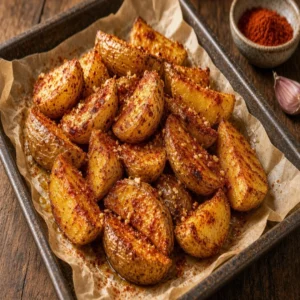
- Spanish Paprika (Pimentón): Oak-smoked during drying, offering a rich, wood-fired smoky flavor profile that elevates roasted potatoes, eggs, and grilled chicken.
🍃 8. Oregano
Robust and herbal, oregano is synonymous with Mediterranean sunshine and coastal cooking. Unlike many soft herbs, oregano holds its flavor brilliantly when dried.
Best Culinary Pairings:
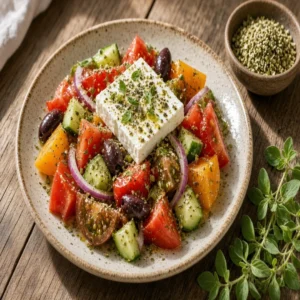
It has a natural affinity for tomato-based sauces, roasted summer vegetables, fresh feta cheese, and Greek or Italian salad dressings. Crumble whole dried leaves over warm dishes right before serving to release its aromatic oils.
🌲 9. Rosemary
Piney, resinous, and deeply aromatic, rosemary is a staple for Mediterranean kitchens. Its sturdy needles withstand long cooking times, slow roasting, and high-heat grilling.
The Ultimate Simple Combination: Toss rustic potato wedges and root vegetables with extra virgin olive oil, minced fresh rosemary, sea salt, and cracked pepper before roasting at high heat until golden and crispy.
🍂 10. Cloves
Rounding out our list, cloves introduce a powerful, sweet-spicy flavor profile that must be used with a light touch.
Versatile Applications:
Equally at home in sweet holiday baking and warm spiced ciders as they are in savory Middle Eastern rice pilafs, Indian garam masala blends, and slow-simmered meat dishes. Pairing small amounts of cloves with complementary herbs creates balanced, deeply satisfying meals—much like exploring the routine benefits of natural wellness staples such as celery juice in daily routines.


May 21, 2026 at 9:10 amEthiopian coffee is already legendary for its bright, floral, and complex flavor profiles, but experiencing it alongside traditional spices takes it to a whole new level! The pairing of a rich, dark brew poured from a classic clay jebena with the subtle warmth of spices like cardamom, cloves, or even a touch of ginger completely transforms the cup.