Implementing a low oxalate diet plan can be a powerful nutritional approach for individuals managing kidney stones, oxalate sensitivity, or specific digestive concerns. While oxalates are naturally occurring compounds found in many healthy plant foods, an excessive intake can contribute to mineral imbalances and crystal formation in sensitive individuals.
- The Low-Oxalate Diet
-
Low-Oxalate Diet Plan: Common Mistakes FAQ
-
- Should I completely eliminate all high-oxalate fruits and vegetables?
- Why is it a mistake to ignore calcium intake on this diet?
- How does hydration impact the effectiveness of a low-oxalate plan?
- What is "Oxalate Dumping" and why should I transition slowly?
- Why do different food lists show different oxalate levels?
- Join Our Foodie Community
-
By learning which foods to limit and how to balance nutrients effectively, a well-structured low oxalate diet plan can support long-term kidney health without the need for extreme restriction. Ultimately, the goal of a sustainable low oxalate diet plan is to empower you to make informed food substitutions that protect your body while ensuring you still enjoy a diverse and nutrient-dense menu.
The Low-Oxalate Diet
A strategic approach to kidney health, metabolic balance, and mineral absorption.
What are Oxalates?
Oxalates (oxalic acid) are naturally occurring compounds found in many plant-based foods. While generally harmless, a low-oxalate diet is a critical intervention for those with kidney stones, oxalate sensitivity, or digestive concerns.
Kidney Stone Risks
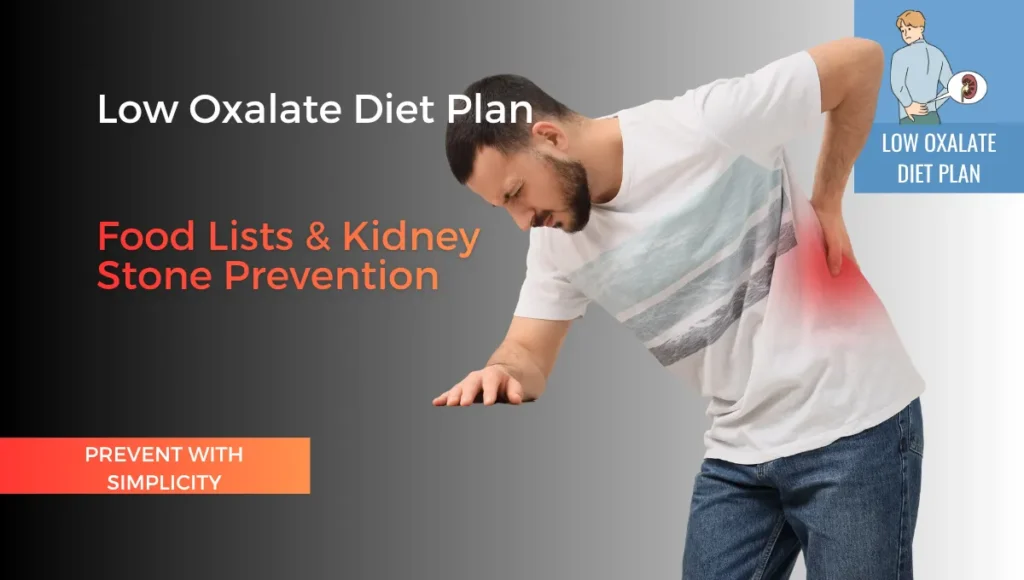
Calcium oxalate stones are the most common kidney stones. When oxalates bind with calcium in the kidneys, they form crystals that lead to severe back pain and urinary discomfort.
Mineral Binding
Oxalates act as "anti-nutrients" by binding to Calcium, Magnesium, and Iron in the gut, potentially leading to mineral deficiencies if intake is not managed.
The Gut Microbiome
Specific bacteria like Oxalobacter formigenes degrade oxalates. Antibiotic use or flora imbalance can reduce these bacteria, increasing oxalate absorption.
Tissue Deposition
In rare cases (oxalosis), oxalates can deposit in joints and tissues, causing inflammation similar to gout or widespread tissue damage.
The "Binding" Strategy
A successful plan relies on Adequate Calcium Intake. When you eat calcium-rich foods (dairy or fortified milks) alongside oxalate-containing foods, they bind in the digestive tract before reaching the bloodstream.
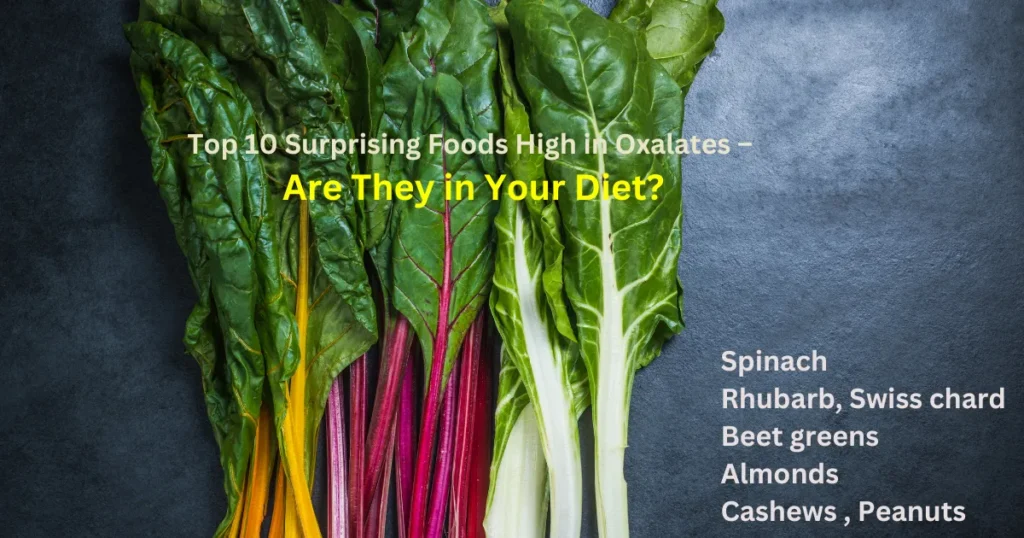
⚠️ Oxalate Rich Foods List - Try to Avoid
| Food Item | Group | Highlights | Considerations |
|---|---|---|---|
| Spinach | Leafy Green | Iron, Folate, Vit K | Very High Oxalates |
| Rhubarb | Vegetable | Fiber, Vitamin C | High Oxalate Levels |
| Swiss Chard | Leafy Green | Magnesium, Vit A | Eat in Moderation |
| Beet Greens | Leafy Green | Calcium, Iron | Extremely High |
| Almonds | Nut | Healthy Fats, Vit E | Moderate-High |
| Cashews | Nut | Zinc, Magnesium | Portion Control |
| Peanuts | Legume | Protein, Niacin | Sensitivity Alert |
| Soy (Tofu) | Plant Protein | Plant Protein | Check Prep Method |
| Wheat Bran | Whole Grain | Insoluble Fiber | Mineral Interference |
| Bran Flakes | Cereal | Dietary Fiber | Check Brand/Label |
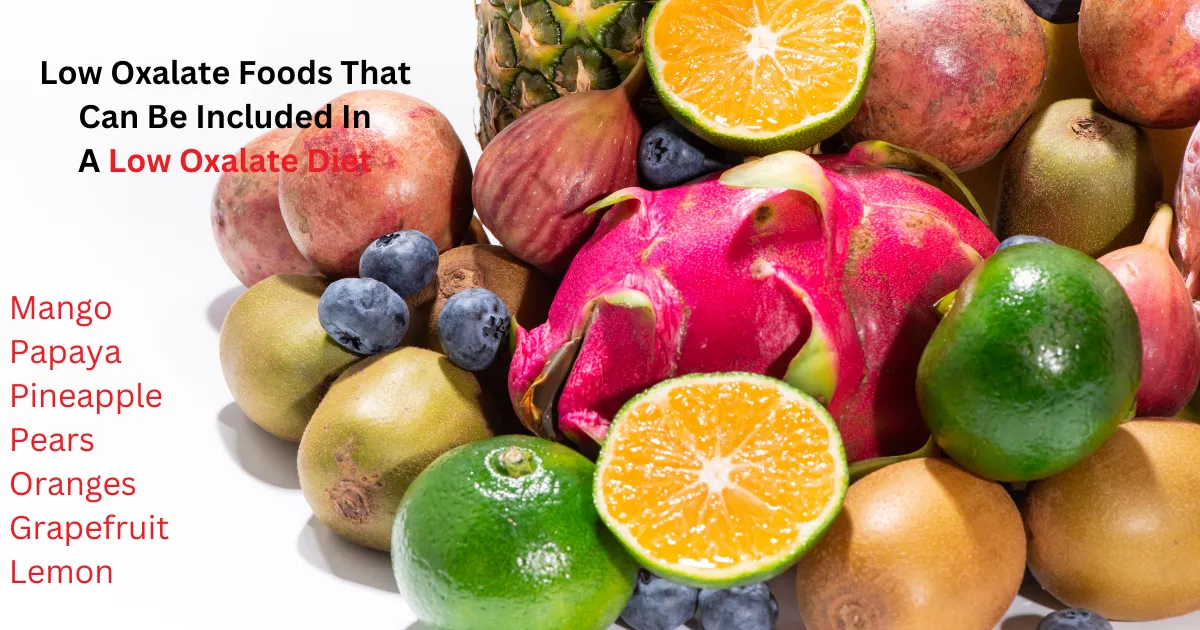
✅ Low Oxalate Foods to Include in a Low Oxalate Diet Plan
| Food Item | Category | Highlights | Health Benefits |
|---|---|---|---|
| Cauliflower | Vegetable | Vitamin C, Fiber | Supports Immunity |
| Broccoli | Vegetable | Folate, Fiber | Heart-Healthy |
| Cabbage | Vegetable | Antioxidants | Detox Support |
| Carrots | Vegetable | Vitamin A | Eye Health |
| Cucumber | Vegetable | Water, Vit K | Skin Hydration |
| Green beans | Vegetable | Fiber, Vit C | Blood Sugar Balance |
| Lettuce | Leafy Green | Water, Folate | Easy to Digest |
| Onions | Vegetable | Quercetin | Anti-inflammatory |
| Potatoes | Starchy Veg | Potassium | Energy Support |
| Tomatoes | Fruit (Culinary) | Lycopene, Vit C | Antioxidant-Rich |
| Zucchini | Vegetable | Vitamin A | Low-Carb |
| Apples | Fruit | Fiber, Vit C | Gut Health |
| Berries | Fruit | Antioxidants | Anti-inflammatory |
| Bananas | Fruit | Potassium, B6 | Muscle Support |
Low-Oxalate Diet Plan: Common Mistakes FAQ
Expert tips to help you balance your nutrition while protecting your kidney health.
Should I completely eliminate all high-oxalate fruits and vegetables?
No. One of the biggest mistakes is over-restriction. Total elimination can lead to deficiencies in fiber, vitamins, and antioxidants. Instead, focus on substitution—choosing low-oxalate alternatives rather than removing entire food groups.
Why is it a mistake to ignore calcium intake on this diet?
Calcium is a critical "binder." It attaches to oxalates in the gut, preventing them from being absorbed into your bloodstream. Avoiding dairy or calcium-rich foods actually increases your risk of kidney stones because more oxalate reaches your kidneys.
How does hydration impact the effectiveness of a low-oxalate plan?
Even the best diet plan fails without proper hydration. Water is essential to flush oxalates from the urinary system. Without consistent fluid intake throughout the day, oxalates are more likely to crystallize and form stones.
What is "Oxalate Dumping" and why should I transition slowly?
Transitioning too quickly can trigger "oxalate dumping" symptoms in sensitive individuals as the body rapidly releases stored oxalates. Gradual changes allow your body to adapt safely and support long-term sustainability.
Why do different food lists show different oxalate levels?
Oxalate levels vary based on portion size, food variety, and preparation methods. Relying on outdated or inaccurate lists causes confusion. Always use reliable, up-to-date resources or consult a nutrition professional to ensure your plan is safe and balanced.

Join Our Foodie Community
Discover traditional flavors & the latest cuisine trends.