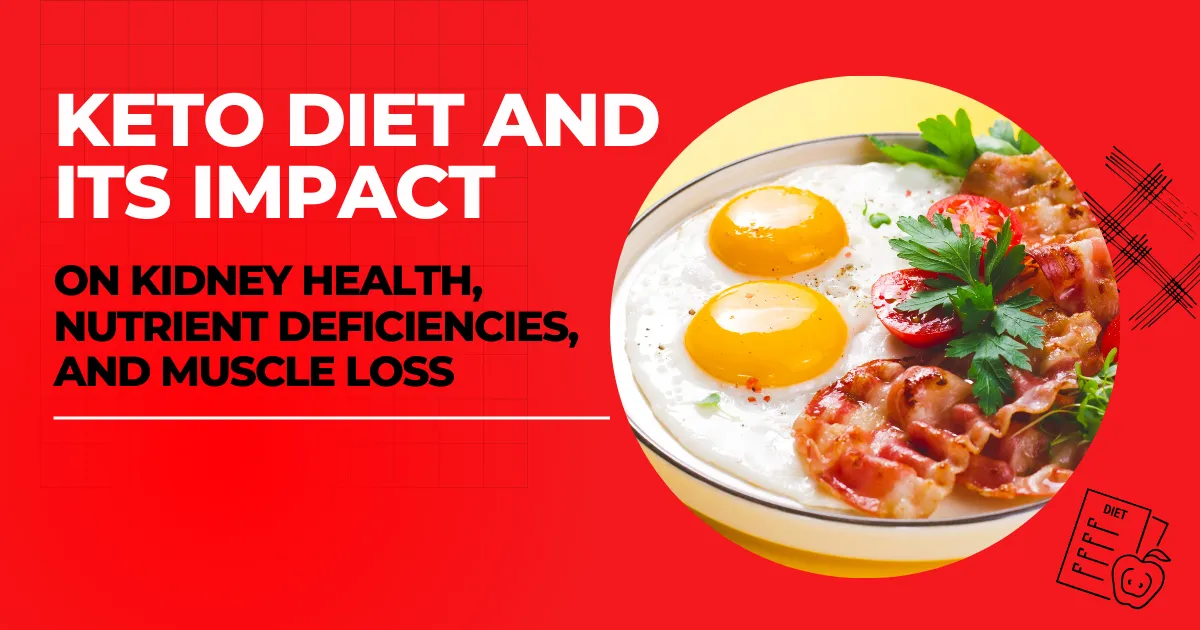
Understanding how many carbs you can have on keto is crucial for achieving and maintaining ketosis, the metabolic state that allows your body to burn fat for fuel. By finding the right balance of carbs, you can still enjoy a wide variety of foods while reaping the benefits of the keto lifestyle.
- Beyond the Buzz: Unveiling the Keto Diet's Long-Term Health Impact
- Final Thoughts: Mastering the Balanced Keto Lifecycle
In this article, we will explore the concept of carbohydrate intake on the keto diet, discuss the recommended daily carbohydrate limit, and provide tips on choosing the best carbohydrate sources to support your ketogenic journey.One of the core principles of the Ketogenic diet is keeping carbohydrate intake extremely low – less than 30~ 50 grams per day.
Zero-carbohydrate foods can help lower blood sugar, manage blood pressure, and increase good cholesterol levels. It can also be an effective diet for weight loss, which is another way to manage your diabetes effectively
Keeping carbs low is the key to success in the keto diet. When carb intake is too high, we cannot enter
ketosis and experience the unique benefits of keto)
Beyond the Buzz: Unveiling the Keto Diet’s Long-Term Health Impact
Quick Verdict: Is the Keto Diet Right for You?
✅ BEST FOR
- ⚡ Rapid initial weight loss
- 🩸 Blood sugar control / Type 2 diabetes
- 🧠 Epilepsy management (clinically proven)
- 🍽️ Appetite suppression
- 🔄 Breaking weight loss plateaus
❌ RISKY FOR
- 🩺 Kidney disease or history of stones
- 🍽️ History of eating disorders
- 🏃 High-performance athletes
- 🦴 Osteoporosis risk (low calcium)
- 💊 Diabetics on insulin/medication (needs supervision)
%20carb%20foods.webp)
If the body does not need to use the carbs for energy immediately after a person eats them, it stores them in the muscles and liver for later use. However, if the body does not use these stored carbs, it converts them to fat.
The Zero-Carb & Low-Carb Pantry
Processed: Salami Sausages Bacon Ham
Dairy: Eggs, Cheese, and Yogurt.
The Protein Showdown: Lean vs. Fatty

The Keto Nutrient Deficiency & Recovery Guide
⚠️ Common Deficiencies on Keto
- ❌ Vitamin C – Lower fruit intake impacts immunity
- ❌ Potassium & Magnesium – Critical minerals lost via ketosis
- ❌ Fiber – Lack of grains causes digestive discomfort
- ❌ Calcium & Vit D – Reduced dairy affects bone density
- ❌ B Vitamins – Whole grain removal lowers B-complex intake
🛠️ Nutritional Recovery Strategy
- ✅ Leafy Greens – Spinach, kale, bell peppers
- ✅ Electrolyte Support – Avocados, seeds, bone broth
- ✅ Absorption – Olive oil + fatty fish for fat-soluble vitamins
- ✅ Supplementation – Targeted Magnesium and B-complex as needed
📉 Long-Term Implications
- 🛡️ Immune Weakness – From antioxidant depletion
- 🦴 Bone Health – Long-term osteoporosis risk
- 💪 Muscle Issues – Chronic cramping and fatigue
The Keto Muscle Preservation Guide
| Muscle Health Question | Analysis & Strategy |
|---|---|
| Does keto cause muscle loss? |
Yes, if not properly managed. The physiological shifts on keto can impact mass through:
The Fix: 0.8–1.2g protein per lb of lean mass
|
| How to prevent muscle loss? |
|
| Long-term implications? |
Pro Tip: Maintain a high-protein intake, track your muscle mass, and use targeted keto if you are physically active. |
The Balanced Keto Protocol
| Domain | The Wellness Strategy |
|---|---|
|
🚀
CONCLUSION
|
The keto diet is a powerful tool for fat loss and metabolic health, but success relies on striking a balance. Without focus on hydration and protein, risks like kidney stress and muscle loss can occur.
Maximize benefits. Minimize risks. Sustainable results. 💪🥑
|
FAQ - Unveiling the Keto Diet's Long-Term Health Impact
| Question | Expert Answer |
|---|---|
| Does the keto diet cause hair loss? | Temporary hair loss may occur due to rapid weight loss or nutrient shifts. Prioritize protein, biotin, and essential vitamins to minimize this effect. |
| Can keto help with cancer management? | Research suggests ketosis may limit glucose for cancer cells, potentially supporting treatment. Always consult a medical professional for guidance. |
| How accurate are keto urine strips? | Helpful for beginners, but accuracy decreases as the body adapts. Blood ketone meters are recommended for long-term precision. |
| What are some quick keto meals? | Scrambled eggs with avocado, grilled chicken salad, zucchini noodles with pesto, or lettuce-wrapped burgers. |
| Is quinoa allowed on keto? | Generally no, as it is high in carbs. Small portions may fit into a "Targeted Keto" plan but should be eaten sparingly. |
| What does urine color indicate? | Darker urine usually indicates dehydration. Aim for light yellow. Ketones can sometimes subtly alter the shade. |
| Are keto energy drinks safe? | Safe if sugar-free. Look for options with electrolytes, green tea extract, or MCT oil for a cleaner energy boost. |
| Are protein bars good for keto? | Convenient, but check labels. Aim for 3–4g net carbs, high protein, and healthy fats while avoiding hidden sugars. |
| Can vegetarians follow keto? | Absolutely. Vegetarian keto is possible with eggs, tofu, tempeh, nuts, seeds, and low-carb vegetables. |
| What is the max carb intake? | Most plans recommend 20–50g of net carbs daily, depending on your individual activity level and metabolic rate. |
Final Thoughts: Mastering the Balanced Keto Lifecycle
Achieving long-term success on a ketogenic diet requires more than just tracking macros; it demands a deep focus on micronutrient density to prevent common physiological stressors. Many beginners overlook the importance of mineral replenishment, which often leads to identifying magnesium deficiency symptoms keto followers frequently report, such as muscle cramps, restless sleep, and persistent fatigue. By proactively incorporating calcium rich non dairy keto foods like sardines, almonds, and dark leafy greens, you can safeguard your bone health and maintain optimal nerve function without relying on high-carb dairy options.
To thrive, you must listen to your body’s signals. If you begin to notice magnesium deficiency symptoms keto-related—like sudden irritability or muscle twitches—it is a clear sign to increase your intake of pumpkin seeds and electrolytes. Simultaneously, diversifying your plate with calcium rich non dairy keto foods ensures that your fat-loss journey doesn’t come at the cost of your skeletal integrity. By staying vigilant against magnesium deficiency symptoms keto triggers and prioritizing a variety of calcium rich non dairy keto foods, you can enjoy the sustained energy and metabolic clarity that a well-formulated ketogenic lifestyle provides. 🚀🥑💪
Join the Conversation