

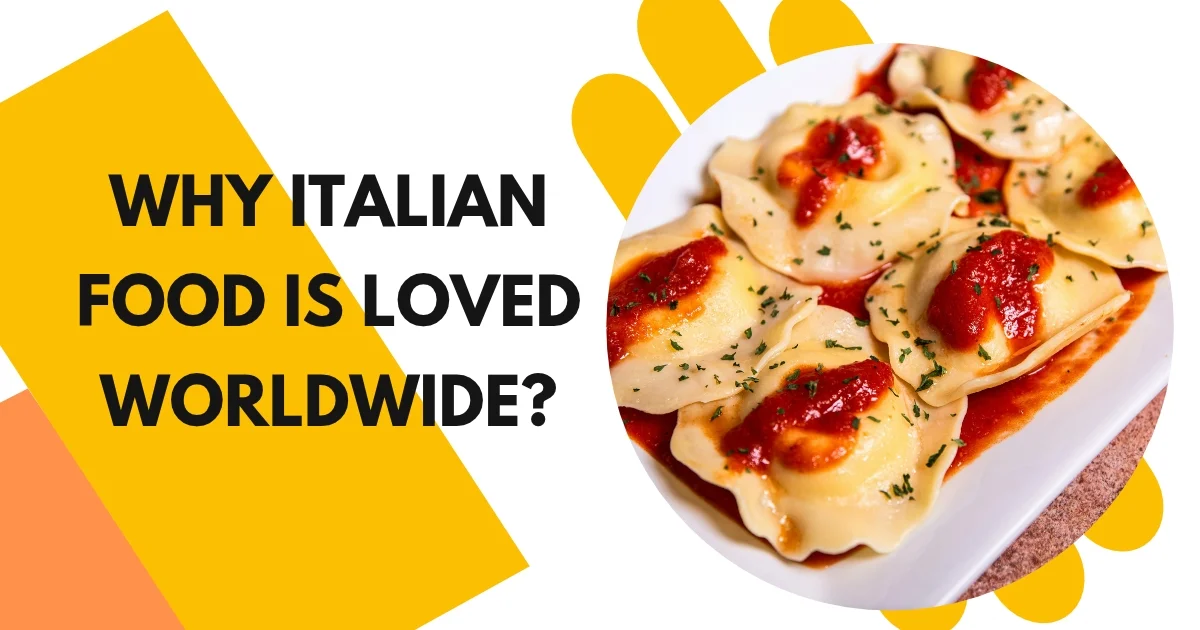
Why Italian food is loved worldwide? Italian cuisine, synonymous with its rich flavors, diverse regional dishes, and universal appeal, is beloved by food enthusiasts worldwide. This deep affection for Italian food stems from its taste, cultural significance, and the friendly nature of its dining experience.
- 🇮🇹 What Makes Italian Cuisine So Special?
- 🇮🇹 5 Pillars · Italian Food Traditions & Culture
- Why Italian Food Is Loved Worldwide? 🏛️ Beyond the Plate: Culture, Heritage & UNESCO Recognition
-
❓ Frequently Asked Questions About Italian Cuisine
- 1. What makes authentic Italian food different from Italian-style food abroad?
- 2. Why is Italian cooking recognized by UNESCO?
- 3. What are the core pillars of italian food traditions and culture?
- 4. Why Italian food is loved worldwide across different cultures?
- 5. Is Italian food inherently healthy?
- 6. What is the significance of the traditional Sunday family lunch?
- 🇮🇹 Final Thoughts: Why Italian Food Will Always Be Loved
Did you know that pasta consumption in Italy dates back to the 4th century? But it’s more than history—it’s a global love affair. Let’s explore why.
🇮🇹 What Makes Italian Cuisine So Special?
Italian cuisine is much more than pizza, pasta, and delicious desserts. It is a celebration of fresh ingredients, simple cooking techniques, regional traditions, and the pleasure of sharing good food. What makes Italian food so special is its ability to transform a handful of everyday ingredients into memorable dishes filled with flavor, history, and character.
1. The Beauty of Simple Ingredients
One of the secrets behind authentic Italian cooking is simplicity. Rather than relying on complicated recipes or long lists of ingredients, Italian cooks focus on using fresh, high-quality products that complement one another.
Extra virgin olive oil, ripe tomatoes, fresh basil, garlic, seasonal vegetables, aromatic herbs, and locally produced cheeses form the foundation of countless traditional dishes.
Consider a classic Caprese salad, made with tomatoes, mozzarella, fresh basil, olive oil, and a little seasoning. Its appeal comes from the quality and freshness of its ingredients rather than elaborate preparation.
This philosophy also explains why Italian cuisine changes with the seasons. Local markets provide inspiration, and cooks often choose ingredients that are at their best throughout the year.
2. A Cooking Philosophy Built Around Flavor
Italian cooking follows a simple but powerful principle: let good ingredients speak for themselves.
Traditional recipes often involve straightforward techniques such as slow simmering, roasting, grilling, and handmade pasta preparation. Each method is designed to enhance the natural flavors of the ingredients.
For example, a traditional tomato sauce can become extraordinary through slow cooking, olive oil, garlic, and fresh herbs. Similarly, a well-prepared risotto achieves its creamy texture through gradual cooking and careful stirring rather than relying on heavy cream.
Italian cooking also values patience. Some sauces need hours to develop their flavors, while fresh pasta is often prepared by hand with care and attention.
3. Regional Diversity: One Country, Many Culinary Traditions
Another reason Italian cuisine is so fascinating is its incredible regional diversity. Every part of Italy has its own ingredients, recipes, cooking methods, and culinary identity.
- Northern Italy: Dishes often feature butter, rice, polenta, mountain cheeses, and rich sauces. Milan is famous for risotto alla Milanese, while Bologna is celebrated for fresh egg pasta and ragù.
- Central Italy: Offers rustic flavors and traditional recipes. Tuscany is known for its olive oil, grilled meats, hearty soups, and simple countryside cooking. Rome, meanwhile, is famous for pasta dishes such as carbonara, amatriciana, and cacio e pepe.
- Southern Italy: Brings a different character to the table. Tomatoes, olive oil, seafood, vegetables, and sun-ripened produce play important roles in everyday cooking. Naples is celebrated for its traditional pizza, while Sicily offers a fascinating combination of Mediterranean and historical culinary influences.
4. Food, Family, and the Joy of Sharing
Italian food is also deeply connected to family life and social traditions. Meals are often opportunities to slow down, reconnect, and enjoy time together.
From Sunday family lunches to festive celebrations, food brings generations together. Recipes are passed from grandparents to grandchildren, preserving memories and culinary traditions along the way.
This emotional connection is one of the reasons Italian cuisine has become so beloved internationally. It represents more than something delicious to eat; it represents hospitality, togetherness, and the pleasure of sharing.
Ultimately, Italian cuisine stands out because it combines simplicity with creativity, tradition with innovation, and local ingredients with extraordinary regional variety. Whether you enjoy a rustic Tuscan soup, a traditional Neapolitan pizza, or a plate of handmade pasta, every dish tells a story about Italy and its rich culinary heritage. 🍝🇮🇹
🇮🇹 5 Pillars · Italian Food Traditions & Culture
sophistication
culinary palette
at its best
wholesome
- ✅ legumes – fiber, protein
- ✅ fresh vegetables – antioxidants
- ✅ moderate wine, lots of herbs
evolving
✨ From Cucina Povera to Michelin Stars ✨
Why Italian Food Is Loved Worldwide? 🏛️ Beyond the Plate: Culture, Heritage & UNESCO Recognition
To truly understand Italian cuisine, one must look beyond iconic dishes like pizza, pasta, and gelato. Italian cooking is fundamentally a social ritual and a living cultural legacy. Highlighting this global significance, Italian cooking was officially inscribed on UNESCO's Representative List of the Intangible Cultural Heritage of Humanity in 2025. This landmark recognition honors not just the recipes, but the centuries-old practices, sustainable food knowledge, and communal bonding that define the Italian way of life.
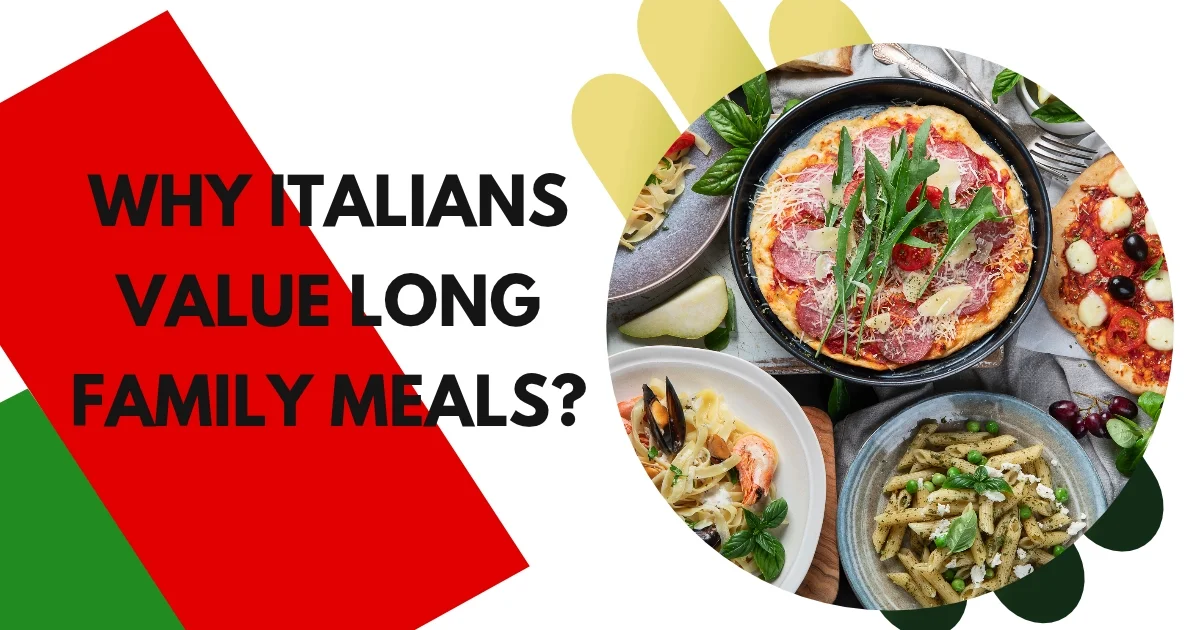
Central to this heritage is the value placed on long family meals. In Italy, dining is an unhurried experience designed to foster deep connections. Eating together provides a dedicated space to slow down, converse, and celebrate relationships, making the dinner table the social heart of every Italian household.
🍷 The Ritual of Sunday Lunch & Heritage Recipes
The cornerstone of Italian family life is il pranzo della domenica (Sunday lunch). Spanning multiple courses over several hours, this weekly gathering reunites generations over slow-cooked ragùs, handmade pasta, and regional specialties.
These meals serve as the primary vessel for passing down heirloom family recipes. Passed verbally and by hands-on demonstration from grandparents to children, these dishes carry stories, regional pride, and emotional memories, ensuring that culinary identity remains vibrant across generations.
🏞️ Geography, Seasons & Regional Divide
There is no single "Italian cuisine"; rather, it is a mosaic of micro-regional traditions dictated by geography and history:
- North vs. South: Northern regions rely heavily on butter, polenta, rice, and rich meats suited to cooler climates and mountainous terrain. Conversely, the sunny Mediterranean South centers on olive oil, sun-ripened tomatoes, fresh seafood, and citrus fruits.
- Seasonality as Philosophy: Italian cooks build menus entirely around local, seasonal produce at its peak freshness. By relying on simple preparations that honor nature's natural cycle, peak-season ingredients yield maximum flavor and nutritional value without complex sauces.
🌍 Global Diaspora & Evolution without Compromise
During the mass migrations of the 19th and 20th centuries, Italian immigrants carried their cherished culinary traditions across the globe. Adapting to local ingredients in regions like North America, South America, and Australia, they created beloved new culinary movements—such as Italian-American cuisine—while introducing the world to the ethos of Italian cooking.
Today, Italian food continues to evolve dynamically. Modern chefs incorporate contemporary techniques, dietary needs, and global ingredients while fiercely respecting core traditional principles. By balancing innovation with timeless heritage, Italian culinary culture remains universally beloved and globally influential.
❓ Frequently Asked Questions About Italian Cuisine
1. What makes authentic Italian food different from Italian-style food abroad?
Authentic Italian food focuses on simplicity, minimalism, and letting a few high-quality seasonal ingredients shine without heavy sauces or excessive garlic and cream. Overseas adaptations often add more ingredients, larger meat portions, and heavy sauces to match local palates.
2. Why is Italian cooking recognized by UNESCO?
In 2025, Italian cooking was inscribed on UNESCO’s Representative List of the Intangible Cultural Heritage of Humanity because it is far more than recipes—it represents sustainable culinary practices, social rituals, intergenerational family bonding, and cultural identity.
3. What are the core pillars of italian food traditions and culture?
The cornerstone of italian food traditions and culture relies on seasonal eating (stagionalità), resourcefulness through peasant cooking roots (cucina povera), distinct micro-regional identities, and the sacred ritual of long family meals.
4. Why Italian food is loved worldwide across different cultures?
A key reason why Italian food is loved worldwide is its universal accessibility and comfort factor. Italian dishes use recognizable, comforting ingredients that adapt beautifully across global kitchens while remaining deeply satisfying.
5. Is Italian food inherently healthy?
Yes! Traditional Italian cuisine forms the heart of the Mediterranean Diet. Rich in extra virgin olive oil, fresh legumes, vegetables, seafood, and herbs, it offers high antioxidant levels and natural anti-inflammatory benefits that support heart health and longevity.
6. What is the significance of the traditional Sunday family lunch?
Il pranzo della domenica (Sunday lunch) is the emotional anchor of Italian home life. Spanning multiple slow-cooked courses over several hours, it brings extended families together to preserve heirloom recipes, tell stories, and strengthen ties.
🇮🇹 Final Thoughts: Why Italian Food Will Always Be Loved
At its core, understanding why Italian food is loved worldwide comes down to the effortless blend of passion, comfort, and authenticity found at the table. Italian cooking turns simple, sun-ripened ingredients into unforgettable experiences, proving that luxury isn't found in complexity, but in quality and intention.
Beyond the nutrition and flavor, it is the rich italian food traditions and culture—from early morning market runs to late-night laughter over pasta—that keep people coming back for more. As modern dining evolves, Italy's timeless culinary heritage continues to remind us that a meal is never just sustenance; it is a celebration of life, family, and connection.
💬 What’s your all-time favorite Italian dish or family recipe memory?
Whether it's your nonna's secret ragù or a unforgettable plate of pasta from a trip to Italy, we’d love to hear your story in the comments below! 🍷🍝




April 1, 2026 at 8:34 am[…] a pizza connoisseur or just a casual fan, you’ll learn something new about this beloved food as we explore the differences between these distinct […]
April 4, 2026 at 10:04 pmItalian food is a masterclass in how 3 or 4 high-quality ingredients can create a masterpiece. It really challenges the ‘more is better’ mindset of modern cooking. Truly the most beloved cuisine for a reason! 🍝🍷
May 21, 2026 at 7:35 amHiya very cool website!! Guy .. Excellent .. Wonderful .. .
I am glad to find numerous helpful information here in the publish, we need work out more techniques in this regard, thanks for sharing. . . . . .