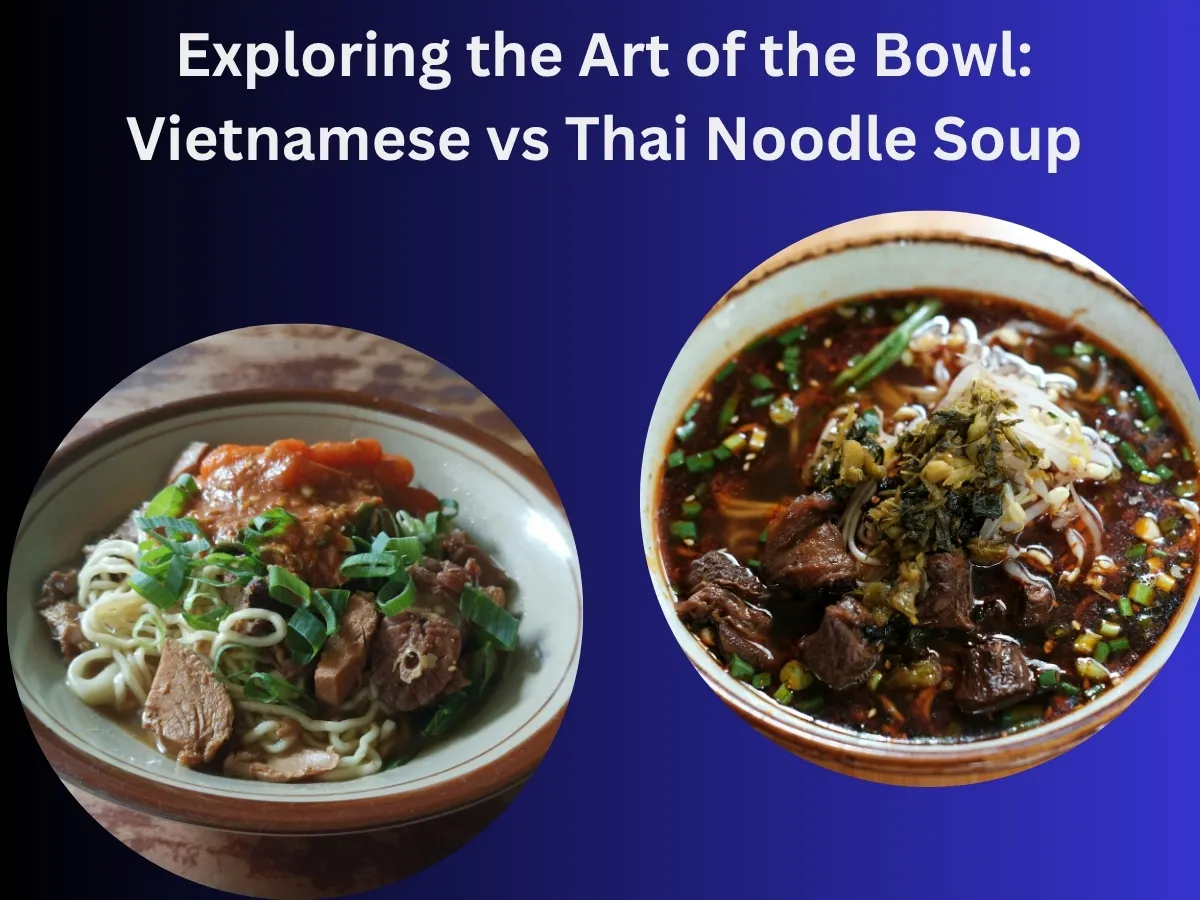
Noodles are the beating heart of Southeast Asian gastronomy, offering an incredible spectrum of flavors, textures, and aromas. Whether you are grabbing a quick “noodle in a cup” from a bustling night market or sitting down to a complex Vietnamese vs Thai Noodles soup that has simmered for twelve hours, both cultures have mastered the art of transforming humble rice and wheat into unforgettable culinary experiences.
- Exploring the Art of the Bowl: Vietnamese vs Thai Noodles Soup
- Chinese vs. Vietnamese vs. Thai Noodles: What's the Difference?
- Thailand vs. Vietnam
- Thailand vs. Vietnam: The Culinary Divide
- From Pho to Tom Yum
- Exploring the Art of the Bowl: Vietnamese vs Thai Noodle Soup
- Conclusion
- Cuisine Insights: Q&A
Exploring the Art of the Bowl: Vietnamese vs Thai Noodles Soup
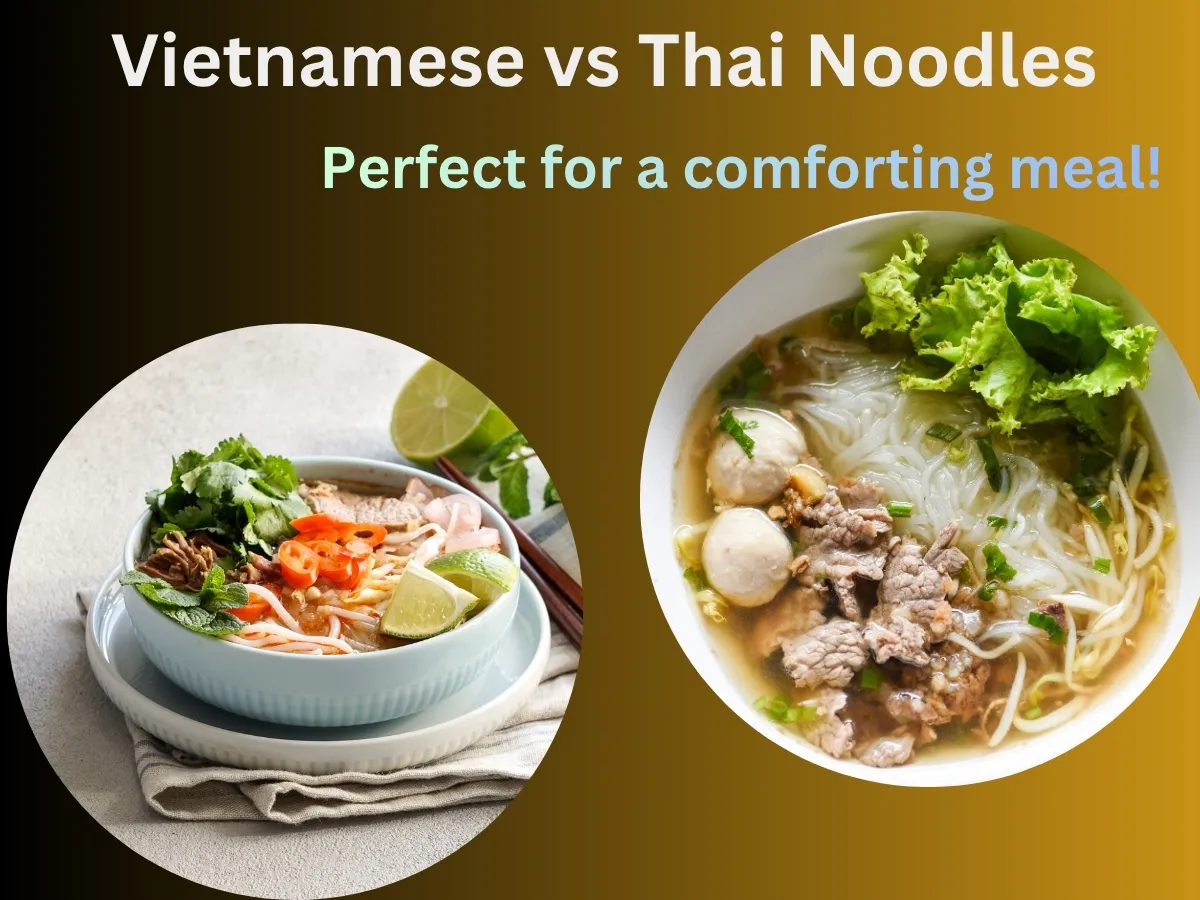
Vietnamese style noodles are renowned for their elegance, often featuring silky rice strands paired with crystal-clear, fragrant broths, a forest of fresh herbs, and premium proteins. Iconic staples like Pho and Bun Bo Hue exemplify how a balance of delicate aromatics can be both deeply nourishing and incredibly light.
In contrast, the Vietnamese vs Thai Noodles soup debate takes a bold turn when entering Thailand. Thai cuisine delivers vibrant, high-impact dishes like Boat Noodles and rich, coconut-infused masterpieces like Khao Soi, providing a high-energy harmony of sweet, sour, spicy, and salty notes that dance on the palate.
Below, we provide a deep dive into the fascinating similarities and distinctive differences between these two celebrated traditions, followed by an expert FAQ to help you navigate your next noodle adventure.
Chinese vs. Vietnamese vs. Thai Noodles: What's the Difference?
Chinese, Vietnamese, and Thai noodles each bring their own unique textures, ingredients, and culinary traditions to the table. While there is no single "best" noodle, understanding their differences makes choosing your next bowl much easier.
⚡ Quick Comparison
| Cuisine | Signature Noodles | Flavor Profile | Best Known For |
|---|---|---|---|
| 🇨🇳 Chinese | Chow Mein, Lo Mein, Hand-Pulled Noodles | Rich, savory, umami-forward | Stir-fries, braised dishes, hearty soups |
| 🇻🇳 Vietnamese | Pho, Bun Bo Hue, Bun | Light, aromatic, herbaceous | Crystal-clear broths and fresh herbs |
| 🇹🇭 Thai | Pad Thai, Pad See Ew, Khao Soi, Boat Noodles | Sweet, sour, salty and spicy | Bold sauces and vibrant flavors |
🇨🇳 Chinese Noodles
Chinese noodles are among the world's most diverse. Produced from wheat, rice, or egg dough, they range from delicate hand-pulled noodles to thick chewy varieties. Their firm texture makes them ideal for absorbing savory sauces in stir-fries like Chow Mein, rich braised dishes, spicy broths, and comforting noodle soups.
🇻🇳 Vietnamese Noodles
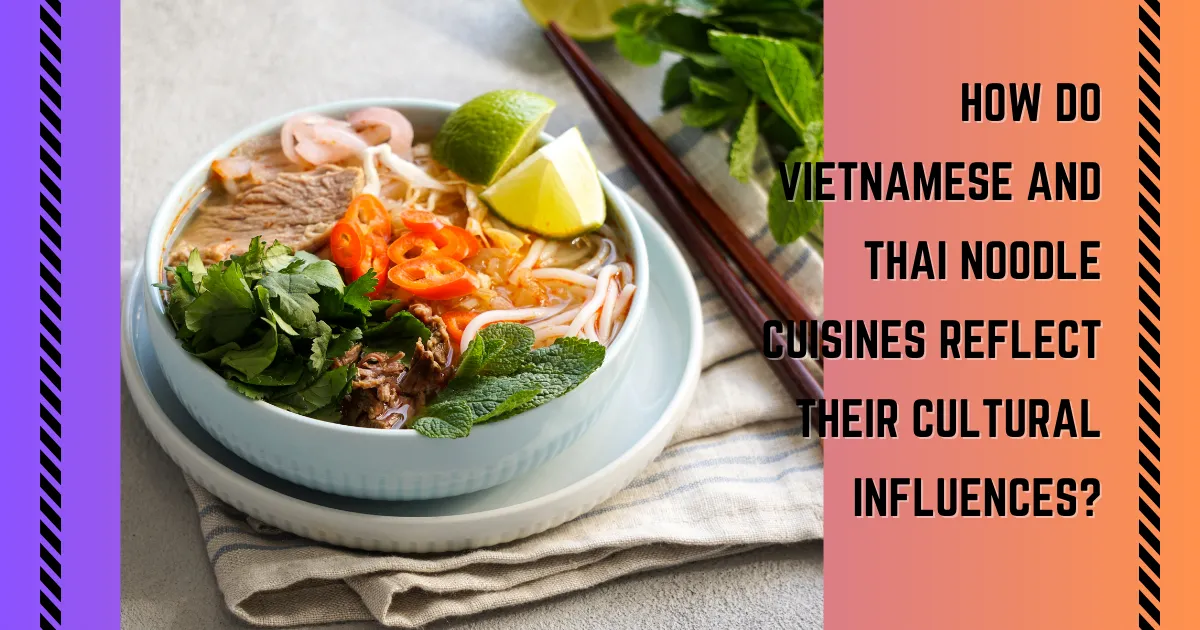
Vietnamese noodles focus on freshness and balance. Most are made from rice, creating silky noodles that complement fragrant herbs, crisp vegetables, and delicate broths. Iconic dishes such as Pho and Bun Bo Hue rely on aromatic spices like star anise, cinnamon, cloves, and fresh basil rather than heavy sauces.
🇹🇭 Thai Noodles
Thai noodles are celebrated for bold, vibrant flavors. Rice, egg, and glass noodles serve as the perfect base for Thailand's famous balance of sweet, sour, salty, and spicy ingredients. Whether it's Pad Thai, Pad See Ew, Drunken Noodles, or creamy Khao Soi, Thai noodle dishes deliver layers of flavor in every bite.
🏆 Which Should You Choose?
Your choice depends on what you're craving. Chinese noodles are perfect for hearty, sauce-rich comfort food. Vietnamese noodles excel in light, refreshing meals with fragrant herbs and delicate broths. Thai noodles offer the biggest explosion of flavors, combining sweetness, acidity, spice, and umami into one unforgettable dish. Rather than competing, these three noodle traditions beautifully complement one another, giving every noodle lover something to enjoy.
Thailand vs. Vietnam
A Comprehensive Culinary Matrix
| Dimension | 🇹🇭 Thai Profile | 🇻🇳 Vietnamese Profile |
|---|---|---|
| Core Similarities | ||
| Freshness | Heavy use of Lemongrass and Thai Basil; served with Larb. | Emphasis on Mint and Cilantro; fresh herbs served raw alongside Pho. |
| Flavor Balance | Bold sweet-salty-sour balance using lime and palm sugar. | Lighter touch, often using rice vinegar and mild chili for subtle complexity. |
| Street Food | Iconic night markets featuring Som Tam and Pad Thai. | World-famous accessibility through Banh Mi and fresh Spring Rolls. |
| Umami Base | Indispensable "Nam Pla" (Fish Sauce) for seasoning and depth. | Essential "Nuoc Mam" used in marinades and dipping sauces. |
| Key Differences | ||
| Intensity | Explosive: High heat, rich creaminess, and heavy sweetness. | Delicate: Clean finishes, aromatic spices, and minimal oil. |
| Heat Source | Pungent Galangal and concentrated bird's eye chili pastes. | Star anise, cinnamon, and ginger for a milder aromatic heat. |
| Technique | Fire: High-heat stir-frying and charcoal grilling. | Water: Long-simmered broths, steaming, and boiling. |
| Coconut Milk | Foundational: Central to curries, soups, and beverages. | Optional: Primarily restricted to Southern desserts and regional specialties. |
| Heritage | Strong Malaysian and Indian influences (Curries/Spices). | Fascinating French (Baguettes/Coffee) and Chinese legacy. |
Thailand vs. Vietnam: The Culinary Divide
| Feature | 🇹🇭 Thai (Bold & Intense) | 🇻🇳 Vietnamese (Light & Fresh) |
|---|---|---|
| Flavor Profile | High Intensity: Explosive heat, heavy sweetness, and rich creaminess. | Delicate Balance: Focus on aromatic herbs, minimal oil, and clean finishes. |
| Spice Usage | Powerful Heat: Galangal, kaffir lime, and concentrated curry pastes. | Subtle Aromatics: Star anise, cinnamon, and cloves used sparingly. |
| Technique | Wok & Fire: Stir-frying and high-heat grilling are dominant. | Steam & Broth: Emphasis on boiling, steaming, and long-simmered soups. |
| Coconut Milk | Foundational: Essential for curries, drinks, and most desserts. | Niche: Mainly in desserts or specific Southern regional dishes. |
| Historical Roots | Influenced by Indian curries and Malaysian spice palettes. | Strong French (baguettes, coffee) and Chinese (soy, noodles) legacy. |
| Desserts | Decadent: Sticky rice, coconut ice cream, and tropical fruit medleys. | Refreshing: Sweet soups (Che), jellies, and mung bean puddings. |
From Pho to Tom Yum
A Regional Guide to Southeast Asian Noodle Soups
Pho (Phở)
The soul of Vietnam. A crystal-clear, aromatic broth served with delicate flat rice noodles and a bouquet of fresh herbs.
Bun Bo Hue
A royal spicy beef soup from Central Vietnam. It features thick round rice noodles in a lemongrass-forward broth with fermented shrimp paste.
Hu Tieu
A versatile Southern classic with a lighter, sweeter base. Can be enjoyed "dry" or as a soup with a mix of pork and seafood.
Guay Tiew Tom Yum
The perfect balance of spicy, sour, and sweet. This noodle variant of the famous soup is often packed with crushed peanuts and ground pork.
Khao Soi
A Northern masterpiece. A rich, golden coconut curry broth hides soft egg noodles, topped with a dramatic crown of crispy fried noodles.
Boat Noodles (Kuay Teow Reua)
Historically sold from canal boats, this is a deep, dark, and intensely savory broth spiced with cinnamon and star anise.
Exploring the Art of the Bowl: Vietnamese vs Thai Noodle Soup
| Component | 🇹🇭 Thai (The Bold Spice) | 🇻🇳 Vietnamese (The Silk Broth) |
|---|---|---|
| The Broth | SHARED BASE: BEEF BONE Rich & Intense: Often sweeter with a pungent, aromatic depth. |
SHARED BASE: BEEF BONE Light & Clean: Emphasizes natural beef flavors and clarity. |
| Spices | Pungent: Lemongrass, galangal, and bird’s eye chilies. | Subtle: Ginger, star anise, cinnamon, and cloves. |
| Noodle Type | RICE-BASED Typically broader and flatter sheets. |
RICE-BASED Typically thinner and rounder strands. |
| Meat & Protein | Sliced rare beef, beef balls, and tendon. | Sliced rare beef, beef balls, and brisket. |
| Garnishes | Lime wedges, chili flakes, and crushed peanuts. | Bean sprouts, hoisin sauce, and Sriracha. |
Conclusion
So, which wins – Vietnamese or Thai noodles? The honest answer is: it depends on what you’re craving. If you want a light, aromatic, herbal bowl that feels like a gentle morning in Hanoi, go for Vietnamese Pho. If you want a spicy, creamy, flavor-explosion that wakes up every taste bud, Thai Khao Soi or Boat Noodles are your answer.
The beauty of Southeast Asian noodle cuisine is that you don’t have to choose. Explore both. Love both. And the next time someone asks you the difference between Vietnamese vs Thai noodles, you’ll be ready to answer.
Which one is your favorite? Let us know in the comments below!”
Cuisine Insights: Q&A
Thai "pho" (often locally referred to as Guay Tiew) leans toward bold, spicy, and sour profiles similar to Tom Yum. In contrast, Vietnamese Pho is celebrated for its clarity—a light, aromatic beef or chicken broth served with flat rice noodles and an abundance of fresh herbs.
Thailand generally takes the prize for heat. Thai dishes rely heavily on fresh bird's eye chilies and concentrated curry pastes. Vietnamese cuisine favors "refreshing" over "fiery," using milder chilies and relying on fresh herbs like mint and cilantro for flavor depth.
Thailand: Jok (savory rice porridge), Patongo (fried dough), and stir-fried noodles.
Vietnam: Steaming bowls of Pho, Banh Mi sandwiches, or Xôi (savory sticky rice).
While both are nutrient-dense, Vietnamese food is often lighter. It uses minimal oil and features more raw vegetables. Thai cuisine, while healthy, often incorporates calorie-dense coconut milk and palm sugar in its famous curries.
Absolutely! Both cultures have strong Buddhist traditions that cater to vegetarians. Look for "Jay" food in Thailand (tofu stir-fries/curries) and "Chay" dishes in Vietnam (tofu Pho or fresh spring rolls). Just remember to specify "no fish sauce" (no Nam Pla / no Nuoc Mam).
Yes, street food is a cultural highlight. To stay safe, choose stalls with a high turnover of local customers (ensuring fresh ingredients) and watch for food that is prepared to order over high heat.
The global obsession with Thai and Vietnamese noodles stems from their "complete" flavor profile. They satisfy every taste bud—sweet, salty, sour, and spicy—while offering a versatility that works for both quick street bites and high-end dining.
Join the Conversation