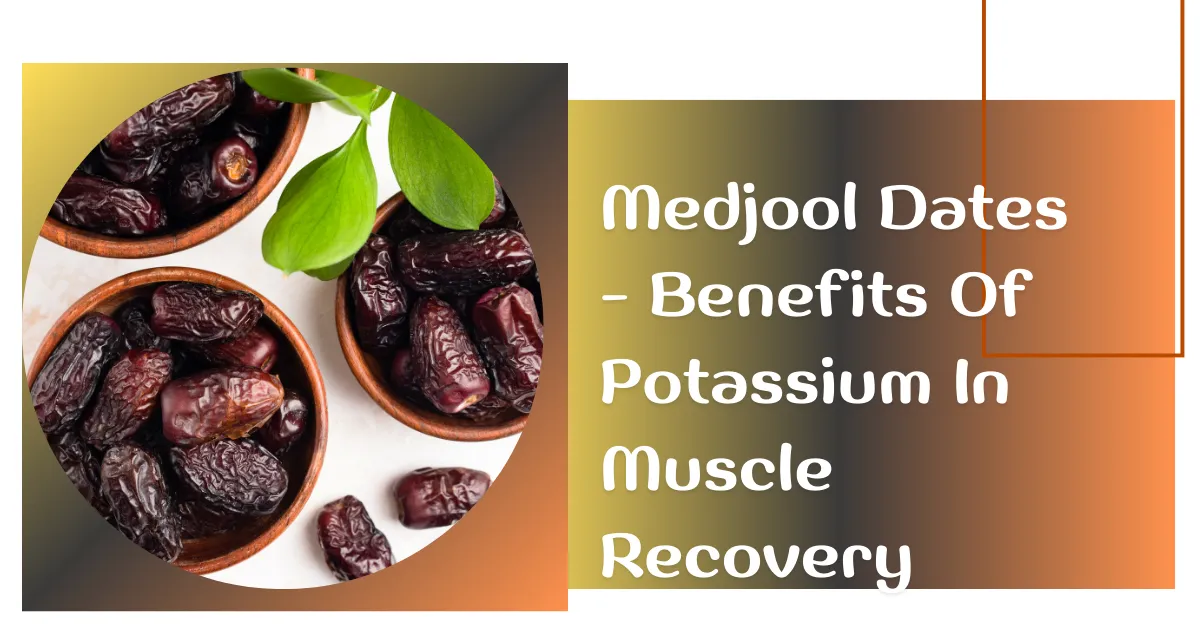
Medjool dates are large, plump, and have a caramel-like sweetness with a soft, chewy texture. Medjool dates, often referred to as the “fruit of kings,” have been savored for their natural sweetness and health benefits across civilizations for thousands of years. As both a nutritious snack and a natural sweetener, Medjool dates’ versatility is unmatched. Here’s a deep dive into everything from their energy-boosting capabilities to their oxalate content, helping you understand how best to incorporate these gems into your diet.
🍯 Medjool Dates Nutrition Facts
Medjool dates nutrition facts reveal why these caramel-sweet fruits are considered a nutritional powerhouse. They are an excellent energy source due to their high natural sugar content — including fructose, glucose, and sucrose. This unique sugar profile makes them a perfect quick snack for an instant, clean energy boost — whether you're hitting the gym or powering through an afternoon slump.
Beyond energy, each date delivers considerable dietary fiber (about 6.7g per 100g), which aids digestion and helps maintain stable blood sugar levels. This is why many health-conscious eaters turn to low-glycemic sweeteners like dates as a smarter alternative to refined sugar.
The health benefits of Medjool dates extend far beyond quick energy. These royal fruits are rich in:
- 🧬 Vitamin B6 — supports brain function and mood
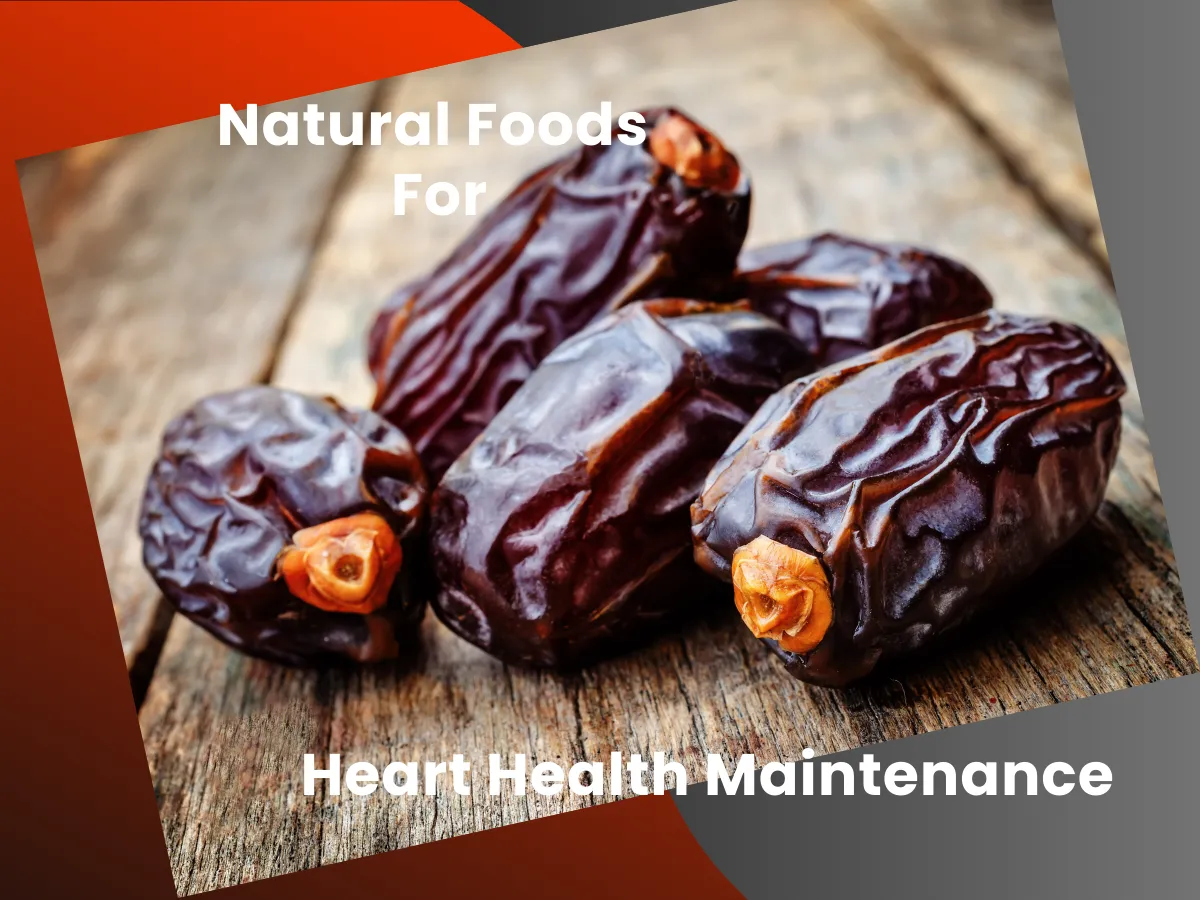
- 💪 Potassium (696mg) — for muscle recovery and heart health
- 🦴 Magnesium (54mg) — for bone strength and nerve function
- 🩸 Copper & Manganese — for antioxidant defense and collagen production
- ⚡ Iron — helps combat fatigue and supports healthy blood cells
Together, these nutrients make Medjool dates a true superfood — supporting everything from digestive health and heart function to bone density and immune resilience.
🌍 Ready to explore all 7 date varieties? Download our ultimate traveler's guide to nature's sweetest superfoods.
👑 Medjool Dates: The “Fruit of Kings”
Science-backed benefits · Royal history · Athlete fuel · Travel snack
Medjool
🚀 Rocket Fuel
- GI: ~55 (medium)
- Fiber: 6.7g
- Best for: Sprints & HIIT
- Texture: Soft/Jammy
Deglet Noor
⚖️ The All-Rounder
- GI: ~43-45 (low-medium)
- Fiber: 8g+
- Best for: Moderate cardio, jogging
- Texture: Firm/Chewy
Ajwa
🔥 Steady Burner
- GI: ~35-40 (low)
- Fiber: 6.5g
- Best for: Ultra-endurance, marathons
- Texture: Dry/Meaty
| Feature | Medjool (Rocket Fuel) | Deglet Noor (All-Rounder) | Ajwa (Steady Burner) |
|---|---|---|---|
| Glycemic Index (GI) | ~55 Medium | ~43-45 Low-Medium | ~35-40 Low |
| Fiber Content | 6.7g | 8g+ | 6.5g |
| Best For | Sprints, HIIT, lifting | Jogging, tennis, daily training | Marathons, 100km+ cycling |
| Texture | Soft / Jammy | Firm / Chewy | Dry / Meaty |
🎒 The Ultimate Travel Snack
Whether you’re hiking the Atlas Mountains or backpacking through Southeast Asia, Medjool dates are the perfect adventure food. They don’t melt, don’t crush, and provide steady energy without a sugar crash. Plus, their natural caramel flavor satisfies sweet cravings on the road.
Pro tip: Store them in an airtight container – refrigerate for up to 6 months or freeze for up to 1 year.
🍯 Deep Dive: The Health Benefits of Medjool Dates
⏱️ Which Date is Best For You?
👆 Click any accordion below to learn more about each health benefit in detail.
When comparing Medjool vs Ajwa dates for physical activity, Medjools serve as a biological "rocket fuel." Their high natural sugar content (glucose and fructose) provides an immediate ATP boost for endurance sports.
Potassium for Muscle Recovery: Potassium is the "electrolyte commander." It prevents muscle cramps and facilitates the recovery process by speeding up the replacement of muscle glycogen depleted during intense exercise.
💡 Athlete's Tip: For High-Intensity Activity (CrossFit, HIIT, Sprinting) — choose Medjool Dates 15–30 minutes pre-workout.
Medjool dates contain both Insoluble Fiber (which prevents constipation by bulking stool) and Soluble Fiber. This duality is why they are considered top-tier fruits for gut health. Soluble fiber slows digestion, helping to regulate blood sugar levels—a critical factor for moderate consumption in diabetic diets.
🍽️ Digestion Tip: For optimal gut health, pair 2 Medjool dates with a probiotic-rich food like yogurt or kefir.
Heart Support: Magnesium and Potassium work in tandem to dilate blood vessels and ease tension in vessel walls, reducing the risk of arrhythmias and hypertension.
Bone Synthesis: While we often focus on calcium, dates provide Selenium, Manganese, and Copper. These minerals act as cofactors for collagen production, creating the "framework" that keeps bones resilient against fractures.
🩺 Senior's Tip: For bone health, Ajwa dates (with 58mg Magnesium per 100g) are an excellent choice — enjoy 2–3 daily with a calcium-rich snack.
Despite the health benefits of Medjool vs Ajwa dates, both contain oxalates. If you are prone to kidney stones, moderation is key. Pair your dates with high-calcium foods or maintain high hydration levels to help mitigate the risk of crystal formation.
⚠️ Safety Note: If you have a history of kidney stones, limit intake to 1–2 dates per day and drink plenty of water. Read more about "Oxalate Rich Foods: What Adults Over 60 Should Know"
🍯 Culinary FAQ: The Art of the Date
How do I store Medjool dates?
Keep in an airtight container in the refrigerator (up to 6 months) or freezer (up to 1 year) due to their high moisture content.
Can I use dates as a sugar substitute?
Yes. Make a “Date Paste” (soak, blend, use 1:1 ratio). Medjool gives caramel flavor; Deglet Noor is more neutral.
Do I need to wash dates?
A quick rinse under cold water removes dust or sticky residue from natural sugars.
What is the white powder on my dates?
Sugar crystallization – not mold! Warm them for 5–10 seconds in a microwave to dissolve.



Join the Conversation