Low Carb Foods, High-Protein: Managing diabetes effectively involves making informed dietary choices. A low-carb diet rich in high-protein, low-carb foods, especially fish, can be instrumental in maintaining stable blood sugar levels and overall health.
Why Choose a Low-Carb Foods, High-Protein Diet?
A Low-Carb, High-Protein diet focuses on reducing foods that are high in refined carbohydrates and sugars, especially those with a high glycemic index. This strategic shift in eating patterns offers a wide range of health benefits, including:
- Stabilizing blood sugar levels by preventing sharp spikes and crashes.
- Enhancing insulin sensitivity can improve long-term metabolic health.
- Promoting satiety and reducing cravings makes it easier to stick to a healthy eating plan.
- Supporting weight management by encouraging the body to use stored fat for energy.
By incorporating nutrient-rich, Low-Carb, High-Protein foods—such as fish, poultry, eggs, lean meats, and legumes—you provide your body with essential amino acids for muscle repair and maintenance, without the blood sugar surges associated with high-carb meals.
Additionally, this dietary approach often leads to improved energy levels, better appetite control, and a more balanced mood throughout the day. Choosing a Low-Carb, High-Protein lifestyle is not just about weight loss; it’s about building sustainable, long-term health habits that nourish your body and support overall wellness.

Top High-Protein Fish for Low-Carb Meals
A low-carbohydrate diet doesn’t have to be bland. Fish is naturally low in carbs, rich in essential nutrients, and a heart-healthy alternative to red meat. Explore these satisfying low-carb meal options packed with protein.
Salmon
High in omega-3 fatty acids, salmon supports heart health and insulin sensitivity. It's a vital source of Vitamin D for blood sugar regulation.
Omega-3 & Vitamin DTuna
A lean protein powerhouse perfect for low-carbohydrate meals. Rich in Selenium and Vitamin B3, it supports metabolism and helps reduce inflammation.
Lean Protein & B3Sardines
Don’t underestimate sardines—they’re a nutritional gem! Loaded with Calcium and B12, they are premier foods with no carbohydrates.
Calcium & B12Mackerel
An oily fish rich in Coenzyme Q10 and antioxidants. This high-protein, low-carb choice is essential for healthy metabolism and immune function.
CoQ10 & ImmunityTrout
Rainbow trout provides a balanced mix of lean protein and healthy fats. It's an excellent source of Potassium for maintaining healthy blood pressure.
Potassium & B-VitaminsIncorporating Low-Carb Vegetables
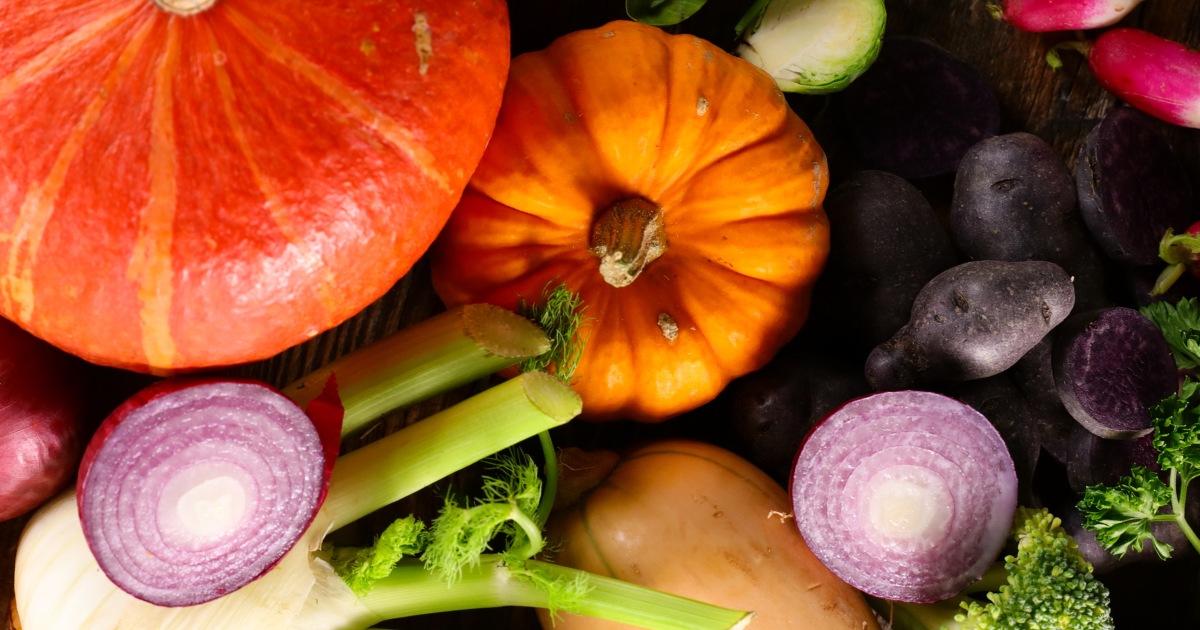
Pairing fish with low-carb vegetables enhances the nutritional profile of your meals
Spinach
High in iron and magnesium.
Broccoli
Rich in fiber and vitamin C.
Zucchini
Low in calories and versatile in recipes — perfect for zoodles, roasting, or grilling.
Cauliflower
An excellent substitute for grains and legumes — cauliflower rice, pizza crust, or mash.
Sample Low-Carb, High-Protein Meal Plan
A full day of delicious, diabetes-friendly meals to keep you energized
Breakfast
Scrambled eggs with smoked salmon and avocado slices.
Lunch
Grilled tuna salad with mixed greens and olive oil dressing.
Dinner
Baked mackerel with steamed broccoli and cauliflower mash.
Snacks
Hard-boiled eggs, cheese sticks, or a handful of almonds.
Global Culinary Traditions: High-Protein Fish in World Cuisines
Travel the world through high-protein, low-carb fish dishes:
- Japan: Sashimi (salmon, tuna, mackerel)—pure protein, zero carbohydrates.
- Mediterranean: Grilled sardines infused with extra virgin olive oil and fresh herbs.
- Scandinavia: Gravlax (cured salmon) paired with dill and mustard sauce.
- Peru: Fresh ceviche cured in bright lime juice—master the technique by checking how long to marinate ceviche.
- Thailand: Flame-grilled fish served alongside a fiery lime and herb salad.
- Greece: Baked trout with lemon, garlic, and oregano. Explore complementary plant-based pairings in our Greek cuisine vegetarian dishes guide.
Diabetes Management & Nutrition: Low-Carb Essentials FAQ
What Are Some Snacks for a Low-Carb Diet Suitable for Diabetes Management?
- Hard-Boiled Eggs: Zero carbohydrates and packed with high-quality protein.
- Celery with Nut Butter: Provides dietary fiber and healthy fats for satisfying crunch.
- Greek Yogurt (Plain): Unsweetened and rich in probiotics; excellent topped with berries.
- Cucumber Slices with Hummus: Refreshing, hydrating, and gentle on blood glucose.
- Tuna or Salmon Lettuce Wraps: Excellent source of Omega-3 fatty acids and lean protein.
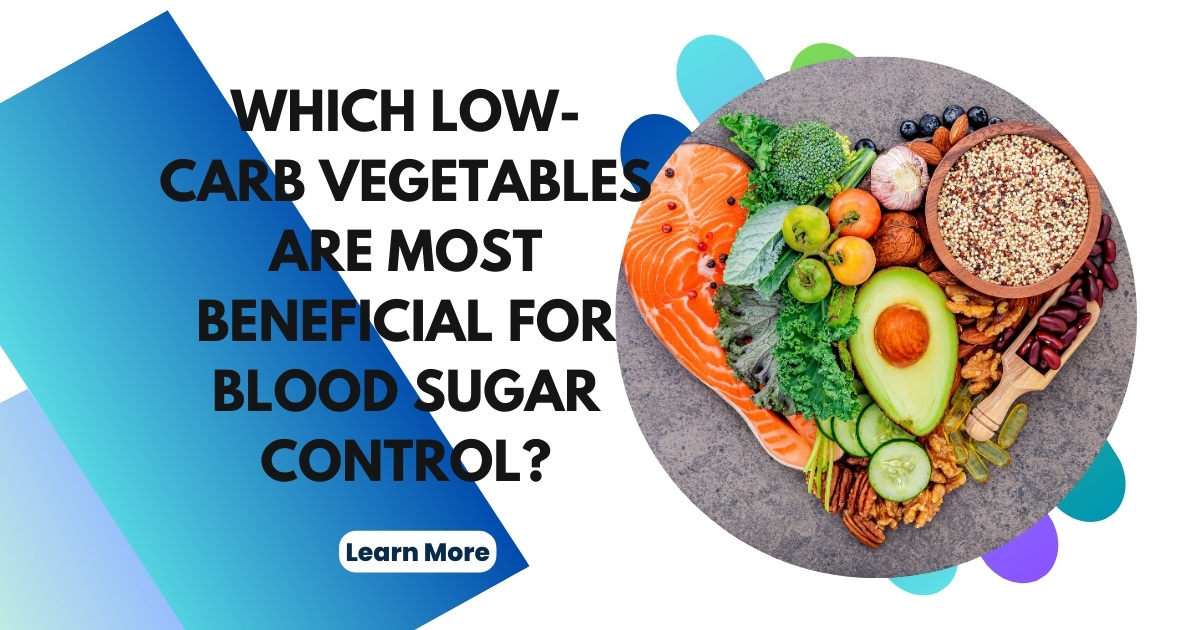
Which Low-Carb Vegetables Are Most Beneficial for Blood Sugar Control?
- Spinach and Kale: Loaded with magnesium, antioxidants, and essential minerals.
- Broccoli and Cauliflower: High in sulforaphane, Vitamin C, and filling dietary fiber.
- Zucchini: Versatile, hydrating, and extremely low in net carbohydrates.
- Green Beans: Fibrous, satisfying, and gentle on blood sugar levels.
- Bell Peppers: Rich in Vitamin A, Vitamin C, and crisp texture.
What Are the Best Low-Carb, High-Protein Meals for Diabetics?
- Grilled Salmon: Pair with cauliflower mash and asparagus for a heart-healthy dinner.
- Egg and Avocado Bowl: A classic zero-carb protein base enriched with monounsaturated fats.
- Chicken Stir-Fry: Toss lean chicken breast with zucchini noodles (zoodles) instead of rice.
- Stuffed Bell Peppers: Use lean ground turkey and riced cauliflower for a fiber-packed bake.
- Tuna Salad Wraps: Serve wild tuna in crisp romaine lettuce with a Greek yogurt dressing.
Is Seafood Like Ceviche a Good Choice for a Diabetic Diet?
How Do Healthy Fats Help Balance Low-Carb Eating for Diabetics?
What Are the Best Low-Glycemic Fruits to Eat in Moderation?
- Berries: Blackberries, raspberries, and strawberries are packed with fiber and antioxidants.
- Avocado: Technically a fruit, virtually sugar-free and high in healthy monounsaturated fats.
- Green Apples: Offer crisp texture with lower natural sugar content than red varieties.
- Grapefruit: Contains naringenin, a compound studied for supporting insulin sensitivity.
Join the Conversation