
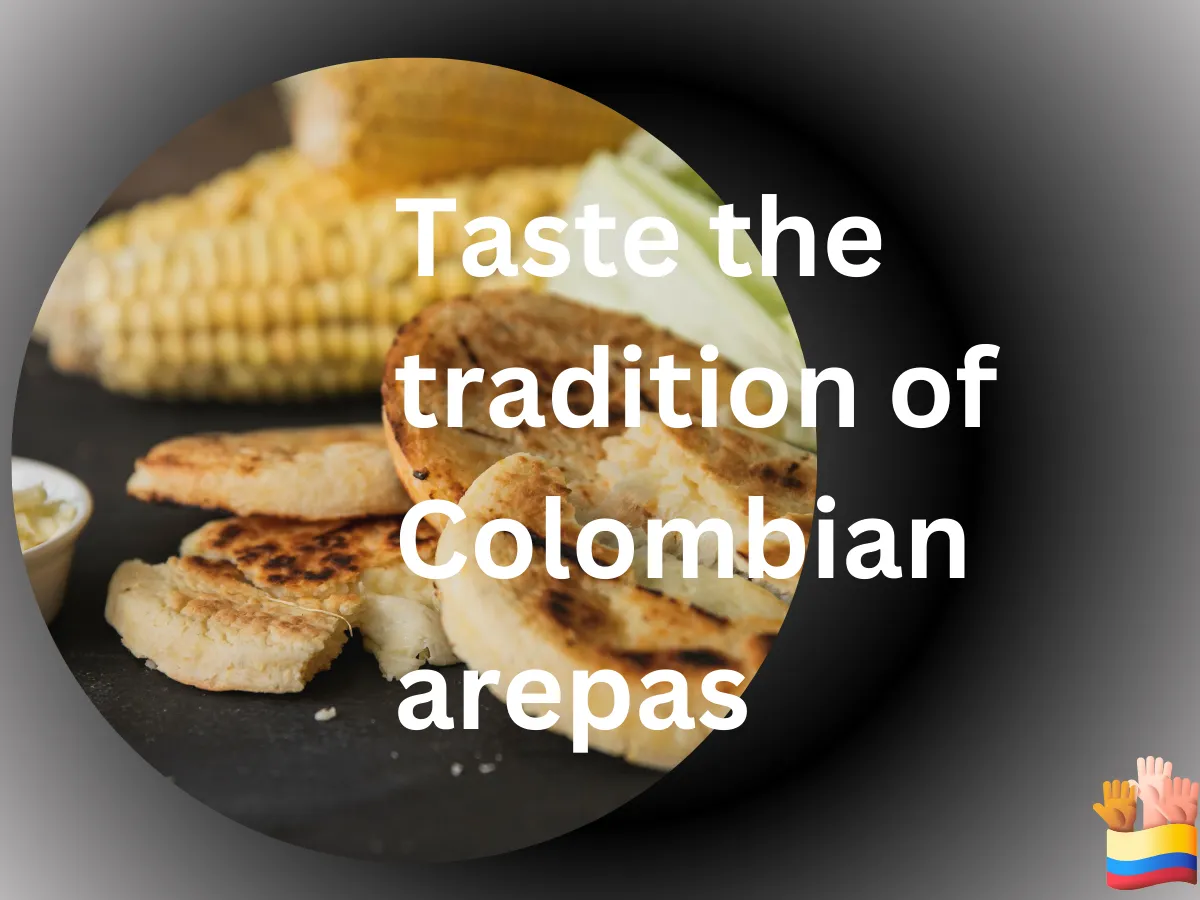
Arepas Colombinas: The arepa, a cornerstone of Colombian cuisine, is more than just a dish; it’s a cultural emblem that embodies the nation’s rich history and culinary traditions. This versatile flatbread made from cornmeal has deep roots in the pre-Columbian era, originally prepared by the indigenous peoples of the region now known as Colombia and Venezuela. Its name, derived from the indigenous word “erepa,” meaning corn, signifies its longstanding significance.
What Makes a Colombian Arepa?
🌽 Origins and Ingredients
Authentic arepas colombianas begin with a simple primary ingredient: pre-cooked cornmeal, known as masarepa (distinct from Mexican masa harina). Masarepa is essential for achieving the arepa's signature pillowy texture and delicate flavor. The basic dough combines masarepa, water, and salt, often enriched with grated cheese, butter, or milk.
🔥 Preparation & Culinary Techniques
Making these corn discs is both an art and a science. The dough is mixed until smooth and shaped into round patties before being grilled, baked, fried, or poached. Grilling yields a crispy exterior with a soft center, making them a centerpiece of popular Colombian street food arepas served late into the night.
🇨🇴 Regional Diversity & Cultural Impact
In Colombia, arepas are not just food—they are a symbol of national identity. From Antioquia's simple buttered corn discs to the egg-stuffed arepa de huevo on the Caribbean coast, they form the heart of authentic Colombian cuisine.
🫓 Arepas Colombianas vs Venezolanas: Understanding the Difference
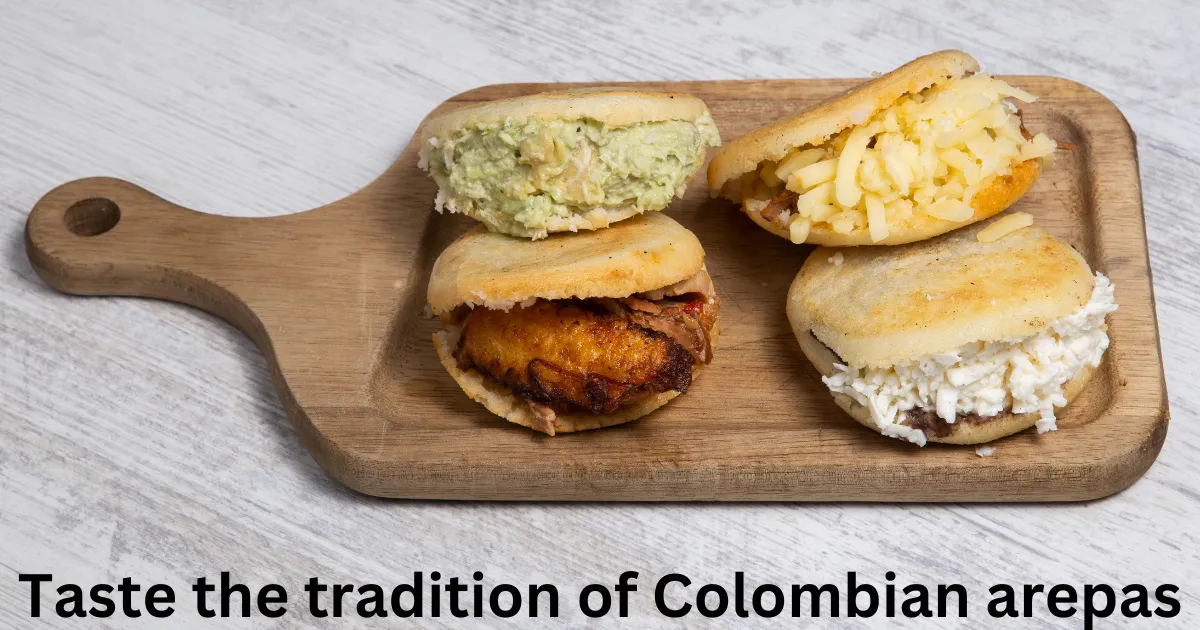
When evaluating Arepas Colombianas vs Venezolanas, the primary difference lies in how they are stuffed and served. Colombian variations are typically flatter, serving as a companion bread or topped with cheese and butter. In contrast, Venezuelan versions are sliced open like a pita sandwich and filled with rich meats, beans, and plantains.
However, the rise of Colombian street food arepas has blurred these lines, with vendors topping grilled arepas colombianas with shredded beef, hogao sauce, and melted cheese. Understanding Arepas Colombianas vs Venezolanas highlights the rich corn heritage shared across Andean and Caribbean culinary traditions.
5 Vegetarian Arepa Fillings Ideas
Bold, protein-packed, and deeply satisfying. Whether you're new to gluten-free arepa flour masarepa or a lifelong arepa lover, these arepa fillings ideas vegetarian will turn any corn cake into a masterpiece.
Black Bean & Plantain Mash
1 ripe plantain · 1 cup black beans · ½ tsp cumin · 1 tbsp olive oil · lime & salt
Sauté plantain slices in oil until golden. Mash with black beans, cumin, lime. Stuff into warm arepa made with gluten-free arepa flour masarepa. Top with cotija or cashew cream.
Spicy Black Beans with Avocado Crema
1 can black beans · ½ onion · 2 garlic cloves · smoked paprika · chipotle · 1 avocado · 2 tbsp Greek yogurt (or vegan mayo)
Sauté onion & garlic, add beans, paprika, chipotle. Simmer 10 min. Blend avocado, yogurt, lime into crema. Split arepa, add spicy beans, drizzle crema.
✨ One of the best arepa fillings ideas vegetarian for meal prep.
Roasted Mushroom & Garlic
2 cups cremini mushrooms · 3 garlic cloves · 2 tbsp olive oil · fresh thyme · splash balsamic vinegar
Toss mushrooms with oil, garlic, thyme, salt. Roast at 400°F for 15 min. Finish with balsamic. Stuff into warm arepa. Add provolone or nutritional yeast.
Zesty Chickpea & Sun-Dried Tomato Salad
1 can chickpeas · ¼ cup sun-dried tomatoes · fresh parsley · 2 tbsp lemon juice · olive oil · red pepper flakes
Mash chickpeas slightly. Mix with tomatoes, parsley, lemon, oil, and spices. Spoon into arepa. Add arugula for crunch.
Why it works: The sweet corn flavor of gluten-free arepa flour masarepa lets this bright filling shine.
Spinach & Artichoke Melty Delight
1 cup frozen spinach (thawed & squeezed) · ½ cup artichoke hearts · ½ cup cream cheese · ¼ cup Parmesan or nutritional yeast · garlic, nutmeg
Mix everything. Warm until melty. Stuff into hot arepa. Oozing is the point.
🔥 This filling alone proves that arepa fillings ideas vegetarian can be just as decadent as meat versions.
⭐ All five fillings shine brightest when your arepa is made correctly. That means starting with gluten-free arepa flour masarepa (look for P.A.N. or Areparina). Unlike regular cornmeal, masarepa is pre‑cooked — giving you that crispy, fluffy texture without any gluten.
These arepa fillings ideas vegetarian are just the beginning. Swap, remix, add pickled onions or a fried egg. The arepa welcomes whatever you have.
🍽️ Save these ideas →¡Buen provecho! — made with arepa love 🌽
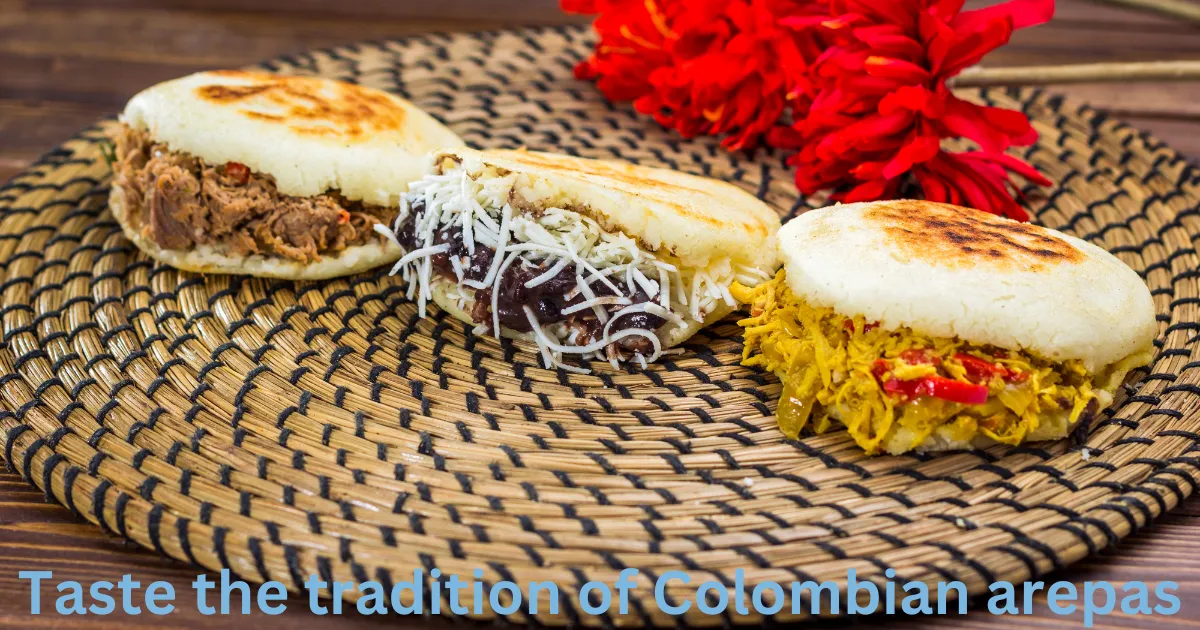
Arepas: A Latin American Culinary Symbol
A corn-based staple and cultural bridge, connecting the continent through shared indigenous heritage and culinary innovation.
The Stuffed Arepa
A symbol of national pride split open and used as a canvas for creativity. Unlike the flat sides in other regions, these serve as a hearty sandwich base consumed daily.
The Corn Tortilla
Thick, corn-dough discs akin to arepas but often fried to achieve a crispy exterior. These are breakfast essentials paired with local cheese and eggs.
The Pupusa
A distinct handmade corn cake filled before cooking. The process of shaping the masa is a sacred tradition passed down through generations.
Arepas: The Gluten-Free Bread You Need in Your Life
🫓 What Is an Arepa?
At their core, arepas are golden cornmeal cake pockets made simply from pre-cooked cornmeal (arepa flour or masarepa), water, and salt. Whether grilled, baked, or light-sauteed, these savory pockets can be stuffed or served with eggs for breakfast, avocado, fresh cheeses, or lean meats for a nutritious meal today!
🌾 Why Corn Flour Superiority Matters
Unlike traditional wheat flour which contains gluten—a dense protein found in wheat, barley, and rye—pre-cooked corn flour is inherently gluten-free. While many alternative flours (like almond, coconut, or tapioca flour) require complex binding agents like xanthan gum to mimic wheat structure, masarepa forms a naturally elastic dough that bakes up soft inside with a crispy crust.
🥗 Nutritional Benefits of Colombian Arepas
Evaluating the nutritional value of arepas offers fascinating insight into how this traditional dish fits into a balanced, health-conscious diet. Because their core base relies purely on cornmeal, water, and salt, they are free of unnecessary preservatives and artificial additives. From there, you control the macros: pair them with grilled proteins and fiber-rich greens for an ideal balance of complex carbs, protein, and healthy fats.
Colombian Street Food Arepas: Regional Variations Across Major Cities
🏔️ Medellín & Antioquia
In Medellín, street vendors serve the classic arepa paisa: flat, white, unsalted, and grilled to order. Served piping hot straight off the cart, it is traditionally meant to be topped with a generous pat of fresh butter and a pinch of salt, or paired alongside hearty local breakfasts and warm cups of coffee.
🏙️ Bogotá & The Andean Highlands
Street stalls in the capital district offer sweet comfort during chilly mountain evenings. Bogotá is famous for arepa de choclo—made from sweet, freshly ground corn kernels and grilled with a gooey layer of melted cheese. You'll also find thick arepas boyacenses infused with wheat flour and cuajada cheese.
🌊 Cartagena & The Caribbean Coast
Along the Caribbean coastal cities, street food takes an adventurous turn with the legendary arepa de huevo. This corn patty is deep-fried, stuffed with a raw egg inside, and fried a second time so the egg cooks inside a crisp, golden shell. It is a quintessential beachside breakfast snack.
🌴 Cali & Valle del Cauca
In Cali, street vendors blend Andean traditions with local agricultural bounty. The regional style often features arepa valluna, cooked on banana leaves over charcoal for an earthy aroma, paired with local cheeses or sweet corn variations that celebrate the richness of Colombian cuisine.
👉 Start your day the Colombian way—with delicious homemade arepas. ¡Buen provecho!
Join the Conversation






January 9, 2026 at 4:33 pmArepas are a great representation of Latin American comfort food. They are hearty, flavorful, and deeply connected to culture and tradition.
January 10, 2026 at 3:17 pmThanks for your comment