
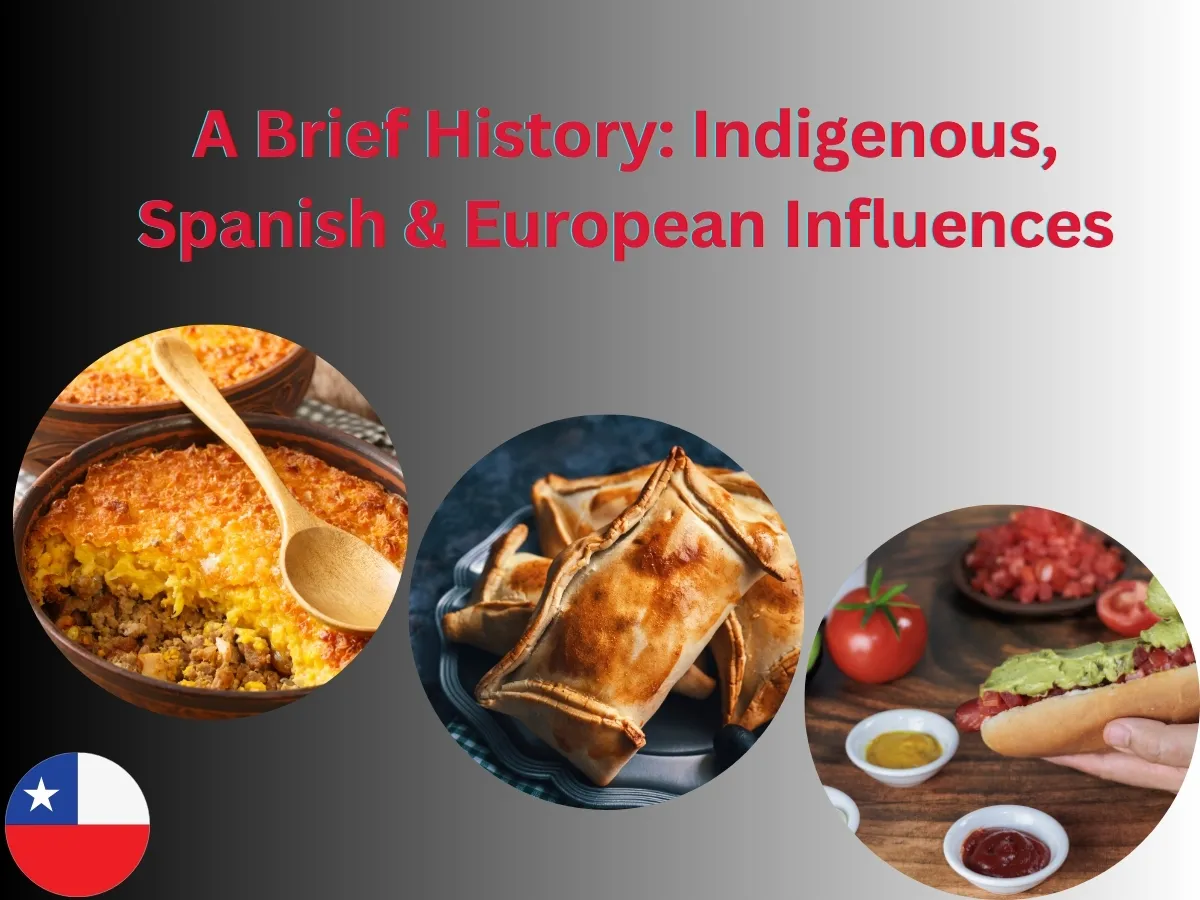
🇨🇱 From Sea to Mountains: 7 Flavors of Chile
Savor the Culinary Artistry of Chile's Food Trends and Indigenous Roots.
| Dish & Roots | The Story of Fusion | Gastronomic View |
|---|---|---|
|
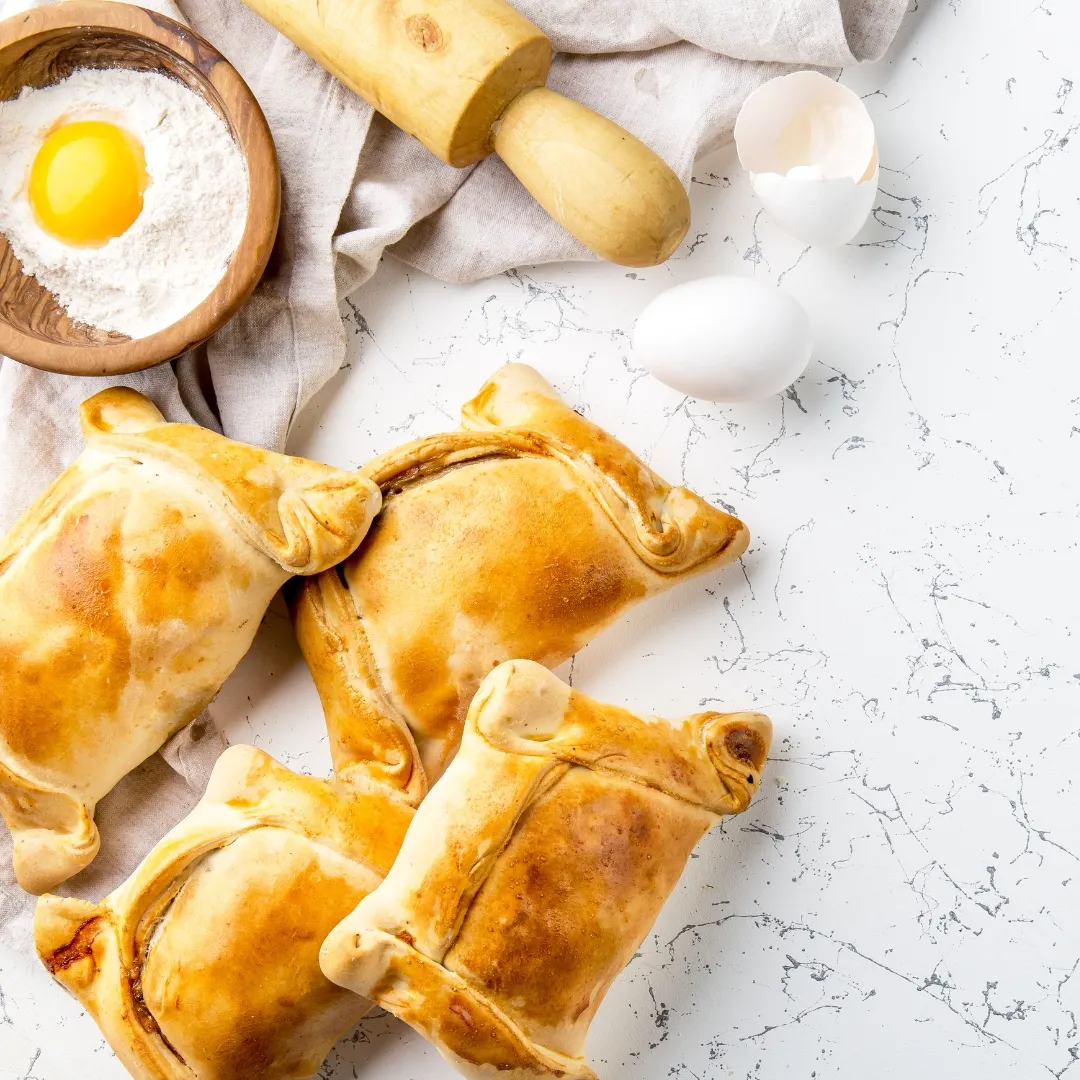
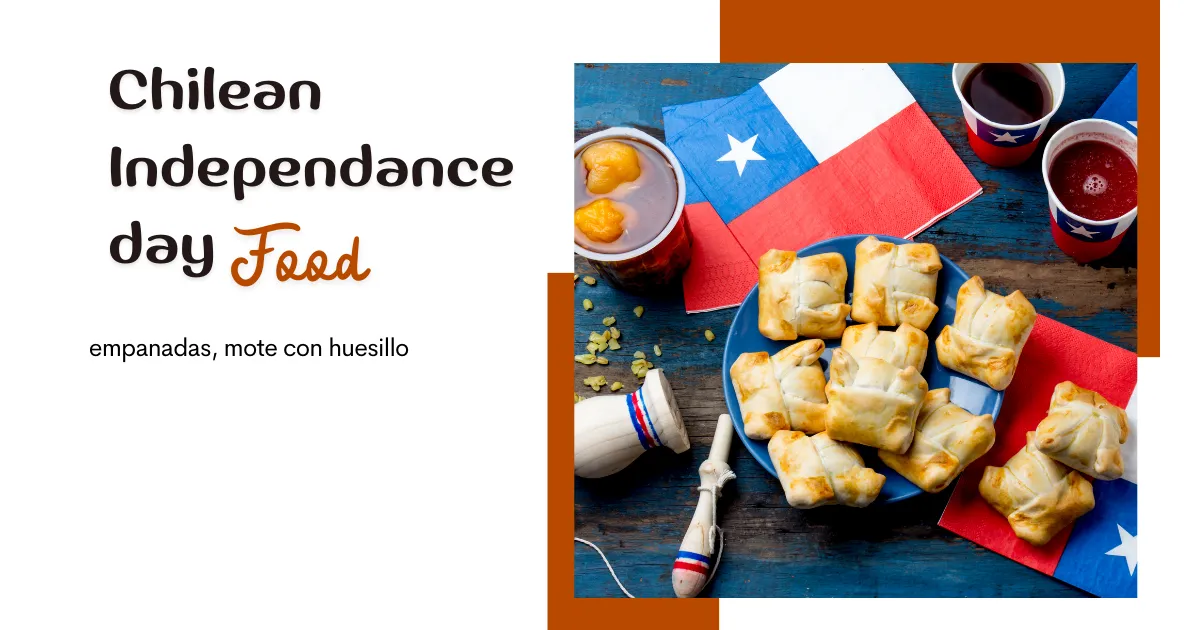
Empanadas
Indigenous x European
|
Chilean empanadas are a perfect example of cultural fusion. Beef, cheese, and seafood fillings showcase Mapuche flavors, while the wheat flour dough reflects European influence. |
|
|
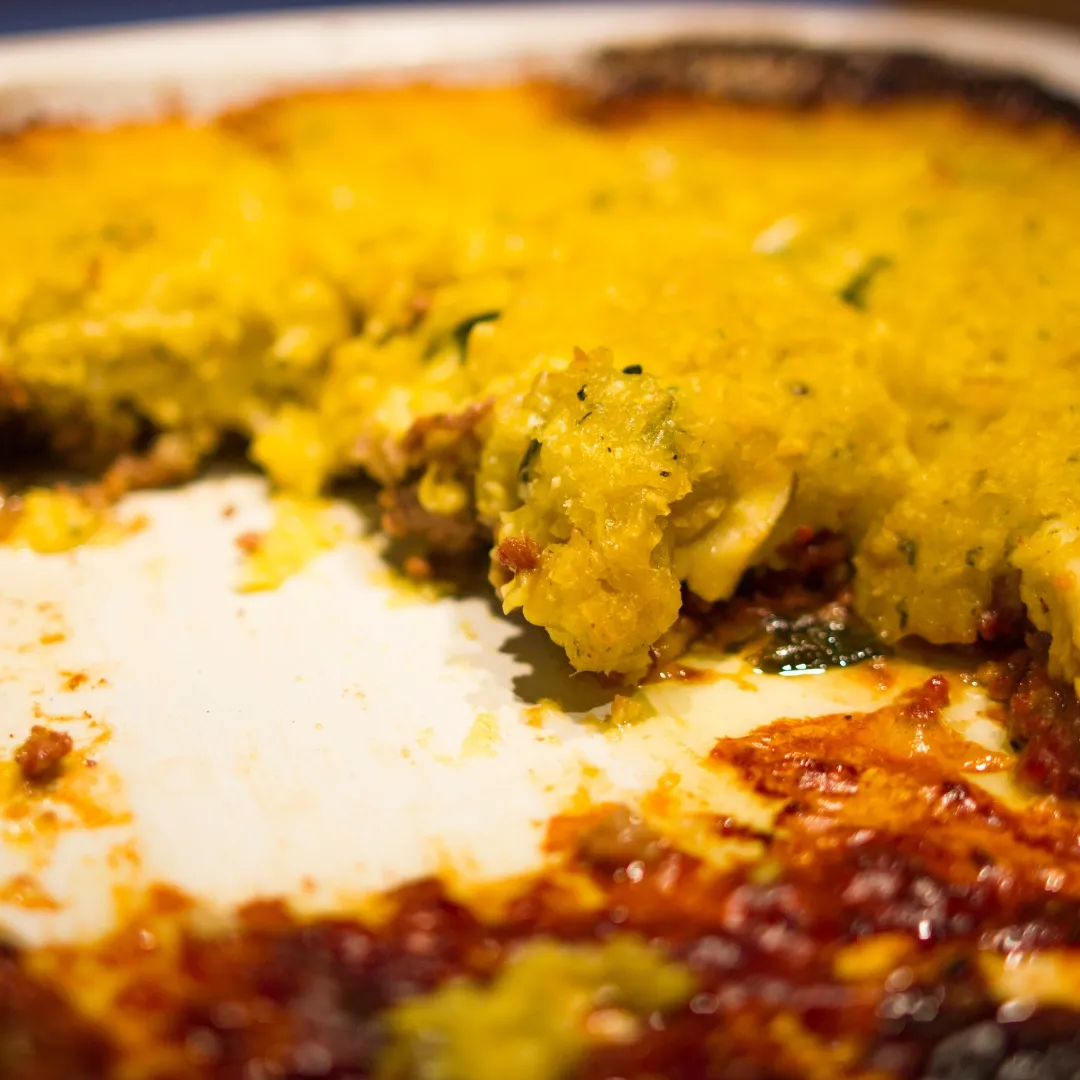
Pastel de Choclo
Corn x Spanish Spice
|
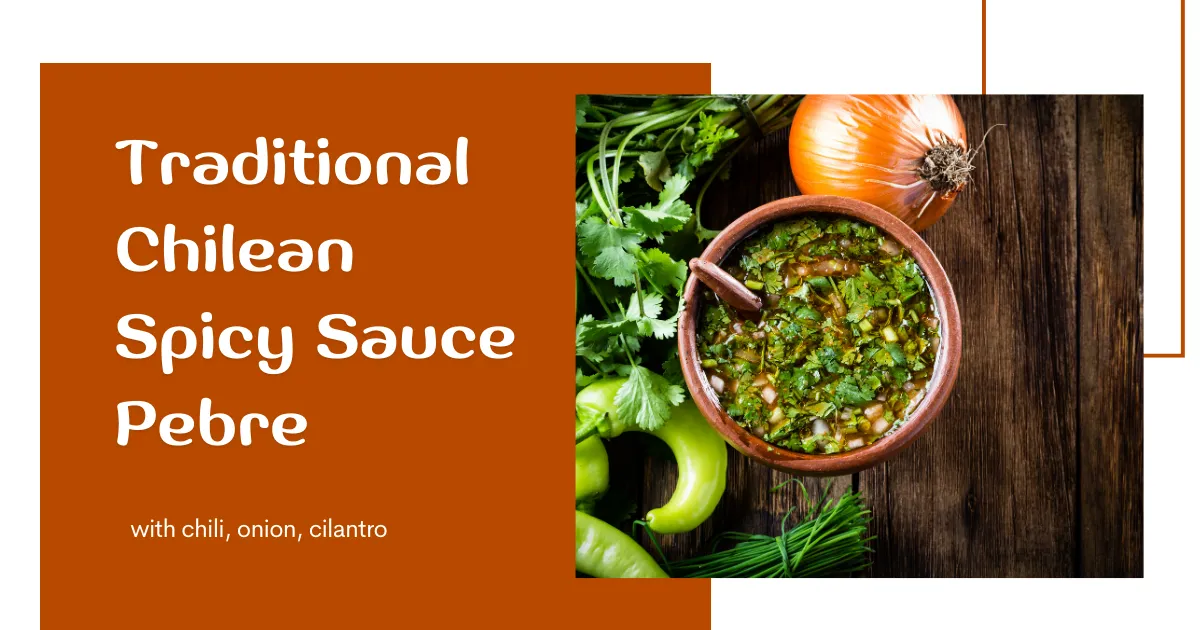
A Sweet and Savory Delight blending native corn with Spanish meat preparations. Often paired with spicy pebre for an extra layer of complexity. |
|
|
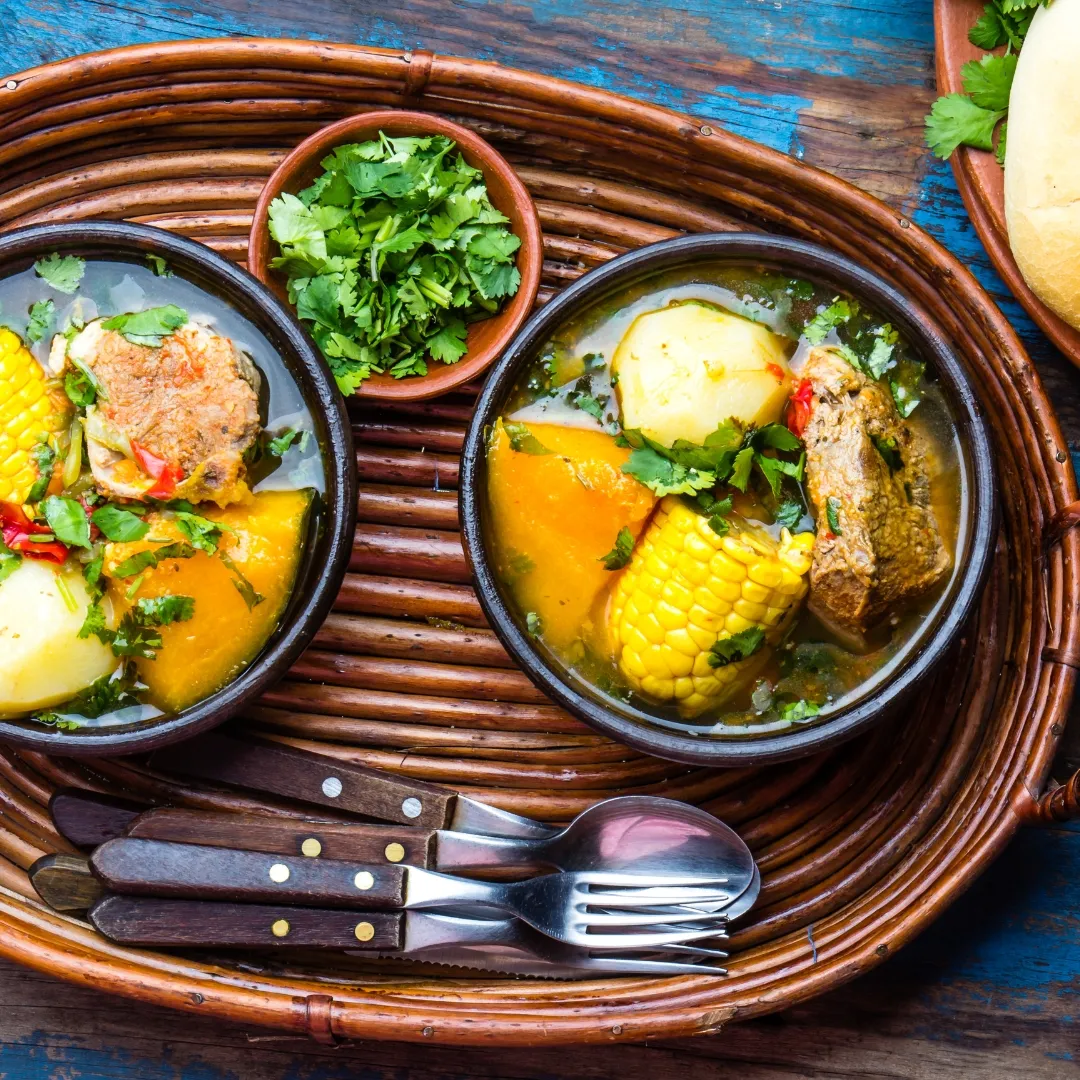
Cazuela
Global Hearty Stew
|
A classic comfort dish using beef or chicken with pumpkin and carrots (Spanish influence) combined with native corn and peas. |
|
|
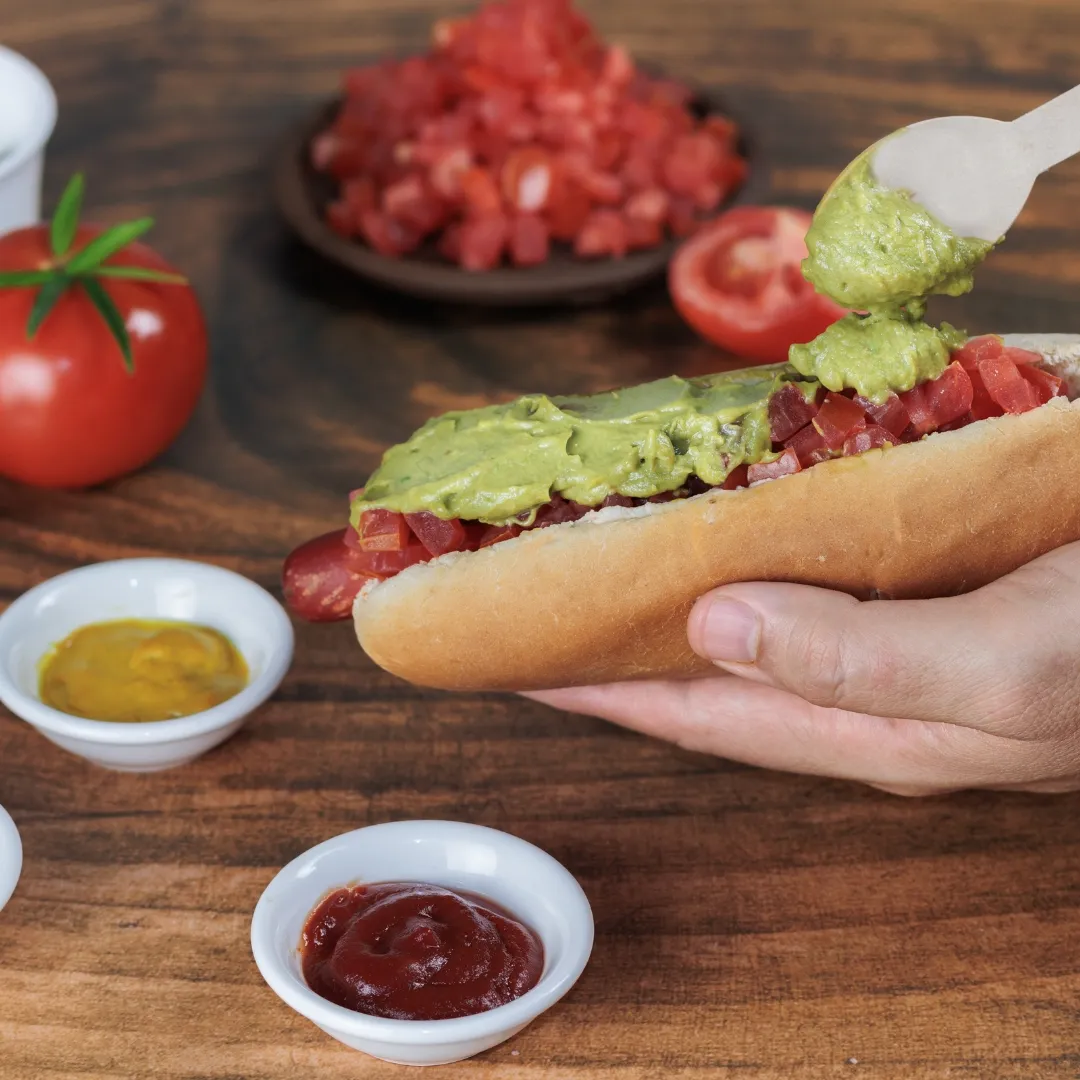
Completo
Immigrant Evolution
|
The Chilean twist on the hot dog, piled high with avocado, sauerkraut, and mayo. Reflects the influence of German and Mediterranean immigrants. |
|
|
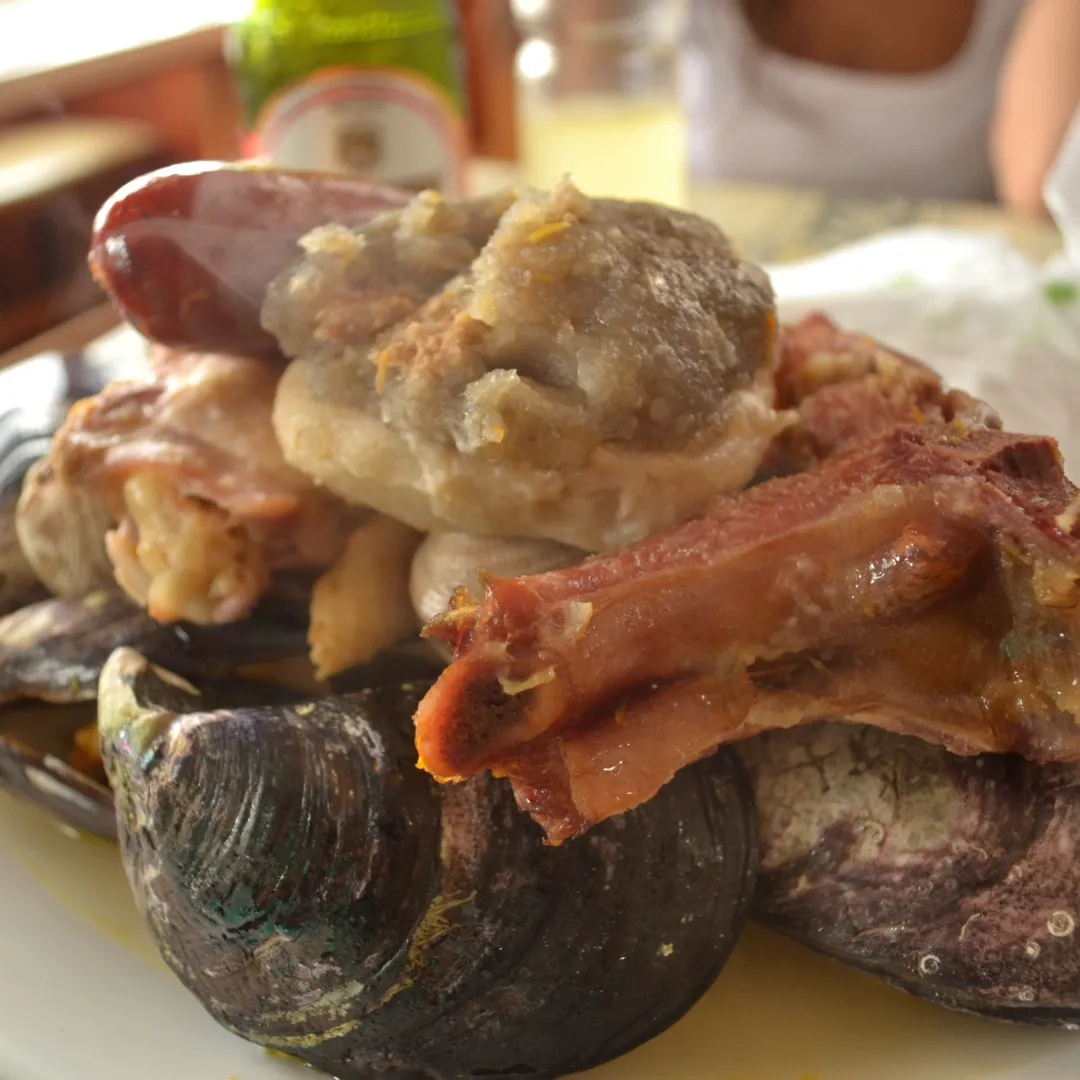
Curanto
Chiloé Tradition
|
An ancient method of cooking seafood, meat, and potatoes in an underground pit. A powerful representation of Chiloé's indigenous cultural fusion. |
|
Slide left or right to explore the full Chilean menu ↔️
🌿 Indigenous Mapuche Culinary Traditions
Honoring the ancestral ingredients and sacred flavors that form the bedrock of Chilean gastronomy.
| Traditional Dish | Cultural Significance & Profile | Ancestral View |
|---|---|---|
|
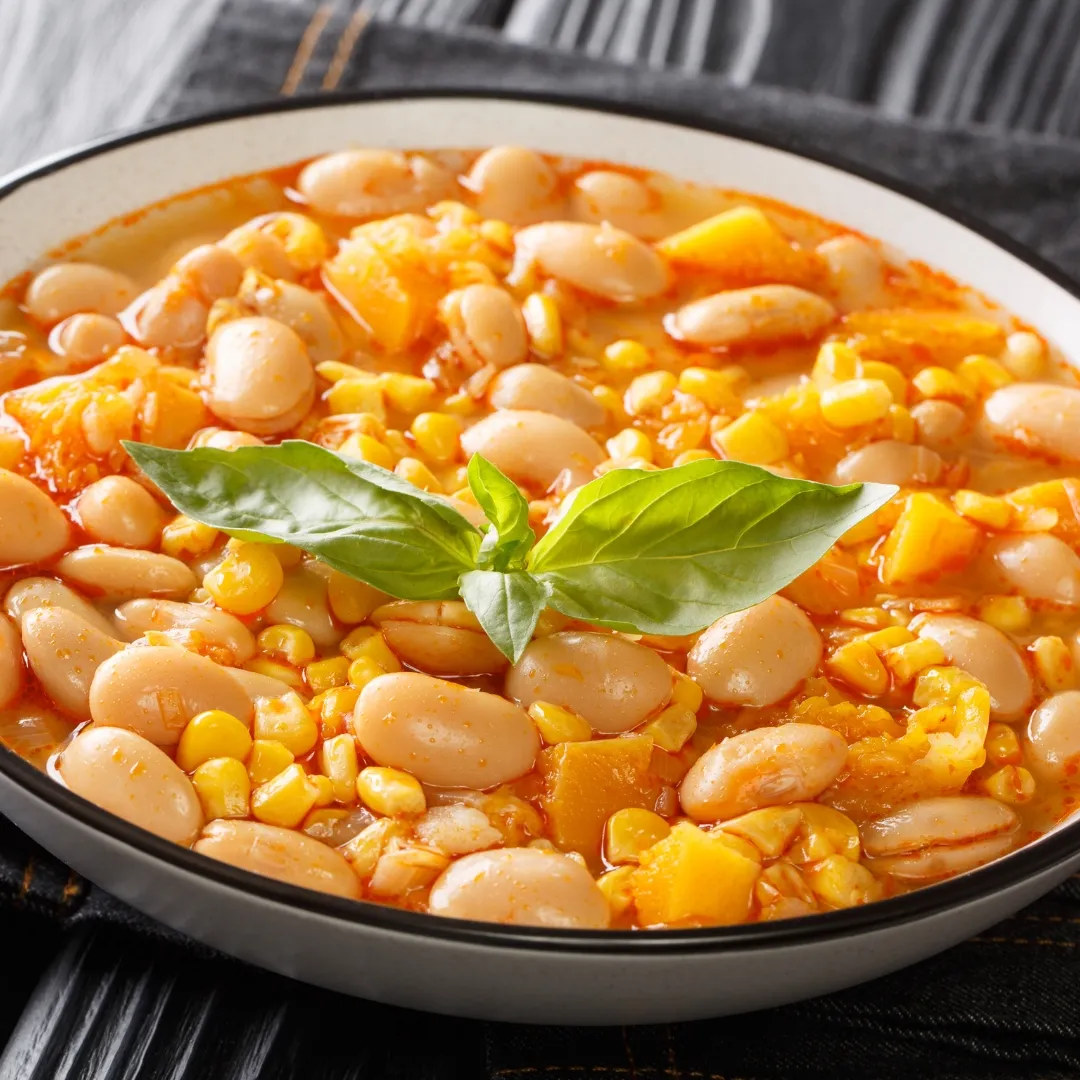
Porotos Granados
Harvest Stew
|
A comforting showcase of cranberry beans and corn—vital crops in Mapuche agriculture. Combined with pumpkin and spices, it creates a deeply flavorful, earthy stew. |
|
|
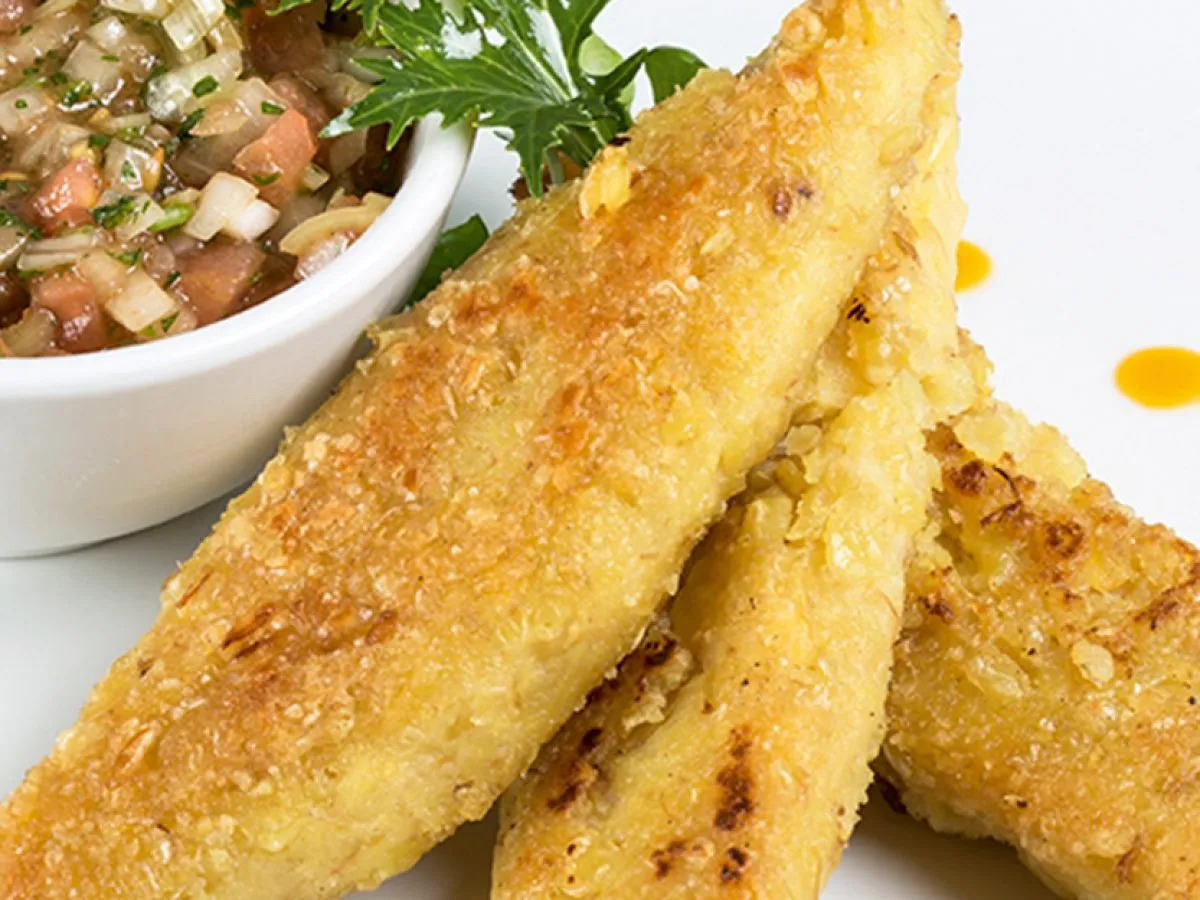
Catuto
Ancestral Wheat Patties
|
A staple made from ground wheat, often shaped into oblong patties. It is a versatile bread-like accompaniment served at ceremonial meals and daily gatherings. |
|
|
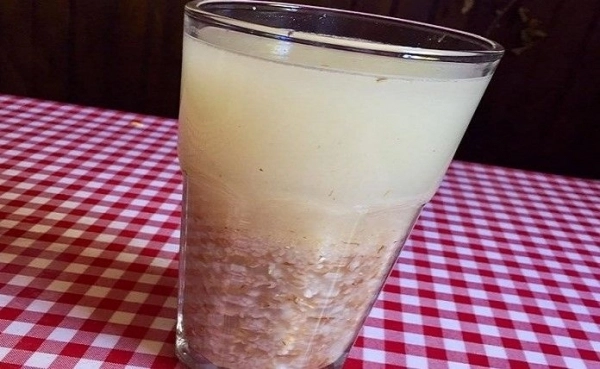
Muday
Sacred Beverage
|
A traditional fermented corn or wheat drink. Slightly sour and incredibly refreshing, it is used as a festive beverage and a traditional remedy. |
|
|
Mültrún
Ceremonial Bread
|
A special bread crafted from wheat flour, often enriched with nuts and dried fruits. It holds deep cultural significance and is primarily prepared for spiritual ceremonies. |
|
|
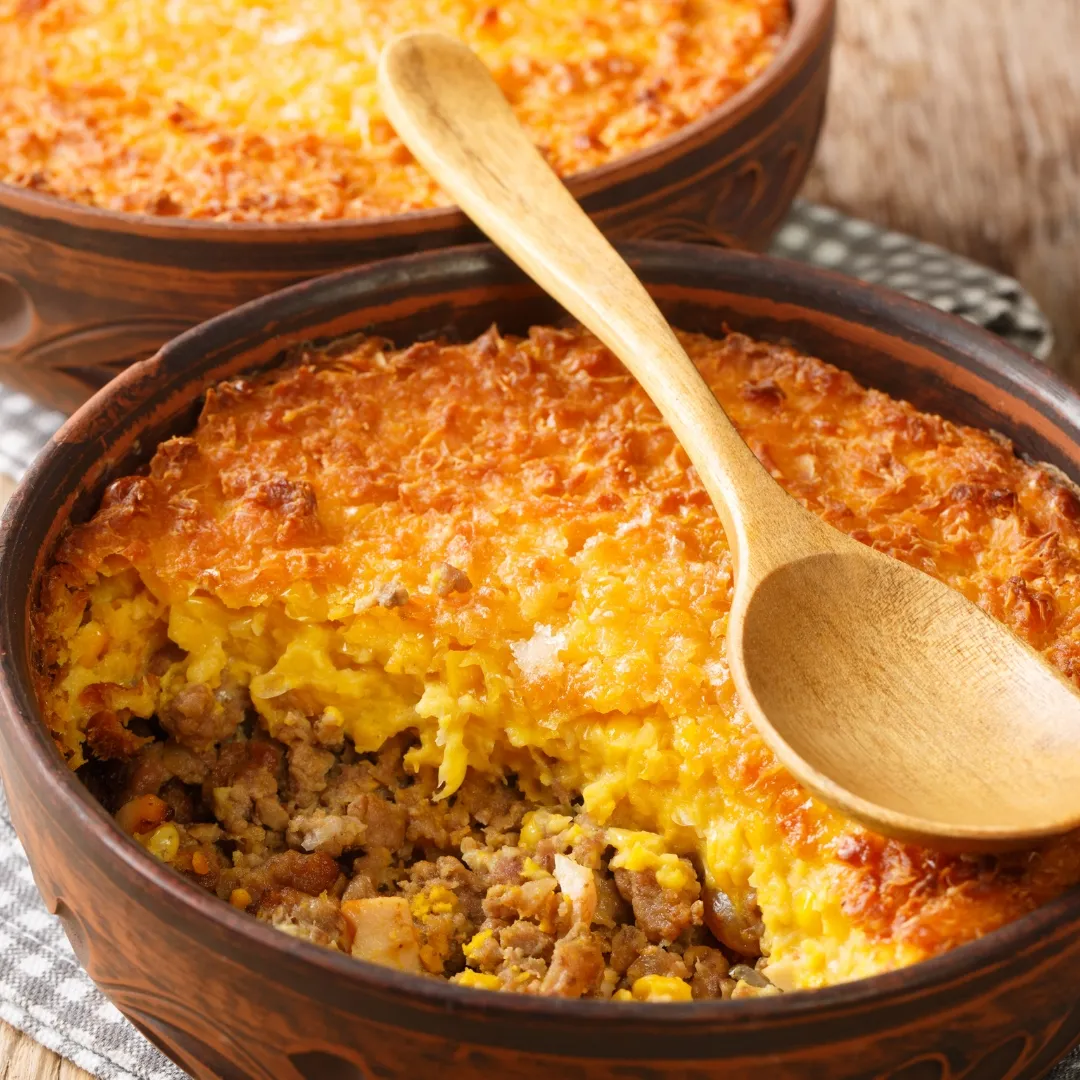
Pastel de Choclo
Beloved Hybrid
|
A masterpiece of fusion. It centers on Choclo (corn), a staple introduced by the Mapuche, baked into a savory casserole with seasoned meats and olives. |
|
Explore the foundations of Chilean flavor — Swipe for more details ↔️
South American Traditional Dishes
Exploring rich culinary heritage, vibrant coastal fresh flavors, and timeless grill traditions
South American culinary culture offers an extraordinary spectrum of flavors, ranging from citrus-marinated fresh seafood along the Pacific coast to slow-roasted meats across the vast Southern plains. Grounded in ancestral preparation techniques and rich regional ingredients, these traditional dishes represent a foundational pillar of daily life, celebration, and family gatherings.
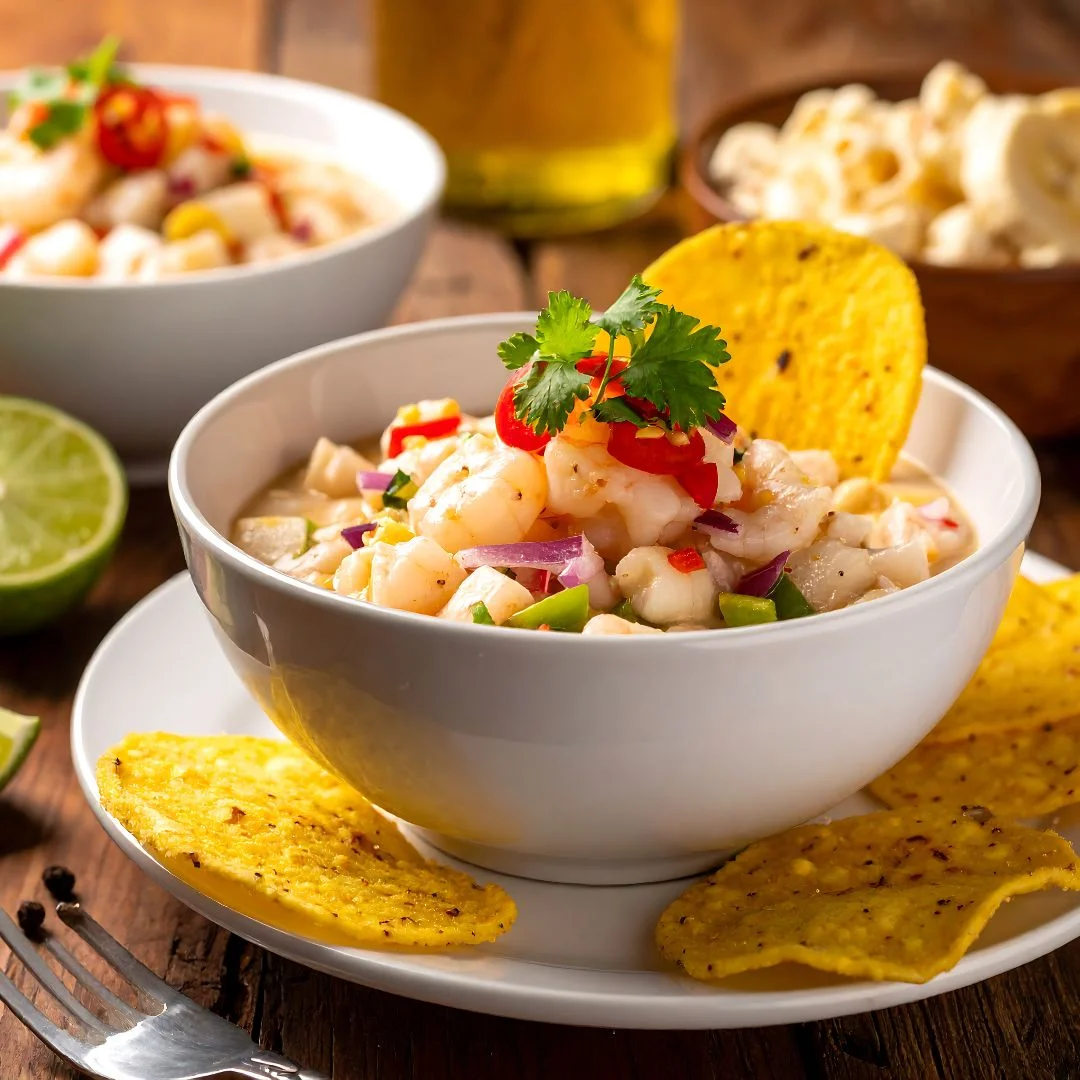
🐟 Peruvian Ceviche
Considered a cultural treasure of Peru, raw fresh fish is cured in freshly squeezed key lime juice and seasoned with red onions, aji amarillo peppers, and cilantro. Explore different regional preparation methods in this guide on ceviche varieties.
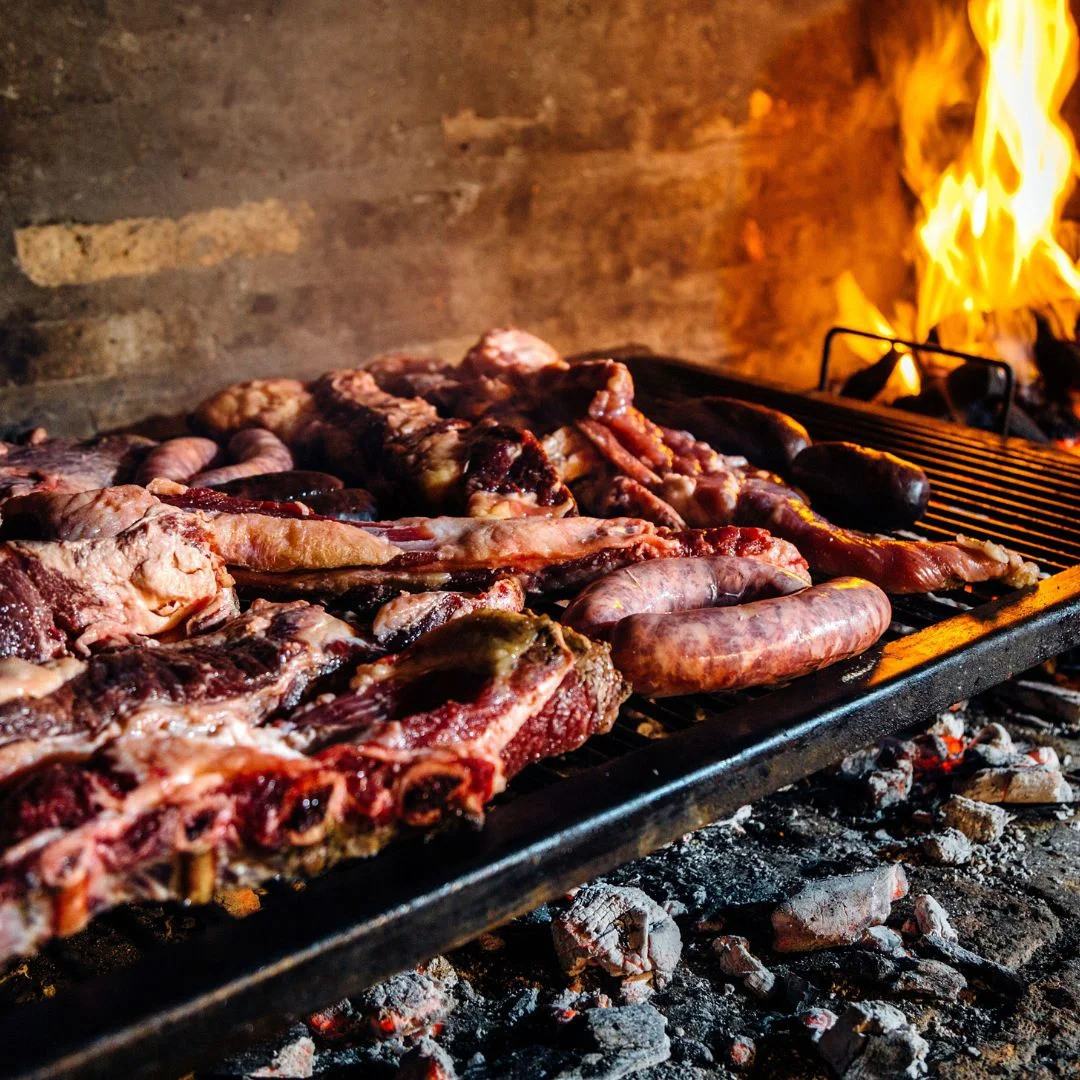
🔥 Argentine Asado
Far more than a meal, the traditional barbecue is a cornerstone social ritual. Prime cuts of beef, ribs, and sausages are slow-cooked over wood fire embers. Learn more about the cultural significance of meat in Argentina's asado beef culture.
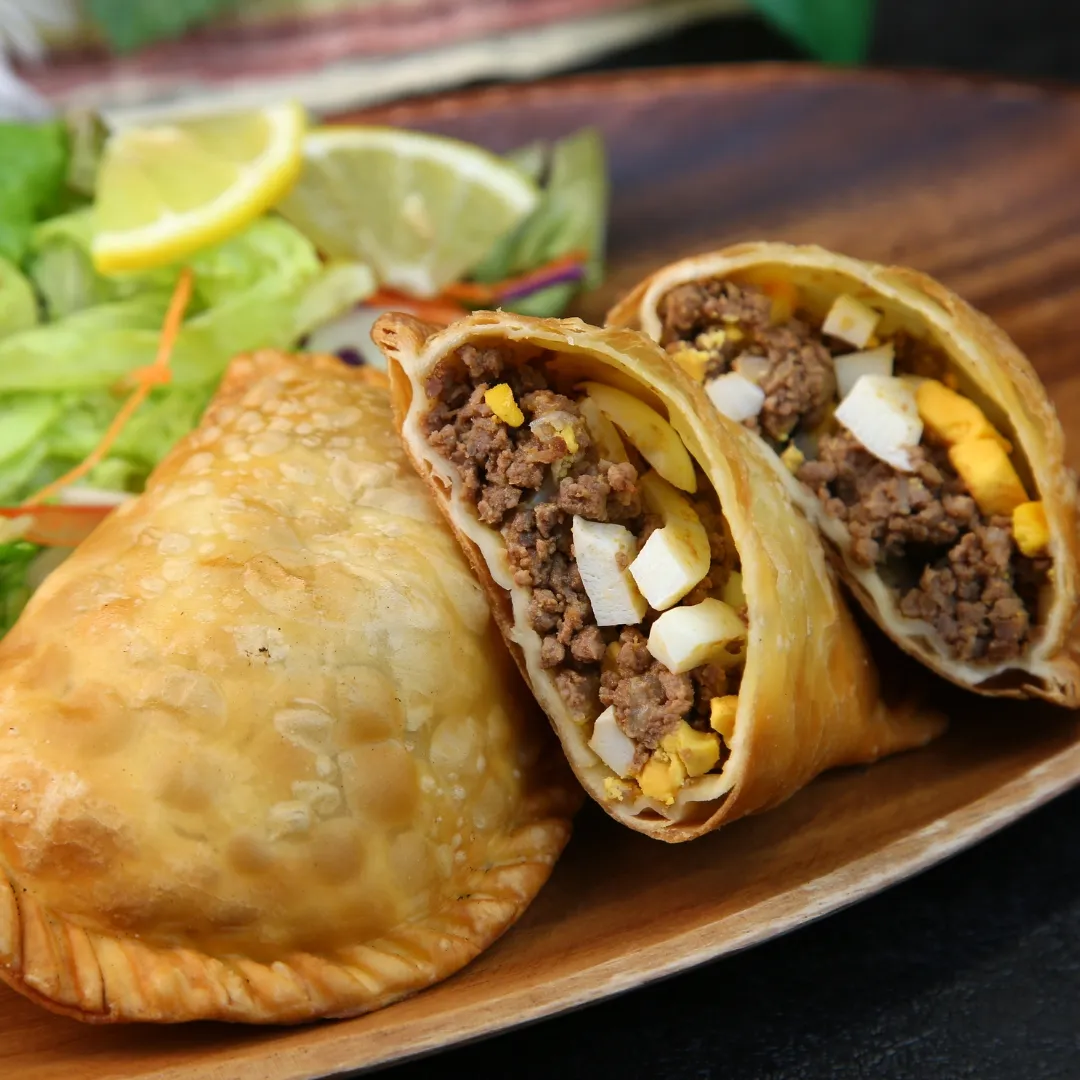
🥟 Traditional Empanadas
Savory pastry turnovers baked or fried with savory fillings like ground beef, spiced chicken, sweet onions, or melted cheese. Delve into regional recipes across South America in our overview of Argentine cuisine classics.
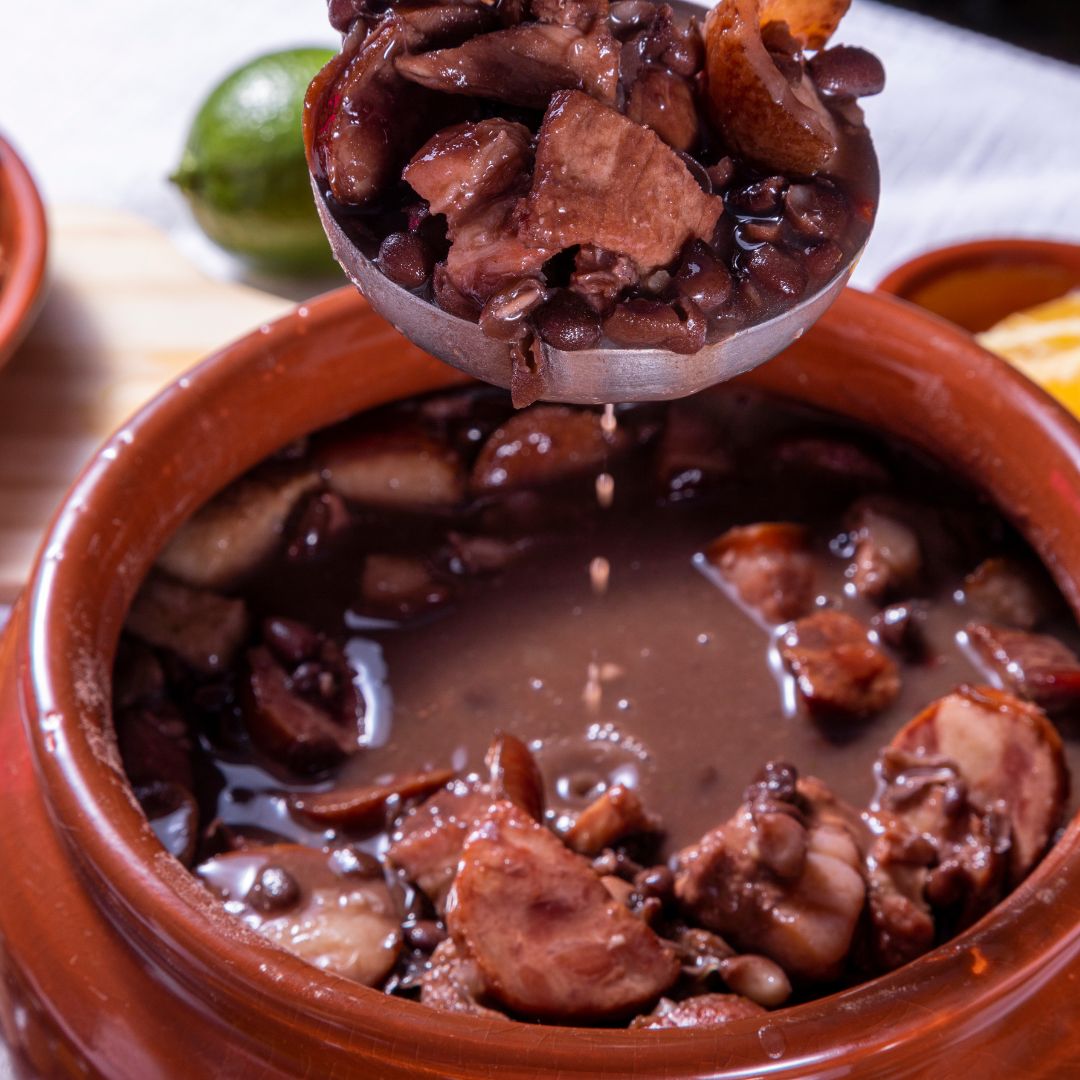
🍲 Feijoada Brasileira
Brazil's national stew features black beans slow-simmered with salted pork, smoked sausage, and beef. Typically served with white rice, toasted cassava flour (farofa), sautéed collard greens, and fresh orange slices.
September 29, 2026 at 9:50 am[…] Famous for vibrant Ají Amarillo, citrusy fresh ceviches, and bold coastal-Andean fusion dishes that lead modern Innovative Food Trends. Discover authentic regional techniques on FoodAtWorld's South American culinary guides. […]