
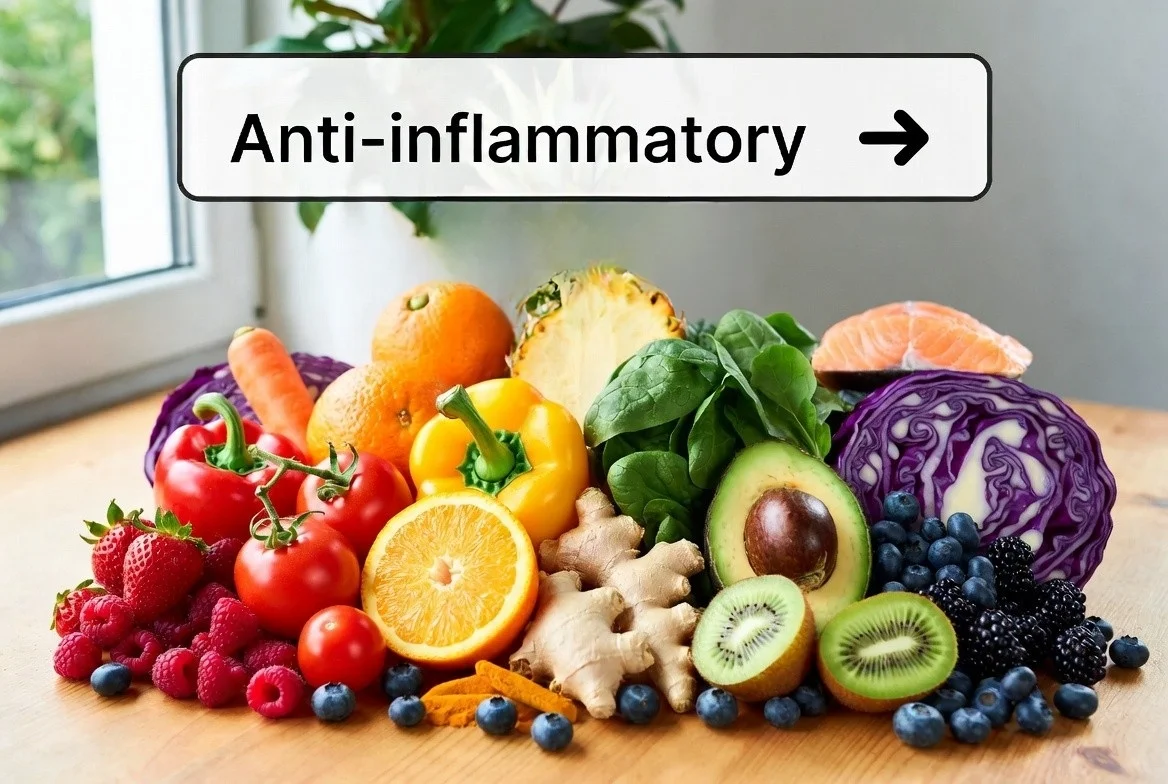
What if the secret to fighting fatigue, brain fog, and stubborn weight wasn’t in a pill—but hiding in plain sight on your grocery store’s produce aisle? Welcome to the Anti-Inflammatory Rainbow Diet, a vibrant, science-backed approach that turns your plate into your most powerful wellness tool. This isn’t just about eating pretty food; it’s about harnessing the unique disease-fighting powers of every hue—from the lycopene in Mediterranean tomatoes to the anthocyanins in Japanese purple sweet potatoes.
Ready to add a splash of color to your plate AND your life? 🌈
The Anti-Inflammatory Rainbow Diet is a global culinary adventure. Imagine starting your morning with a golden turmeric latte (India’s yellow), snacking on crunchy purple cabbage slaw (a Korean staple), and ending your day with a hearty Moroccan tagine bursting with red peppers and orange carrots. By eating this way, you’re not just nourishing your body—you’re traveling the world through flavors, calming chronic inflammation, and giving your skin the tools to glow from the inside out.
Ready to unlock the rainbow? Let’s dive into how each color fights for your health—and how you can start adding one extra color to your plate today. 🌈🍽️
🌈 Why You Should Eat the Rainbow: The Science of Phytonutrients
each color tells a story — of protection, energy, and vitality
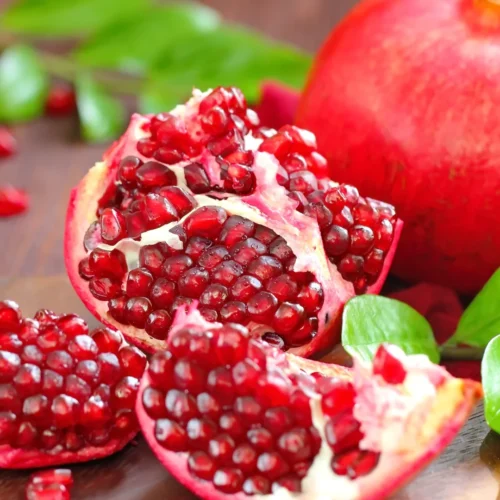
❤️ Red & Pink: The Heart Protectors
lycopene · heart protection
🧡 Orange & Yellow: The Immunity Boosters
beta-carotene · vision + immunity
💚 Green: The Detox & Gut Health All-Stars
chlorophyll · fiber · folate
💙 Blue & Purple: The Brain & Memory Foods
anthocyanins · brain health
🤍 White & Tan: The Unsung Immune Heroes
allicin · immune boosters
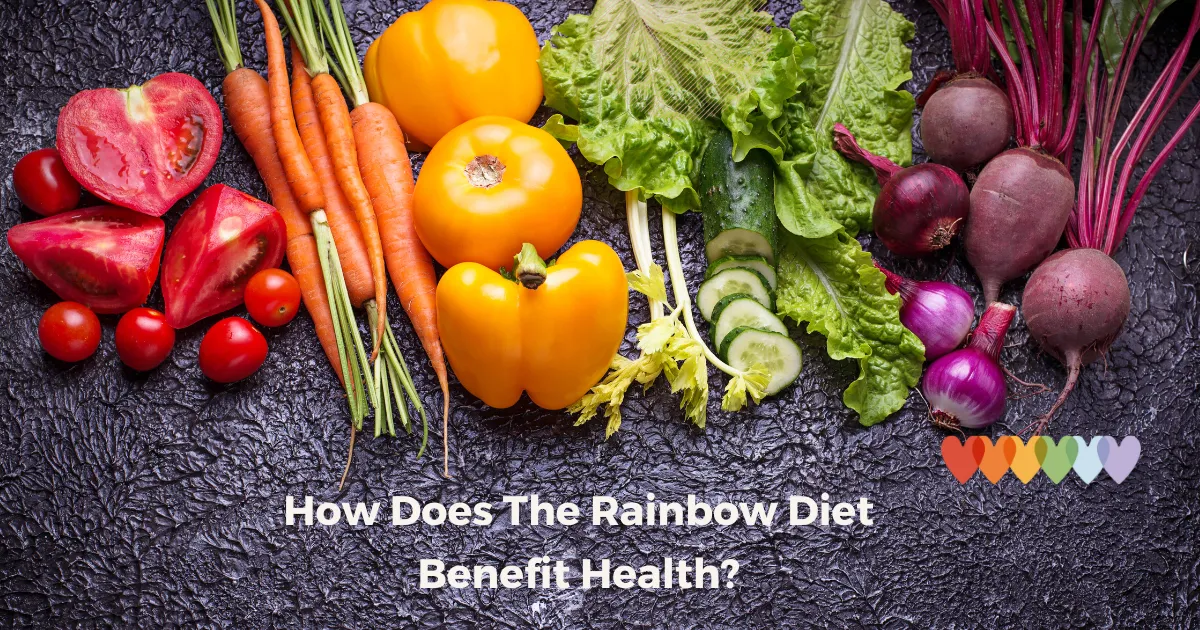
✨ How the Rainbow Diet Supports Weight Loss ✨
digestive health
mood & energy
skin health
🌈 the rainbow effect is real 🌈
when you eat color, you’re not just feeding your body — you’re nourishing your gut bacteria, calming inflammation, and giving your skin the tools to glow. start with one extra color today.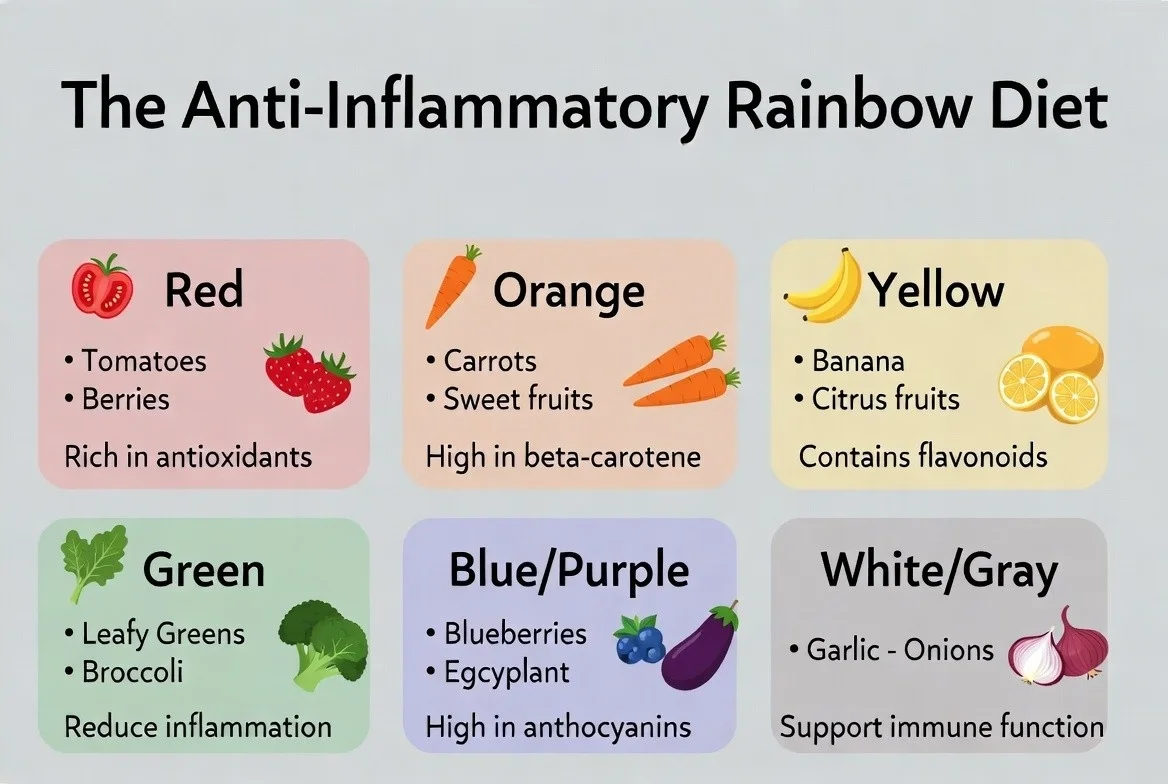
🌱 Fuel Your Goals with Flavor: Smart Starts & Snacks for a Calorie Deficit
Achieving a calorie deficit for weight loss doesn’t mean resigning yourself to bland, boring meals or battling constant hunger pangs. It’s about making vibrant, intelligent choices that keep you energized, satisfied, and excited to eat! When you pair the science of a calorie deficit with the phytonutrient power of the Anti-Inflammatory Rainbow Diet, you unlock a secret weapon: weight loss that actively fights chronic inflammation, stabilizes your blood sugar, and preserves lean muscle—all while tantalizing your taste buds with global flavors.
Let’s explore how to make your mornings and snack times work for your goals, turning every bite into a step toward a healthier, more radiant you.
🌅 Global Rainbow Breakfasts That Defy the Deficit
Starting your day with a calorie-conscious breakfast sets the tone for success. But instead of reaching for sugary cereals (which spike inflammation and crash your energy), think globally and eat colorfully!
The Mediterranean Sunrise: Dive into creamy Greek yogurt topped with a handful of ruby-red berries, a sprinkle of crunchy pistachios, and a quarter of a tangy pink grapefruit. This breakfast delivers a powerful dose of vitamin C and anthocyanins—key players in the Anti-Inflammatory Rainbow Diet—to kickstart your metabolism and keep you full for hours.
The Asian-Inspired Scramble: Whisk up scrambled egg whites with vibrant green spinach, a dash of turmeric (for that golden, anti-inflammatory kick), and a side of sliced yellow kiwi. This offers an outstanding balance of lean protein and gut-friendly fiber, providing sustained energy that curbs mid-morning cravings and prevents overeating later in the day.
🥗 Smart Snacking Around the World (Without Breaking Your Calorie Deficit)
When hunger strikes between meals, strategically planned snacks are your secret weapon for maintaining a calorie deficit without feeling deprived. Skip the processed chips and travel the world with these low-calorie, high-impact bites:
Crunchy Mediterranean Chickpeas: Roasted yellow split peas (a popular street snack in the Middle East) are surprisingly high in plant-based protein and fiber, making them an incredibly filling, low-calorie crunch that supports gut microbiome diversity.
Japanese Edamame Pods: Lightly steamed and sprinkled with sea salt, these green soybeans are packed with protein and folate, helping stabilize blood sugar and support muscle repair—crucial when you’re in a deficit.
A Taste of the Americas: A small handful of raw almonds paired with a few slices of juicy purple plums. The healthy fats from the nuts and the anthocyanins from the fruit work synergistically to fight inflammation and keep you mentally sharp.
The Rainbow Deficit Mindset
Remember, a calorie deficit is about consistent, informed, and joyful choices—not deprivation. By prioritizing high-protein, low-calorie meals and snacks that are bursting with the colors of the Anti-Inflammatory Rainbow Diet, you’re not just managing your weight. You’re actively nourishing your gut bacteria, calming systemic inflammation, and fueling your body with the diverse micronutrients it craves. This approach makes your weight-management journey not only sustainable but also delicious and vibrant.
5-Day Rainbow Meal Plan for Anti-Inflammation
A vibrant 1300–1600 calorie guide focused on nutrient density and color variety.
Red & Purple Energy
~1500 CalOrange & Yellow Glow
~1400 CalGreen Vitality
~1300 CalBlue & Indigo Focus
~1500 CalWhite, Pink & Black Balance
~1600 CalNote: Calorie counts are approximate. Adjust portions based on your individual activity level and needs.








August 6, 2026 at 3:06 pm[…] a gentle cleanser, moisturize regularly, and protect your skin from the sun. Healthy skin care habits keep you looking and feeling your […]