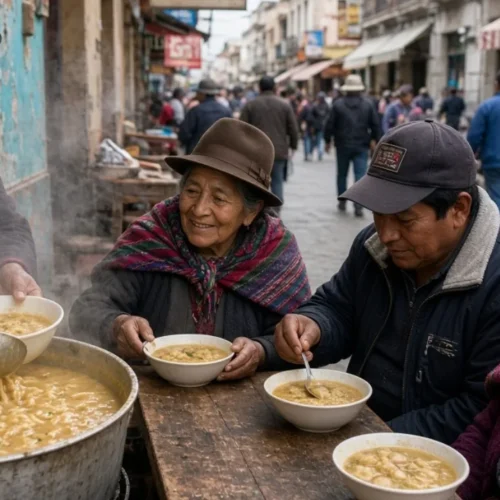
Cultural Cuisine: At the heart of every society lies a rich and diverse culinary heritage that reflects the unique history, identity, and wellness practices of its people. Food serves as far more than mere sustenance; it is a vital expression of cultural food traditions that have shaped human societies for generations. Across many global civilizations, the concept of food as medicine has guided how meals are prepared, drawing on natural ingredients to nourish both the body and the spirit while honoring time-tested rituals and beliefs.
- Explore the culinary world with unique food fusion and combinations.
- 🌍 Cultural Cuisine: Beyond Taste, Embracing Identity
- Food Cultures Around the World That Will Take Your Taste Buds on an Adventure
- Exotic Food Cultures Food as a Universal Bridge and Healing Tradition
- Summary: The Power of Global Food Traditions
Each nation boasts its own distinctive flavors, native ingredients, and cooking techniques, woven together into a tapestry of tastes that have evolved over centuries. These cultural food traditions often hold deep-rooted significance, shaped by local environments, natural resources, and historical events. By embracing food as medicine within these heritage recipes, we can gain deeper insight into the wisdom of those who came before us—fostering greater cross-cultural understanding, appreciation, and unity through shared nourishement.
Explore the culinary world with unique food fusion and combinations.
Food connects cultures across the globe in several ways. Firstly, the ingredients used in traditional dishes often reflect the local climate, geography, and agricultural practices of a particular region. This creates a unique culinary identity that is passed down through generations and becomes an integral part of the culture.
Secondly, the preparation and cooking techniques used in different cuisines also contribute to cultural connections. These techniques are often developed over centuries and are influenced by factors such as available cooking equipment, historical influences, and cultural traditions. Sharing these techniques and recipes allows for the exchange and preservation of cultural practices.
Additionally, the act of sharing meals and dining together is a universal social experience that transcends cultural boundaries. It is a way for people to come together, bond, and share stories, traditions, and values. Through food, people can learn about each other’s customs, beliefs, and ways of life, fostering understanding and appreciation for different cultures.
Food also plays a role in global trade and migration. As people move and settle in new places, they bring their culinary traditions with them, introducing new flavors and ingredients to their adopted communities. This exchange of food and culinary practices helps to create a diverse and multicultural society.
Overall, food serves as a powerful medium for cultural exchange, connecting people across the globe by celebrating diversity, promoting understanding, and preserving heritage.
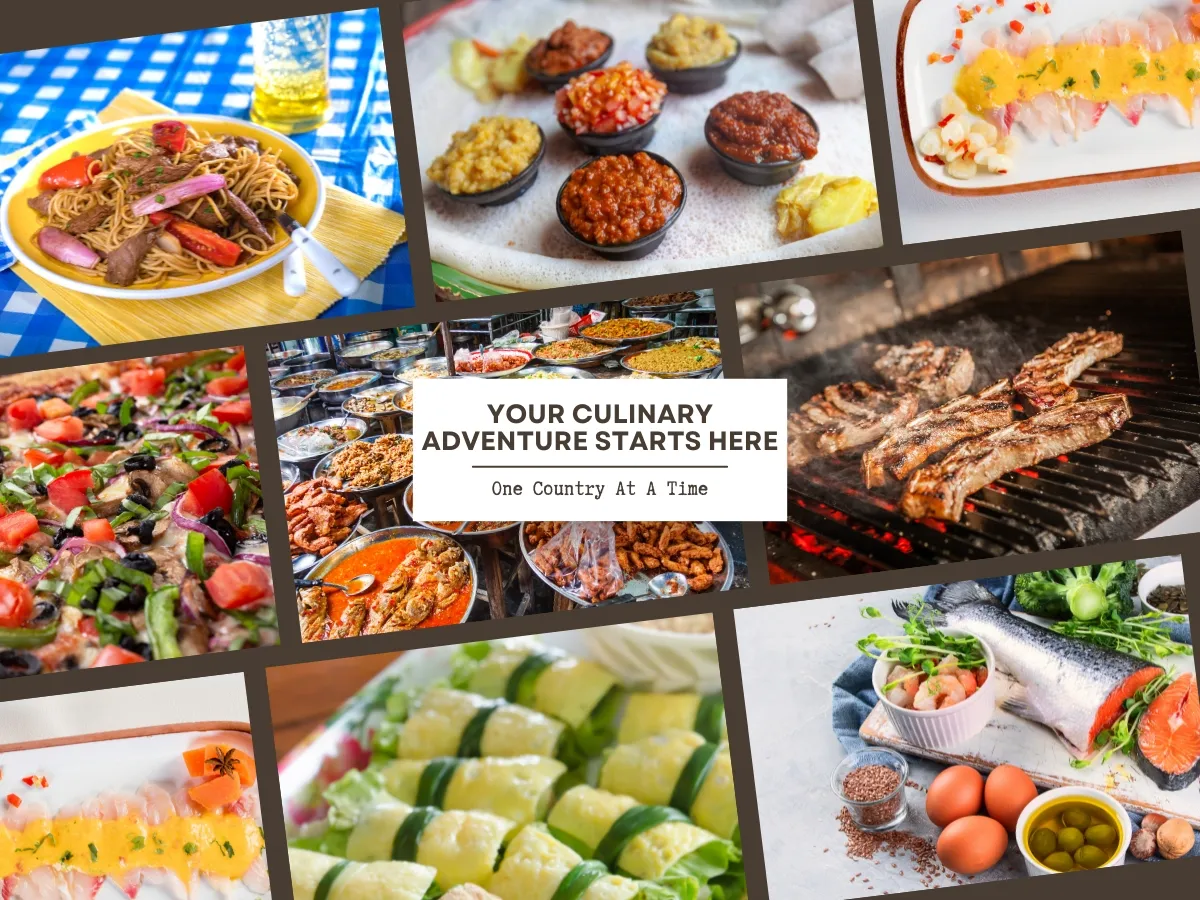
🌍 Cultural Cuisine: Beyond Taste, Embracing Identity
Food does more than nourish the body—it connects cultures across the globe in profound and meaningful ways. More than just a meal, food culture serves as a living bridge between people, traditions, and histories.
🌱 Ingredients Rooted in Place
The ingredients used in traditional dishes often reflect the local climate, geography, and agricultural practices of a region. This creates a unique culinary identity that is passed down through generations—becoming an integral part of the culture itself. From the olive groves of the Mediterranean to the rice paddies of Southeast Asia, food culture begins with the land.
🔪 Techniques That Tell Stories
The preparation and cooking techniques found in different cuisines are rarely accidental. Developed over centuries, they are shaped by:
- Available cooking equipment
- Historical influences
- Deeply held cultural traditions
Sharing these techniques and recipes allows for the exchange and preservation of cultural practices, ensuring that food culture continues to evolve while honoring its roots.
🍽️ The Universal Language of Sharing a Meal
The act of sharing meals is a universal social experience that transcends borders. It is a space where people:
- Come together and bond
- Share stories, traditions, and values
- Learn about each other's customs, beliefs, and ways of life
Through food, we foster understanding and appreciation for different cultures—one plate at a time.
🌎 Migration & Trade: Flavors That Travel
Food also plays a vital role in global trade and migration. As people move and settle in new places, they bring their culinary traditions with them, introducing new flavors and ingredients to their adopted communities. This exchange of food and culinary practices helps create vibrant, diverse, and multicultural societies.
✨ Conclusion: Food as a Bridge
Overall, food serves as a powerful medium for cultural exchange. It connects people across the globe by:
- Celebrating diversity
- Promoting understanding
- Preserving heritage
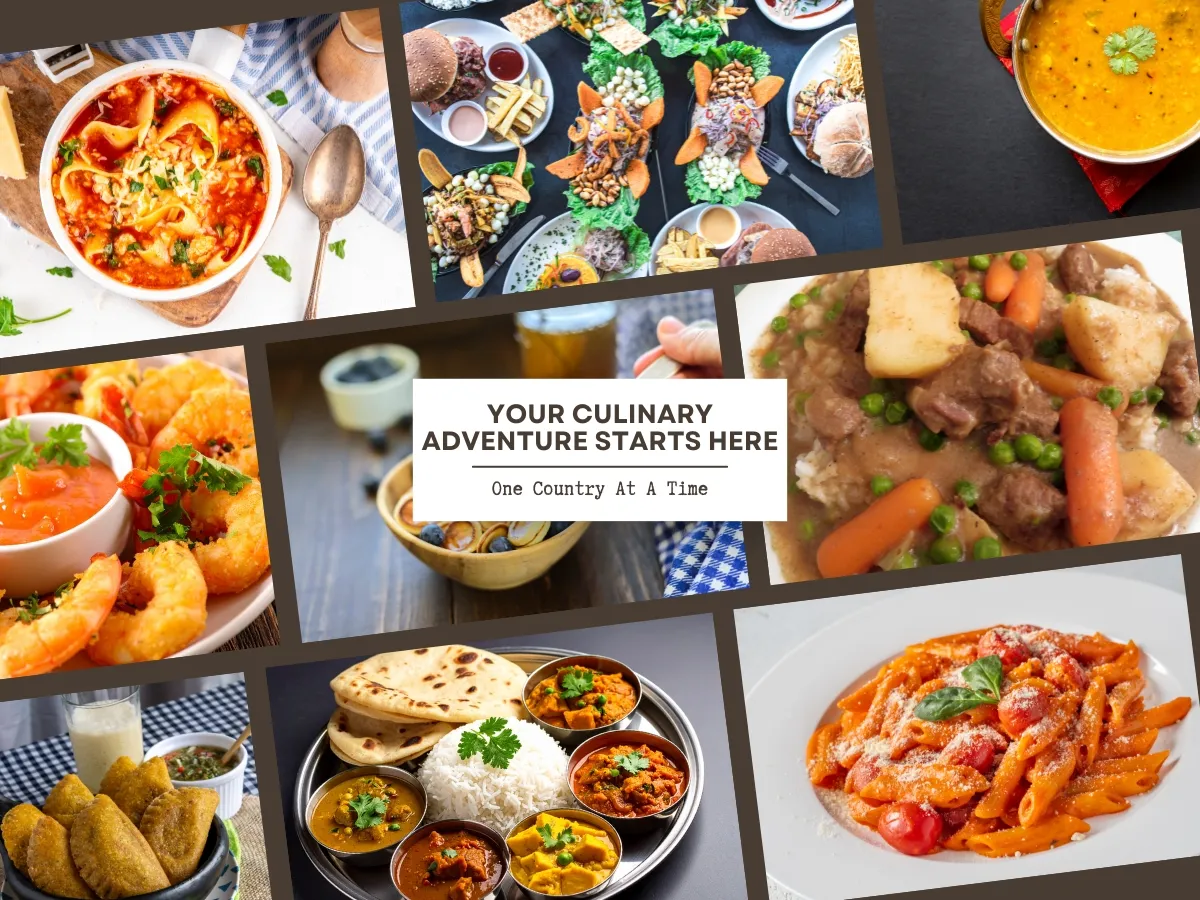
Food Cultures Around the World That Will Take Your Taste Buds on an Adventure
Exploring world culinary traditions with unique food fusions and vibrant cultural cuisine allows us to experience exciting new flavors and textures. Whether you're a fan of sushi, tacos, or pizza, these creative dishes offer a fresh and inspiring twist on traditional favorites.
Feast & Discover: Exploring these global destinations is not just about satisfying your appetite, but also about immersing yourself in the rich history and unique flavors of authentic cultural cuisine. So, pack your bags, bring your curiosity, and get ready to embark on a delicious journey around the world!
1. Italy: The Land of Pasta and Pizza
Italy is famous for its rich culinary heritage, and it's no wonder why. From classic pasta dishes like spaghetti carbonara to mouthwatering pizzas topped with fresh ingredients, Italian dining is a feast for the senses. Don't forget to indulge in some gelato for dessert!
2. Mexico: A Paradise for Spice Lovers
If you love bold and fiery flavors, then Mexican gastronomy is for you. Tacos, enchiladas, and guacamole are just a few of the iconic dishes that showcase the vibrant and diverse flavors of Mexico. And let's not forget about the margaritas and tequila shots to wash it all down!
3. Japan: Where Art Meets Food
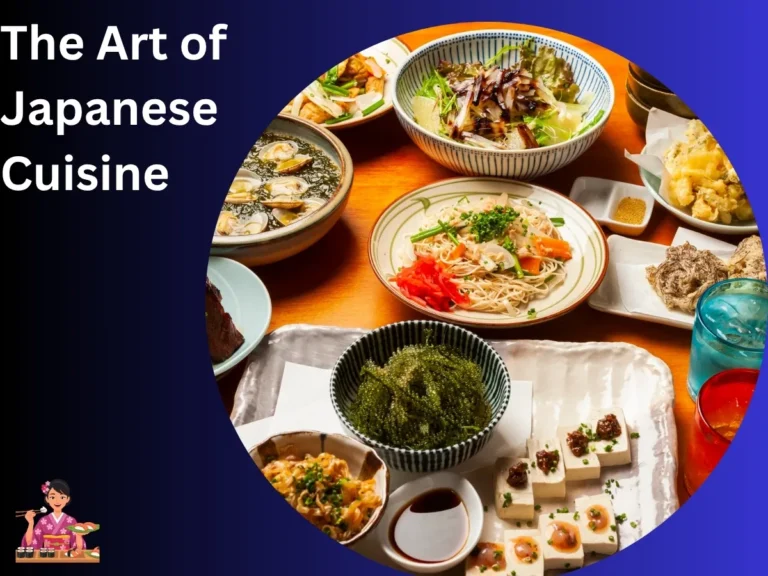
Japanese cooking is not only delicious but also remarkably artistic. From elegant sushi rolls to delicate sashimi, each dish is a work of art. Don't miss out on trying some authentic ramen and tempura while exploring the vibrant street food stalls across Japan.
4. India: A Spice Paradise
Indian dishes represent a true treasure trove of aromas and spices. From fragrant biryanis to fiery curries, every meal is bursting with a unique blend of seasonings. Make sure to sample some samosas and fresh naan bread to complete your culinary adventure.
5. Thailand: A Delight for the Senses
Thai recipes are renowned for their delicate balance of sweet, sour, spicy, and savory notes. From aromatic green curry to tangy pad Thai, each bite is a taste explosion. Complete your meal with a refreshing Thai iced tea or zesty mango sticky rice for dessert.
6. France: A Haven for Food Enthusiasts
When it comes to fine dining, France takes the crown. From buttery croissants to indulgent escargot, French culinary arts center on sophistication and flavor. And of course, you can't forget about the exquisite regional wines and cheeses that the country is famous for.
7. Greece: A Mediterranean Delight
Greek food is celebrated for its fresh ingredients and simple yet deeply satisfying preparations. From classic Greek salad to mouthwatering moussaka, every bite transports you straight to the Mediterranean coast. Enjoy some baklava for a delightfully sweet ending!
Exotic Food Cultures Food as a Universal Bridge and Healing Tradition
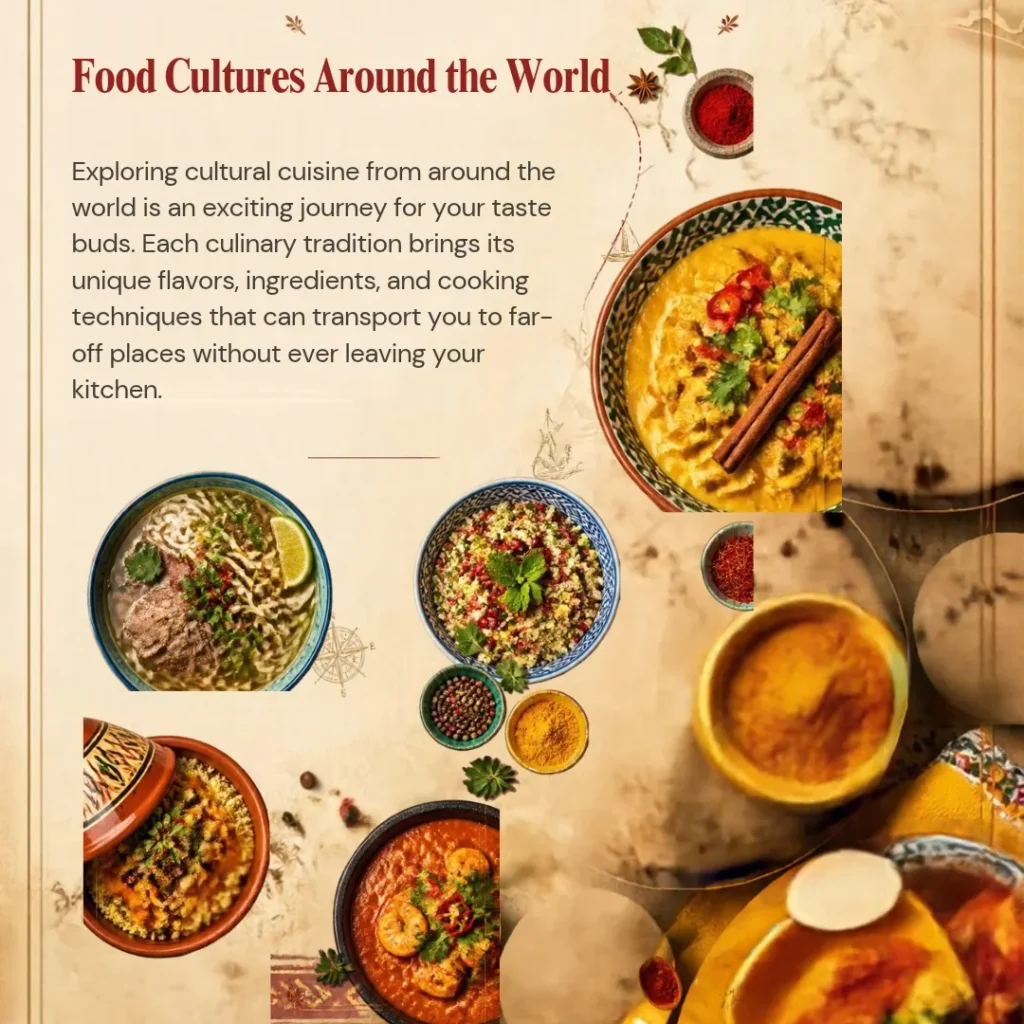
Exploring cultural cuisine from around the world is an exciting journey for your taste buds. Each culinary tradition brings its unique flavors, ingredients, and cooking techniques that can transport you to far-off places without ever leaving your kitchen.
Immersing yourself in authentic cultural cuisine opens the door to unforgettable recipes and vibrant global traditions. Let's explore some exotic food cultures that will take your taste buds on a true culinary adventure!
1. Mexico: A Fiesta for Your Taste Buds
Let’s be honest—Mexican food knows how to throw a party. From tangy salsas to hearty enchiladas, every bite is bold, spicy, and unforgettable.
Flavor Profile: Chili, cumin, cilantro, lime
Must Try: Tamales, guacamole, mole poblano
2. Thailand: Where Flavors Dance in Harmony
Sweet. Sour. Salty. Spicy. Thai dishes hit every single note with perfection. With aromatic herbs like lemongrass and galangal, every preparation tells a story of balance and tradition.
Flavor Profile: Lemongrass, Thai basil, coconut, lime leaf
Must Try: Green curry, pad thai, som tum (papaya salad)
3. Japan: The Art of Simplicity & Precision
Japanese cooking is proof that beauty lies in the details. Fresh ingredients, meticulous preparation, and stunning presentation create a feast for both the eyes and the palate.
Flavor Profile: Umami, soy, dashi, wasabi
Must Try: Sushi, ramen, tempura, matcha treats
4. India: A Symphony of Spices
Indian cuisine doesn’t just feed you—it transforms you. With layers of aromatic seasonings like turmeric, cumin, and cardamom, every meal is bold, warm, and deeply soulful.
Flavor Profile: Cumin, coriander, garam masala, turmeric
Must Try: Butter chicken, dal makhani, vegetable biryani
Your Passport to Global Flavors
No plane ticket? No problem! The world’s most exotic food traditions are waiting right in your kitchen.
Start with one cuisine this week:
Mexico: Salsa & tacos |
Thailand: Green curry |
Japan: Sushi rolls |
India: Spiced lentils
Summary: The Power of Global Food Traditions
Across every society, traditional cooking serves as much more than physical sustenance. Embracing global cultural cuisine allows us to honor localized ingredients, ancestral wisdom, and distinct regional identities while fostering cross-cultural unity and connection.
Furthermore, many heritage recipes integrate the philosophy of food as medicine, utilizing natural ingredients to nourish mind and body. By celebrating these cultural food traditions, we preserve history, build bridges across diverse communities, and experience the transformative power of shared meals.
- Filipino Food: History, Dishes & Cultural Significance
- Japanese Cuisine: A Complete Guide to Washoku, Regional Specialties, and Must-Try Dishes
- The Ethiopian Coffee Ceremony: How Community Brews for Hours
- Modern Vietnamese Cuisine: 5 Trends Shaping the Future of Food