
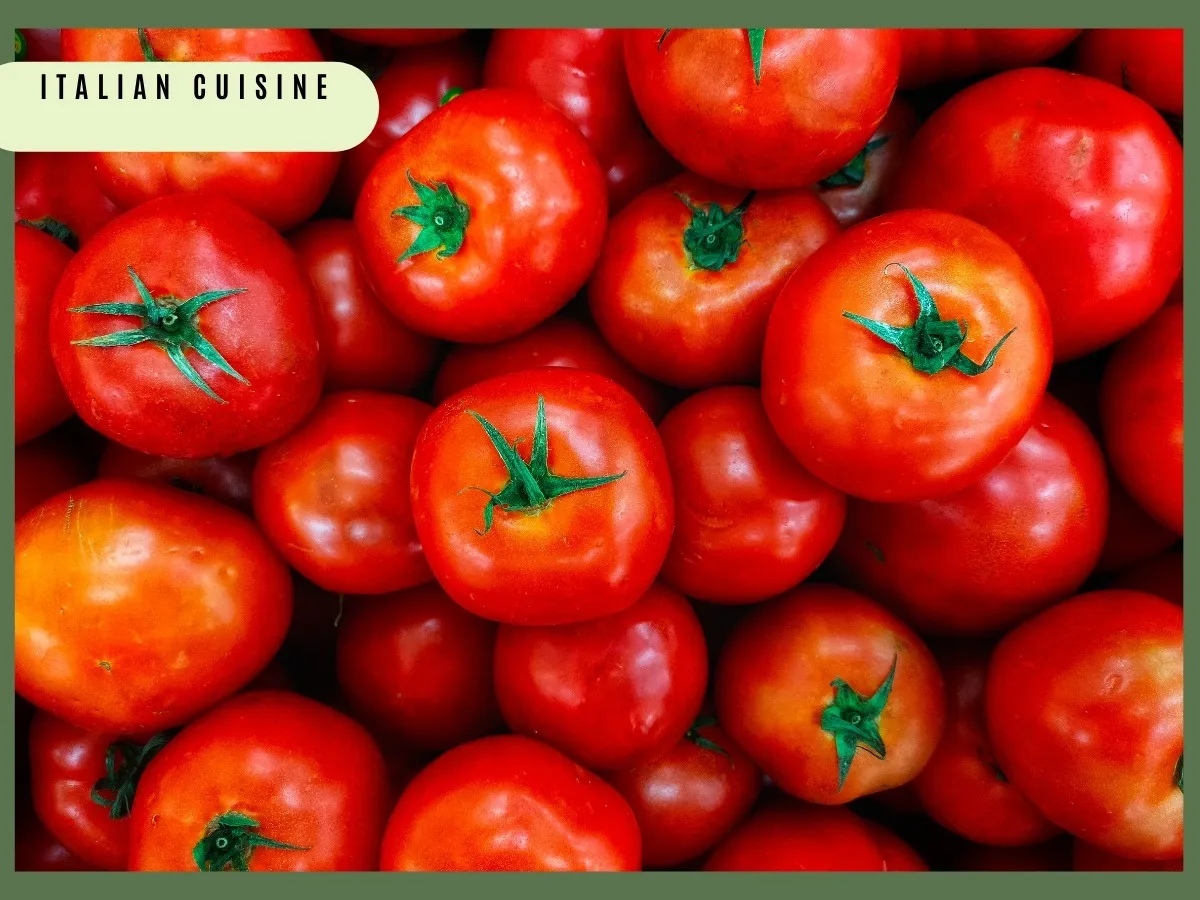
The vibrant red hue, the juicy flesh, the burst of flavor – the Italian tomatoes is a sensory delight. Its versatility makes it a cornerstone ingredient in countless Italian dishes.
A Brief History: From the Americas to Italy: Tomatoes in Italy: Tomatoes are the reigning queen of the Italian table, but that hasn’t always been the case. Tomatoes aren’t native to Italy. They originally came from Central and South America, and the Spanish brought them to Europe in the 16th century. There are more than 10,000 tomato varieties. The tomato has prospered in Italy because of its near-tropical climate.
Fruit or Vegetable? The Botanical vs. Culinary Answer
A fruit’s botanical classification is that it’s formed from flowers, has seeds, and assists with the plant’s reproduction process. From that standpoint, the tomato ticks all the boxes. Culinary classification is another thing altogether. Regarding cooking, fruits and vegetables are classified primarily based on their flavor profile and how they are utilized in cuisine. Tomatoes are almost always used in savory dishes, so we consider them vegetables.
Italian Tomato Varieties
A guide to the most famous types — each with its own personality, purpose, and place at the Italian table
San Marzano
The King of Sauce Tomatoes
Grown in the volcanic soil of the Campania region, near Mount Vesuvius. These plum tomatoes are longer, thinner, and less watery than Roma tomatoes, with a sweet-acidic balance and low seed count.
Cuore di Bue
"Oxheart" Tomato
A large, ribbed heirloom variety with a sweet, mild flavor and very few seeds. Its name comes from its irregular, heart-like shape. Prized for its meaty texture and low water content.
Pomodorino del Piennolo
Vesuvius Cherry Tomato
A small, grape-shaped tomato from the Vesuvius area, known for its thick skin and intense flavor. Traditionally hung in clusters ("piennolo") and stored for months without spoiling.
Pachino Cherry
Sicilian Cherry Tomato
Grown in the Pachino region of Sicily, these small, vibrant red tomatoes are prized for their exceptional sweetness, firm skin, and intense aroma. Protected by IGP certification.
Roma
The Reliable All-Rounder
A plum tomato variety widely grown for canning and sauce-making. While not as prized as San Marzano, Roma tomatoes are meaty, less seedy, and hold up well in cooking — a dependable pantry staple.
Costoluto Fiorentino
Florentine Heirloom
A deeply ribbed, slightly flattened heirloom tomato from Tuscany. Its dramatic, scalloped shape and intense, slightly acidic flavor make it a favorite for rustic sauces and summer salads.
Nutritional Profile
Vitamins, minerals, and the power of lycopene — what makes Italian tomatoes a true superfood
Vitamin C
13-23 mg
per 100g serving
Supports immune function, collagen production, and skin health
Potassium
200-237 mg
per 100g serving
Helps regulate blood pressure and supports muscle function
Lycopene
3.0 mg
in red tomatoes (per 100g)
Powerful antioxidant linked to heart health and reduced inflammation
🍅 Tomato Color Comparison: Green vs. Red vs. Yellow
Nutrient content varies significantly by ripeness and variety
| Nutrient (per 100g) | 🍏 Green Tomatoes | 🍅 Red Tomatoes | 🍋 Yellow Tomatoes |
|---|---|---|---|
| Calories | 23 kcal | 18 kcal | 15 kcal |
| Carbohydrates | 5.1 g | 3.9 g | 3.3 g |
| Protein | 1.2 g | 0.9 g | 0.9 g |
| Fiber | 1.1 g | 1.2 g | 0.8 g |
| Vitamin C | 23 mg | 13.7 mg | 8.0 mg |
| Vitamin A (RAE) | 42 µg | 42 µg | 23 µg |
| Potassium | 200 mg | 237 mg | 212 mg |
| Lycopene | 0.5 mg | 3.0 mg | 0.2 mg |
Green Tomatoes
Red Tomatoes
Yellow Tomatoes
Why Lycopene Matters
Lycopene is a powerful antioxidant that gives tomatoes their red color. Unlike many nutrients, cooking tomatoes actually increases lycopene bioavailability — making tomato sauce, passata, and even ketchup surprisingly nutritious.
Health benefits linked to lycopene: reduced risk of heart disease, protection against certain cancers, and anti-inflammatory properties. Pair with olive oil for better absorption.
🍅 Which tomato variety will you try next? Share your favorite Italian tomato dish below!
The Umami of Italian Tomatoes
Science & Cooking Tips for the Perfect Savory Flavor
Umami, often described as the fifth basic taste , is a savory, brothy flavor that enhances the overall taste of food. Tomatoes, particularly ripe, sun-kissed Italian varieties, are a fantastic source of umami.
Why Tomatoes Are So Umami-Rich
Tomatoes are naturally rich in glutamic acid, an amino acid that primarily contributes to umami flavor.
As tomatoes ripen, the concentration of glutamic acid increases, leading to a more intense umami taste.
Cooking tomatoes, especially in sauces or stews, intensifies their umami flavor.
How to Maximize Umami
Choose ripe, flavorful tomatoes for the best umami experience.
Simmering tomatoes slowly allows the flavors to develop and intensify.
Add mushrooms, soy sauce, or Parmesan cheese to boost the umami flavor.
A touch of acidity, such as lemon juice or vinegar, can enhance the umami taste.
🍅 By understanding the role of umami in tomatoes, you can create delicious and satisfying tomato-based dishes that will tantalize your taste buds.

10 Iconic Italian Dishes Featuring Tomatoes
Tomatoes are the heart of Italian cuisine — from simple sauces to celebrated classics, here's where they shine brightest
Sugo di Pomodoro
Classic Tomato Sauce
A simple yet flavorful sauce made with fresh tomatoes, garlic, olive oil, and basil. The foundation of countless Italian meals.
Ragù alla Bolognese
Bolognese Sauce
A rich, meaty sauce slow-cooked for hours to develop deep, complex flavors. A true labor of love from Emilia-Romagna.
Pesto alla Genovese
Genovese Pesto
A vibrant green sauce made with basil, pine nuts, Parmesan, garlic, and olive oil. Often includes cherry tomatoes for a sweet, tangy twist.
Spaghetti al Pomodoro
Spaghetti with Tomato Sauce
A classic Italian dish with pasta tossed in a simple tomato sauce. Proof that perfection lies in simplicity.
Pasta alla Norma
Sicilian Pasta with Eggplant
A Sicilian masterpiece with eggplant, tomato sauce, ricotta salata, and basil. A celebration of Sicily's bounty.
Spaghetti Carbonara
Modern Tomato Variation
While not traditionally tomato-based, many modern variations incorporate tomatoes for a sweeter, brighter flavor profile.
Margherita Pizza
The Classic Neapolitan
A classic Neapolitan pizza topped with tomato sauce, mozzarella cheese, and fresh basil. The colors of the Italian flag.
Pizza Napoletana
Neapolitan Pizza
Features San Marzano tomatoes, mozzarella di bufala, and fresh basil. A DOP-protected treasure of Campania.
Caprese Salad
Insalata Caprese
A simple yet elegant salad of tomatoes, mozzarella, and fresh basil drizzled with olive oil and balsamic vinegar. Named after the island of Capri.
Bruschetta
Toasted Bread with Tomatoes
Grilled bread topped with tomatoes, garlic, olive oil, and basil. The perfect antipasto — crunchy, juicy, and aromatic.
Minestrone Soup
Hearty Vegetable Soup
A hearty vegetable soup that often includes tomatoes as a key ingredient. A comforting, nutrient-packed Italian classic.

The Global Journey of Italian Tomatoes in Argentina
When Italian immigrants arrived in Argentina in the late 19th century, they brought their cherished tomatoes varieties with them. Today, Argentina boasts unique tomato cultivars adapted to South American soils. Italian tomatoes transformed Argentine cuisine—giving rise to pizza fugazzetta (stuffed with cheese and tomato sauce) and tarta de tomate.
Unlike Italy’s sweet San Marzano, Argentine tomatoes lean tangier, reflecting local terroir. This transatlantic tomato journey created a delicious fusion where Italian tradition meets Argentine passion—proving that great tomatoes varieties transcend borders, one slice at a time.
🍅 Frequently Asked Questions About Italian Tomatoes
Are tomatoes native to Italy?
No, tomatoes are not native to Italy. They originally came from Central and South America. The Spanish brought tomatoes to Europe in the 16th century.
What are the most famous Italian tomato varieties?
Italy's iconic varieties include San Marzano, Cuore di Bue, Pomodorino del Piennolo, Pachino cherry, and Costoluto Fiorentino — each with unique flavors and best uses.
These are just a few examples of the many Italian dishes that rely on tomatoes as a primary ingredient — from simple sauces to regional specialties, the tomato is truly the heart of Italian cooking.
🍅 Which of these tomato-filled dishes is your favorite? Share your Italian cooking story below!

May 8, 2026 at 2:44 amGreetings! This is my 1st comment here so I just wanted to give a quick shout out and tell you I truly enjoy reading through your articles. Can you suggest any other blogs/websites/forums that go over the same subjects? Thank you!