Black foods have gained popularity for their unique appearance and potential health benefits. If you follow a vegan diet, you might wonder if black foods are suitable for you. In this article, we will explore the vegan-friendliness of black foods and guide you on incorporating them into your plant-based lifestyle.
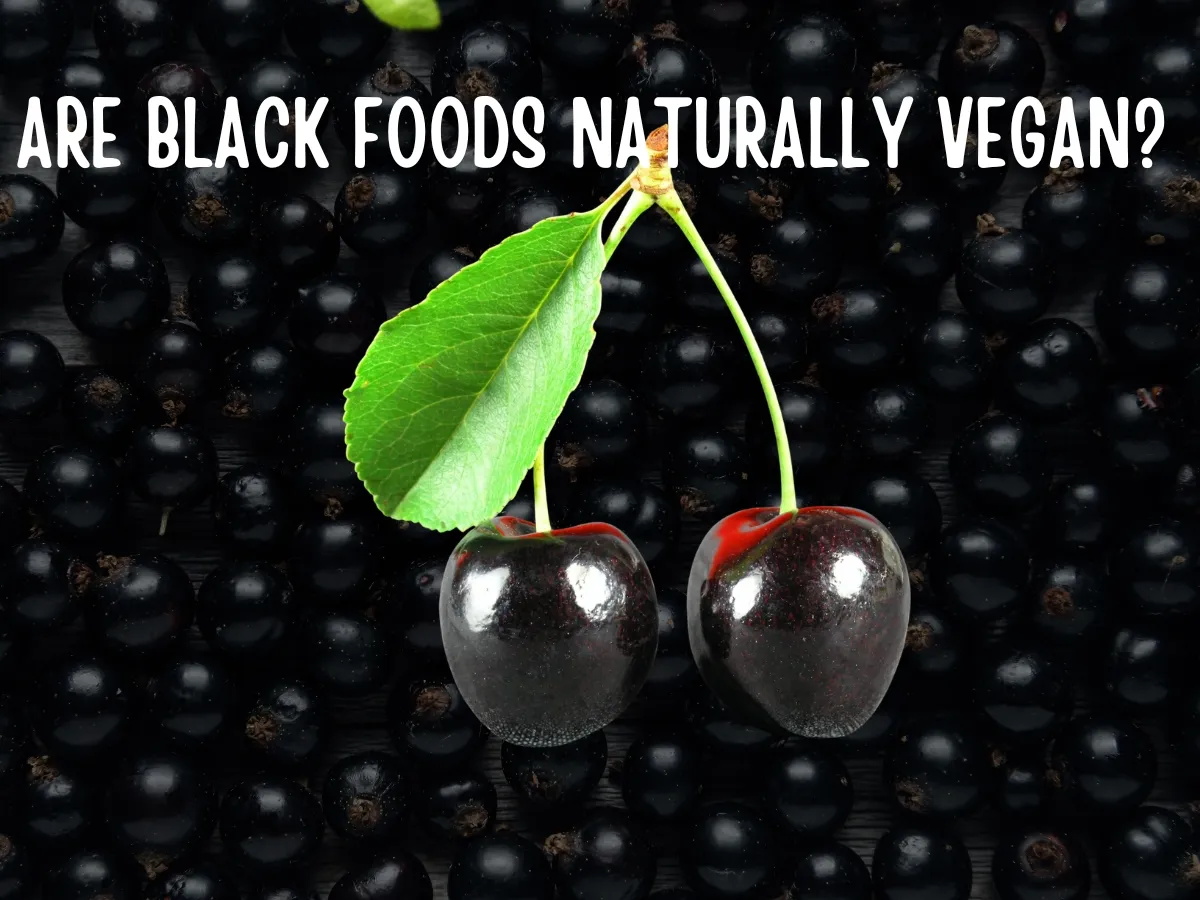
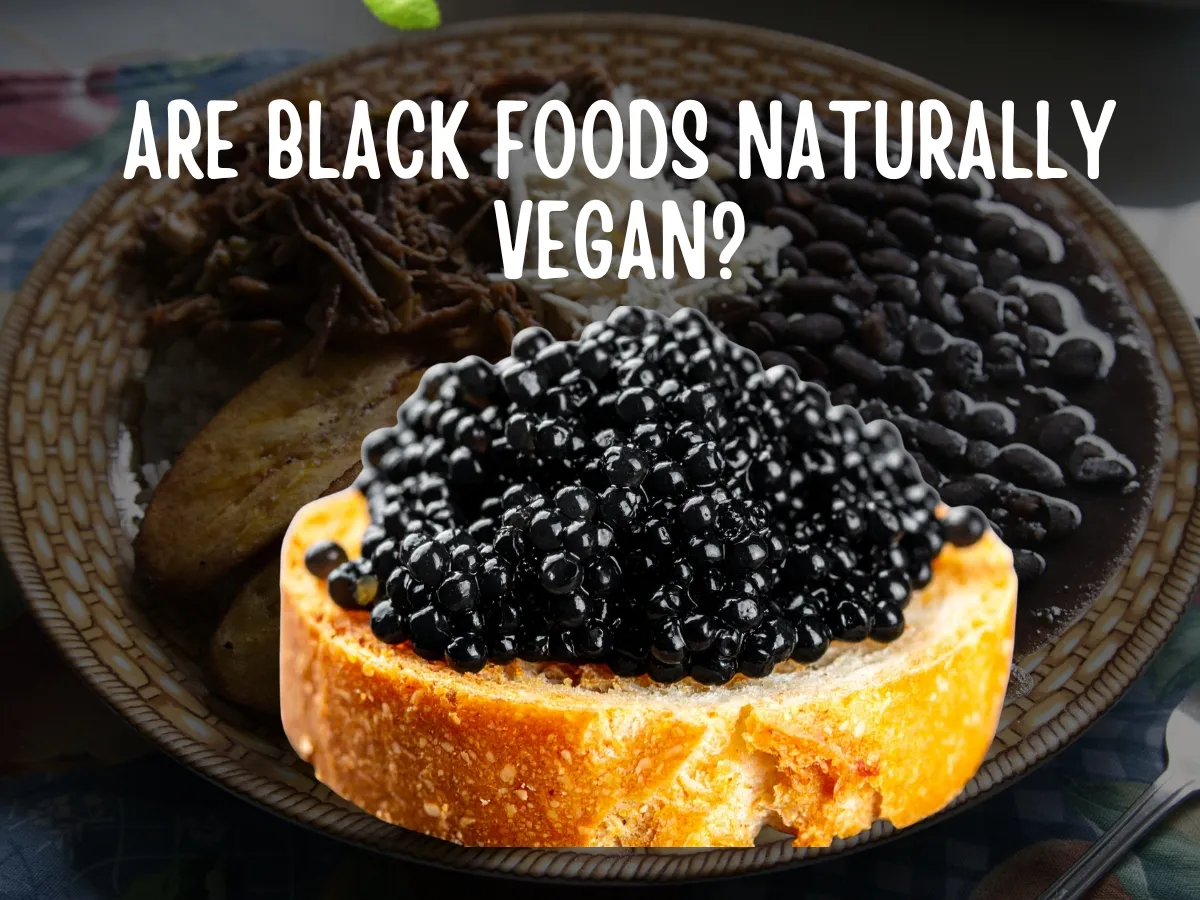
Are Black Foods Naturally Vegan?
Many black foods are naturally vegan, as their color is often derived from pigments or compounds in plants or other vegan-friendly sources.
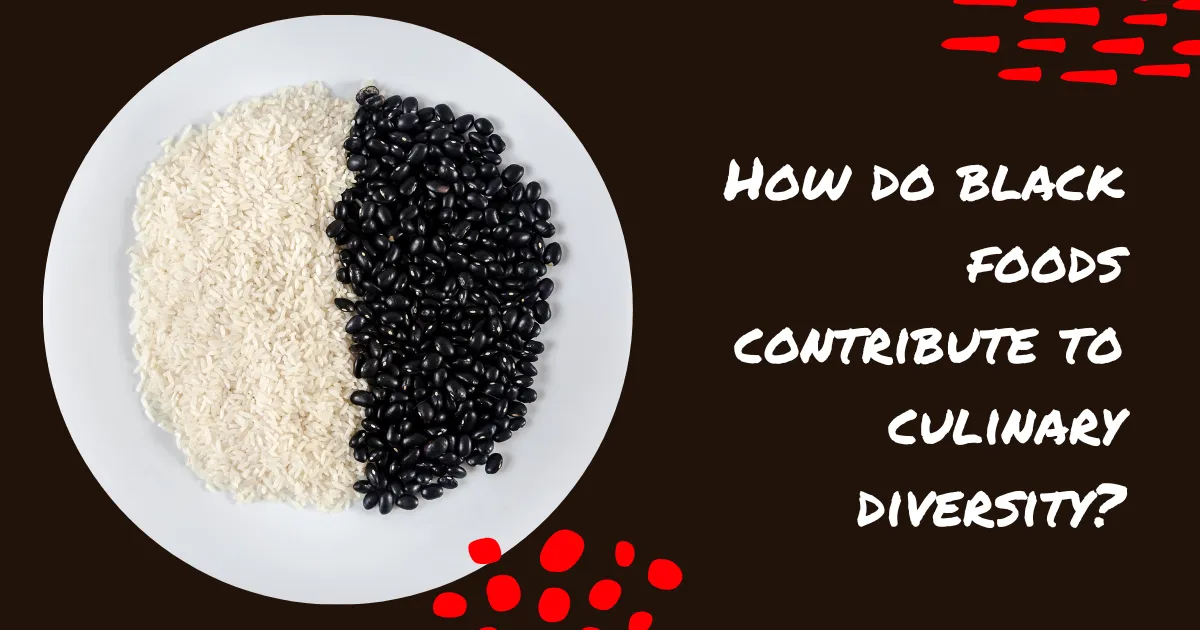
Black beans, rice, blackberries, sesame seeds, and lentils are naturally vegan black foods.
Incorporating Black Foods into a Vegan Diet
- Black foods can be a nutritious and delicious addition to a vegan diet.
- Use black beans or lentils in soups, stews, or plant-based burgers for added protein and fiber.
- Include black rice in your grain bowls, salads, or as a side dish for its unique texture and nutty flavor.
- Sprinkle black sesame seeds on salads, stir-fries, or baked goods to enhance the taste and add a visual appeal.
- Enjoy fresh blackberries as a snack, smoothies, or topping for desserts or breakfast bowls.
- Black foods can be suitable for vegan diets, as many are naturally vegan.
However, it’s essential to be cautious with processed black foods containing non-vegan ingredients. By incorporating black foods into your vegan meals, you can enjoy their distinct flavors, textures, and potential health benefits while following your plant-based lifestyle.
Black Food Symbolism Across Cultures
Beyond nutrition, the deep pigments of black food carry profound meanings—from Japanese elegance to Mexican fertility.
Japanese Culture
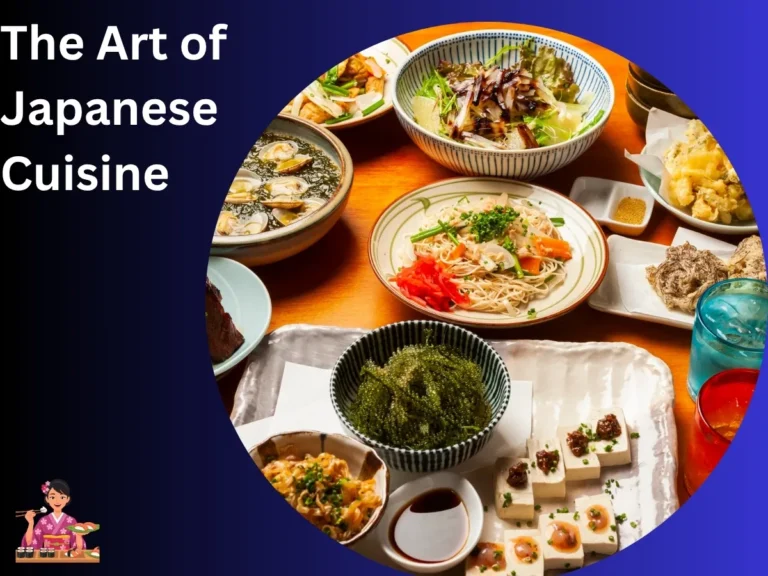
In Japanese cuisine, black is the color of sophistication. Ingredients like sesame and seaweed symbolize pure beauty and refined flavor.
Chinese Culture
Associated with prosperity and longevity. “Forbidden Rice” remains a powerful symbol of good luck, abundance, and auspicious beginnings.
Mexican Culture
Black beans represent the earth and fertility. Meanwhile, dark Mole sauces signify celebration, strength, and the energy of ancestral nourishment.
African Culture
Across the continent, staples like black-eyed peas represent wealth and spiritual protection, often linking modern meals to ancestral connections.
Western Culture
Black ingredients like black olives and truffles are markers of luxury and gourmet status, representing culinary richness and prestige.
Note: Symbolism is deeply personal. These interpretations reflect broad cultural heritage and can vary significantly based on individual experiences and regional traditions.
Deep Roots: African Food Symbolism
Across the African continent, the deep pigments and blackened textures of traditional dishes are more than just culinary traits—they are symbols of resilience, community, and ancestral protection.
Dikgobe
Botswana
Made with dark, wild spinach (morogo) or kale, these greens symbolize vitality and grounding. They are deeply connected to the earth, providing nourishment that stabilizes the body and spirit.
Fufu
West Africa
A staple of Nigeria, Ghana, and Cameroon. In many traditions, the rich, dark tones of properly prepared fufu represent power and resilience—the internal strength to overcome life's greatest challenges.
Black-Eyed Peas
Continental Staple
Known as cowpeas, they are the ultimate symbols of wealth and prosperity. Frequently served during New Year's celebrations to invite abundance and blessings for the months ahead.
Black Sesame Porridge
Ethiopia (Genfo)
The deep black color of Genfo is believed to ward off evil spirits. It serves as a powerful symbol of unity and communal protection during sacred ceremonies and festive gatherings.
Charcoal Delicacies
Pan-African Traditions
The smoky, blackened exterior of grilled meats and plantains is a hallmark of togetherness. These foods represent the joy of the feast and the abundance shared among the community.
Note: Symbolic interpretations of these dishes can vary significantly across Africa's diverse ethnic groups and regions. These examples highlight a fraction of the continent's rich culinary storytelling.
A Culinary Journey Through Black Foods
Travel the world through black foods:
Japan: Black sesame seeds on sushi, black seaweed (nori), black soybeans
China: Black rice (forbidden rice), black vinegar, black sesame paste
Mexico: Black beans, black mole sauce with dark chocolate
Italy: Black truffles, squid ink pasta (nero di seppia)
Ethiopia: Black sesame porridge (Genfo) for celebrations
Botswana: Dikgobe with dark leafy greens
Each culture celebrates black ingredients for their beauty, flavor, and symbolic meaning.
🖤 Exploring the Flavors of Black Cuisine
A deep dive into nature's darkest, most nutrient-dense ingredients.
| Superfood | Flavor & Profile | Nutritional Power |
|---|---|---|
| Black Quinoa | Nutty flavor and firm texture; a complete plant-based protein. | High: Protein, Fiber, Iron. Gluten-free. |
| Black Chia Seeds | Tiny seeds that form a nutrient-rich gel when soaked. | Elite: Omega-3s, Fiber, & Antioxidants. |
| Black Olives | Fully ripened fruits offering a savory, umami-rich bitterness. | Monounsaturated Fats & Vitamin E. |
| Kala Namak | Volcanic rock salt with a distinctive sulfurous aroma. | Iron & Sulfur. Lower sodium alternative. |
| Black Soybeans | A rare variety packed with dark seed coat anthocyanins. | High Protein & Anthocyanin antioxidants. |
| Black Currants | Tart, dark berries ideal for artisanal jams and baking. | Immense Vitamin C & Anthocyanins. |
| Black Mulberries | Sweet, elongated berries with deep pigmentation. | Iron, Potassium, and Vitamin C. |
| Black Vinegar | Malt-based vinegar providing complex, earthy umami notes. | Amino Acids & Digestive enzymes. |
| Black Grapes | Dark-skinned grapes containing powerful heart-healthy pigments. | Heart Health: Resveratrol & Anthocyanins. |
| Salted Licorice | An intense, salty treat flavored with ammonium chloride. | Low nutrient density; enjoy in moderation. |
Swipe horizontally to view the full nutritional profile ↔️
🌑 The Allure of Black Superfoods
From the deep pigments of anthocyanins to heart-healthy fats, discover why these dark delights are essential for a modern, balanced diet.
| Ingredient | Culinary Profile | Health Benefits |
|---|---|---|
|
Black Olives
Mediterranean Staple
|
A versatile savoriness perfect for salads, pizzas, and tapenades. | Rich in Vitamin E, monounsaturated fats, and potent antioxidants. |
|
Black Beans
Latin American Classic
|
Robust texture and flavor; a cornerstone for protein-rich chilis and stews. | High in Protein & Fiber; supports muscle and digestive wellness. |
|
Black Sugar
East Asian Treasure
|
Unrefined cane sugar with a smoky, molasses-rich sweetness. | Contains natural molasses; believed to aid digestion and immunity. |
|
Black Grapes
Deep Violet Hue
|
Delicious fresh, as raisins, or in wine; offers a burst of natural sweetness. | Packed with Resveratrol for anti-aging and heart health. |
|
Black Chia Seeds
The Mighty Superfood
|
Perfect for smoothies, yogurt, or making nutrient-dense chia puddings. | Elite source of Omega-3s, high fiber, and essential proteins. |
*Note: The dark pigment in these foods often indicates high levels of anthocyanins, known to combat oxidative stress.
Swipe horizontally on mobile to view full health profiles ↔️
| Premium Ingredient | Culinary Profile | Flavor & Usage |
|---|---|---|
|
Squid Ink
Marine Essence
|
A dark, inky substance extracted from squid, prized for its dramatic visual impact. | Adds a briny flavor to pasta, risotto, and gourmet seafood preparations. |
|
Black Truffles
The Earth's Diamond
|
Highly sought-after fungi with a dark exterior and intense aromatic qualities. | A luxurious ingredient for truffle-infused sauces, oils, and risottos. |
|
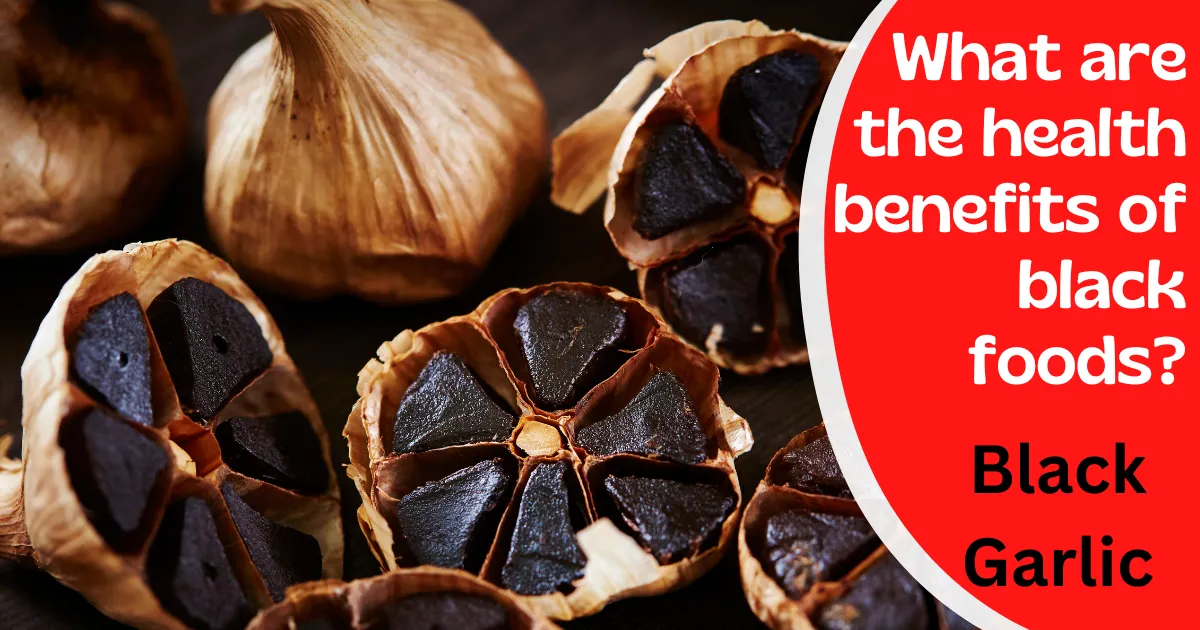
Black Garlic
Fermented Perfection
|
Regular garlic fermented at high heat until it turns jet black and soft. | A sweet, savory taste with molasses and balsamic notes; perfect for marinades. |
|
Black Rice
Forbidden Rice
|
A whole grain with a deep, dark color and a slightly chewy texture. | Nutty flavor used in stir-fries, salads, or sweet rice puddings. |
|
Black Sesame
Asian Essential
|
Tiny seeds with a dark color and a dense, nutty flavor profile. | Garnish for sushi and cookies, or ground into savory dressings and pastes. |
Swipe horizontally to explore more dark delights ↔️
🖤 Black Superfoods: Frequently Asked Questions
1. What makes “Black Foods” so dark in color?
The deep, dark pigments in foods like black grapes, black rice, and black currants are usually caused by a high concentration of anthocyanins. These are a type of flavonoid with powerful antioxidant properties that protect plants from solar radiation and, when consumed, help protect human cells from oxidative stress.
2. Are black foods healthier than their lighter counterparts?
In many cases, yes. Because the dark pigment is itself an antioxidant, black varieties often pack a stronger nutritional punch. For example, Black Rice contains significantly more antioxidants and fiber than white rice, and Black Soybeans offer unique phytonutrients not found in yellow varieties.
3. How do you cook with Squid Ink?
Squid ink is highly concentrated. A small amount adds a dramatic jet-black color and a briny, “oceanic” umami flavor to dishes. It is most commonly stirred into pasta dough or added to a seafood risotto during the last few minutes of cooking to maintain its silky texture and deep color.
4. What is the difference between Black Garlic and regular garlic?
Black Garlic is not a different species; it is regular garlic that has undergone a weeks-long fermentation process under controlled heat and humidity. This transforms the pungent, sharp cloves into a soft, jelly-like texture with a sweet-savory flavor reminiscent of balsamic vinegar and molasses. It is also easier on the stomach for those who find raw garlic irritating.
5. Is Black Salt (Kala Namak) actually salty?
Yes, but it has a very specific profile. Due to its volcanic origin and sulfur content, Kala Namak has a distinct “eggy” aroma. It is a staple in vegan cooking to mimic the taste of eggs and is widely used in South Asian “Chaat” masalas for its cooling digestive properties.
- Filipino Food: History, Dishes & Cultural Significance
- Japanese Cuisine: A Complete Guide to Washoku, Regional Specialties, and Must-Try Dishes
- The Ethiopian Coffee Ceremony: How Community Brews for Hours
- Modern Vietnamese Cuisine: 5 Trends Shaping the Future of Food



Join Our Foodie Community
Discover traditional flavors & the latest cuisine trends.