

Do you find yourself tossing and turning at 3 AM, or dealing with muscle “twitches” that weren’t there a few years ago? For many women crossing the milestone of 40, these aren’t just signs of a busy life—they are often the first whispers of a magnesium deficiency.
As our bodies navigate the transition into perimenopause and beyond, our nutritional requirements shift dramatically. Magnesium is responsible for over 300 biochemical reactions in the body, yet it is one of the most common minerals we lose during times of hormonal flux and high stress.
In this guide, we will explore the subtle (and not-so-subtle) signs that your levels are low, why the “40+ window” makes you more vulnerable, and how to restore your vitality through bioavailable foods and smart supplementation.
Why Women Over 40 Are at Higher Risk
Women often experience greater fluctuations in magnesium levels due to:
Hormonal Cycles: Estrogen and progesterone levels affect how the kidneys filter magnesium. High estrogen (during certain phases of the menstrual cycle) can deplete magnesium stores.
Stress & Cortisol: Women often juggle high-stress lifestyles. Stress triggers the “fight or flight” response, which causes the body to rapidly excrete magnesium.
Bone Density Needs: As women age, especially after age 40, the body pulls magnesium from the bones to support other functions, increasing the risk of osteoporosis.
Magnesium is an essential mineral vital in numerous bodily functions, including bone health, muscle function, and overall energy production. Despite its importance, magnesium deficiency is a common issue that affects millions worldwide and often goes undiagnosed. In this article, we’ll explore magnesium deficiency, foods that are high and low in magnesium, and why this mineral is crucial for healthy bones and muscles.
Magnesium deficiency, or hypomagnesemia, occurs when the body lacks sufficient magnesium to support optimal functioning. Since magnesium is involved in over 300 enzymatic reactions, a deficiency can have widespread effects on the body.
7 Common Signs of Magnesium Deficiency You Shouldn’t Ignore
- Muscle Cramps and “Restless Legs”: Magnesium helps muscles relax. A deficiency often leads to muscle tightness, cramps, and spasms, particularly in the legs.
- Persistent Fatigue and Brain Fog: Low magnesium levels can reduce energy production, leading to chronic fatigue.
- Weakness: Magnesium is essential for muscle contraction and strength; a deficiency can make one feel weaker than usual.
- Bone Weakness: Magnesium is crucial for calcium absorption and bone density. A lack of magnesium can lead to weakened bones and an increased risk of osteoporosis.
- Heart Palpitations or “Flutters”: Magnesium deficiency can cause irregular heartbeats (arrhythmias) and higher blood pressure.
- Increased Anxiety and Sleep Disruptions: Symptoms like anxiety, depression, and irritability may be linked to low magnesium levels.
- Tingling and Numbness: Neurological symptoms such as tingling and numbness can occur when magnesium levels are critically low.
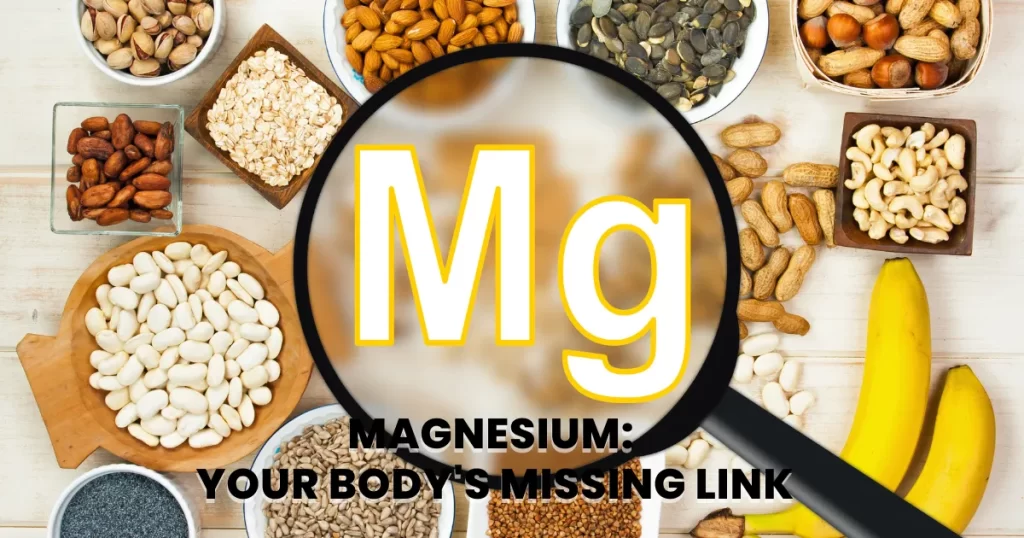
The Foundations of Wellness: Why Magnesium Matters
Magnesium and Bone Health
60% of your body's magnesium is stored in your bones. It works as a vital partner to Calcium and Vitamin D, ensuring minerals reach your skeletal structure rather than your arteries.
Digestive Wellness & Transit
Magnesium is essential for smooth muscle function in the digestive tract. It draws water into the intestines to soften stool and supports regular, comfortable elimination.
The Powerhouse of Muscle Function
From contraction to relaxation, magnesium ensures muscles work efficiently. It prevents over-excitation of nerves, significantly reducing painful cramps and post-workout soreness.
How to Prevent and Treat Magnesium Deficiency
- Eat a Balanced Diet
- Prioritize magnesium-rich foods in your meals. A well-rounded diet that includes whole grains, nuts, seeds, and vegetables will help maintain healthy magnesium levels.
- Consider Supplements
- Magnesium supplements may be helpful if you can’t meet your magnesium needs through diet alone. Common forms include magnesium citrate, magnesium glycinate, and magnesium oxide. Always consult a healthcare professional before starting supplements.
- Manage Stress
- Since stress depletes magnesium levels, incorporating stress-reducing practices like yoga, meditation, and deep breathing exercises can help maintain balance.
- Limit Alcohol and Processed Foods
- Cut back on alcohol and heavily processed foods, as they interfere with magnesium absorption and contribute to deficiency.
- Hydrate Properly
- Proper hydration ensures that magnesium is absorbed efficiently. Drinking water with trace amounts of magnesium can also help.
Magnesium-Rich and Low-Magnesium Foods
🌟 Foods High in Magnesium
| Category | Examples & Content |
|---|---|
|
|
| Nuts & Seeds |
|
| Whole Grains |
|
| Legumes |
|
| Fruits & Superfoods |
|
🚫 Foods Low in Magnesium
| Category | Why they are low |
|---|---|
| Refined Grains | White rice, white bread, and pasta lose mineral content during industrial processing. |
| Sugary Foods | Sodas and candies provide empty calories and lack essential micronutrients. |
| Processed Snacks | Highly processed chips and crackers are high in sodium but stripped of magnesium. |
| Alcohol | While not a food, it depletes existing magnesium levels and impairs future absorption. |

Frequently Asked Questions About Magnesium Deficiency
Most individuals notice improvements in symptoms like muscle cramps and energy within 2 to 4 weeks of consistent intake. However, fully replenishing mineral stores in bones and tissues can take several months depending on the severity of the initial deficiency.
Yes. Magnesium regulates the HPA axis, which manages your stress response. It also supports GABA, the neurotransmitter responsible for calmness. A deficiency often leads to heightened nervousness, irritability, and a lower threshold for stress sensitivity.
Selection depends on your specific wellness goal:
- Glycinate: Best for anxiety, sleep, and high absorption.
- Citrate: Effective for digestion and occasional constipation.
- Malate: Often recommended for muscle recovery and energy.
- Oxide: Commonly used for short-term heartburn relief.
While food sources are safe, the supplemental upper limit is 350 mg per day for adults. Excessive doses can lead to digestive upset or, in rare cases, hypermagnesemia. Always consult a professional, especially if you have kidney health concerns.
Cooked spinach is the leader with 157 mg per cup, followed by Swiss chard (150 mg). To preserve these vital minerals, try lightly steaming or sautéing your greens rather than boiling them, which can cause nutrient leaching.
Conclusion: Magnesium Deficiency in Women Over 40
Magnesium is an unsung hero when it comes to maintaining optimal health. This mineral is critical for various bodily processes, from supporting bone density to ensuring proper muscle function. Unfortunately, magnesium deficiency is common, but the good news is that it’s preventable and treatable with a magnesium-rich diet and, if needed, supplements.
By focusing on magnesium-rich foods like leafy greens, nuts, seeds, and whole grains, you can avoid the adverse effects of deficiency and promote better health. Whether you want to strengthen your bones, reduce muscle cramps, or improve overall well-being, magnesium deserves a top spot in your nutrition plan. Take charge of your health today by prioritizing this essential mineral.










July 26, 2026 at 6:20 am[…] Magnesium (leafy greens, nuts) […]