Georgian food and wine offer one of the most unique culinary experiences in the world, blending ancient traditions with bold flavors. In this guide, we explore how Georgian food and wine are deeply connected through centuries of culture and hospitality. From hearty dishes to natural wines, Georgian cuisine showcases rich ingredients, authentic cooking methods, and unforgettable pairings that continue to attract food lovers and travelers worldwide.
Georgia’s Ancient Wine Culture Explained
Nestled between Europe and Asia, Georgia has become one of the world’s most fascinating culinary and wine destinations. Historians believe this small Caucasus nation is the oldest wine-producing region on Earth, with a wine tradition dating back more than 8,000 years. Unlike many modern wine countries that rely heavily on industrial production, Georgia has preserved ancient techniques that continue to attract food lovers, wine travelers, and cultural explorers from around the world.
Georgian wine is deeply connected to family traditions, hospitality, and everyday life. Meals are rarely complete without wine, fresh bread, herbs, and heartfelt toasts shared during a traditional feast known as a “supra.” This powerful connection between food, culture, and wine is one of the reasons Georgia has become increasingly popular among international tourists in 2026.
UNESCO Recognition and Qvevri Winemaking
One of the most unique elements of Georgian wine culture is the use of qvevri winemaking. Qvevris are large clay vessels buried underground and used for fermenting and aging wine naturally. This ancient method has been passed down through generations and remains widely used today, especially in family-owned vineyards throughout the Kakheti region.
UNESCO officially recognized traditional Georgian qvevri winemaking as part of the Intangible Cultural Heritage of Humanity. The process allows wines to develop earthy flavors, rich textures, and natural complexity without excessive intervention. Unlike conventional steel-tank production, qvevri wines often have a more rustic and authentic character that appeals to adventurous wine enthusiasts.
Why Natural Wine Lovers Love Georgia
Georgia has become a global hotspot for the natural wine movement. Many wineries use minimal additives, wild yeast fermentation, and organic farming methods. This approach creates wines that feel vibrant, expressive, and closely connected to the land itself.
Amber wines, often called “orange wines,” are especially popular among natural wine lovers. These wines are produced by fermenting white grapes with their skins, creating bold flavors, tannins, and golden colors. Wine enthusiasts visiting Georgia often describe the experience as stepping back into the origins of winemaking itself.

Most Popular Georgian Food and Wine in 2026
Georgian cuisine is famous for combining rich flavors, fresh herbs, handmade bread, melted cheese, and slow-cooked meats. The country’s culinary traditions reflect influences from Europe, the Middle East, and Central Asia while maintaining a distinctive identity that food travelers instantly recognize.
In 2026, Georgian food continues gaining international attention thanks to social media, food tourism, and the growing popularity of authentic culinary experiences. Travelers searching for comfort food, fermented ingredients, and traditional cooking methods are increasingly adding Georgia to their bucket lists.
Khinkali and Comfort Food Culture
Khinkali are traditional Georgian dumplings filled with juicy meat, herbs, spices, or cheese. They are considered one of the country’s most iconic dishes and are commonly enjoyed during family gatherings and celebrations.
Eating khinkali is an experience itself. Diners carefully hold the dumpling by its top knot, take a small bite, and sip the flavorful broth inside before eating the rest. Their hearty texture pairs exceptionally well with bold Georgian red wines such as Saperavi.
Sulguni Cheese and Traditional Baking
Sulguni cheese plays a major role in Georgian cuisine. This semi-soft cheese is slightly salty, stretchy, and perfect for baking. It is often used in khachapuri, Georgia’s world-famous cheese-filled bread that has become increasingly popular across Europe and North America.
Traditional Georgian baking relies on clay ovens and handmade dough techniques that create smoky aromas and rich textures. Combined with local cheeses and herbs, these breads offer a comforting experience that perfectly complements Georgian white and amber wines.
Walnut Sauces and Fresh Herbs
Walnuts are one of the most important ingredients in Georgian cooking. They are blended into creamy sauces, added to vegetable dishes, and mixed with garlic, vinegar, and spices to create unforgettable flavors.
Fresh herbs such as cilantro, dill, parsley, and tarragon are also central to Georgian cuisine. Together, these ingredients create vibrant dishes that feel both healthy and indulgent. When paired with natural Georgian wines, the result is a culinary experience that reflects centuries of tradition and hospitality.
How Georgian Wines Complement Traditional Foods
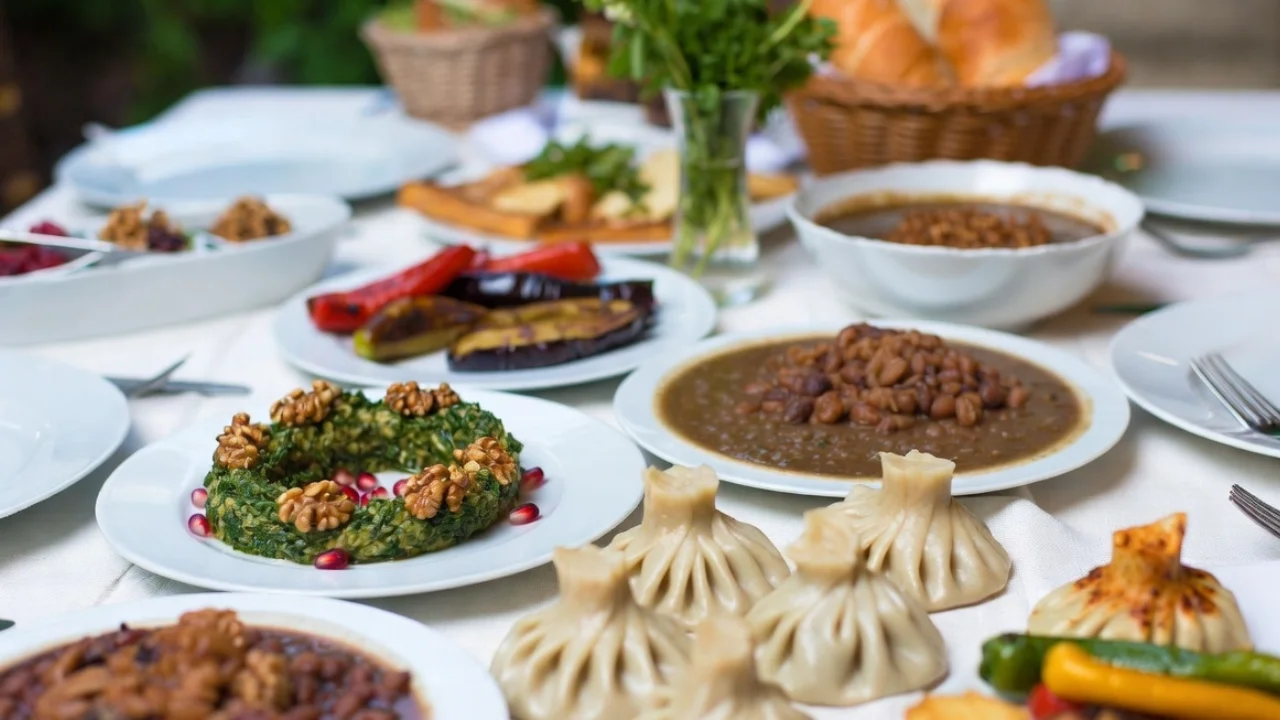
Georgian cuisine and wine have evolved together for thousands of years, creating one of the world’s most harmonious food cultures. Every traditional dish is carefully balanced with local wines that enhance flavors, textures, and aromas. From rich meat stews to handmade breads and herb-filled vegetable dishes, Georgian wines are designed to complement authentic regional cooking.
Travelers visiting Georgia quickly discover that meals are not simply about eating. Food and wine represent celebration, hospitality, and connection. Whether dining in a modern restaurant in Tbilisi or sharing homemade dishes in a mountain village, pairing local foods with traditional wines creates an unforgettable culinary experience.
Bold Reds for Rich Flavors
Georgian red wines are famous for their deep color, bold body, and complex fruit flavors. One of the country’s best-known grape varieties is Saperavi, a powerful red wine often paired with grilled meats, slow-cooked lamb, and spicy stews.
Rich dishes such as mtsvadi barbecue or beef kharcho soup pair beautifully with these intense wines because the tannins help balance fatty textures and savory spices. Georgian red wines also work exceptionally well with walnut-based sauces and roasted vegetables commonly found throughout the country.
Crisp Whites for Cheese-Based Dishes
Georgian white wines are refreshing, aromatic, and highly versatile. They pair perfectly with cheese-filled breads like khachapuri, fresh salads, and herb-based appetizers. Varieties such as Rkatsiteli and Mtsvane are known for their crisp acidity and floral notes.
These wines help balance rich dairy dishes while enhancing the freshness of herbs and vegetables. Many visitors are surprised by how well Georgian white wines complement traditional cheeses such as sulguni, especially when served warm with freshly baked bread.
Amber Wines and Fermented Foods
Georgia is internationally recognized for its amber wines, often called orange wines. Produced using ancient qvevri fermentation techniques, these wines develop bold textures and earthy flavors that pair beautifully with fermented and pickled foods.
Fermented vegetables, bean dishes, garlic sauces, and herb-rich recipes become even more flavorful when enjoyed with amber wines. Their natural tannins and complexity create a balanced dining experience that appeals to adventurous food and wine lovers around the world.
The Health Benefits of Georgian Cuisine
Georgian food is not only flavorful but also surprisingly nutritious. Traditional recipes rely heavily on fresh vegetables, herbs, nuts, legumes, fermented ingredients, and homemade cooking methods that support overall wellness.
Unlike heavily processed fast foods, Georgian cuisine focuses on natural ingredients prepared with care and simplicity. This balance between comfort food and wholesome cooking is one reason many travelers consider Georgian meals both satisfying and nourishing.
Fermented Foods and Gut Health
Fermented foods play an important role in Georgian culinary traditions. Pickled vegetables, fermented dairy products, and naturally fermented wines may help support gut health and digestion.
Natural fermentation encourages beneficial bacteria while enhancing flavor complexity. Combined with fiber-rich beans, herbs, and vegetables, Georgian meals often provide a balanced approach to healthy eating without sacrificing taste.
Fresh Ingredients and Homemade Cooking
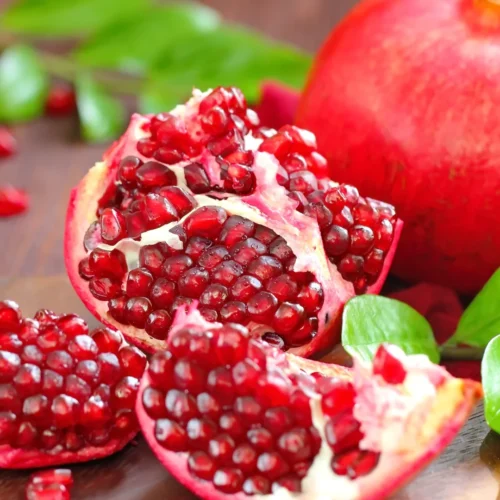
Georgian recipes frequently include fresh cilantro, parsley, dill, garlic, walnuts, eggplants, tomatoes, and pomegranates. These ingredients contain vitamins, antioxidants, and healthy fats that contribute to a nutrient-rich diet.
Homemade breads, slow-cooked dishes, and locally sourced produce remain central to Georgian family cooking. Many visitors appreciate the country’s focus on authentic preparation rather than mass-produced meals, making Georgian cuisine feel both comforting and wholesome.
Best Places in Georgia for Food and Wine Tourism
Georgia has rapidly become one of Europe’s most exciting destinations for culinary tourism. Visitors can explore ancient wine regions, vibrant city restaurants, mountain villages, and traditional family wineries while enjoying affordable luxury experiences.
Tbilisi Restaurants and Wine Bars
Tbilisi, Georgia’s capital city, offers an exciting mix of traditional and modern cuisine. Stylish wine bars, rooftop restaurants, and hidden local taverns allow visitors to sample authentic Georgian dishes alongside natural wines from across the country.
Many restaurants focus on farm-to-table cooking and regional specialties, giving travelers the opportunity to experience Georgia’s culinary diversity in one vibrant city.
Kakheti Wine Routes
Kakheti is considered the heart of Georgian wine culture. This beautiful region is filled with vineyards, family-owned wineries, and scenic countryside landscapes.
Wine routes through Kakheti allow visitors to taste traditional qvevri wines, explore historic monasteries, and enjoy homemade meals prepared with local ingredients. Many travelers consider Kakheti one of the best-value wine tourism destinations in Europe.
Local Markets and Village Experiences
Beyond the cities, local markets and rural villages provide some of Georgia’s most authentic food experiences. Travelers can discover homemade cheeses, fresh bread, seasonal fruits, spices, herbs, and handcrafted wines sold directly by local families.
Village hospitality is legendary in Georgia, and guests are often invited to join traditional feasts where food, wine, and storytelling come together in unforgettable ways.
Tips for First-Time Visitors to Georgia
First-time visitors should arrive hungry and ready to experience Georgian hospitality. Trying local wines, participating in a traditional supra feast, and exploring regional dishes are essential parts of understanding the country’s culture.
Travelers should also explore beyond tourist hotspots. Some of the best culinary experiences happen in family-run wineries, countryside villages, and small neighborhood restaurants where recipes and traditions have been preserved for generations.