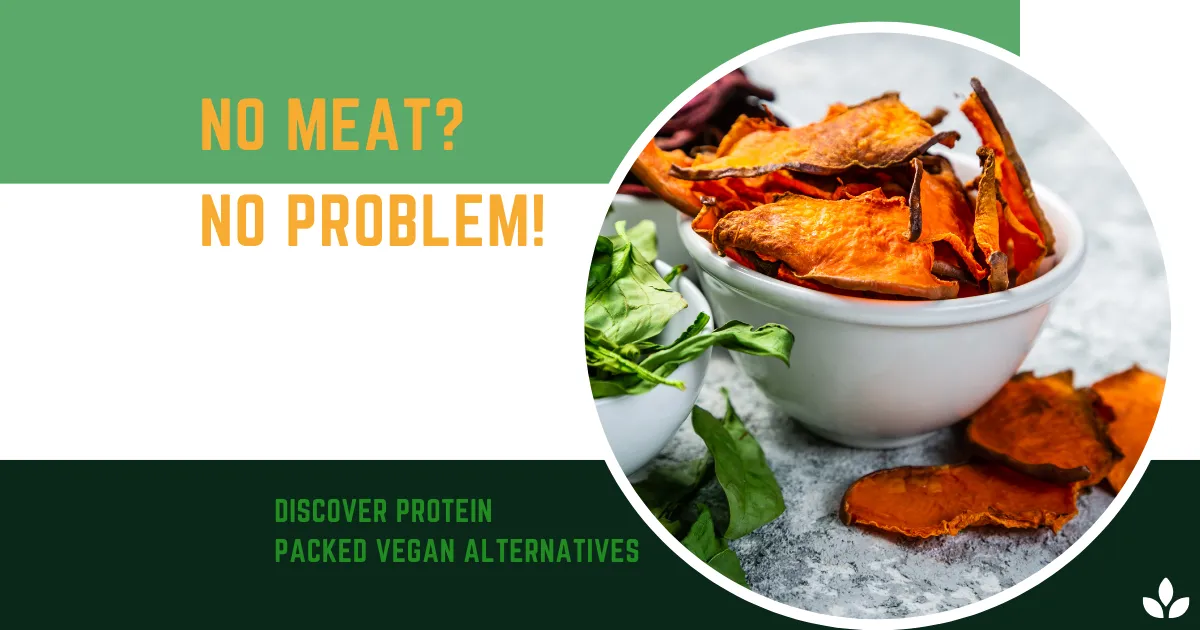
Vegan Meals: Embarking on a vegan journey can be transformative, not just for your health, but for the planet as well. Yet, one of the most common concerns about adopting a vegan diet is protein intake. The good news is that getting enough protein on a vegan diet is easier than many people think.
Plants can provide all the essential amino acids your body needs, and with a little knowledge and planning, you can achieve a balanced diet that supports all your nutritional needs. Let’s dive into how you can meet your protein requirements while enjoying a rich and varied vegan diet.
Why Vegan Protein Matters
Protein is an essential macronutrient composed of amino acids, the fundamental building blocks for the body’s tissues. It is vital in various bodily functions, including muscle repair, hormone production, enzyme function, and immune system support.
Since our bodies cannot produce all the amino acids required for optimal health, obtaining these essential amino acids through our diet is crucial. This can be achieved by consuming various protein sources, categorized into complete proteins (which contain all essential amino acids, typically found in animal products) and incomplete proteins (which lack one or more essential amino acids, often found in plant-based foods).
Adequate protein in your diet is important for maintaining muscle mass, especially as you age. It can also help with weight management by promoting satiety. Ensuring a balanced protein intake is fundamental for overall health and well-being.
The Truth About Plant Protein (Debunking Myths)
The idea that plant proteins are ‘incomplete’ arises from the observation that many plant sources lack sufficient amounts of one or more essential amino acids compared to animal products. Nevertheless, this should not be a cause for concern. Consuming diverse plant foods throughout the day can quickly meet your body’s needs for all essential amino acids.
Combining plant protein sources such as legumes, grains, nuts, and seeds can ensure a well-rounded intake that provides all the amino acids necessary for optimal health. Therefore, a varied plant-based diet (vegan meals) can effectively supply the essential amino acids required for a balanced diet.
15 High-Protein Vegan Foods
Grams per serving — plant-powered protein made simple
Legumes
Beans, Lentils & Peas
Legumes are protein-rich and a great source of fiber and iron. Black beans, chickpeas, lentils, and peas can be added to salads, soups, and stews to enhance protein content.
per cup (cooked) — grams measurement guide
per cup (cooked)
Whole Grains
Quinoa & Brown Rice
Quinoa is a 'superfood' for its high protein content and all nine essential amino acids. Brown rice, while lower in protein, complements other proteins in stir-fries and burritos.
per cup (cooked) — complete protein
per cup (cooked) — measurement guide
Nuts & Seeds
Almonds, Chia & Hemp Seeds
Nuts and seeds are nutritional powerhouses, offering healthy fats, protein, and essential micronutrients. Perfect as snacks or added to smoothies and salads.
per ounce — cooking measurements guide
per ounce — complete protein source
Soy Products
Tofu, Tempeh & Edamame
Soybeans are a complete protein source and incredibly versatile. Tofu can be marinated and used in various culinary styles, while tempeh adds a meaty texture to vegan recipes.
per cup (firm tofu, pressed)
per cup — fermented soy for gut health
Understanding Daily Protein Needs
How much protein do you really need? Factors, guidelines, and delicious plant-based solutions
What Is Protein?
The Building Blocks of Life
Protein is a fundamental nutrient necessary for building, maintaining, and repairing tissues in the body. It can also be a source of energy when carbohydrates are not available. A protein molecule is composed of amino acids — crucial elements that are the building blocks of life. When planning vegan meals, understanding protein's role helps you make informed, healthy choices.
Factors Influencing Needs
Protein requirements vary by person
General Guidelines
RDA & Activity-Based Needs
RDA: 0.8g protein per kg of body weight
For a person weighing 150 pounds (68 kg), that's about 54 grams of protein daily.
Athletes & heavy resistance training: Needs increase to 1.2–2.0 grams per kilogram. Even with higher requirements, well-planned vegan meals can easily meet these goals.
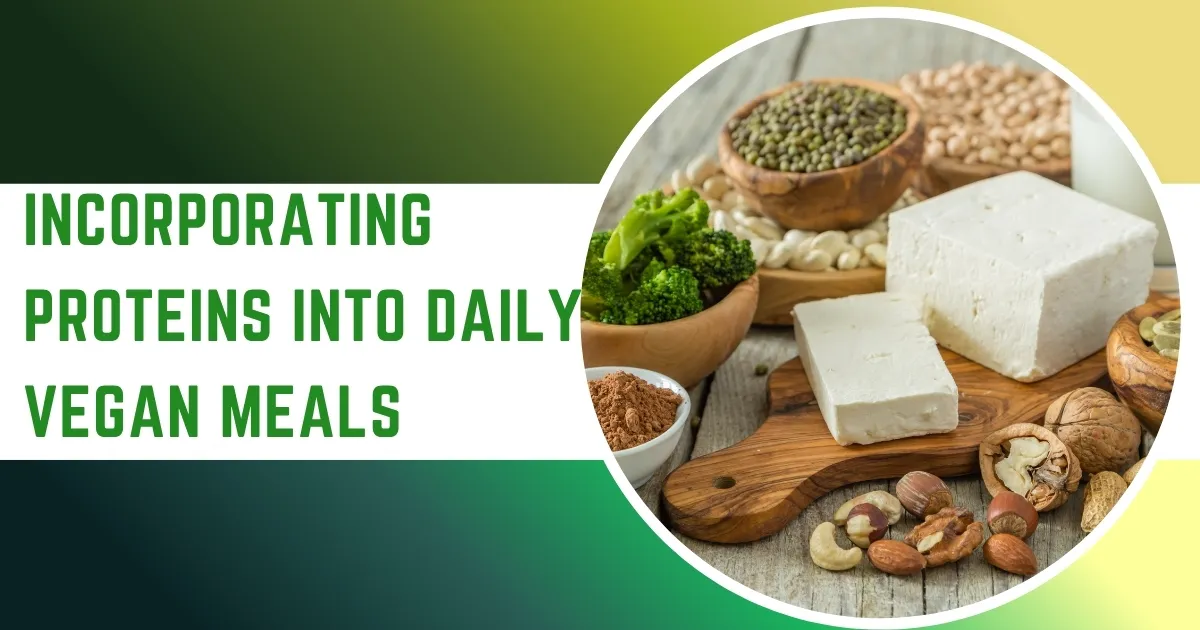
Incorporating Proteins into Daily Vegan Meals
The key to a successful vegan diet is variety and planning — ensuring you consume various proteins to meet your nutritional needs. Here's how to build vegan meals that are both delicious and protein-packed.
Breakfast Options
Banana, mixed berries, spinach + 1 tbsp hemp seeds (10g protein). Filling, nutritious, and metabolism-boosting.
Firm tofu crumbled with turmeric, black salt, served with whole-grain toast. A savory, protein-rich breakfast.
Lunch Selections
Chickpeas with bell peppers, cucumbers, carrots, and tahini dressing — creamy, crunchy, and protein-packed.
Comforting and nutritious. Lentils provide protein and fiber — perfect for colder days.
Dinner Delights
Tempeh with broccoli, bell peppers, and soy sauce. Serve over quinoa for a complete protein meal.
Mashed or whole black beans in corn tortillas with guacamole, salsa, and lettuce. A protein punch!
Snack Ideas
A handful provides protein, healthy fats, and magnesium for muscle recovery.
Steamed with sea salt — rich in protein and fiber. Fun to eat and energizing!
The bottom line: Adopting a vegan diet doesn't mean sacrificing protein intake. With abundant plant-based proteins and thoughtful planning, your vegan meals can easily meet — and exceed — your daily protein needs. Whether you're an athlete or simply health-conscious, a well-rounded vegan diet supports every lifestyle.
💪 Ready to build your own high-protein vegan meals? Share your favorite protein combination below!

Global Vegan Protein Traditions
Plant-based protein isn’t new – cultures worldwide have mastered it for centuries:
India: Lentil dal with rice (complete protein) – eaten daily for thousands of years
Ethiopia: Chickpea-based dishes served with injera (fermented teff bread)
Japan: Tofu, tempeh, edamame – cornerstones of the Okinawan diet (one of the world’s longest-living populations)
Mexico: Black beans with corn tortillas – a classic complementary protein pairing
Middle East: Hummus (chickpeas + tahini) with whole wheat pita
These traditions prove that delicious, protein-rich vegan eating is timeless and universal.
Vegan Meal Prep: Save Time & Money
Adopting a vegan lifestyle doesn’t mean sacrificing protein, flavor, or your budget. With a wide array of plant-based proteins available, creating high protein meals is not only possible but also enjoyable and affordable — especially when you embrace meal prep.
Eating a variety of foods throughout the day ensures you get all the essential amino acids your body needs, promoting a healthy and sustainable lifestyle. By dedicating a few hours each week to batch-cooking staples like beans, quinoa, and tofu, you can build high protein meals in minutes — saving both time and money while reducing food waste.
Meeting your daily protein requirements as a vegan is achievable with a diverse diet and thoughtful planning. Whether you’re an athlete requiring higher protein or simply looking to maintain your health, a well-rounded vegan diet — supported by smart meal prep — can effectively accommodate your lifestyle.
These dietary habits support physical health while aligning with a sustainable lifestyle that reduces environmental impact and promotes animal welfare. As more individuals embrace plant-based eating, the variety and availability of vegan protein sources continue to expand, making it easier than ever to enjoy nutritious, delicious meals that fuel the body and soul — without breaking the bank or spending hours in the kitchen.
Pro tip: Eating a variety of these protein sources throughout the day ensures you get all essential amino acids — no complicated food combining needed!
💬 What's your favorite vegan meal prep protein?
Beans, tofu, tempeh, or lentils? Share your go-to below!