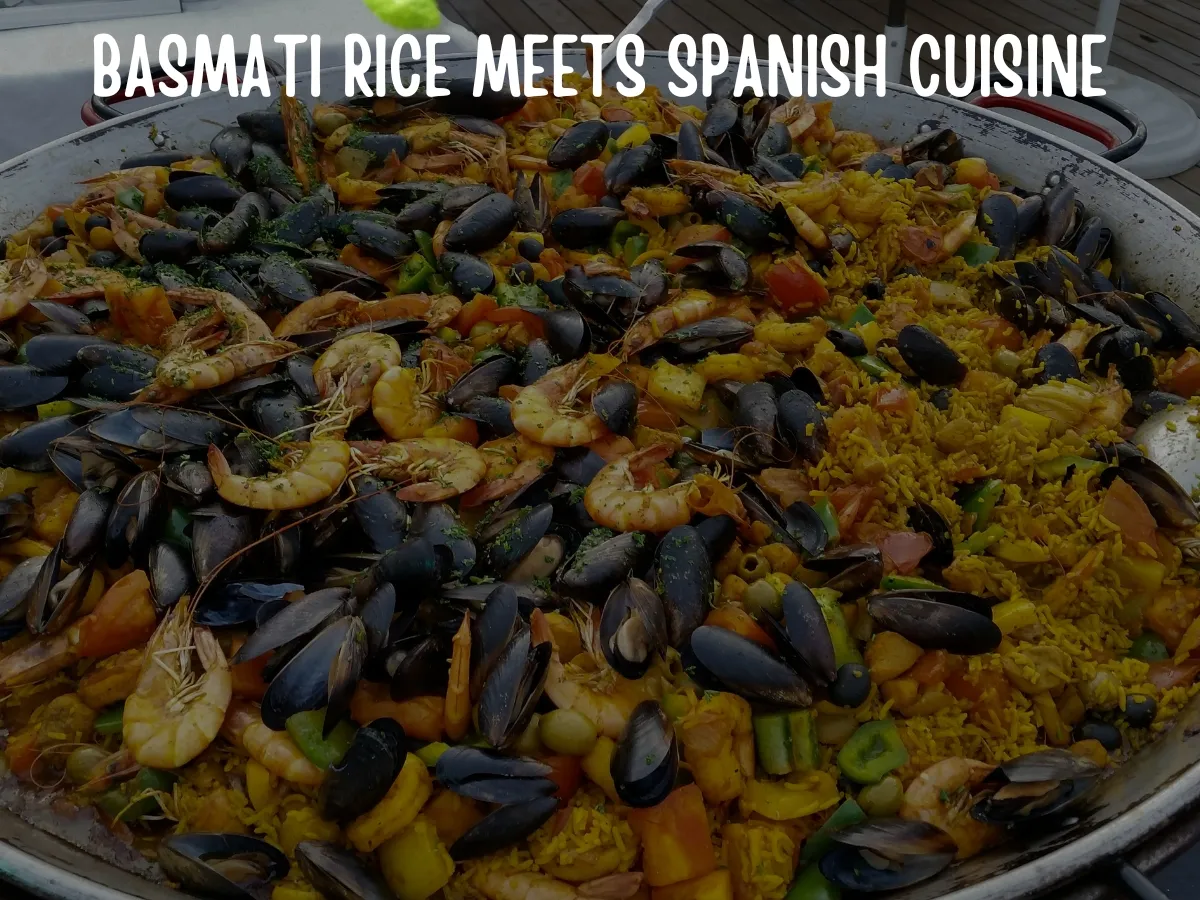
Paella, the quintessential Spanish dish known for its savory depth and communal appeal, has traditionally been defined by the use of short-grain spanish rice varieties like Bomba or Calasparra. These grains are prized for their ability to absorb massive amounts of broth while remaining firm. However, the culinary world is ever-evolving, and the unique characteristics of Basmati—its legendary fragrant aroma and light, fluffy texture—can bring an exciting and sophisticated twist to this classic recipe.
By understanding the structural differences between Basmati and traditional spanish rice, you can successfully revolutionize your kitchen’s repertoire. This fusion approach maintains the soulful essence of Spanish cuisine while introducing the delicate scents and airy mouthfeel that only Basmati can provide. Here is how to create a masterpiece where two distinct worlds of grain perfection meet.
Basmati Rice Meets Spanish Cuisine
What Is Basmati Rice? Origins & Characteristics
Basmati rice, often associated with Indian and Pakistani cuisines, is celebrated for its distinctive nutty flavor and aroma. When cooked, it expands in length and remains non-sticky, which makes it an excellent candidate for paella that needs to showcase individual grains coated with rich, flavorful spices and ingredients. Choosing basmati rice for your paella can add an extra layer of texture and fragrance that enhances the overall sensory experience of the dish.
The Soul of Spanish Rice
Discover the historical and geographical forces that turned rice into Spain's most iconic culinary canvas.
📜 Historical Roots
Rice was introduced by the Moors during their rule, bringing sophisticated irrigation and cultivation techniques from North Africa.
🌍 Land & Sea
From the fertile rice paddies of Valencia to the seafood-rich coasts, Spain’s varied geography provides the perfect ingredients for regional rice variations.
🍳 Expert Craftsmanship
For centuries, Spanish chefs have adapted rice to reflect local flavors, creating everything from hearty mountain stews to delicate coastal seafood rice.
🍷 Communal Spirit
Dishes like Paella are more than food; they are social rituals that bring families and communities together during festivals and celebrations.
✈️ A Global Icon
Spanish rice dishes are now celebrated worldwide, becoming a synonym for high-quality Mediterranean gastronomy.
💎 Culinary Versatility
Rice’s unique ability to absorb complex broths while maintaining texture makes it the ultimate ingredient for endless creative innovation.
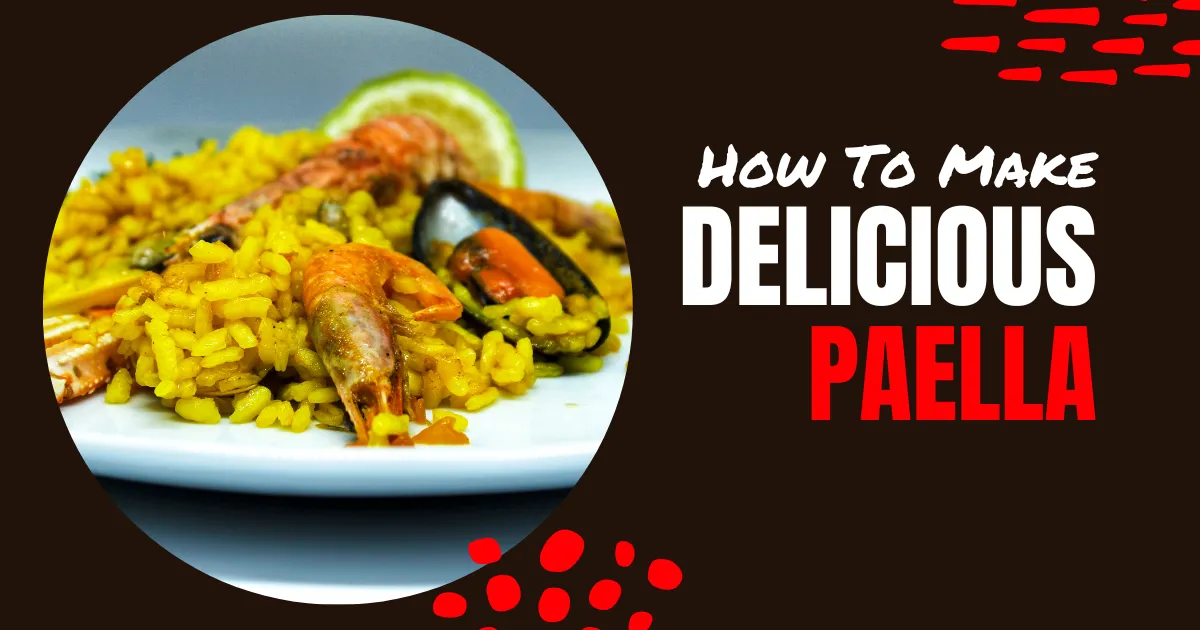
Regional Spanish Rice Dishes
From Valencia's iconic paella to coastal seafood creations — explore the diverse flavors of Spanish rice cuisine
| 🍽️ Dish Name | 📝 Description | 🔥 Calories (per 150g) | ✨ Secret Component |
|---|---|---|---|
| Paella Valenciana | A classic Spanish rice dish with saffron, chicken, rabbit, and vegetables. | 285 kcal | 🌶️ Smoked paprika |
| Arroz Negro | Black rice cooked with squid ink and seafood, rich and flavorful. | 250 kcal | 🦑 Squid ink |
| Arroz con Pollo | Rice cooked with chicken, saffron, and various vegetables and spices. | 275 kcal | 🫑 Sweet bell pepper |
| Arroz a la Cubana | Rice served with tomato sauce, fried egg, and plantains. | 320 kcal | 🍌 Ripe plantain |
| Arroz Caldoso | A hearty, soupy rice dish with meats, seafood, and vegetables. | 295 kcal | 🥣 Rich homemade broth |
| Arroz con Costillas | Rice cooked with pork ribs, saffron, and beans. | 310 kcal | 🥩 Smoked pork ribs |
| Arroz a Banda (Seafood Rice) | Rice cooked separately from fish stock and typically served with seafood. | 265 kcal | 🧄 Alioli sauce |
| Arroz con Bogavante | Rice cooked with lobster in a rich, flavorful broth. | 330 kcal | 🦞 Lobster shells broth |
| Arroz con Conejo | Rice cooked with rabbit, saffron, and vegetables. | 280 kcal | 🌿 Rosemary |
| Arroz Marinero (Colombian-Style) | A seafood rice dish with a mix of shellfish and fish. | 300 kcal | 🍷 White wine splash |
📝 Description: A classic Spanish rice dish with saffron, chicken, rabbit, and vegetables.
🔥 Calories: 285 kcal (per 150g)
✨ Secret Component: 🌶️ Smoked paprika
📝 Description: Black rice cooked with squid ink and seafood, rich and flavorful.
🔥 Calories: 250 kcal (per 150g)
✨ Secret Component: 🦑 Squid ink
📝 Description: Rice cooked with chicken, saffron, and various vegetables and spices.
🔥 Calories: 275 kcal (per 150g)
✨ Secret Component: 🫑 Sweet bell pepper
📝 Description: Rice served with tomato sauce, fried egg, and plantains.
🔥 Calories: 320 kcal (per 150g)
✨ Secret Component: 🍌 Ripe plantain
📝 Description: A hearty, soupy rice dish with meats, seafood, and vegetables.
🔥 Calories: 295 kcal (per 150g)
✨ Secret Component: 🥣 Rich homemade broth
📝 Description: Rice cooked with pork ribs, saffron, and beans.
🔥 Calories: 310 kcal (per 150g)
✨ Secret Component: 🥩 Smoked pork ribs
📝 Description: Rice cooked separately from fish stock and typically served with seafood.
🔥 Calories: 265 kcal (per 150g)
✨ Secret Component: 🧄 Alioli sauce
📝 Description: Rice cooked with lobster in a rich, flavorful broth.
🔥 Calories: 330 kcal (per 150g)
✨ Secret Component: Lobster shells broth
📝 Description: Rice cooked with rabbit, saffron, and vegetables.
🔥 Calories: 280 kcal (per 150g)
✨ Secret Component: Rosemary
📝 Description: A seafood rice dish with a mix of shellfish and fish.
🔥 Calories: 300 kcal (per 150g)
✨ Secret Component: 🍷 White wine splash
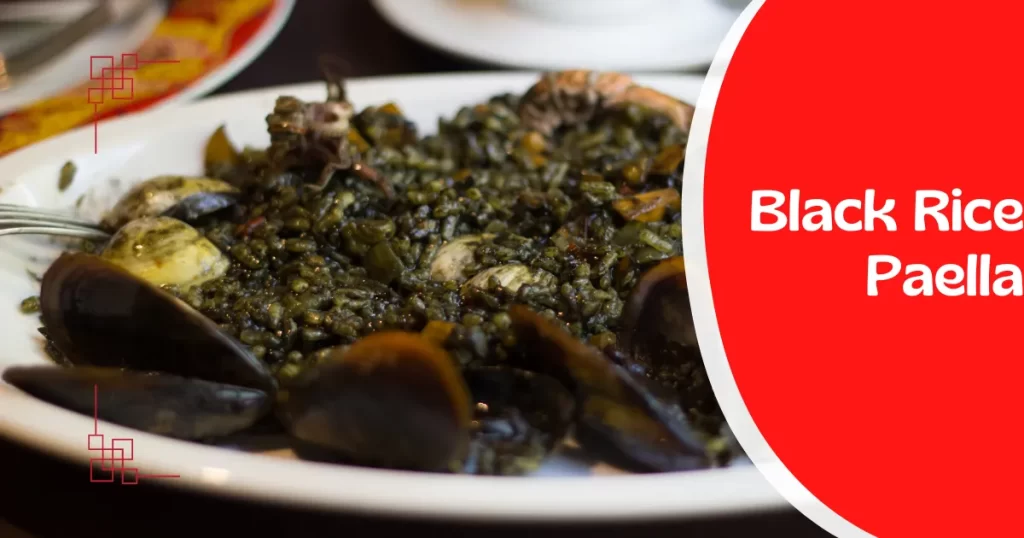
Modern Interpretations: Tradition Meets Quality
Spain's contemporary chefs are reimagining rice as a canvas for diverse textures and cultural fusion.
| Modern Dish | Culinary Transformation |
|---|---|
Saffron-Infused Fusion | A delightful twist on classic paella, combining saffron rice with freshly sourced seafood to transport diners to the Spanish coast. |
Molecular Arroz Negro | Elevating the rich squid ink flavor with modern emulsions and striking molecular spheres. |
Deconstructed Elegance | Traditional rice stews meticulously arranged in layers to showcase the distinct textures of slow-cooked meats and seasonal vegetables. |
Sushi-Style Rice Tapas | A playful cultural fusion inspired by Japanese cuisine using seasoned rice and vibrant vegetables. |
Rice Ice Cream | A creamy rice pudding creation topped with caramelized rice crisps, offering an unexpected treat for the palate. |
Tapenade Stuffed Peppers | Traditional peppers take a gourmet turn, stuffed with rice blended with olives, capers, and sun-dried tomatoes. |
By embracing tradition and innovation, chefs showcase the endless possibilities of rice.
Swipe left or right to explore full table details on mobile
Basmati Rice: Global Varieties Compared
A technical guide to origin, texture, and culinary application
| Type | Origin | Grain & Texture | Aroma Profile | Best Culinary Use |
|---|---|---|---|---|
| 🇮🇳 Indian Basmati | Punjab, Haryana, Uttar Pradesh | Long, slender. Light, fluffy & separate. | High: Distinct, nutty fragrance. | Biryanis, Pilafs, Curries |
| 🇪🇸 Spanish Basmati | Mostly imported / Local adaptations | Slightly shorter. Sticier, less fluffy. | Medium: Milder than Indian varieties. | Fusion, Paella Variants, Sides |
| 🇵🇰 Pakistani Basmati | Punjab Region (Pakistan) | Extra-long grain. Firm bite, non-sticky. | High: Fragrant & slightly floral. | Traditional Pulao, Festive Dishes |
| 🥣 Brown Basmati | India & Pakistan | Unpolished grain. Chewy & hearty. | Low: Earthy, less intense. | Grain Bowls, Healthy Vegetarian |
| 🌿 Organic Basmati | Global Exporters (Certified) | Varies. Consistently light & clean. | Natural: Pure, earthy aroma. | Health-Conscious Global Cuisine |
*Note: Cooking times may vary significantly between unpolished Brown and traditional White Basmati.
🥘 Spanish Rice & Desserts: Frequently Asked Questions
1. What are the most common types of Spanish rice?
The most prized varieties in Spain are short-grain or medium-grain rices, specifically Bomba and Calasparra.
- Bomba: Known as the “king of paella rices,” it can absorb up to three times its volume in broth without breaking or becoming sticky.
- Calasparra: Grown in the mountains of Murcia, this rice is highly absorbent and holds its shape perfectly during long, slow cooking.
2. Is “Calabacera” rice used for Paella?
Calabacera is a traditional Spanish variety, though it is less common today than Bomba. It is a medium-grain rice that offers excellent absorption. While it can be used for paella, it is often preferred for Arroz Meloso (creamy rice) or Arroz Caldoso (soupy rice) because it releases slightly more starch than Bomba, creating a richer texture.
3. What makes Spanish rice different from Basmati or Jasmine?
Unlike long-grain rices (Basmati/Jasmine) which are valued for being fluffy and separate, Spanish rice is designed to absorb flavor. It acts like a sponge for the “sofrito” and seafood broth, yet the grains remain firm and distinct (al dente) rather than turning into a mash.
4. What is the most famous Spanish rice dessert?
The most iconic dessert is Arroz con Leche (Spanish Rice Pudding).
- The Secret: It is cooked very slowly with whole milk, sugar, cinnamon sticks, and lemon or orange zest.
- The Finish: In Northern Spain (Asturias), it is traditional to sprinkle sugar on top and burn it with a hot iron to create a crispy caramel crust, similar to a Crème Brûlée.
5. Are there other unique rice-based sweets in Spain?
Yes! While Arroz con Leche is the most famous, you will also find:
- Pastel de Arroz: Found in Bilbao, these are small tarts with a creamy, custard-like center. Despite the name, many modern versions use rice flour rather than whole grains.
- Arroz Empedrat: A sweet variation in some rural regions where rice is cooked with honey and dried fruits.
In summary, the journey through the diverse world of Spanish rice reveals more than just a culinary staple; it represents a deep-seated cultural heritage that bridges centuries of tradition with modern innovation. From the sun-drenched paddies of Valencia to the bustling street markets of North Africa, each grain tells a story of adaptation and artistry. Whether it is the structural perfection of a Bomba grain in a savory paella or the delicate, creamy sweetness of a traditional rice pudding, these dishes remain the heartbeat of social gatherings.
As we look toward the future of gastronomy, it is clear that Spanish rice will continue to serve as a versatile canvas for chefs worldwide. By mastering the balance of textures and flavors, from fiery street foods to the comforting warmth of a citrus-infused rice pudding, we celebrate a legacy that truly brings people together. Keep exploring, keep tasting, and let these storied ingredients inspire your next kitchen adventure.


Join Our Foodie Community
Discover traditional flavors & the latest cuisine trends.