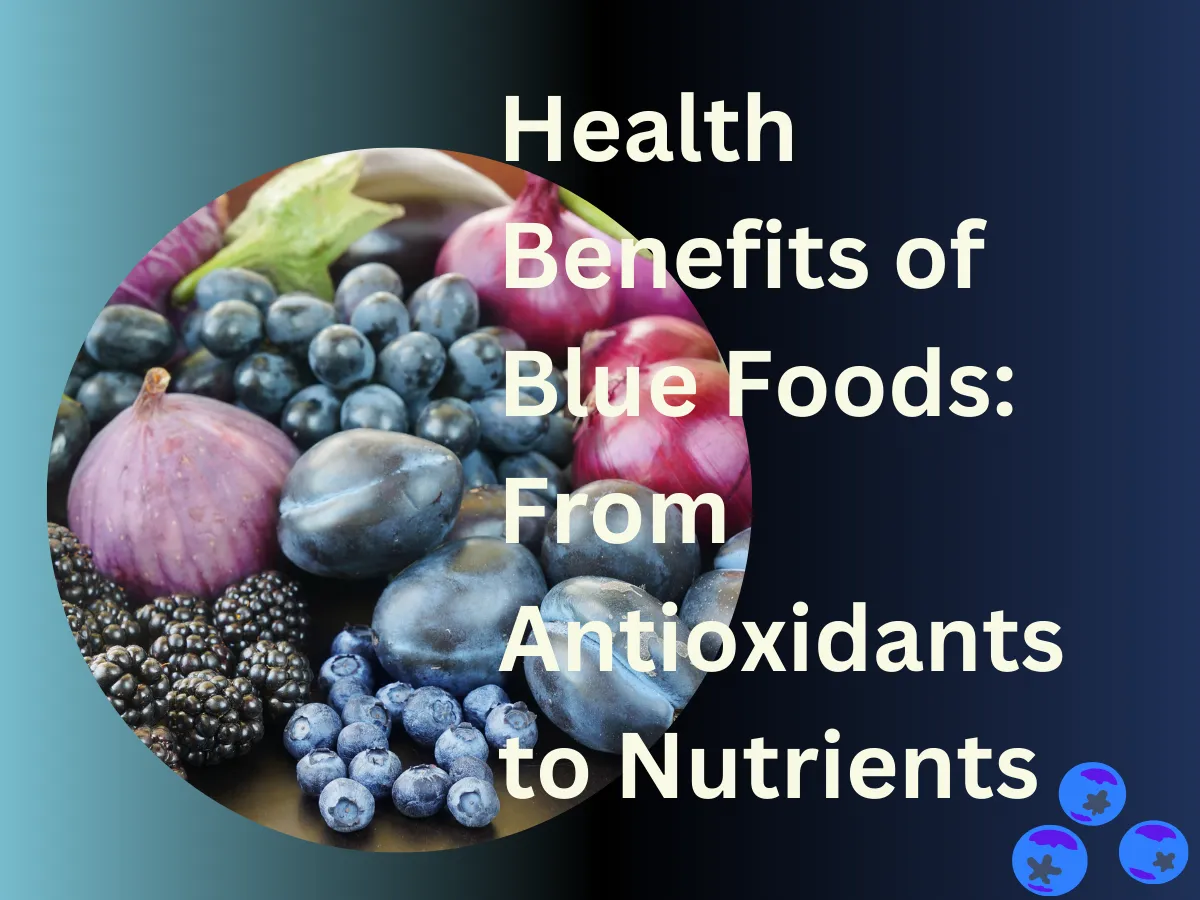
The Magic of Blue in Food – Blue foods’ benefits go far beyond their striking appearance. While blue is one of the rarest colors in the natural food world, the foods that do carry this hue—from antioxidant-rich berries to nutrient-dense blue-green algae—offer remarkable advantages for both body and mind.
Understanding the benefits of blue food means exploring not only its nutritional power but also its deep cultural roots. Across India, Mexico, Thailand, and beyond, blue foods have been cherished for centuries for their symbolic meaning, healing properties, and role in culinary traditions.
In this guide, we’ll uncover the full spectrum of blue foods —from the science behind their rare pigments to the global traditions that celebrate them—and show you how adding these vibrant foods to your life can support wellness, relaxation, and cultural connection.
A Culinary World Tour: Blue in Foods Across Cultures
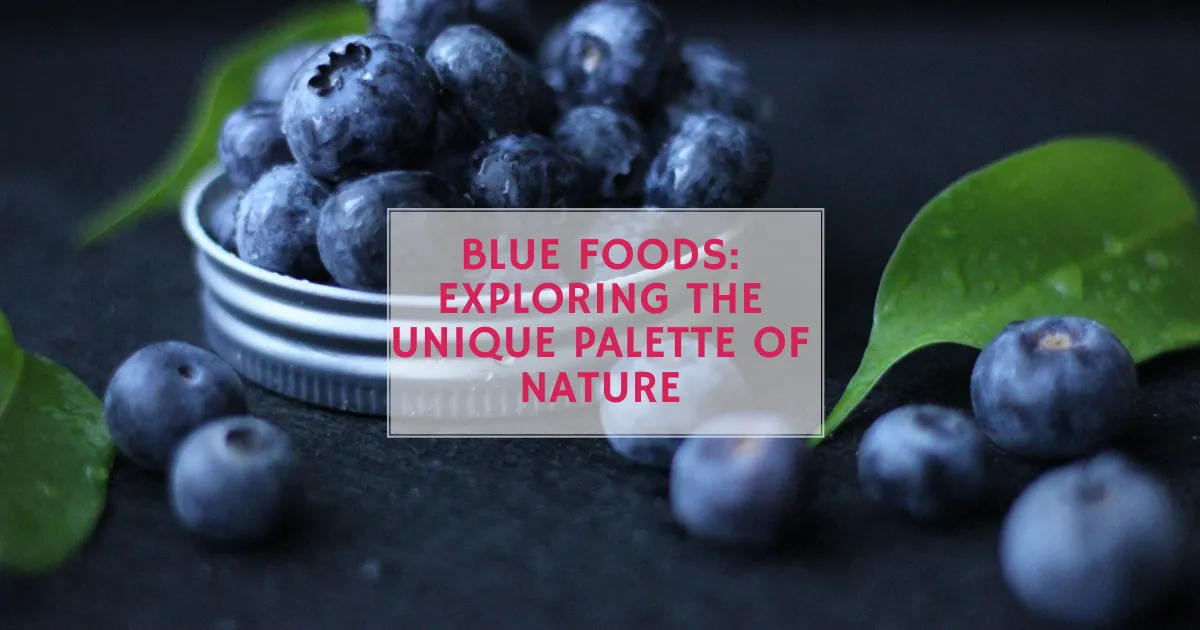
The cultural significance of blue foods varies across different regions and communities worldwide, revealing a rich tapestry of blue food cultural traditions that have evolved over centuries. Blue foods hold a special place in the culinary traditions of various cultures, often symbolizing different meanings or playing significant roles in local cuisines, rituals, and celebrations.
From the ceremonial use of blue corn in Indigenous communities to the vibrant butterfly pea flower dishes of Southeast Asia, these blue food cultural traditions offer a fascinating window into how color, spirituality, and heritage intersect on the plate. Here’s a closer look at the cultural significance of blue foods from a global perspective.
Here’s a closer look at the cultural significance of blue foods from a global perspective:
The Science of Blue: What Makes These Foods Unique?
Blue foods are those that exhibit a predominantly blue color. What makes them unique is the scarcity of naturally blue foods in nature. Blue is less prevalent in edible plants and animals than red, green, or yellow colors. This rarity makes blue foods intriguing, visually striking, and highly sought after in culinary arts and wellness circles.
Blue color in foods can be achieved both naturally and artificially:
- Natural blue: Comes from pigments called anthocyanins, found in blueberries, blackberries, purple cabbage, and butterfly pea flower. These compounds are also powerful antioxidants.
- Artificial blue: Synthetic additives like FD&C Blue No. 1 (Brilliant Blue) and Blue No. 2 (Indigotine) are used in processed foods, candies, and beverages to create vibrant, consistent blue shades.
The growing consumer preference for natural ingredients is driving innovation in plant-based blue dyes from sources like spirulina and butterfly pea flower.
Natural blue fruits and vegetables include:
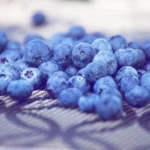
- Blueberries – Packed with antioxidants, fiber, and vitamins; support brain health and reduce chronic disease risk.
- Blackberries – Rich in vitamin C, fiber, and anthocyanins.
- Purple Potatoes – Contain anthocyanins and offer anti-inflammatory benefits.
- Purple Cabbage – High in vitamin K, vitamin C, and antioxidants.
These "blue superfoods" are celebrated for their potential to combat oxidative stress, support heart health, and promote healthy aging.
True blue-colored seafood is exceptionally rare. Bluefin tuna can appear bluish when raw due to its muscle structure and diet, though it turns brown when cooked. Other notable mentions include:
- Lingcod – Can have blue or turquoise flesh due to bile pigment.
- Lobster – Rare blue lobsters occur from a genetic mutation.
While blue-colored seafood is uncommon, seafood like salmon, sardines, and trout remain excellent sources of omega-3 fatty acids for heart and brain health.
Blue desserts and beverages achieve their striking color through various ingredients:
- Blue velvet cake – A twist on red velvet using blue food coloring.
- Blue raspberry ice cream and candy – Artificially colored for a bold look.
- Blue cocktails – Often made with blue curaçao liqueur.
- Natural blue creations – Use butterfly pea flower extract or blue spirulina for vibrant, plant-based color.
The rise of aesthetic food culture on social media has made blue desserts and drinks increasingly popular for their visual appeal and photogenic qualities.
Recent innovations in blue foods include:
- Blue algae-based products – Spirulina and other cyanobacteria are being incorporated into smoothies, energy bars, and functional beverages.
- Plant-based blue dyes – Derived from spirulina and butterfly pea flower as natural alternatives to synthetic colorants.
- Blue functional foods – Products formulated to combine visual appeal with enhanced nutritional profiles.
These innovations reflect a broader consumer shift toward clean-label ingredients and foods that offer both aesthetic and health benefits.
Blue foods carry deep historical and cultural significance across civilizations:
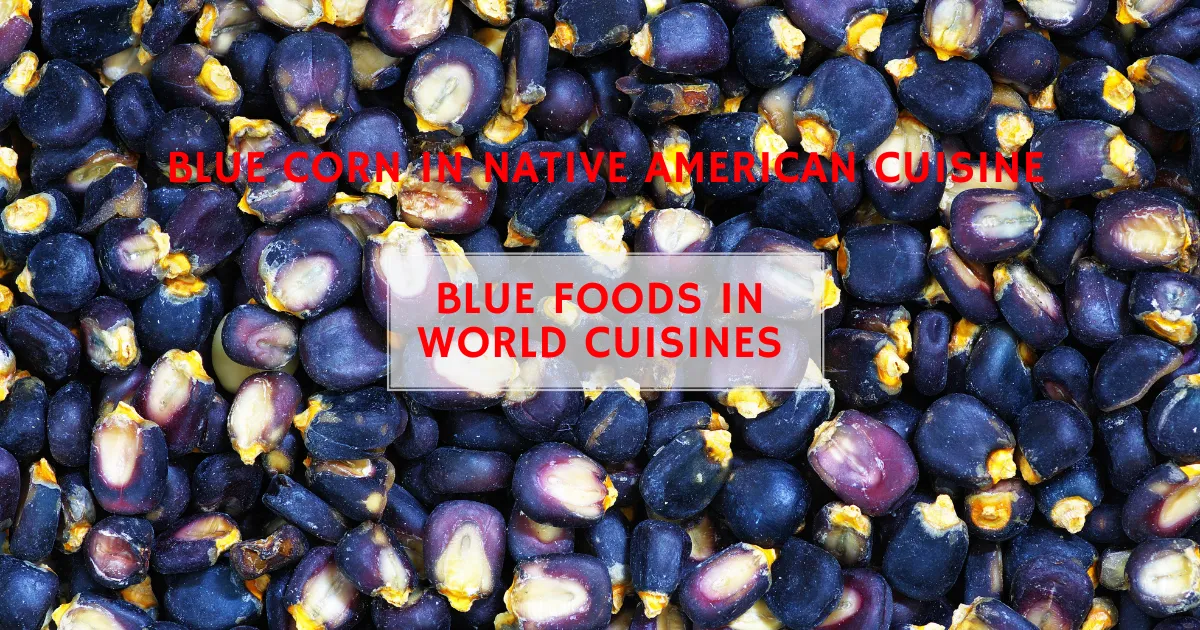
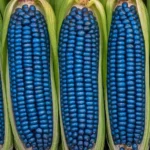
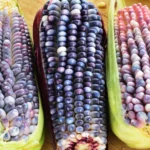
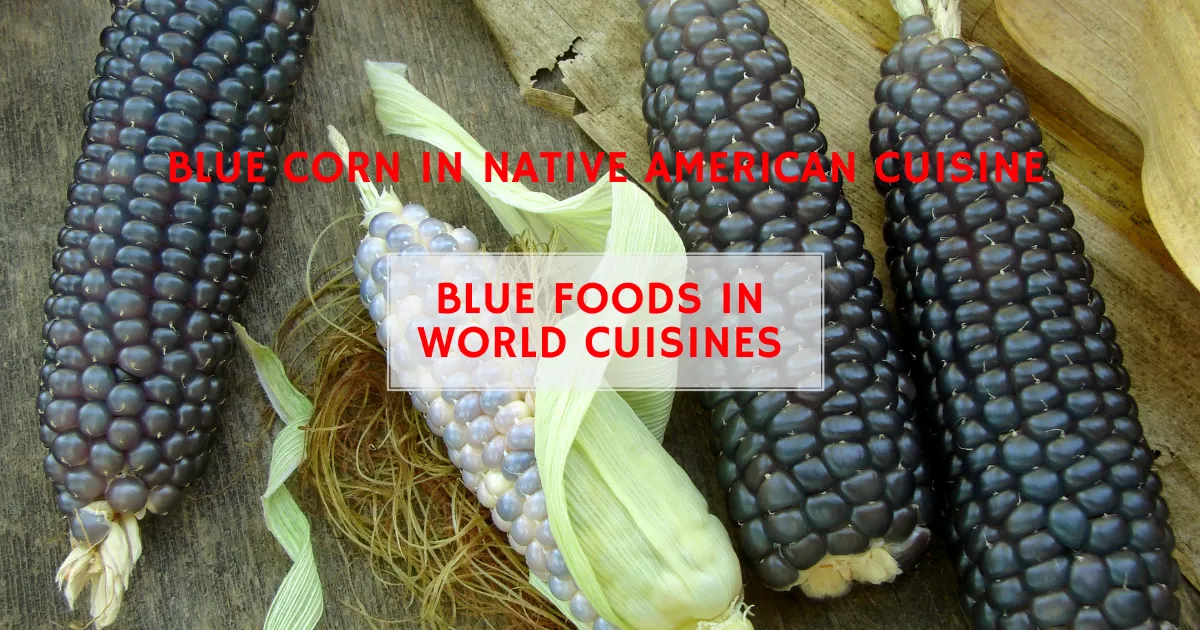
- Native American cultures – Blue corn has been cultivated for centuries by Hopi and Zuni tribes, used in tortillas, piki bread, and ceremonial dishes.
- Mexico – Blue corn (maíz azul) remains a staple in traditional cuisine, prized for its nutty flavor and cultural heritage.
- Japan – Blue-green algae like spirulina is valued for health and longevity.
- India and Thailand – Butterfly pea flower is used in sweets, rice dishes, and calming teas for centuries.
Across these traditions, blue foods often symbolize spirituality, harmony, and connection to ancestral lands.
The color blue carries powerful symbolic meanings across cultures:
- Calmness and serenity – Blue is associated with tranquility, making blue foods a natural fit for mindful eating practices.
- Spirituality – In many traditions, blue represents the divine, the infinite, or the sacred.
- Art and media – Blue foods are often depicted in surreal or dreamlike contexts to evoke wonder, mystery, and creativity in storytelling and advertising.
This symbolism adds an emotional and artistic dimension to blue foods beyond their nutritional value.
In summary, blue foods are a captivating realm of culinary exploration, offering a mix of science, culture, and creativity. Whether savoring the health benefits of blueberries or enjoying the visual appeal of blue desserts, these foods add a unique dimension to our culinary experiences.




Blue in Foods for Relaxation and Balance
Blue foods, mainly blue fruits, can offer various health benefits, primarily due to their high antioxidant content. Antioxidants help protect cells from damage caused by free radicals and unstable molecules that can lead to multiple health issues, including chronic diseases.
Here’s why blue foods are good for you and a list of antioxidant-rich blue fruits:
Why Blue Foods Are Good for You:
Rich in Antioxidants: Blue foods are packed with antioxidants, such as anthocyanins and flavonoids. These compounds have been linked to reducing the risk of chronic diseases like heart disease, diabetes, and cancer.
Anti-Inflammatory: Many blue foods have anti-inflammatory properties, which can help alleviate inflammation-related conditions like arthritis and inflammatory bowel disease.
Brain Health: Some blue foods, like blueberries, are known for their potential cognitive benefits. They may improve memory and cognitive function, especially as you age.
Heart Health: Antioxidants in blue foods can support heart health by reducing blood pressure and improving cholesterol levels.
Digestive Health: Blue foods that are high in fiber, such as blueberries, can aid digestion and promote a healthy gut.
List of Antioxidant-Rich Blue Fruits:
Blueberries: Blueberries are one of the most well-known antioxidant-rich fruits. They are packed with anthocyanins, vitamin C, and fiber. Blueberries have been associated with improved brain function and reduced oxidative stress.
Blackberries: Blackberries are another berry variety that contains antioxidants and vitamin C. They can contribute to overall health and may support skin health due to their vitamin E content.
Acai Berries: Acai berries are known for their deep purple-blue color and are rich in antioxidants. They are believed to have numerous health benefits, including boosting energy and supporting heart health.
Elderberries: Elderberries are used in traditional medicine for their potential immune-boosting properties. They are high in vitamin C and antioxidants.
- Haskap Berries: Also known as honeyberries, haskap berries are rich in anthocyanins and vitamin C. They have a sweet-tart flavor and are becoming more popular for their potential health benefits.
Blue Spirulina (Blue-Green Algae): A Nutritional Powerhouse
Blue-green algae, often referred to as spirulina, are a type of cyanobacteria that have been consumed for centuries. It’s a popular dietary supplement due to its impressive nutritional profile.
Nutritional Benefits of Blue-Green Algae
- Protein-Packed: Blue-green algae is a complete protein source, containing all nine essential amino acids.
- Rich in Vitamins and Minerals: It’s a good source of vitamins B12, B6, and E, as well as minerals like iron, magnesium, and zinc.
- Antioxidant Properties: Blue-green algae contains antioxidants that can help protect cells from damage caused by free radicals.
- Supports Immune Function: It may help boost the immune system.
- Promotes Digestive Health: Blue-green algae can help improve digestion and gut health.
How to Incorporate Blue-Green Algae into Your Diet
- Powdered Form: This is the most common form of blue-green algae. You can add it to smoothies, juices, or water.
- Tablet Form: Blue-green algae is also available in tablet form, making it easy to consume.
- As an Ingredient in Food Products, some manufacturers incorporate blue-green algae into energy bars, protein powders, and health drinks.