Blood oranges are a delightful treat during the winter months. Their vibrant color, sweet yet tangy flavor, and rich antioxidant content make them a seasonal favorite. Whether eaten fresh, juiced, or added to salads, desserts, or cocktails, they add brightness to winter dishes.
- Blood Oranges - A Winter Treasure
- The Blood Orange Powerhouse
-
Frequently Asked Questions
- What are the benefits of blood oranges?
- How is blood orange juice different from regular orange juice?
- Can you eat blood oranges raw?
- Are red oranges healthier than regular oranges?
- Why are blood oranges only available in winter?
- Are blood oranges high in vitamin C?
- Conclusion
- Yellow, Pink Foods, In Asia
- How Color Shapes What We Crave
- 5 Vibrant Foods for Instant Vitality
Blood Oranges – A Winter Treasure

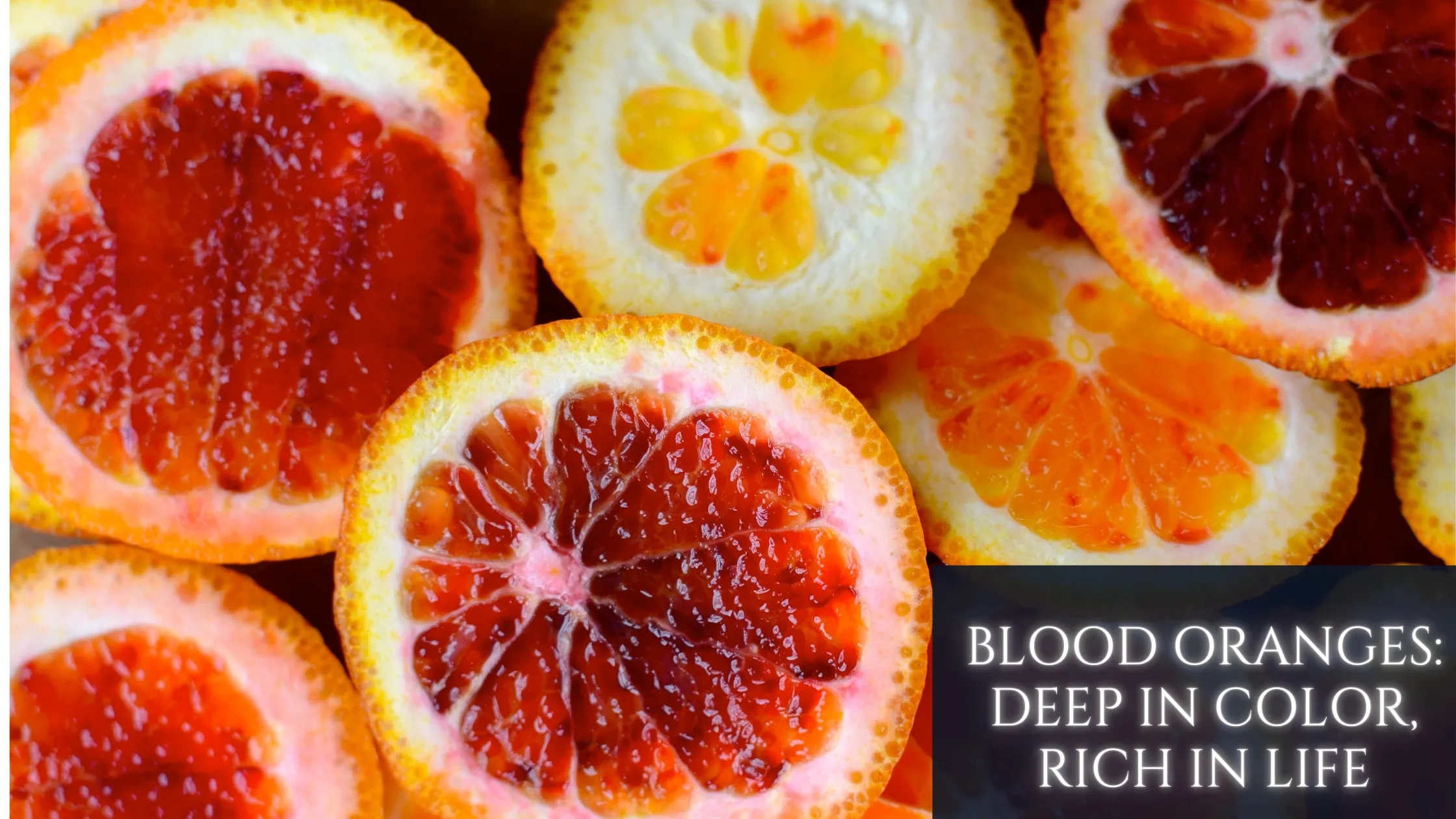
Blood oranges are a red variety with dark red flesh. Compared to regular oranges, they taste less acidic, are slightly sweeter, and have hints of raspberry or strawberry.
Blood Orange Season: When and Where to Find This Mediterranean Winter Fruit
Blood oranges are a seasonal treasure, available from December through April. Their limited winter window makes them all the more special—a fleeting taste of sunshine during the colder months.
These vibrant citrus fruits thrive in Mediterranean climates, flourishing in regions like California, Italy, Greece, and Spain. In fact, blood oranges are considered a signature Mediterranean winter fruit, celebrated in local markets and traditional dishes throughout the season.
At first glance, blood oranges look similar to regular oranges from the outside. But slice one open, and you’ll discover their signature deep-red flesh and juice—a striking contrast that hints at their unique flavor. The rich red color comes from anthocyanins, the same antioxidant compounds found in blueberries and cranberries. These pigments develop as the fruit ripens during warm days, followed by cooler nights, a climatic pattern typical of the Mediterranean winter fruit-growing regions.
This natural process not only gives blood oranges their stunning appearance but also enhances their sweet, berry-like flavor—making them a true gift of the winter season.
The Blood Orange Powerhouse
At just 70 calories, this antioxidant-rich fruit is the "super-citrus" your body needs for cancer-fighting anthocyanins and immune support.
Antioxidant Shield
Packed with anthocyanins that neutralize free radicals and reduce the risk of chronic heart disease and cancer.
AnthocyaninsImmune Catalyst
High Vitamin C concentrations stimulate white blood cell production to fight off seasonal infections effectively.
Vitamin CCardiac Defense
Potassium manages blood pressure while flavonoids work to naturally lower systemic cholesterol levels.
Potassium + CholineJoint Integrity
Choline supports cellular membranes and reduces chronic inflammation, acting as a natural defense against arthritis.
Anti-InflammatoryDigestive Flow
Rich dietary fiber promotes regular bowel movements and supports a healthy, flourishing gut microbiome.
Dietary FiberWeight Mastery
Low-calorie and high-fiber content ensures satiety, helping you feel full longer and reducing overall calorie intake.
Metabolic SupportDermal Health
Essential for collagen production to keep skin firm, while protecting against UV damage and urban pollution.
Collagen SynthesisGlucose Control
Fiber slows sugar absorption into the bloodstream, making this a vital fruit for diabetes management.
Low Glycemic IndexFrequently Asked Questions
Everything you need to know about blood oranges
What are the benefits of blood oranges?
Rich in Antioxidants: They contain powerful anthocyanins that help fight inflammation and oxidative stress.
High in Vitamin C: Supports immune function, skin health, and wound healing.
Heart Health: The flavonoids in blood oranges may help lower blood pressure and improve circulation.
Weight Management: They are low in calories and high in fiber, making them an excellent choice for a healthy diet.
Improved Digestion: Their fiber content promotes a healthy gut and aids digestion.
How is blood orange juice different from regular orange juice?
Color: Blood orange juice has a deep red or ruby-colored hue due to anthocyanins, while regular orange juice is bright orange.
Flavor: Blood oranges have a sweeter, slightly berry-like taste, often described as having hints of raspberry or cherry, whereas regular oranges are tangier.
Nutritional Content: Blood oranges contain higher amounts of anthocyanins, which offer additional antioxidant benefits.
Can you eat blood oranges raw?
Yes! Blood oranges can be eaten raw, just like regular oranges. They are delicious and can be enjoyed in various ways:
As a Snack: Simply peel and eat fresh.
In Salads: Add blood orange slices to green or fruit salads for a refreshing twist.
In Desserts: Use them in cakes, tarts, or fruit bowls.
In Drinks: Use fresh blood orange slices to enhance cocktails, smoothies, or infused water.
Are red oranges healthier than regular oranges?
Blood oranges, often called red oranges, have similar health benefits to regular oranges but contain additional compounds that may make them even healthier:
Higher in Antioxidants: Blood oranges contain anthocyanins, which regular oranges lack. These antioxidants have anti-inflammatory and heart-protective properties.
Equal or Higher Vitamin C Content: They provide the same immune-boosting vitamin C as regular oranges, sometimes in higher amounts.
Better for Heart Health: Some studies suggest that blood oranges may have more heart-protective benefits due to their unique flavonoid profile.
While both oranges are nutritious, blood oranges offer additional antioxidant advantages that may support overall health more effectively.
Why are blood oranges only available in winter?
Blood oranges are primarily seasonal fruits, available mainly during the winter and early spring (December to April). The reasons for this include:
Growing Conditions: Blood oranges require cooler temperatures to develop their characteristic red pigment (anthocyanins).
Harvest Season: Unlike regular oranges, blood oranges ripen best in colder climates, enhancing their sweet, tangy flavor.
Limited Production Areas: They are primarily grown in Mediterranean regions, such as California and Florida, and harvested in winter.
Because their color and sweetness depend on cold nights and warm days, they are not typically available year-round.
Are blood oranges high in vitamin C?
Yes! Blood oranges are an excellent source of vitamin C, which plays a crucial role in:
Boosting the immune system and protecting against infections.
Enhancing skin health by supporting collagen production.
Acting as an antioxidant to fight free radicals in the body.
Supporting iron absorption helps prevent anemia.
A single medium-sized blood orange provides about 70-90 mg of vitamin C, more than 75% of the daily recommended intake for most adults. This makes them a great fruit to enjoy during flu season!
🍊 When do you prefer to take blood oranges?
Morning snack, winter salad, fresh juice, or dessert topping? Share your favorite way below!
Conclusion
Blood oranges are a delicious winter treat with health benefits that set them apart from regular oranges. Their vibrant color, unique flavor, and rich nutrient content make them a must-have seasonal fruit. Whether you eat them raw, juice them, or add them to dishes, blood oranges are a fantastic way to enjoy a natural boost of vitamins and antioxidants! 🍊❄️