The Three Pillars of Mediterranean Living
Mediterranean food culture is often mistaken for a simple list of ingredients—olive oil, fish, and fresh vegetables. But those who have sat at a sun-drenched table in Greece, shared tapas in Spain, or lingered over a Lebanese mezze know the truth: this way of eating rests on three timeless pillars that nourish more than the body.
Pillar 1: Food – The Ingredients
At the foundation lies a profound respect for ingredients. The Mediterranean kitchen is not about complex techniques or heavy sauces; it is about letting high-quality, seasonal foods speak for themselves.
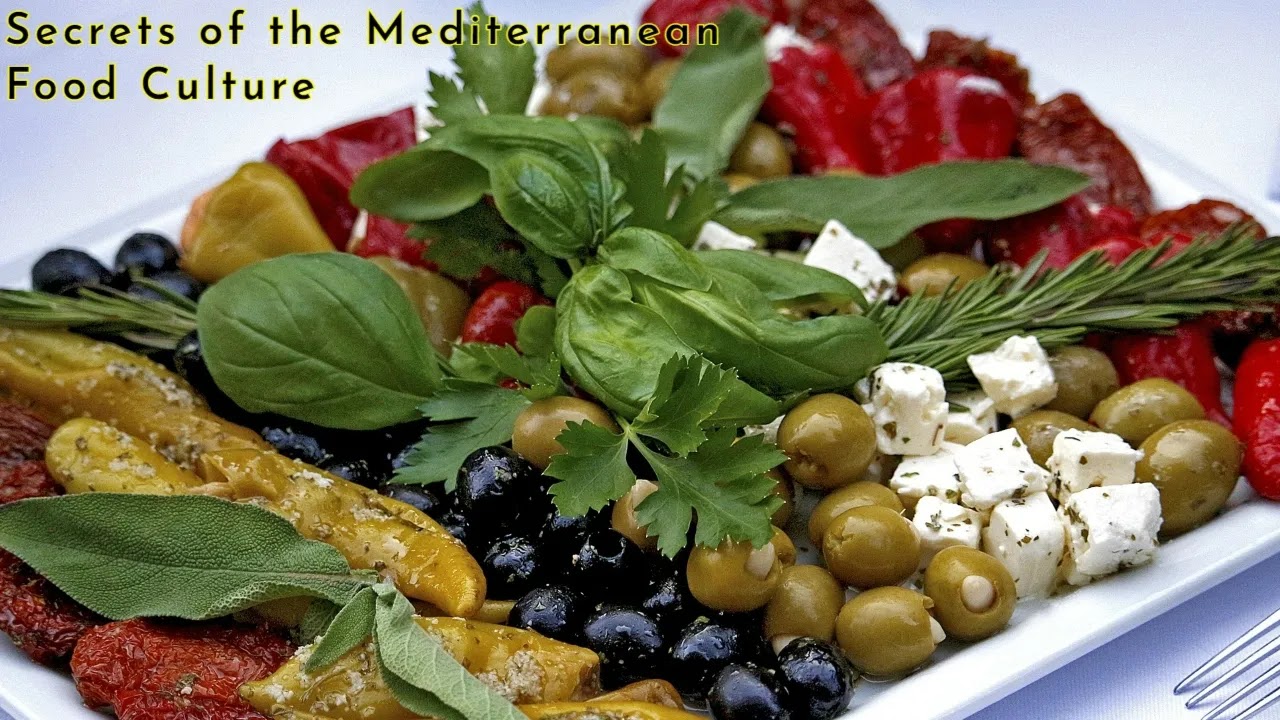
Extra virgin olive oil is the liquid gold that binds everything together—drizzled over grilled fish, mixed into fresh salads, or simply soaked up with crusty bread. Vegetables are celebrated at their peak: tomatoes bursting with sweetness, eggplants roasted until creamy, and leafy greens dressed with nothing more than lemon and salt. Legumes—chickpeas, lentils, white beans—provide plant-based protein that has sustained generations. Seafood, not red meat, takes center stage, often simply grilled with herbs and a squeeze of citrus. And wine, when present, is consumed in moderation, always alongside food and company.
This is not a diet of deprivation. It is a diet of abundance, rooted in the philosophy that food should be both nourishing and deeply satisfying.
Pillar 2: Ritual – The Way of Eating
In the Mediterranean, how you eat matters as much as what you eat. Meals are never rushed. A lunch in Italy or Spain can unfold over two hours, each course savored with conversation. This slow pace allows the body to register fullness naturally, preventing overeating while enhancing digestion.
The structure of the meal itself supports balance. A typical meal might begin with a simple salad or vegetable starter, followed by a modest portion of whole grains or pasta, then a small serving of fish or legumes, and end with fresh fruit rather than heavy desserts. Snacking is minimal; meals are meant to sustain until the next gathering.
This ritual of mindful, unhurried eating is a form of self-respect. It transforms food from fuel into a daily celebration.
Pillar 3: Connection – The Social & Cultural Context
Perhaps the most vital pillar, and the one most often lost in modern interpretations, is connection. In Mediterranean cultures, food is never eaten alone by choice. The table is a gathering place—for family, for neighbors, for friends.
From the Greek tradition of philoxenia (love of strangers) to the Lebanese custom of filling the table with mezze to welcome guests, food is the medium through which relationships are built and maintained. Meals are shared stories, laughter, and a sense of belonging. This communal aspect reduces stress, strengthens emotional bonds, and reminds us that wellness is not an individual pursuit but a collective one.
A Lifestyle, Not a Prescription
Together, these three pillars form a complete philosophy: eat well, eat slowly, and eat together. When you embrace Mediterranean living, you’re not following a set of rigid rules. You’re adopting a way of life that has sustained generations—and one that offers a path to lasting health, joy, and connection.






April 23, 2026 at 10:50 pmHey there this is somewhat of off topic but I was wanting to know if blogs use WYSIWYG editors or if you have to manually code with HTML. I’m starting a blog soon but have no coding skills so I wanted to get advice from someone with experience. Any help would be greatly appreciated!
May 14, 2026 at 6:35 pmI like the helpful information you provide in your articles.
I will bookmark your weblog and check again here frequently.
I am quite sure I’ll learn plenty of new stuff right here!
Best of luck for the next!
July 31, 2026 at 2:59 pm[…] Mediterranean Food Culture: Your Guide to the Lifelong Diet for Health & Longevity […]
July 31, 2026 at 3:27 pm[…] Mediterranean Food Culture: Your Guide to the Lifelong Diet for Health & Longevity […]
July 31, 2026 at 4:33 pm[…] Mediterranean Food Culture: Your Guide to the Lifelong Diet for Health & Longevity […]