Weight Loss Diet: What type of diet should I follow? Several diets are out there, each claiming to offer superior benefits. Which one is the best?
The number of diets has risen dramatically since the 1980s. Today, there are hundreds of different diets, ranging from low-carb to vegan to gluten-free. Some are even designed for athletes or those wanting to lose weight.
How to Choose a Diet That Works for You
U.S. Weight Loss & Diet Market: Size & Trends
| Segment | Estimated Value (U.S.) | Growth & Forecasts |
|---|---|---|
| Overall Weight Loss Market | ~$90 billion in 2023 | Continuing upward trend in total market size |
| Prescription (GLP-1) Drugs | $11.9 billion in 2023 | Explosive growth, doubling from prior years |
| Commercial Diet Programs | ~$38 billion in 2024 | Diet-focused segment thriving |
| Weight Management Market | $37.9B (2023) → $76.9B (2030) | Rapid 11% CAGR growth through 2030 |
| Consumer Spending | Over $33 billion annually | ~45 million Americans go on a diet per year |
The U.S. market for diet and weight-management solutions remains robust, with a value of around $90 billion, and is experiencing diverse growth areas, including medical treatments, services, and consumer programs, all of which are expanding rapidly.
Prescription medications are particularly transformative, with long-term forecasts indicating strong, sustained market growth across all segments.
6 Popular Weight Loss Diets Compared

The Mediterranean Diet

The Keto Diet

The Smoothie Diet
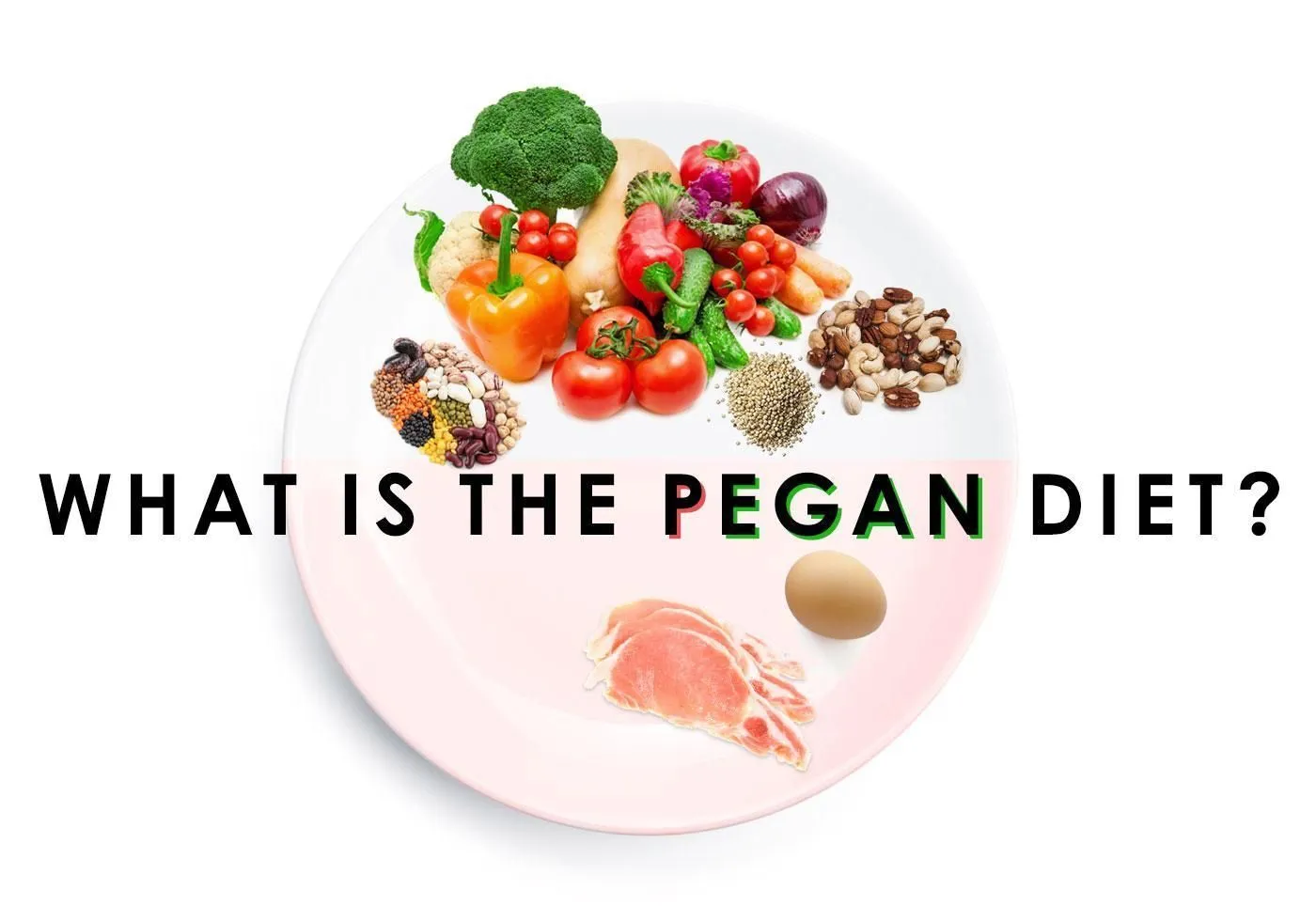
The Pegan Diet

The Lectin Diet

DASH Diet
Choose Wisely: Benefits and Drawbacks of Popular Diets
A side-by-side analysis of modern nutritional frameworks.
| Diet Type | Pros (The Benefits) | Cons (The Challenges) |
|---|---|---|
| Mediterranean Diet |
|
|
| Keto Diet |
|
|
| Smoothies |
|
|
| Pegan Diet |
|
|
| Lectin Diet |
|
|
| DASH Diet |
|
|
Diet & Weight Loss FAQ
Which diet is best for long-term heart health?
How does Wegovy (Semaglutide) work for weight loss?
What is the difference between Mounjaro and Wegovy?
Can I combine the Keto Diet with other plans?
Is the Smoothie Diet safe for everyone?
Conclusion: Finding the Right Diet for You
After completing this weight loss diet comparison, one thing becomes clear: there is no single “perfect” diet that works for everyone. The best approach depends on your unique health goals, lifestyle, food preferences, and medical history. This weight loss diet comparison shows that each dietary framework offers distinct advantages and trade-offs.
Understanding the keto diet pros and cons is essential before committing to such a restrictive eating pattern. While the keto diet can deliver rapid initial weight loss and improved blood sugar control, the keto diet pros and cons also include potential challenges like the “keto flu,” difficulty with long-term adherence, and risks associated with high saturated fat intake. This approach works well for some but may not be suitable or sustainable for everyone.
On the other hand, the mediterranean diet benefits are supported by decades of scientific research. The mediterranean diet benefits include improved heart health, reduced inflammation, better brain function, and a lower risk of chronic diseases — all while enjoying a diverse range of delicious, whole foods. Unlike more restrictive diets, the Mediterranean approach is flexible, sustainable, and culturally rich, making it easier to maintain for life.
Whether you prefer low-carb, plant-based, or a balanced heart-healthy approach, the most effective weight loss diet is one you can stick with over time. Rapid fixes rarely lead to lasting results. Instead, focus on building consistent, healthy habits that nourish both your body and mind.
The Bottom Line: Use this weight loss diet comparison as a starting point. Consult a healthcare professional or registered dietitian to create a personalized plan that aligns with your unique needs, goals, and lifestyle. Sustainable weight loss is a marathon, not a sprint.
🏆 Have you tried any of these diets? Share your experience below — your story might help others on their journey!
Join the Conversation