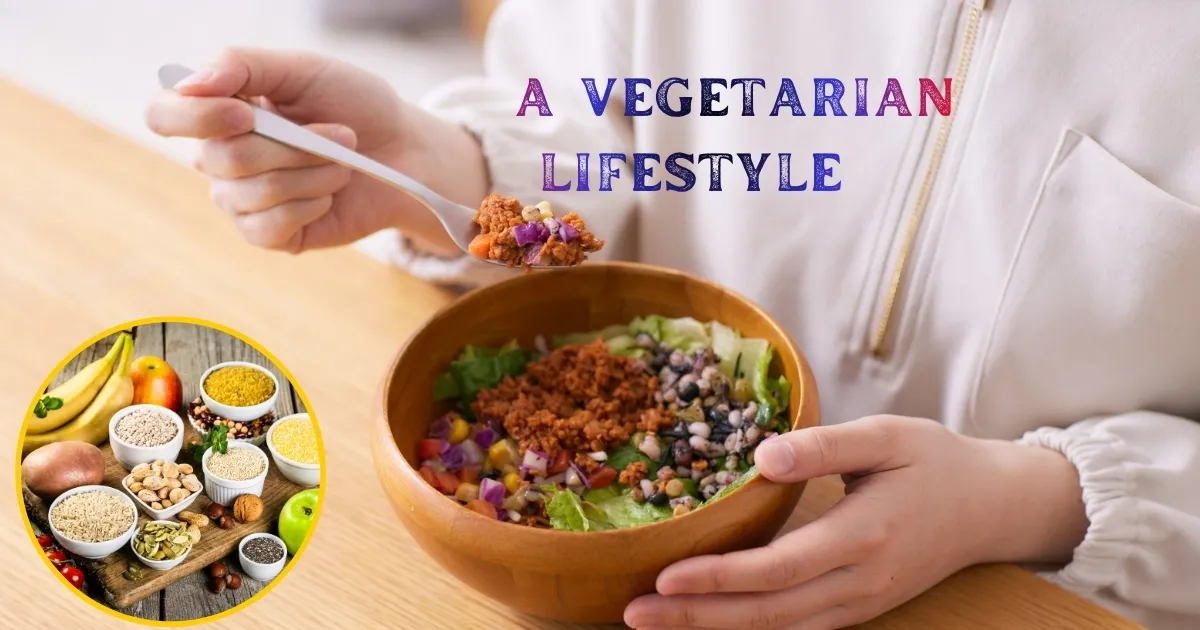
Vegetarian Lifestyle: If you’re looking for ways to lose extra pounds without extreme measures, consider becoming a vegetarian, or even a full-fledged vegetarian. We’ll cover why a vegetarian diet helps you lose body fat and provide some helpful tips on the benefits of being a vegetarian (Vegan Diet Tips To Lose Weight).
- The Power of a Vegetarian Lifestyle and Diet
- Going Vegetarian and Gluten-Free: How to Make It Work for You
The vegan lifestyle excludes animal products, including meat, fish, eggs, and dairy. Being a vegan can have many health benefits, such as lowering cholesterol, improving digestion, and reducing the risk of certain cancers. Although veganism is not suitable for everyone, it is an option that offers some health benefits.
Adopting a vegetarian lifestyle / gluten-free lifestyle can be a fulfilling and health-conscious decision. However, thoughtful planning is required to ensure you meet your nutritional needs. Whether you’re doing it for health reasons, ethical beliefs, or environmental concerns, here’s how to make this lifestyle work for you:
Focus on Whole, Nutrient-Rich Foods
Choose a wide range of fruits, vegetables, legumes, whole gluten-free grains (like quinoa, brown rice, and buckwheat), nuts, and seeds. These foods are the foundation of both a healthy vegetarian lifestyle and a gluten-free diet.
Mind Your Protein
When cutting out meat and gluten, it’s important to replace them with high-quality plant-based proteins. Include protein-rich foods like lentils, chickpeas, tofu, tempeh, quinoa, and seitan (if tolerated). These options help maintain muscle mass and overall strength.
The Power of a Vegetarian Lifestyle and Diet
A vegetarian diet (vegetarian lifestyle), rich in plant-based foods, offers numerous health benefits. It is low in saturated fat and cholesterol, high in fiber, vitamins, and minerals, and packed with antioxidants. This combination makes it an excellent choice for weight loss and overall wellness.
What Is a Vegetarian Diet and How Does It Work?
1. Emphasize Whole Foods
- Focus on consuming whole, unprocessed foods such as fruits, vegetables, whole grains, legumes, and nuts.
- These foods are naturally low in calories and high in nutrients, making them perfect for weight loss.
2. Opt for Plant-Based Protein Sources
- Ensure you get an adequate amount of protein from plant-based sources like beans, lentils, tofu, tempeh, quinoa, and Greek yogurt.
- Protein helps keep you feeling full and satisfied, reducing cravings and aiding in weight loss.
3. Mindful Eating
- Practice mindful eating by paying attention to your body’s hunger and fullness cues.
- Eat slowly, savor each bite, and stop when you feel comfortably satisfied. This helps prevent overeating.
4. Portion Control
- Be mindful of portion sizes, as even healthy foods can contribute to weight gain if consumed in excess.
- Use smaller plates and bowls to visually trick yourself into feeling satisfied with smaller portions.
5. Stay Hydrated
- Drink plenty of water throughout the day. Sometimes, thirst can be mistaken for hunger, leading to unnecessary snacking.
- Water also helps boost metabolism and aids in digestion, both important factors in weight loss.
6. Incorporate Regular Physical Activity
- Engage in regular exercise to boost your weight loss efforts.
- Aim for a combination of cardiovascular, strength, and flexibility exercises to promote overall fitness.
Top Health Benefits of Switching to a Vegetarian Lifestyle
Health benefits that have been associated with vegetarian and vegan diets include:
- lower rates of cancer
- reduces the chance of having an ischemic attack or mini-stroke
- reduced inflammation
- lower cholesterol
- lower blood sugar levels and lower the risk of developing type 2 diabetes
- decreased risk of cataracts
✅ Track Nutritional Balance Accurately
Many people assume a vegetarian diet is automatically healthy, but without proper tracking, you might unknowingly under-eat (or over-eat) certain food groups. A vegetarian calorie calculator helps you balance your caloric intake with your energy expenditure, ensuring you stay on track whether your goal is weight loss, muscle gain, or maintenance.
🌱 Vegetarian Calories Calculator
Is a Vegetarian Diet Good for Weight Loss? Here’s the Truth
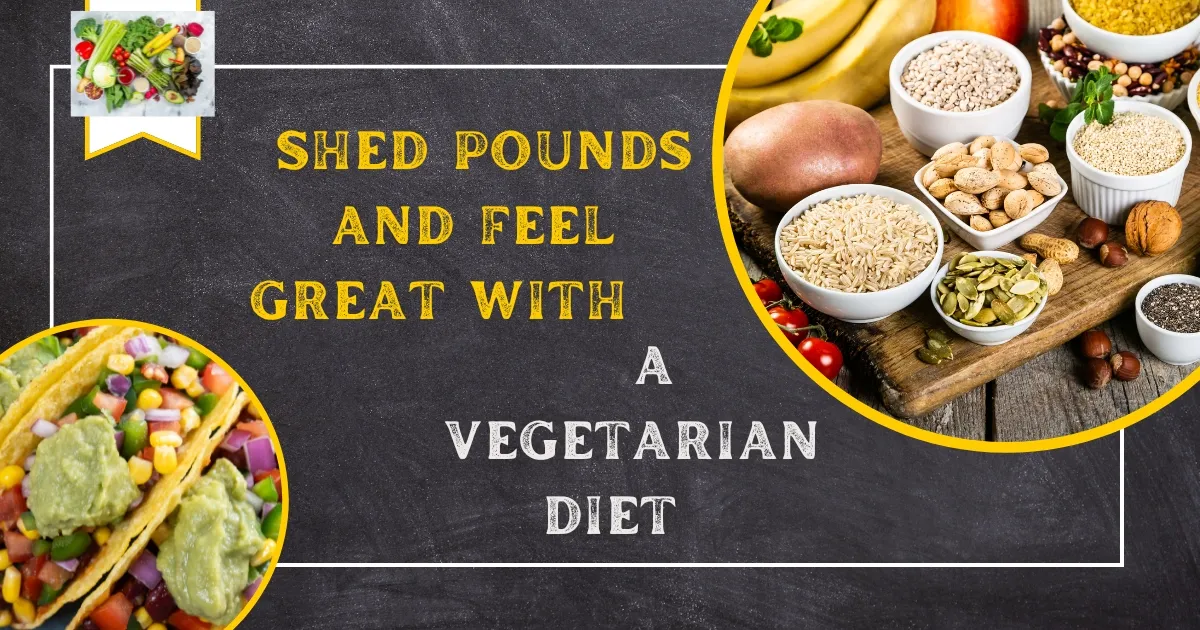
Best High-Protein Vegetarian Foods for Muscle and Energy
One of the most prevalent misconceptions surrounding vegetarian and vegan diets is the fear that they may not provide enough protein. However, this concern is largely unfounded.
Understanding Protein Needs
Protein is an essential nutrient vital in various bodily functions, including tissue repair, hormone production, and enzyme synthesis. The recommended daily protein intake varies based on factors such as age, sex, weight, and activity level. For most adults, the average requirement falls between 46 and 56 grams per day.
| Protein Source | Protein (per 100g) | Calories (per 100g) | Key Nutrients | Health Benefits | Ideal For |
|---|---|---|---|---|---|
Seitan |
25g | 120 kcal | Iron, Selenium | High-protein meat substitute, low in fat | Bodybuilders, High-protein diets |
Tofu |
8g | 76 kcal | Calcium, Iron, Isoflavones | Heart health, bone support, hormonal balance | Vegetarians, Menopause support |
Edamame |
11g | 121 kcal | Folate, Fiber, Vitamin K | Muscle recovery, cholesterol control | Snacks, Pre/post workout |
Green Vegetables |
2–4g | 25–40 kcal | Vitamin C, Fiber, Antioxidants | Anti-inflammatory, gut health, low calorie | Weight loss, Detox diets |
Legumes (e.g., lentils, chickpeas) |
8–9g | 116 kcal | Iron, Folate, Fiber | Blood sugar regulation, heart health | Vegan diets, Diabetics |
Soy Milk |
3.3g | 54 kcal | Calcium, Vitamin B12 (fortified) | Dairy-free calcium and protein source | Lactose intolerant, Vegans |
Oats |
13g | 389 kcal | Fiber, Iron, Magnesium | Energy boost, cholesterol reduction | Breakfasts, Athletes |
Chia Seeds |
17g | 486 kcal | Omega-3s, Fiber, Calcium | Satiety, heart health, and digestive aid | Keto, Clean eating, Smoothies |
Going Vegetarian and Gluten-Free: How to Make It Work for You
Adopting a vegetarian and gluten-free lifestyle can be a highly rewarding decision for your health, ethics, or dietary needs. However, combining both approaches requires thoughtful planning to ensure your body gets the full spectrum of nutrients it needs to thrive. Whether you’re managing gluten intolerance, celiac disease, or simply aiming to reduce animal products and processed foods, here’s how to make your diet work for you.
Embrace Whole, Nutrient-Dense Foods:
To build a strong foundation, center your meals around naturally gluten-free, plant-based, whole foods. These include:
- Fresh fruits and vegetables
- Gluten-free whole grains such as quinoa, millet, brown rice, amaranth, and buckwheat
- Legumes like lentils, chickpeas, and black beans
- Nuts, seeds, and their butters
- Plant-based oils like olive or avocado oil
These foods offer a wide range of vitamins, minerals, fiber, and antioxidants to support overall health while keeping meals satisfying and diverse.
Prioritize Quality Protein Sources:
Without meat or gluten-containing grains, protein can be a concern. Aim to include a variety of plant-based protein sources each day to meet your body’s needs:
- Tofu, tempeh, and edamame (from soy)
- Beans and legumes
- Quinoa (a complete protein and gluten-free grain)
- Nuts and seeds, especially chia, hemp, and pumpkin seeds
- Plant-based protein powders (ensure they are certified gluten-free)
Combining different protein sources throughout the day can help ensure you get all essential amino acids.
Don’t Overlook Micronutrients:
Certain nutrients may be more difficult to obtain when you remove meat, dairy, and fortified breads or cereals from your diet. Key nutrients to watch include:
- Vitamin B12: Often missing in plant-based diets; consider a supplement
- Iron: Focus on iron-rich foods like lentils, spinach, and fortified products; pair with vitamin C for better absorption
- Calcium: Found in fortified plant milks, leafy greens, tofu made with calcium sulfate, and almonds
- Vitamin D: Get it through sun exposure, fortified foods, or supplementation
- Zinc and iodine: May require attention through varied food sources or supplementation
Regular blood work and guidance from a dietitian can help prevent deficiencies.
Read Food Labels Carefully:
Going gluten-free means avoiding wheat, barley, and rye—common ingredients in many processed foods. Be vigilant when purchasing:
- Meat substitutes
- Snack foods
- Condiments and sauces
- Cereal and granola
- Bread and pasta alternatives
Look for certified gluten-free labels to reduce the risk of cross-contamination, especially if you have celiac disease.
Get Creative in the Kitchen:
Avoid falling into a rut by trying new vegetarian and gluten-free recipes. Experiment with:
- Cauliflower pizza crusts
- Lentil or chickpea pasta
- Smoothie bowls with chia seeds
- Rice paper veggie wraps
- Buddha bowls loaded with veggies and grains
Trying new foods keeps your meals exciting and nutritionally balanced.
Ensure you’re getting enough essential nutrients such as vitamin B12, iron, calcium, vitamin D, and zinc. You might need to include fortified foods or consider supplements to meet your needs—especially if you follow a strict vegetarian lifestyle and diet.
Following a gluten-free vegetarian lifestyle is entirely possible—and delicious—when approached with awareness and creativity. By focusing on balanced nutrition, reading labels, and staying open to new foods and ideas, you’ll not only thrive on this lifestyle but also enjoy the process. With time, it becomes less about what you’re avoiding and more about the vibrant, nourishing foods you’re discovering.