
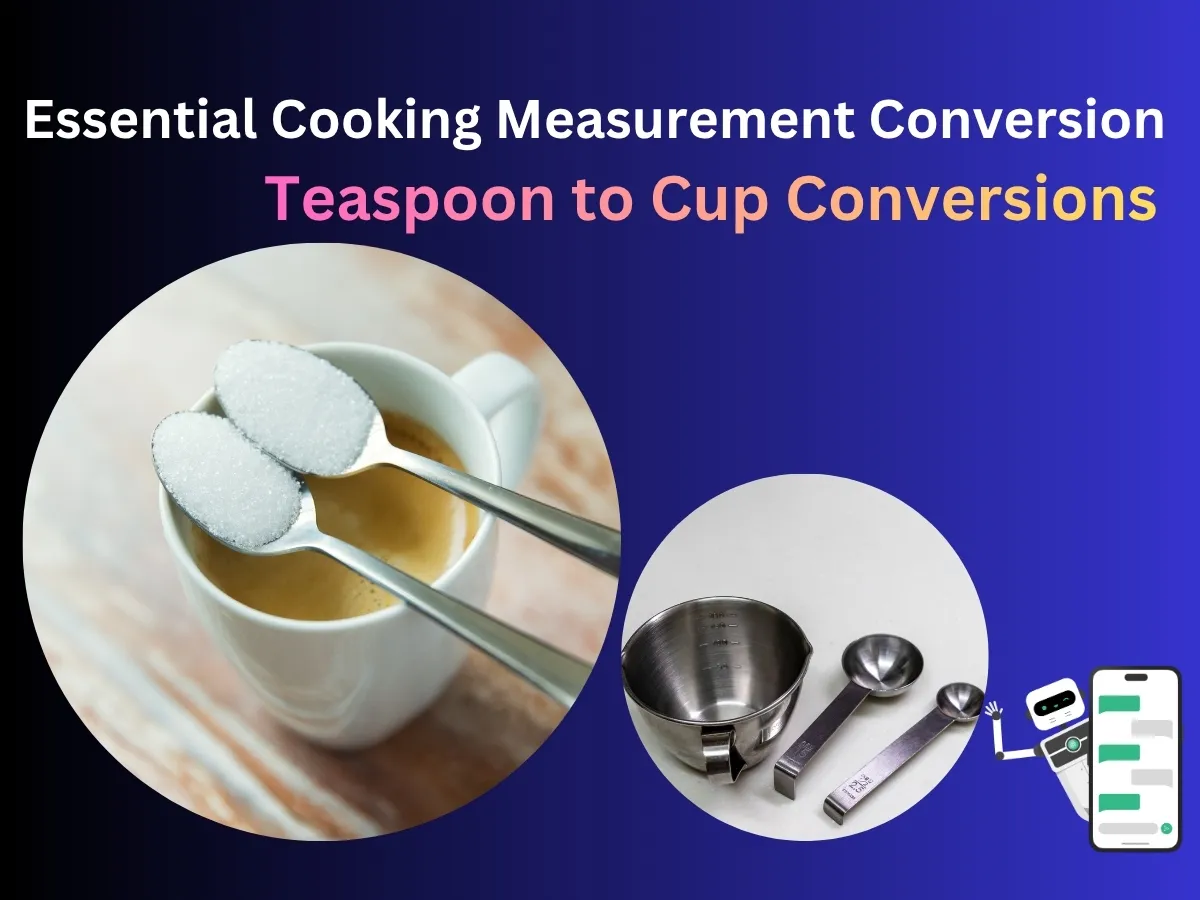
📏👩🍳 Essential Cooking Measurement Conversion – Do you constantly struggle to convert measurements in your recipes? Do you know how to convert teaspoons to cups or gallons to ounces? You’re not alone. Measurement conversion is one of the most common challenges home cooks face in the kitchen.
- Master Cooking Measurement Conversions (No More Guesswork!)
- Bringing Travel Flavors Home: Converting International Recipes
- Kitchen Conversion Chart
-
🙋♀️ FAQs: Your Top Cooking Measurement Questions Answered
- What's the difference between fluid and weight ounces (WT OZ)?
- How do I convert dry spices to fresh herbs?
- When should I use volume vs. weight when cooking?
- How many milliliters are in an ounce?
- Why does the same ingredient weigh differently in ounces and fluid ounces?
- Can I use the same measuring cup for liquids and solids?
- Source & Credits: Read more
Need help with culinary conversions? This comprehensive guide will teach you how to easily convert measurements like gallons to ounces, teaspoons to tablespoons, and cups to milliliters. With the right measurement conversion skills, you’ll never second-guess a recipe again.
Does the confusion between teaspoons and cups frustrate you in the kitchen? Fear not — help is here. Mastering measurement conversion transforms chaotic cooking into confident, consistent results. Whether you’re a beginner or a seasoned chef, this guide will eliminate guesswork and elevate your culinary game.
📐 No more guesswork • 🎯 Perfect results every time • 📚 Kitchen confidence • Free Calculator Inside ↓
Master Cooking Measurement Conversions (No More Guesswork!)
🔄 Kitchen Conversion Calculator
Accurate measurements are essential for tracking your nutrition. Whether you’re counting macros, measuring portion sizes, or following a therapeutic diet, mastering Measurement Conversion helps you log your intake accurately and stay on track with your wellness goals.
Did you know that 1 tablespoon equals 3 teaspoons? That simple Measurement Conversion can save you from hundreds of hidden calories. A mismeasured tablespoon of oil adds approximately 120 hidden calories to your meal — precision truly matters.
🥗 Why Accurate Measurements Matter for Your Health
Whether you’re counting macros, tracking calories, or following a therapeutic diet, precision is key. A single mismeasured tablespoon of oil adds 120 hidden calories. Over a week, that’s nearly a pound of unexpected weight gain. Mastering measurements puts you in control of your nutrition goals.Recipes from around the world use different measurement systems. Italian nonnas measure in ‘handfuls,’ Japanese recipes use milliliters, and American recipes use cups. Understanding conversions lets you travel the world through your kitchen, recreating authentic dishes from any country.
🌍 Cooking Across Cultures: Converting International Recipes
Italian recipes use grams and milliliters. Japanese recipes use “cups” of a different size. Thai recipes might call for “small spoonfuls.” Understanding conversions lets you travel the world through your kitchen, recreating authentic dishes from any country with confidence.
Bringing Travel Flavors Home: Converting International Recipes
When you travel, you might buy local cookbooks or bring home exotic ingredients. But that beautiful Moroccan cookbook uses metric measurements. That Thai recipe calls for “small spoonfuls.” Mastering Measurement Conversion unlocks these culinary treasures and brings authentic world flavors to your kitchen.
Understanding Measurement Conversion helps you recreate your travel memories in your own kitchen long after the trip ends. That perfect bowl of pasta from Rome? That fragrant tagine from Marrakech? That spicy curry from Bangkok? Relive every delicious moment — no passport required.
Volume vs. Weight: Why a Cup of Flour Isn't 8 Ounces
The nutrition angle — why precision matters for your health goals
Here's a truth that surprises many home cooks: a cup of all-purpose flour does NOT weigh 8 ounces. It actually weighs about 4.25 ounces (120 grams). The same cup filled with water? That's 8 ounces. Filled with honey? Nearly 12 ounces.
🔬 The Simple Explanation:
Volume measures space (cups, tablespoons).
Weight measures mass (ounces, grams).
Different ingredients have different densities. A cup of feathers weighs less than a cup of rocks — same principle applies in your kitchen.
Why this matters for your nutrition goals: When you're tracking macros, counting calories, or following a therapeutic diet, weight is always more accurate than volume. A "cup" of oats can vary by 20-30 calories depending on how tightly you pack it. A kitchen scale eliminates this guessing game.
📊 Same Cup, Different Weights
Wellness Pro Tip: Investing in a $15 kitchen scale is one of the best moves for accurate nutrition tracking. Weighing ingredients eliminates portion distortion and helps you achieve consistent results — whether you're meal prepping, counting macros, or following a heart-healthy diet.
⚖️ Ready to level up your cooking precision? Try weighing your ingredients this week and notice the difference!
Kitchen Conversion Chart
Your go-to guide for teaspoons, tablespoons, cups, ounces & gallons
📊 Volume Conversions
1 tsp = 1/3 tbsp
3 tsp = 1 tbsp
48 tsp = 1 cup
768 tsp = 1 gallon
1 tbsp = 3 tsp
16 tbsp = 1 cup
256 tbsp = 1 gallon
1 cup = 16 tbsp
1 cup = 48 tsp
1 cup = 8 fl oz
16 cups = 1 gallon
1 fl oz = 2 tbsp
1 fl oz = 6 tsp
8 fl oz = 1 cup
128 fl oz = 1 gallon
📋 Quick Reference: From → To
| From | To | Multiply By |
|---|---|---|
| Teaspoons | Tablespoons | ÷ 3 |
| Tablespoons | Teaspoons | × 3 |
| Tablespoons | Cups | ÷ 16 |
| Cups | Tablespoons | × 16 |
| Cups | Fluid Ounces | × 8 |
| Fluid Ounces | Cups | ÷ 8 |
| Gallons | Fluid Ounces | × 128 |
💡 Pro Tips
⚖️ Common Ingredient Weights (1 Cup)
Use Ctrl+P (Windows) or Cmd+P (Mac) to print or save as PDF
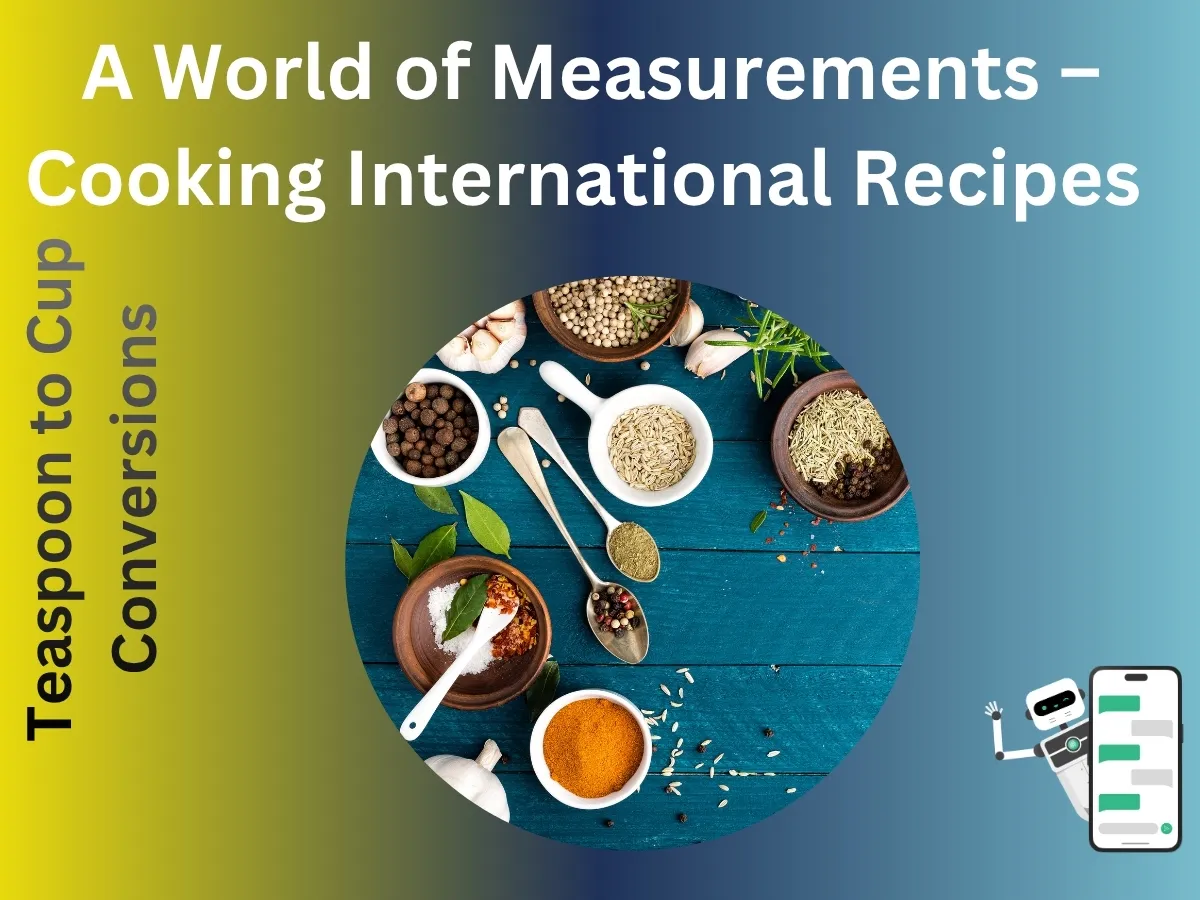
A World of Measurements: Cooking International Recipes
The culture & travel angle — bring global flavors to your kitchen
Your next great culinary adventure doesn't require a plane ticket. It starts with a recipe from another country. But that beautiful French cookbook uses grams. That Japanese blog measures in milliliters. That Italian nonna's recipe calls for "a handful" or "until it feels right."
✈️ The Global Kitchen Secret:
Understanding measurement systems is the key that unlocks authentic international cooking. Once you know how to convert grams to cups or milliliters to fluid ounces, the whole world becomes your recipe box.
🌍 Measurement Systems by Region
Grams, milliliters, liters — precise and consistent
Cups, ounces, teaspoons, tablespoons, gallons
A UK pint = 20 fl oz, US pint = 16 fl oz. Watch for this!
Cups, spoons, or "eye" measurements — trust your senses
🍽️ Recipes Waiting for You — Once You Master Conversions
French patisserie
Grams are essential for perfect croissants
Japanese washoku
Milliliters for dashi, mirin, and soy sauce
Mexican moles
Cups of seeds, spices, and chiles — balance is key
Travel Tip: When cooking international recipes, start by converting all measurements before you begin. Keep our conversion chart handy. And remember — in many cultures, cooking is about feeling, not precision. Use conversions as a guide, then adjust with your senses.
🌏 What international dish have you always wanted to make? Share your dream recipe below — let's convert it together!
Free Printable Kitchen Conversion Chart
Download a PDF cheat sheet for teaspoons, tablespoons, cups, ounces, and gallons. Perfect for your fridge or kitchen drawer — never guess a measurement again!.
🔒 Your email will never be shared. The chart will be sent to you manually within 24 hours.
Thank you for reaching out! Your message has been sent with care.
🙋♀️ FAQs: Your Top Cooking Measurement Questions Answered
What’s the difference between fluid and weight ounces (WT OZ)?
Fluid ounces measure volume (used for liquids), while weight ounces measure mass (used for solids). For example, eight fl oz of water equals about 8 oz by weight, but eight fl oz of flour weighs much less.
How do I convert dry spices to fresh herbs?
A general rule is: 1 tablespoon of fresh herbs = 1 teaspoon of dried herbs. Dried herbs are more concentrated, so you need less.
When should I use volume vs. weight when cooking?
Use weight for precision in baking or with ingredients like flour or butter. Use volume for liquids or when following traditional recipes with cups or teaspoons.
How many milliliters are in an ounce?
1 US fluid ounce = approximately 29.57 milliliters. To convert, multiply ounces by 29.57.
Why does the same ingredient weigh differently in ounces and fluid ounces?
Because weight and volume are unequal, one fluid ounce of honey weighs more than one fluid ounce of milk due to density.
Can I use the same measuring cup for liquids and solids?
For accuracy, it’s best to use liquid measuring cups (clear cups with a spout) for fluids and dry measuring cups for flour, sugar, etc.

August 18, 2023 at 4:26 pmSiteground: Siteground is known for its exceptional speed and advanced security features. They provide excellent customer support, automatic backups, and a user-friendly interface.
DreamHost: DreamHost is a well-established hosting provider, known for its solid uptime and fast-loading websites. They offer a wide range of hosting options, including shared, VPS, and dedicated hosting. http://webward.pw/.