
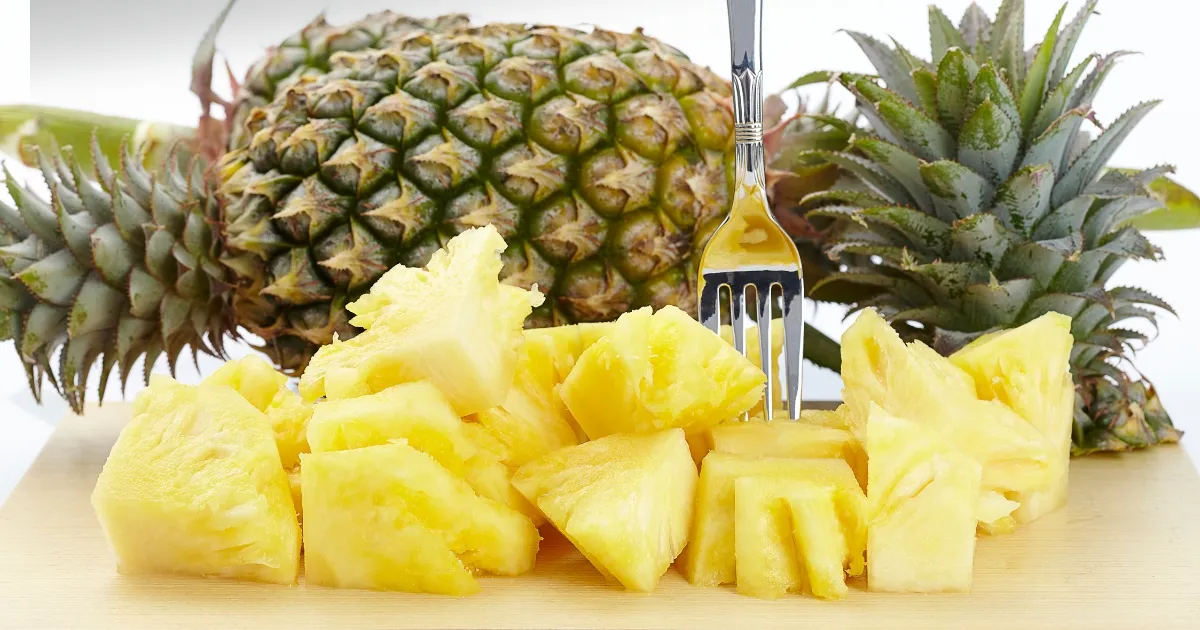
Imagine biting into a sun-warmed pineapple on a beach in Thailand, or sipping tangy Agua de Piña from a street vendor in Mexico. The pineapple, or ananas, is more than a fruit; it’s a global symbol of hospitality, a culinary chameleon, and a nutritional powerhouse. Let’s explore why this spiky marvel deserves a star place in your kitchen and diet.
Pineapple Juice has become very popular lately for its health benefits. You probably know that pineapple is perhaps one of the most common fruits found in every country in the world, but pineapple requires a tropical climate to grow. There is no specific season for growing a pineapple.
That’s why everyone can enjoy this fruit every season. The benefits of pineapple can improve our body’s defenses and slow aging.
Why Pineapple Juice is Your New Super Drink
Pineapple juice is a super drink because it contains essential vitamins and minerals, such as Vitamin C, manganese, and antioxidants. These nutrients help boost the immune system, aid digestion, reduce inflammation, and promote overall health.
Additionally, pineapple juice, traditional pineapple drinks around the world, is a delicious and refreshing way to stay hydrated. Its sweet taste makes it an enjoyable alternative to sugary drinks, making it a healthier choice for daily consumption.
Pineapple Juice Contains More Than Just Sugar.
Bromelain benefits for digestion. Pineapple is the best natural source of bromelain, a digestive enzyme found in the stem of the pineapple plant. Bromelain has been studied for its potential health benefits.
- While other fruits like papaya and kiwi contain bromelain, pineapple is considered the most potent source.
Pineapple for inflammation benefits. Rich in anti-cancer properties and antioxidants, pineapple contains substances that restore skin elasticity and help rejuvenate cells. It does this by combating the body’s free radicals.
The benefits of pineapple juice aren’t very well known, so let’s look at the most important effects of this fruit on our bodies.
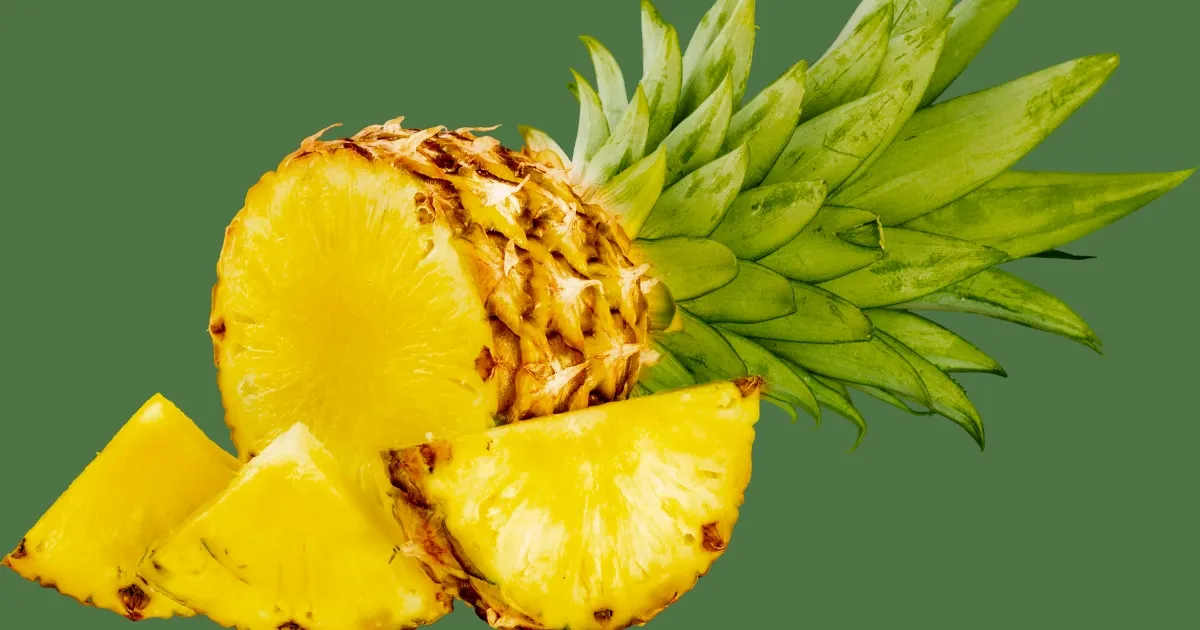
14 Golden Reasons to Love Pineapple
Discover the science-backed health benefits of nature's sweetest tropical treasure
Pineapple contains more than 70% of your daily manganese needs — an essential trace mineral for building healthy bones and connective tissues. This often-overlooked nutrient works behind the scenes to maintain bone density and structure.
High potassium levels in pineapple help remove excess sodium that causes hypertension. The enzyme bromelain ensures your arteries function optimally, reducing pressure on your cardiovascular system.
Thanks to its powerful antioxidants and bromelain content, pineapple helps prevent cellular damage. It also supports immune function and helps regulate the thyroid gland, assisting in hormonal balance.
Potassium acts as a natural anti-sodium agent, helping remove excess sodium from your blood. Pineapple's high potassium content makes it highly beneficial for maintaining healthy circulation.
Pineapple is perfect for fighting inflammation in joints and muscles, aiding mobility and easing joint discomfort as you age.
Pineapple's anti-inflammatory properties help soothe airway irritation and sinus discomfort. Bromelain helps break down and clear mucus, speeding up recovery from seasonal colds.
Consuming pineapple provides approximately 130% of your daily recommended vitamin C. This strengthens the immune system and promotes natural cellular defense.
With abundant dietary fiber per serving, you get up to 52% of your daily fiber needs from this tropical fruit, making it an excellent aid for regular bowel movements.
Pineapple stimulates the natural secretion of digestive enzymes that break down protein-rich meals. Combined with its fiber, it promotes smooth overall digestion.
Pineapple promotes collagen synthesis, essential for skin elasticity, blood vessels, and joint structure. This means it actively supports tissue repair and skin vitality.
For general stomach discomfort or morning sickness, combining fresh pineapple with a hint of ginger creates a soothing natural blend to settle stomach upset.
Intestinal microbes and parasites rely on protein structures to adhere to digestive walls. Bromelain helps break down these proteins, supporting a clean, healthy gut environment.
The high fiber content in pineapple helps slow sugar absorption in the bloodstream. Always enjoy in balanced portions as part of a structured diet.
Rich in vitamin C, copper, zinc, beta-carotene, and folate, pineapple offers essential micronutrients that neutralize free radicals and support overall reproductive wellness.
Fresh vs Canned Pineapple: Which Is Better?
When comparing fresh vs canned pineapple, both options can be convenient ways to enjoy this tropical fruit. The main differences are freshness, texture, storage, and what the pineapple is packed in.
Fresh Pineapple
Fresh pineapple has a juicy texture and a bright tropical flavor. It can be enjoyed as a snack, added to fruit salads, blended into smoothies, or used in savory dishes. Fresh pineapple also provides naturally occurring vitamin C and other nutrients.
One advantage of fresh pineapple is that you can choose exactly how much you want to eat without added syrup or other ingredients. However, it requires cutting and has a relatively short storage life once prepared.
Canned Pineapple
Canned pineapple is practical because it is already peeled, cut, and ready to use. It can be particularly useful when fresh pineapple is unavailable or when you want a fruit that can be stored in the pantry for longer.
When buying canned pineapple, check the label carefully. Some varieties are packed in pineapple juice, while others are packed in heavy or light syrup. If you are trying to reduce added sugar, choosing pineapple packed in its own juice or water can be a useful option.
| Feature | Fresh Pineapple | Canned Pineapple |
|---|---|---|
| Texture | Firm and juicy | Usually softer |
| Convenience | Requires preparation | Ready to eat |
| Storage | Shorter shelf life | Long pantry life before opening |
| Added sugar | None naturally added | Depends on the product |
Fresh vs Canned Pineapple: What Should You Choose?
There does not have to be a single winner in the fresh vs canned pineapple comparison. Fresh pineapple is a great choice when you want a crisp texture and fresh flavor, while canned pineapple can save time and make it easier to keep this fruit available at home.
The most important step is to check the ingredient and nutrition labels, particularly if you want to limit added sugars. Whether fresh or canned, pineapple can be part of a varied and balanced diet.
Pineapple: A Global Culinary JourneyGlobal Traditions
How different cultures harness the power of pineapple—from traditional medicine to time-honored cooking techniques
🌿 Traditional Healing
The immune-boosting power of pineapple has made it a cornerstone of traditional remedies across Southeast Asia for centuries. In Thailand, a warming tea made from pineapple, fresh turmeric, and galangal is the first line of defense against colds and flu.
Vietnamese tradition combines pineapple with ginger and honey—not just for taste, but because this trio is believed to "cut the phlegm" and restore balance to the body. Malaysian folk medicine uses fermented pineapple (known as "jeruk nanas") as a digestive tonic and immune booster during monsoon season.
🥩 The Secret Tenderizer
Walk into any kitchen in Puerto Rico, Mexico, or Cuba, and you'll find a bowl of fresh pineapple marinade soaking chunks of pork or beef. This isn't just for flavor—it's culinary chemistry passed down through generations.
In Cuban cooking, "Pierna de Puerco" (roast pork shoulder) is often marinated with sour orange and pineapple for 24 hours. The result? Meat so tender it falls apart with a fork. Brazilian churrasco chefs use pineapple juice in their marinades for tougher cuts of beef, a technique learned from indigenous Tupi tribes.
🍍 More Pineapple Traditions Around the World
Ayurvedic Medicine India
In Ayurveda, pineapple is considered "agni"—fire—for its digestive properties. It's prescribed for "ama" (toxin) removal and mixed with black pepper and honey to treat sinus congestion. The king of fruits in Kerala's traditional medicine.
Symbol of Hospitality Hawaii
While pineapple isn't native to Hawaii, it became deeply woven into island culture. Presenting a whole pineapple to guests was the ultimate welcome—a tradition adopted from early Polynesian settlers who valued rare, sweet fruits as sacred offerings.
The Pineapple Cloth Philippines
Beyond eating, Filipinos weave pineapple leaf fibers into "piña" fabric—the official material of the national costume. This centuries-old craft represents sustainability and the Filipino value of "walang sayang" (nothing wasted).
Tepache Tradition Mexico
Mexican markets overflow with tepache, a fermented drink made from pineapple peels, brown sugar, and cinnamon. Originally a Nahua (Aztec) beverage, it's prized for gut health and served as a street-side probiotic long before it was trendy.
Celebratory Fruit West Africa
In Nigeria and Ghana, pineapple features prominently in ceremonies. The "Queen" variety is sliced and shared at weddings as a symbol of sweetness and prosperity. Traditional healers use unripe pineapple for intestinal complaints.
Okinawan Longevity Japan
Okinawa, a Blue Zone with the world's longest-living people, incorporates pineapple in their diet. Local varieties are fermented into vinegar (pineapple su) used in dressings—believed to contribute to the region's low inflammation rates.
Food is Memory, Pineapple is Connection
From a Thai grandmother's cold-fighting tea to a Puerto Rican family's holiday pork marinade, pineapple weaves through human culture as both medicine and celebration. When you eat pineapple, you're tasting generations of knowledge—the collective wisdom of tropical peoples who learned to harness every part of this spiny gift.
🌏 Have a pineapple tradition from your culture? Share it below!










April 23, 2026 at 2:18 amThis looks so refreshing! I’ve heard pineapple is amazing for a natural detox because of its high fiber content. Do you recommend drinking this first thing in the morning on an empty stomach for the best results?
April 24, 2026 at 2:32 pmI love using pineapple for a natural refresh! The bromelain is such a game-changer for digestion and reducing inflammation. Are you pairing this with ginger or keeping it purely tropical?