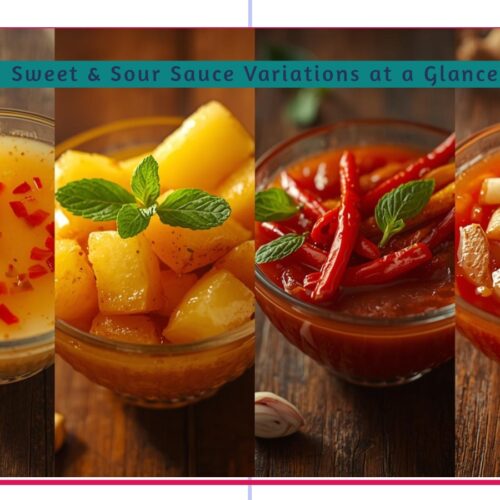
Sweet and sour sauce is one of the most beloved condiments in global cuisine, prized for its signature balance of tangy and sweet notes. Its origins trace back to Chinese cuisine, where the concept of combining contrasting flavors has been a culinary principle for centuries. The earliest versions appeared in the Cantonese region, traditionally made with vinegar, sugar, and fruit such as pineapple or plum. As Chinese immigrants brought their culinary traditions to the West, sweet-and-sour sauce evolved, adapting to local palates by incorporating ingredients like ketchup and cornstarch.
What Is Sweet & Sour Sauce? Origins and Flavor Profile
The flavor profile is what makes this sauce truly iconic. The sweetness typically comes from sugar, honey, or fruit, while the sourness comes from rice vinegar, white vinegar, or citrus. When properly balanced, the sauce achieves a harmonious contrast that awakens the palate without overwhelming it. Modern versions range from thick, glossy glazes used in classic sweet-and-sour chicken or pork to thinner, more delicate sauces served with spring rolls. Whether drizzled over crispy fried foods or used as a dipping sauce, its universal appeal lies in that perfect moment where sweet meets sour, creating a taste experience that is both comforting and exciting.
🍜 Sweet & Sour Sauce vs Other Asian Sauces
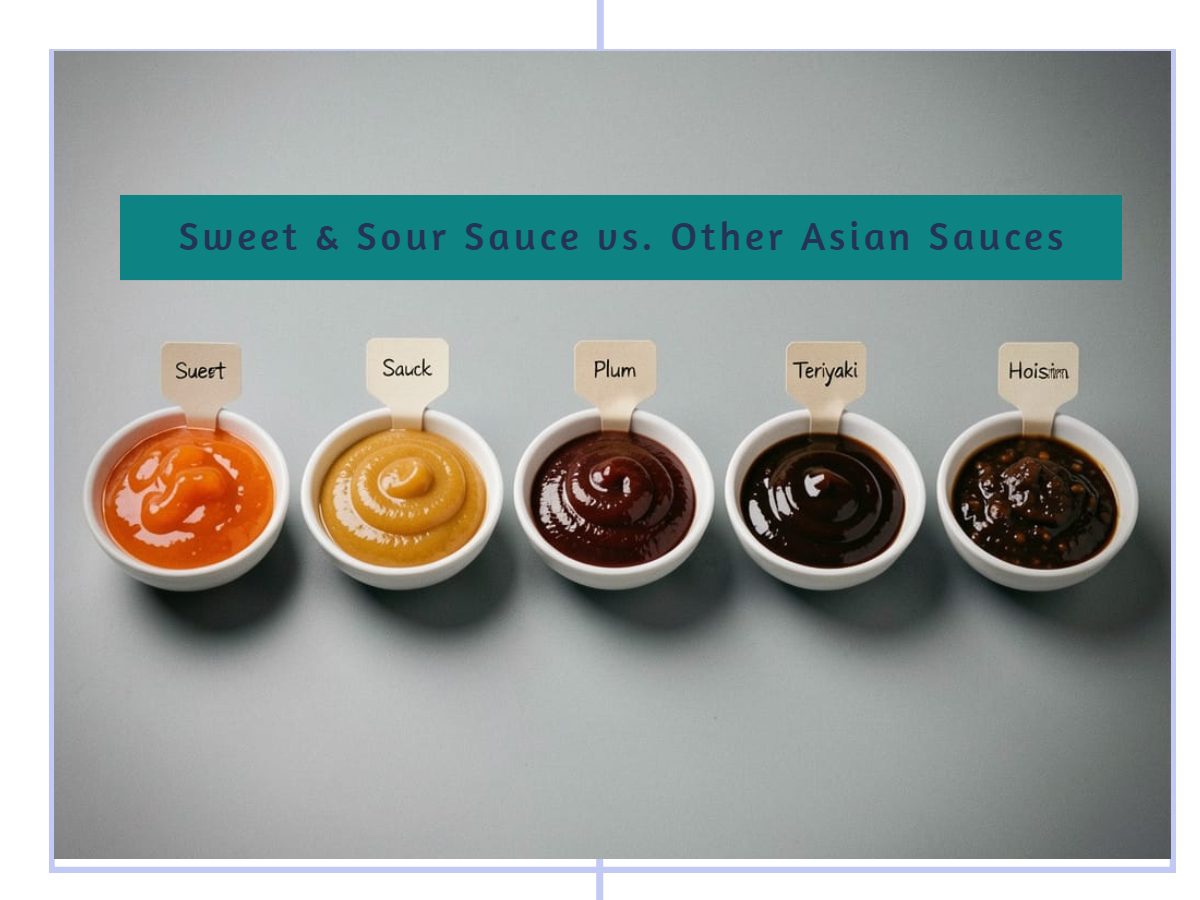
Sweet and sour sauce often gets compared to other popular Asian condiments, but each has a distinct identity. Duck sauce, for example, is sweeter and fruitier, typically made with plums, apricots, or peaches, and lacks the tangy vinegar punch that defines sweet and sour sauce. It is commonly served with duck, hence its name, and has a thicker, jam-like consistency. In contrast, plum sauce is deeper in flavor, with a balance of sweet and savory notes, often incorporating star anise and ginger for complexity.
| Feature | Sweet & Sour Sauce | Duck Sauce | Plum Sauce | Teriyaki Sauce | Hoisin Sauce |
|---|---|---|---|---|---|
| Primary Flavor | Tangy + Sweet | Sweet + Fruity | Sweet + Savory | Savory + Sweet | Intensely Savory |
| Key Ingredients | Vinegar, sugar, ketchup, soy sauce | Plums, apricots, sugar, vinegar | Plums, star anise, ginger, sugar | Soy sauce, mirin, sugar, sake | Fermented soybeans, garlic, chili, sugar |
| Acidic Component | ✅ Yes | ✅ Mild | ✅ Light | ❌ No | ❌ No |
| Texture | Glossy, medium-thick | Thick, jam-like | Thick, smooth | Thin to medium glaze | Thick, paste-like |
| Common Uses | Dipping, glazing chicken/pork | Duck, spring rolls | Egg rolls, roasted meats | Grilled meats, stir-fries | Marinade, stir-fry base |
| Umami Level | Low | Low | Medium | High | Very High |
| Sugar Content | Medium-High | High | Medium | Medium-High | Medium |
🏠 Homemade vs Store-Bought
Making sweet and sour sauce at home is surprisingly simple and takes less than 10 minutes. The result is far superior to store-bought versions, with no preservatives or artificial colors. To begin, gather ½ cup of water, ⅓ cup of rice vinegar, ¼ cup of granulated sugar, 3 tablespoons of ketchup, 1 tablespoon of soy sauce, 1 teaspoon of cornstarch mixed with 2 tablespoons of cold water (this is your slurry), and optional additions like minced garlic or ginger for extra depth.
| Feature | Homemade Sweet & Sour Sauce | Store-Bought Sweet & Sour Sauce |
|---|---|---|
| Preparation Time | 5–10 minutes | Ready to use |
| Ingredient Control | Full control—choose quality ingredients | Limited; often contains preservatives |
| Sugar Source | Natural (sugar, honey, pineapple juice) | Often high-fructose corn syrup |
| Sodium Level | Adjustable | Typically high |
| Preservatives | ✅ None | ⚠️ Common (sodium benzoate, etc.) |
| Artificial Colors | ✅ None (color from ketchup/tomato) | ⚠️ Often contains Red 40 or Yellow 5 |
| Flavor Customization | Adjust sweetness, tanginess, thickness | Fixed flavor profile |
| Shelf Life | 2 weeks refrigerated | Months (unopened) |
| Cost per Serving | 💰 Lower | 💰 Higher |
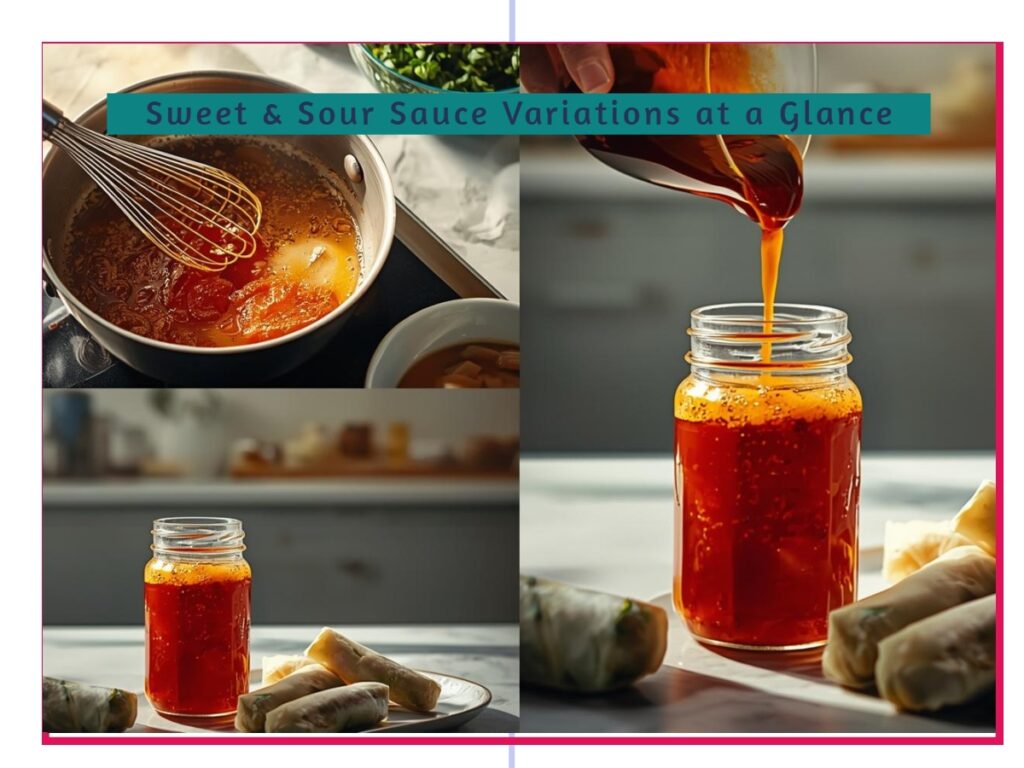
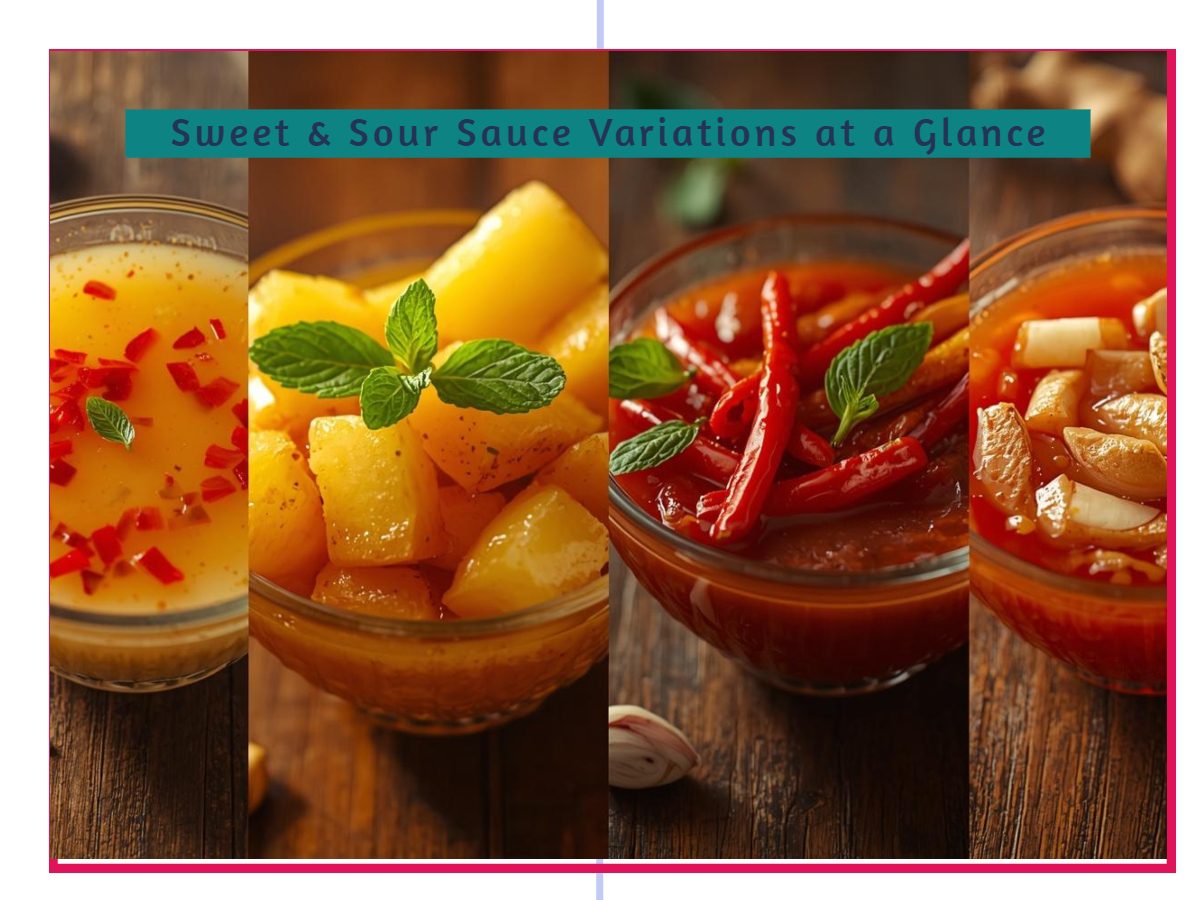
🌈 Sweet & Sour Sauce Variations
The beauty of authentic sweet and sour sauce lies in its simplicity—a handful of quality ingredients working together to create a complex flavor. The sweet component traditionally comes from granulated sugar, though honey, brown sugar, or pineapple juice are also common, each adding its own nuance. For the sour element, rice vinegar is the classic choice; its mild acidity complements rather than overwhelms the other flavors. White vinegar or apple cider vinegar can also be used, but they produce a sharper finish.
| Variation | Key Addition | Flavor Profile | Best Paired With |
|---|---|---|---|
| Classic | Ketchup + vinegar | Balanced tangy-sweet | Chicken, pork, egg rolls |
| Pineapple | Pineapple juice + chunks | Fruity, tropical | Fried rice, shrimp, tofu |
| Spicy | Red chili flakes, sriracha | Sweet + spicy kick | Spicy chicken, spring rolls |
| Ginger-Garlic | Fresh ginger, minced garlic | Aromatic, warm | Stir-fries, dumplings |
| Honey-Based | Honey instead of sugar | Floral, rich | Grilled meats, salmon |
| Low-Sugar | Monk fruit, stevia, less sugar | Lightly sweet | Diabetic-friendly, keto diets |
| Mango | Mango purée | Sweet, tropical | Seafood, summer dishes |
❓ Common Questions About Sweet & Sour Sauce
Everything you need to know about this tangy-sweet condiment