
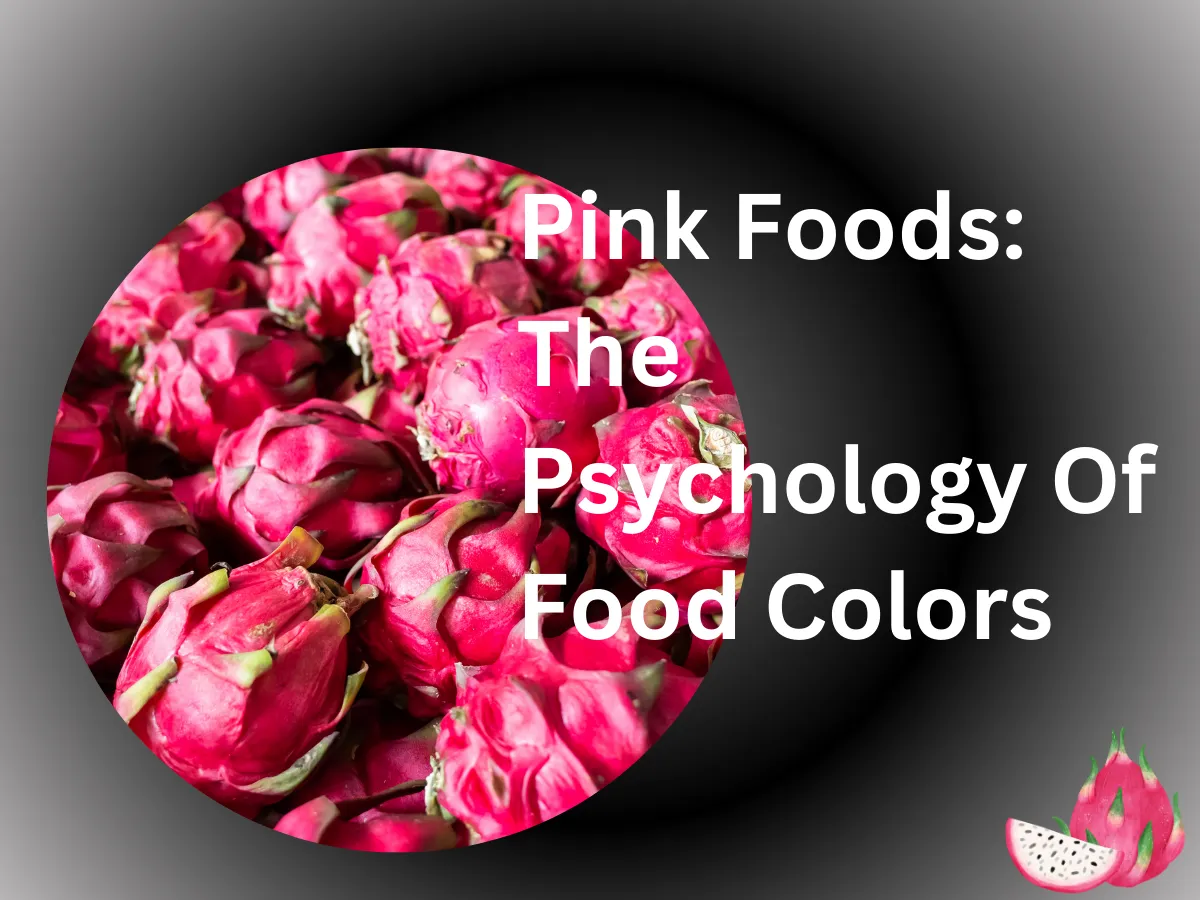
Did you know that the color of your food can affect your appetite and eating habits? It’s true! The psychology of food colors is a fascinating field of study that explores how different colors can influence our perception of taste and even our cravings. In this series, we’ll explore the world of pink foods and how this vibrant hue can impact our dining experiences.
Pink foods have a unique ability to evoke feelings of sweetness and indulgence. From cotton candy to strawberry milkshakes, something about the color pink makes us think of sugary treats and decadent desserts. But what is it about this hue that has such a powerful effect on our perception of taste?
In this article, we’ll explore the psychology behind pink foods and uncover the science behind why they are so irresistible.
Whether you’re a foodie looking to experiment with new flavors or simply curious about the fascinating world of color psychology, this series is for you.
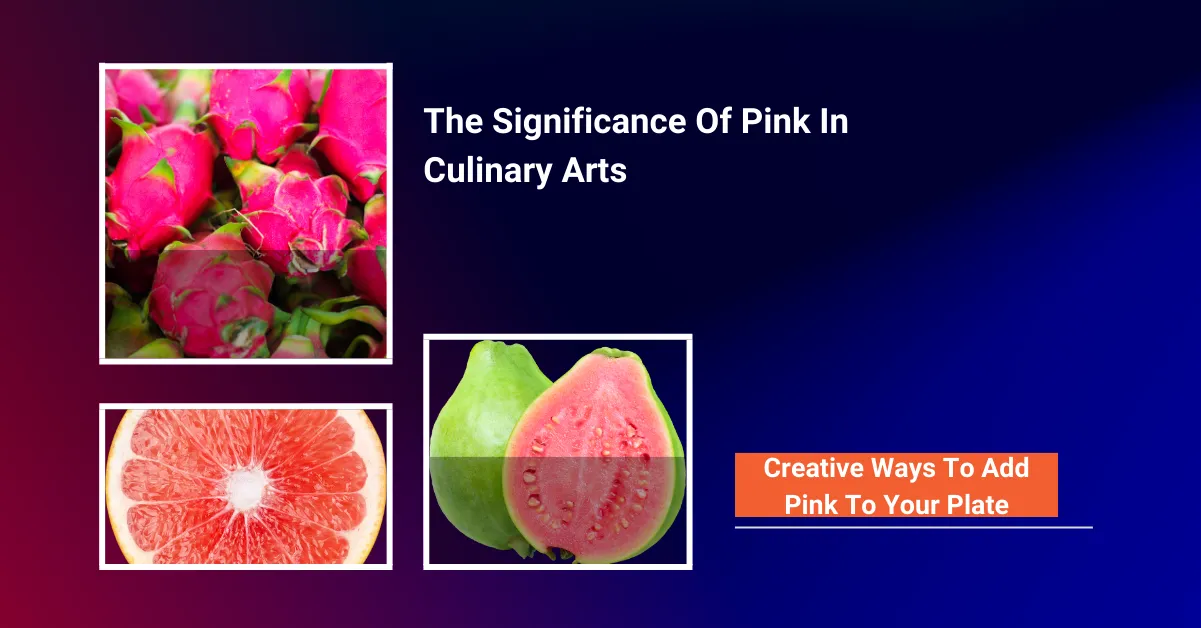
The Psychology of Pink: Sweetness, Calm, and Cravings
How this unique hue influences our taste buds, emotions, and appetite.
The Appeal of Joy
Pink triggers immediate pleasurable responses. Its softness makes it the universal choice for comfort foods and treats designed for pure indulgence.
The Sweetness Shortcut
Seeing pink actually primes your physiology. Our brains anticipate sugar, making pink macarons or ice cream literally taste sweeter than colorless versions.
Cultural Celebration
From Valentine's Day to festive spring treats, pink is the global shorthand for happiness. This context heightens our emotional enjoyment of the meal.
The Healthy Glow
Nature uses pink to highlight nutrients and antioxidants. Salmon, grapefruit, and watermelon use their vibrant hue to signal peak health benefits.
Marketing & Branding Power
Food brands leverage pink to create memorable product images. Its warmth and approachability stand out on crowded shelves, signaling a product that is both premium and friendly.
Pink on the Plate
A Cultural Story in Three Acts
Celebration: The Color of Festivity
From Japanese Sakura mochi marking the arrival of spring to pink confections at Mexican quinceañeras, this hue is the visual shorthand for "this matters." Whether it's raspberry-filled chocolates on Valentine’s Day or strawberry punch at a new beginning, pink evokes a warmth that ordinary meals cannot reach.
Freshness & Ripeness: Nature’s Signal
Long before science, humans read pink as a promise. The blush of a strawberry or the coral-pink of wild salmon are nature’s own marketing. These colors come from anthocyanins and astaxanthin—antioxidants that signal peak nutritional value. Our biology has learned: pink means ripe, ready, and good.
Natural vs. Artificial: A Return to Real
We are moving away from the lab and back to the earth. Vibrant Beetroot hummus, shocking pink Dragon Fruit bowls, and elegant Lychee cocktails are the new stars. We want our food to be beautiful, but also honest—achieving its striking glow through fiber and antioxidants rather than synthetic dyes.
In every pink bite, there is a thread of culture, biology, and choice—woven together in a color that continues to delight and sustain us.
Healthy pink foods can be both visually appealing and nutritious. The color pink often comes from natural sources, such as fruits, vegetables, and certain seafood.
Pink Food Physiology & Healthy Pink Food Options
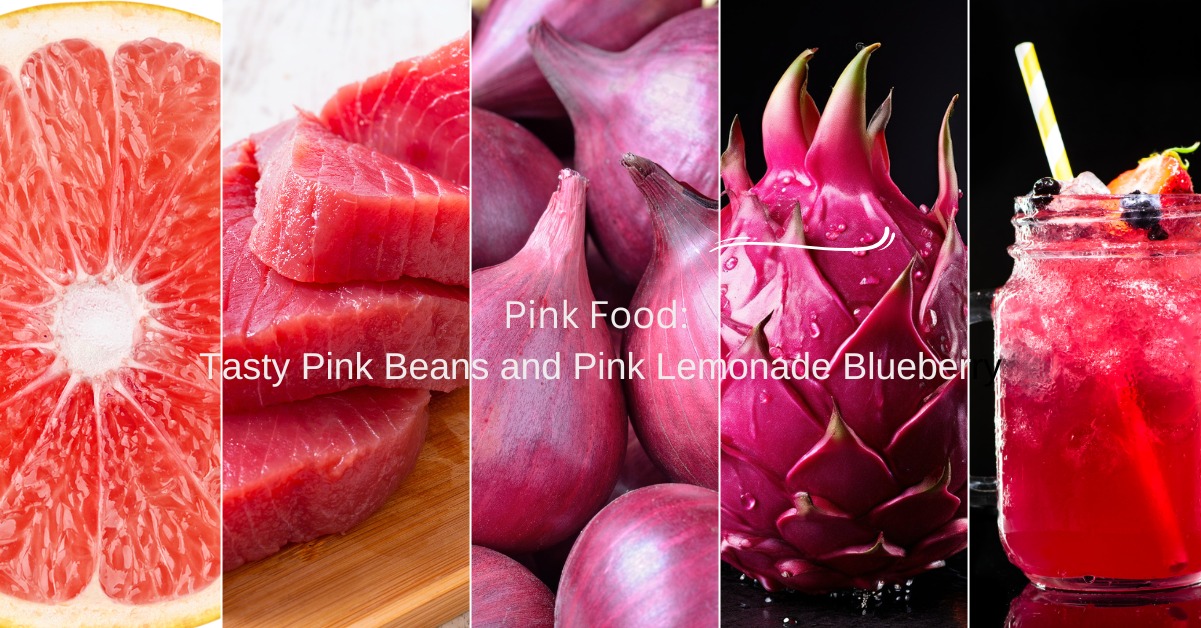
The Viral Pink Drink
Weight Loss Magic or Marketing Masterpiece?
What Exactly Is It?
Flooding social media with promises of a slimmer waistline and boosted energy, the "Pink Drink" usually combines protein, fiber, and natural appetite suppressants. The goal is simple: increase satiety and reduce cravings through hydration.
Fiber: The "Secret" Ingredient
The true magic isn't the color—it's the Fiber. Fiber slows digestion and stabilizes blood sugar. For long-term results, skip the processed mixes and pivot to these whole-food sources:
- The Pink Fruits: Raspberries, Lychee, Grapefruit, and Dragon Fruit.
- The Power Seeds: Chia seeds, Flaxseeds, and Oats.
- The Protein Pairings: Lentils, Chickpeas, and Edamame.
The Verdict: A Lifestyle, Not a Quick Fix
A pretty drink is a helpful tool, but not a magic bullet. Sustainable results come from the synergy of nutrient-dense eating, movement, hydration, and rest.
🎀 pink food cravings 🍓
which one makes YOU crave instantly?

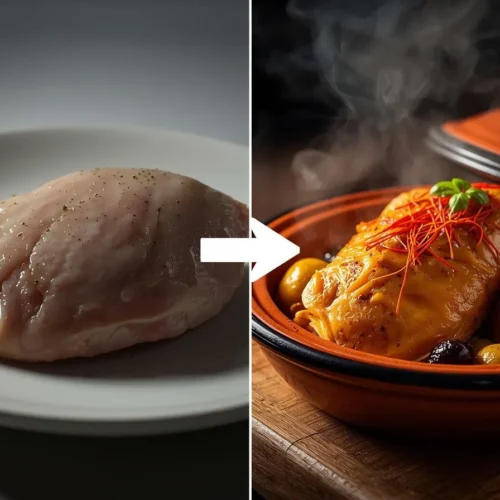

🗣️ Which pink food makes YOU crave it instantly?
Tell us in the comments — and don’t forget to share your letter (A, B, C, or D)!