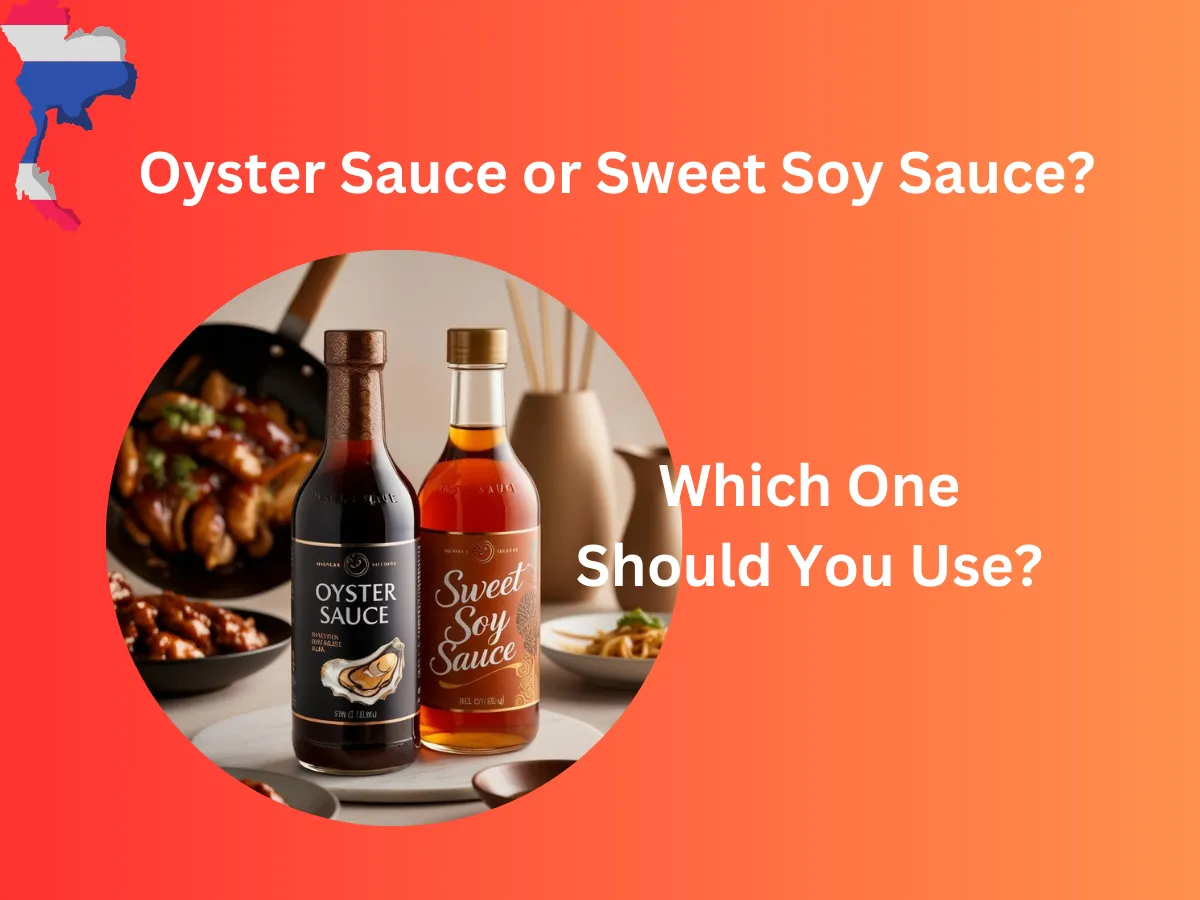
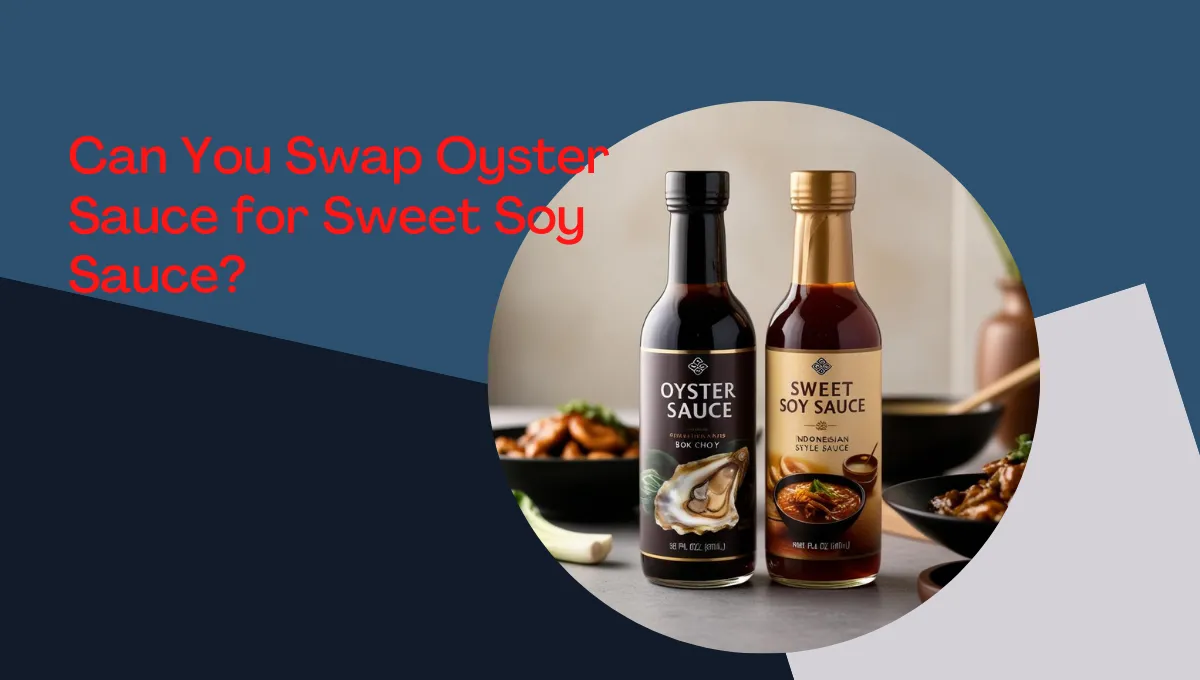
Oyster Sauce vs. Sweet Soy Sauce – Standing in the international aisle, two dark bottles—one labeled ‘Oyster Sauce,’ the other ‘Sweet Soy Sauce.’ They look almost identical, but swapping one for the other could transform (or ruin) your stir-fry. Here’s how to tell them apart.
Thai Cuisine & Condiments: Oyster Sauce vs. Sweet Soy Sauce – Which One to Use & When
What is Oyster Sauce?
Oyster sauce is a thick, dark brown sauce made from oyster extracts, sugar, salt, and cornstarch. It has a rich umami flavor with a slightly sweet undertone and is often used in Chinese, Thai, and Vietnamese cooking.
What is Sweet Soy Sauce?
Sweet soy sauce, or kecap manis, is a thick, sweetened soy sauce originating from Indonesia. It adds palm sugar or molasses to traditional soy sauce, creating a syrupy, flavorful condiment.
Oyster Sauce Taste Profile:
- Savory and umami-rich
- Slightly sweet with a deep, caramelized flavor
- Thick and glossy texture
Best Uses for Oyster Sauce:
- Stir-fries are a key ingredient in beef, broccoli, and Thai basil stir-fry.
- Marinades: Adds depth when mixed with soy sauce, garlic, and sesame oil for meats and tofu.
- Glazes: Perfect for grilled meats, seafood, or vegetables.
- Soups & Broths: Enhances the umami factor in pho, hot pot, and noodle soups.
Oyster Sauce Substitutes:
- Vegetarian Oyster Sauce: Made from mushrooms, offering a similar umami-rich profile.
- Soy Sauce + Hoisin Sauce: A combination that mimics the sweetness and depth of oyster sauce.
- Fish Sauce + Brown Sugar: Brings a similar salty-sweet balance but with a more pungent aroma.
Sweet Soy Sauce Taste Profile:
- Sweet and slightly salty
- Caramel-like depth with mild umami
- Thick and syrupy texture
Best Uses for Sweet Soy Sauce:
- Pad Thai Sauce: A crucial ingredient for creating the signature sweet-savory balance in pad Thai.
- Rice & Noodle Dishes: Enhances fried rice, lo mein, and stir-fried noodles.
- Dipping Sauce: Mixed with chili and garlic for a delicious accompaniment to dumplings or spring rolls.
- Marinades & Glazes: Adds a caramelized glaze to grilled meats and tofu.
Sweet Soy Sauce Substitutes:
- Regular Soy Sauce + Brown Sugar: Mimics the sweet and salty balance.
- Hoisin Sauce: Offers sweetness with a hint of spice.
- Maple Syrup + Soy Sauce: An excellent alternative for a deep, natural sweetness.
When to use them?
Use Oyster Sauce When: You want deep umami flavors, richness, and a slightly salty profile (best for stir-fries and meat-based dishes).
Use Sweet Soy Sauce & When: This sauce needs a caramelized sweetness, a thicker texture, and a slightly salty-sweet balance (best for pad Thai, marinades, and glazes).
🌏 A Culinary Journey: From China & Indonesia to Thailand
How two iconic sauces traveled across borders and became essential in Thai kitchens
Oyster Sauce · 蚝油
Origin: Invented in Guangdong province, China in the late 19th century. Legend has it that Lee Kum Sheung, a restaurateur, accidentally discovered it when he forgot a pot of oyster soup and returned to find a thick, aromatic sauce. He commercialized it, founding Lee Kum Kee, now a global brand.
Sweet Soy Sauce · Kecap Manis
Origin: Developed in Indonesia (Java), influenced by Chinese soy sauce traditions brought by traders. Indonesians added local palm sugar (gula jawa) and aromatic spices, creating a thicker, sweeter version. The name "kecap" (soy sauce) itself derives from Chinese dialects.
🇹🇭 The Thai Adoption: A Fusion of Flavors
Oyster sauce arrived in Thailand with Chinese immigrants (particularly the Teochew community) who settled in large numbers from the late 19th century. They brought their cooking techniques and ingredients, including oyster sauce, which quickly integrated into Thai-Chinese stir-fries like pad see ew (stir-fried noodles with soy sauce) and khao pad (fried rice). Today, it's indispensable in Thai kitchens for adding deep umami to everything from basil stir-fries to braised pork.
Sweet soy sauce traveled a different path. While Indonesian influence on Thai cuisine is less direct than Chinese, the sauce found its way through shared culinary traditions and regional trade. It became most famous as a key ingredient in Pad Thai, where its caramel sweetness balances the sourness of tamarind and saltiness of fish sauce. Thai cooks also use it in khao kha mu (braised pork leg) and various grilled meat glazes.
Today, both sauces sit side by side in Thai pantries—each with its distinct role, yet both essential to the symphony of Thai flavors.
Did you know? In Thailand, oyster sauce is often called "nam man hoi" (น้ำมันหอย) and is used even in dishes that don't traditionally contain oysters—a testament to its role as a pure flavor enhancer.
Common Questions About Oyster Sauce & Sweet Soy Sauce – Thai Cuisine & Condiments
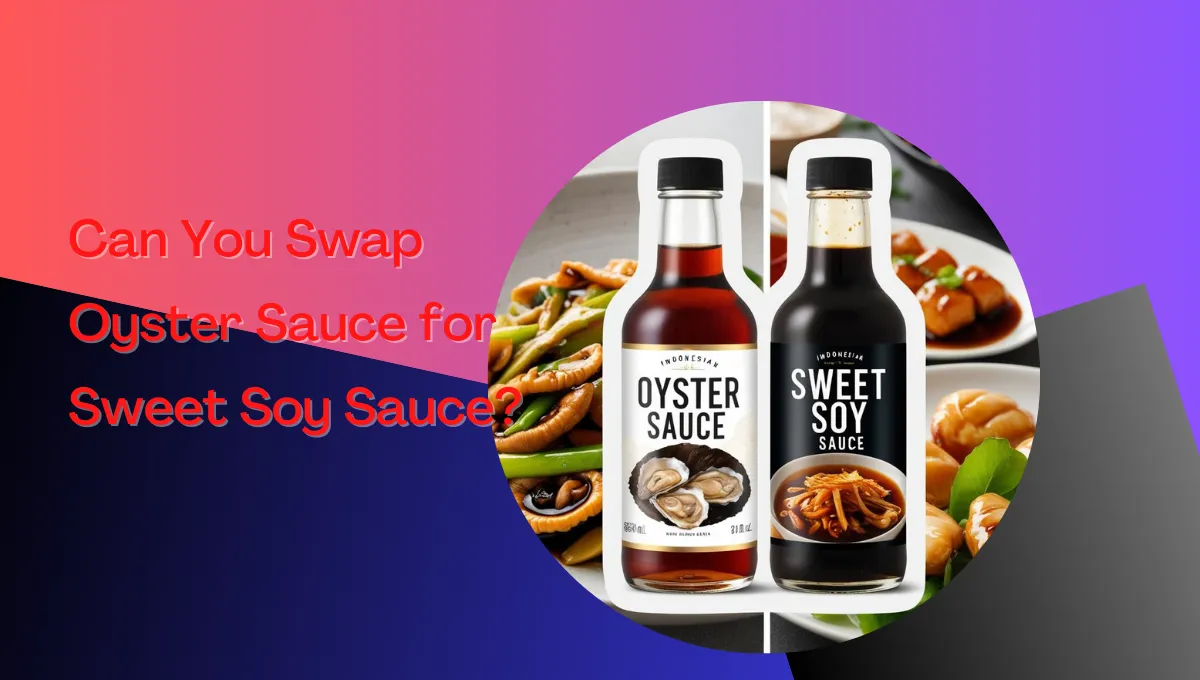
Can I use sweet soy sauce instead of oyster sauce? – No, sweet soy sauce is much sweeter and lacks the deep umami of oyster sauce.
Is oyster sauce gluten-free? – Some brands contain wheat, but gluten-free versions are available.
What can I use instead of sweet soy sauce in Pad Thai? – A soy sauce and brown sugar mix can work as a substitute.
Oyster Sauce vs. Sweet Soy Sauce: Which is Best for Stir-Fries? Master the art of stir-frying with the right Asian sauces! Find out how oyster sauce and sweet soy sauce impact flavor and texture!
Final Thoughts
Whether you're deciding between Oyster Sauce vs Sweet Soy Sauce for your next stir-fry or crafting the perfect balance of sweet, sour, and savory, understanding these two essential condiments will transform your home cooking. Each brings a distinct personality to the table—one deep and umami-rich, the other sweet and caramel-like—and knowing when to use which is the secret to achieving restaurant-quality Thai and Asian dishes.
Experimenting with both is the best way to discover your personal preference. Start with oyster sauce when you want richness and umami—it's a staple in Thai-Chinese dishes like pad see ew. Reach for sweet soy sauce when a dish needs sweetness and body—it's irreplaceable in authentic Pad Thai. And don't be afraid to combine them; many Thai recipes use Oyster Sauce & Sweet Soy Sauce together to achieve that perfect harmony of flavors.
So next time you're in the kitchen, let your taste buds guide you. Whether you choose the deep savoriness of oyster sauce or the caramel sweetness of kecap manis—or both—you're now equipped to cook with confidence. After all, the beauty of Thai cuisine lies in its balance, and these two sauces are essential tools in achieving it.
Happy cooking—and may your wok always be sizzling with flavor!