More Than Just Color: How Red Chiles and Black Beans Tell the Story of Mexico

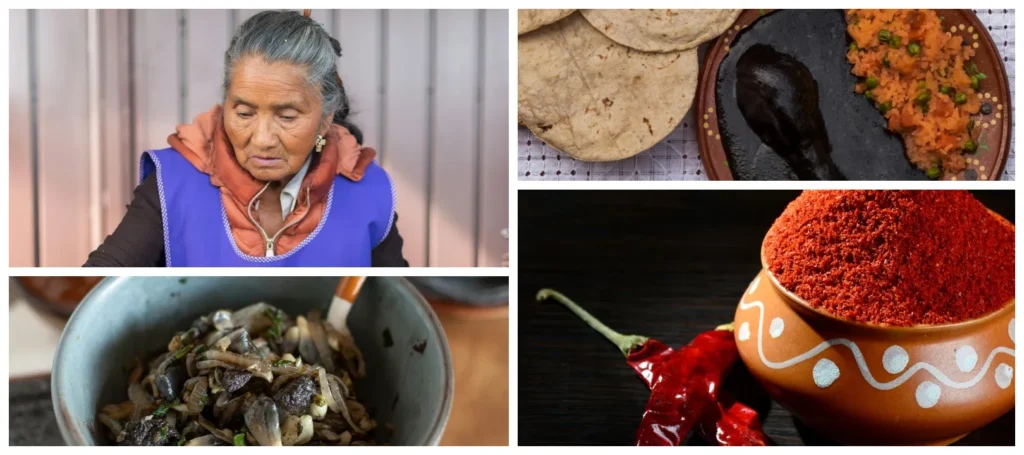
Look at a traditional Mexican dish, and you’ll often see it painted with two powerful colors: a deep, earthy black and a vibrant, fiery red. This isn’t just a coincidence of the pantry. It’s a visual language.

The red comes from dried chiles—guajillo, ancho, árbol—slowly toasted to release warmth, smoke, and a complex depth that forms the backbone of legendary salsas and moles. The black appears in the form of creamy, slow-simmered black beans, or in the mysterious, ancient corn fungus known as huitlacoche. Together, they represent a fundamental principle of Mexican cuisine: a masterful balance of bold heat and comforting earthiness.

But to understand Mexican food is to understand that these ingredients are more than just flavor. They are symbols. The red chile represents the fire of life and the sun, while the black bean stands for sustenance, history, and the very soil of Mexico itself. Their union on a single plate is a delicious tribute to the country’s soul.

Let’s dive deep into the heart of this culinary tradition. First, we’ll explore the profound depth of red chiles, then uncover the nourishing power of black beans, and finally, discover the rich symbolism they create together.

Black and Red Colors in Mexican Food

Black and red are two of the most iconic and symbolic colors in Mexican cuisine, each representing deep cultural roots and bold flavor traditions. Red often comes from dried chiles like guajillo, ancho, and chile de árbol, giving dishes warmth, spice, and vibrant color. These chiles appear in salsas, adobos, and classic moles. Black appears in ingredients such as black beans, huitlacoche, charred tortillas, and the richly complex mole negro.

Together, red and black highlight Mexico’s balance of heat, earthiness, and ancestral cooking methods, creating dishes that are visually striking and deeply flavorful.
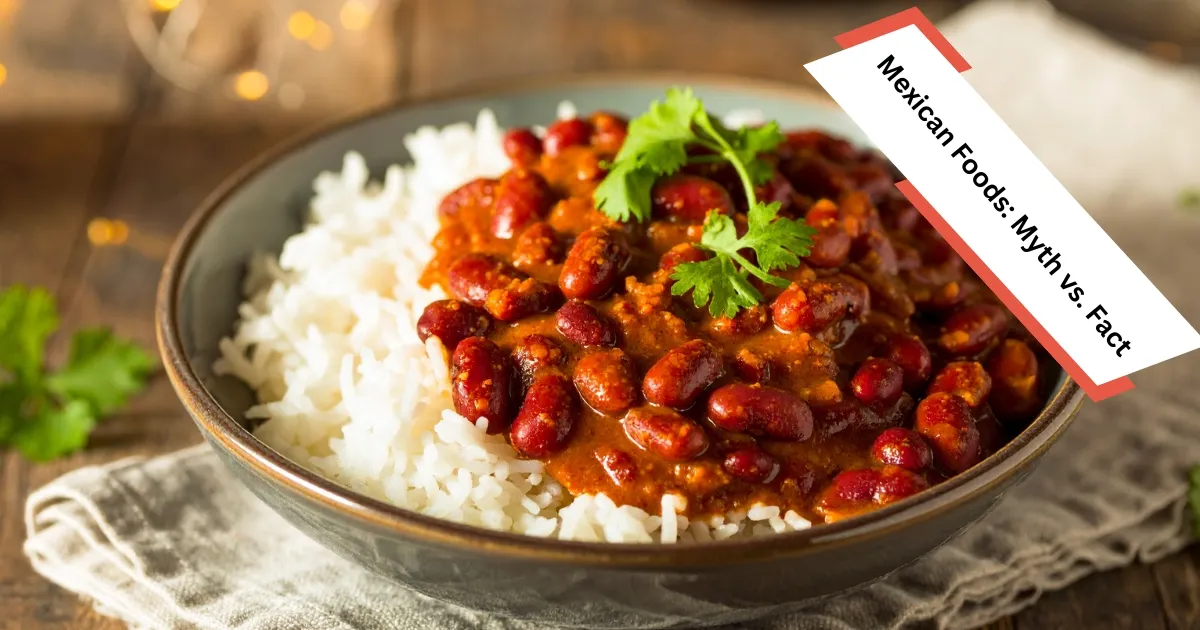
🌮 Myth vs. Fact real Mexican cuisine

🇲🇽 uncover the truth behind the flavors
✅ Fact: A Fusion of Ancient and New World Traditions
Mexican cuisine is a beautiful fusion of indigenous Mesoamerican cooking traditions and Spanish influences. It's a rich tapestry of ingredients—including corn, beans, tomatoes, avocados, chili peppers, and various meats—that have been combined for centuries. It's far more diverse than just the popular dishes.
✅ Fact: A Landscape of Diverse Regional Delights
While tacos and enchiladas are internationally famous, the cuisine varies dramatically across Mexico. Each region boasts unique dishes and cooking techniques, creating a colorful tapestry of flavors. The coastal areas, for instance, specialize in seafood, while the interior is known for rich moles and hearty stews.
✅ Fact: Bold & Spicy, But with Milder Options
Mexican food is often characterized by bold, complex flavors, and chili peppers like jalapeños and habaneros are commonly used to add heat. However, it's a common misconception that everything is spicy. Many dishes focus on savory, smoky, or tangy profiles, and plenty of milder options are available for every palate.
✅ Fact: Corn: The Ancient Staple Ingredient
Corn is not just an ingredient; it's the historical and nutritional cornerstone of Mexican cuisine. Used for thousands of years, it appears in countless forms, from the tortilla and tamale to beloved dishes like pozole (a hearty hominy stew) and elote (grilled Mexican street corn). Corn symbolizes sustenance and heritage itself.
✅ Fact: A Vibrant and Beloved Street Food Culture
Mexican street food is a cherished part of the culinary scene, offering an enticing array of delicious, affordable options. From tacos al pastor carved from a vertical spit to elote smothered in crema and cheese, the streets of Mexico are a paradise for food lovers, offering an authentic and immediate experience.
✅ Fact: Sweet Indulgences with Unique Flavors
Mexican cuisine offers far more than savory delights for those with a sweet tooth. Delectable desserts like cinnamon-sugar-dusted churros, creamy caramel flan, and the impossibly moist tres leches cake showcase a delightful balance of flavors and textures that are uniquely Mexican.
⚡ click any myth to reveal the real fact · made for FoodAtWorld

Famous Mexican Food and Dessert Dishes:

Elote (Mexican Street Corn): A beloved street food, elote is grilled corn on the cob smothered in a creamy mixture of mayo, cotija cheese, chili powder, and lime juice. It’s a delightful combination of savory, creamy, and tangy flavors.
 

Quesadilla: Quesadilla is a simple Mexican snack made with flour or corn tortilla filled with cheese that melts well. It can also include other ingredients like meats, beans, or potatoes. Quesadillas are usually folded in half and can be served with salsa, guacamole, and toppings like diced tomatoes, onions, lettuce, or hot chiles.

Gorditas: Gorditas are thick tortillas made from masa corn flour. They are stuffed with various ingredients such as meat, cheese, beans, nopal cactus, salsa, or guacamole. Due to their thickness, Gorditas can withstand thick stews. Their name, “little fat one,” in Spanish, refers to their thickness.

Carne Asada Tacos: These tacos feature tender, marinated grilled beef, typically served with onions, cilantro, and a squeeze of lime. The meat’s smoky flavor and the fresh garnishes make them a beloved choice.

Al Pastor Tacos: Inspired by Lebanese shawarma, al pastor tacos feature thinly sliced marinated pork cooked on a vertical spit. They’re often served with pineapple, onions, and cilantro, creating a perfect sweet and savory balance.

Waffle Taco: A waffle taco combines a freshly cooked waffle’s crisp, sweet texture with the traditional taco fillings (taco breakfast menu).

To create one, use a waffle as the taco shell, then fill it with your breakfast ingredients. For a savory option, try scrambled eggs, bacon, and cheese. Try yogurt, fresh fruit, and a drizzle of honey or maple syrup for a sweet option. This innovative breakfast dish offers a fun twist on classic flavors, perfect for a weekend brunch or a special morning treat.

Common Ingredients Used In Mexican Foods and Street Snacks 

Mexican Food and Desserts showcase a wide range of flavors and ingredients. Here are some common ingredients used in Mexican street food snacks:

Corn: A staple ingredient in Mexican cuisine, it plays a prominent role in street food. It is used to make tortillas for tacos, tamales, and quesadillas. Grilled corn on the cob (elote) and corn-based snacks, such as tamales and corn fritters (gorditas), are also popular.

Chili Peppers: Various chili peppers add heat and flavor to Mexican street food. Common varieties include jalapeños, serranos, and habaneros. They can be used fresh, pickled, or in salsa and hot sauces.

Meat: Mexican street food features beef, pork, chicken, and seafood. Grilled and marinated meats are commonly used in tacos, quesadillas, and burritos. Tacos al Pastor, which typically use marinated pork cooked on a vertical spit, are particularly popular.

Cheese: Cheese is a versatile ingredient in Mexican street food. Queso fresco (fresh cheese), queso de bola (hard cheese), melted cheese fill quesadillas, garnish tacos, and top dishes like elote and Tostadas.

Lime: It adds a tangy, refreshing flavor to many Mexican street food snacks. It is commonly squeezed over tacos, elote, and beverages like aguas frescas.

Cilantro: With its vibrant, herbaceous flavor, cilantro is a popular herb in Mexican street food. It is sprinkled over tacos, added to salsas, and used as a garnish in various dishes.

Avocado: Avocados, particularly in guacamole, are a beloved ingredient in Mexican street food. It is used as a topping for tacos and tostadas and as a dipping sauce.

Salsas and Sauces: Mexican street food is known for its variety of salsas and sauces. These can range from mild to fiery hot and are made with ingredients like tomatoes, onions, chili peppers, garlic, and various herbs and spices.

Cinnamon and Sugar: Cinnamon and sugar are often combined to create a sweet, aromatic coating for churros, a popular Mexican street-food dessert.

Beans: Beans are a standard ingredient in many Mexican street food snacks, especially refried beans. They are often used in tacos, burritos, and quesadillas.

These are just a few examples of the many ingredients used in Mexican street food snacks. The combinations and flavors can vary regionally and from dish to dish, making Mexican street food a diverse and exciting culinary experience.

UNESCO Recognition – Mexican Food and Desserts

The cultural significance of Mexican cuisine is acknowledged worldwide. UNESCO has honored it as an Intangible Cultural Heritage of Humanity, emphasizing its role in preserving traditions and fostering community identity.

Embrace the rich tapestry of Mexican cuisine, savor its vibrant flavors, and embark on a culinary journey that celebrates cultural diversity and culinary excellence. Whether you prefer fiery spices or milder flavors, Mexican cuisine promises a delightful experience for all food enthusiasts.

🌮 Summary: A Taste of Mexico’s Soul

From the sizzling grills of a bustling street market to the innovative windows of a modern food truck, Mexican cuisine tells its story through two essential colors. It is the vibrant, fiery red of dried chiles—guajillo, ancho, árbol—toasted to perfection and blended into the rich adobos that coat al pastor pork or the smoky salsas drizzled over street tacos. This is the flavor of tradition and warmth.

Balancing this fire is the deep, nourishing soul of the country: the deep, earthy black of creamy, slow-simmered black beans. A foundation of countless meals, these beans represent sustenance and heritage, often served as a comforting side or tucked into a hearty burrito from a local food truck.

Together, they define the experience. Whether you’re grabbing elote from a street vendor or enjoying carne asada fries from a chic food truck, the dance between the bold red chile and the humble black bean is the very essence of authentic Mexican food—a vibrant, delicious, and cultural journey in every bite.