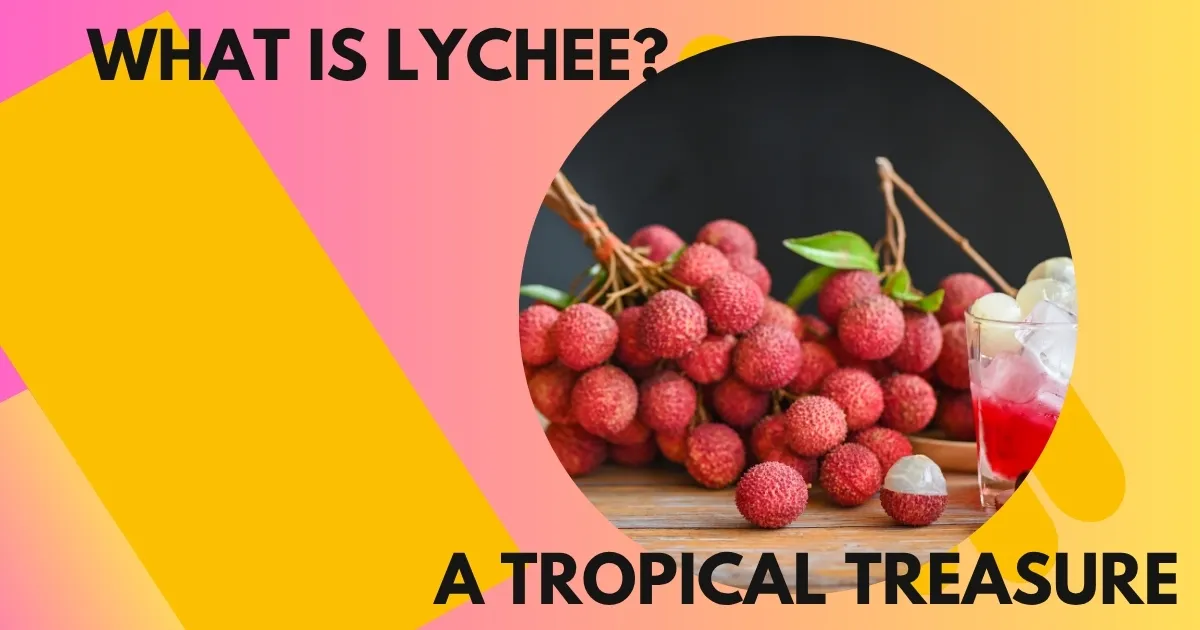
The lychee, often called litchi fruit, is one of nature’s sweetest ways to nourish your body and skin. Packed with antioxidants, vitamin C, and essential minerals, this tropical gem is more than a refreshing treat—it’s a powerhouse of wellness.
With its rough pink shell and translucent, jewel-like flesh, lychee has been treasured in Asia for over 2,000 years. But its beauty isn’t just skin-deep.
Regular consumption of lychee fruit supports hydration, boosts immunity, and promotes healthy, radiant skin. Its rich antioxidant content helps fight free radicals, slowing down skin aging and keeping your complexion vibrant. For those seeking fruit good for the skin, lychee is a top contender.
Beyond its beauty benefits, the lychee aids digestion and supports heart health thanks to its high potassium levels. Combined with fruit & nuts, such as almonds or walnuts, lychee offers the perfect balance of sweetness, nutrition, and texture for snacks and desserts.
Because it’s a fruit that is fresher in water content, lychee helps prevent dehydration during hot days and intense workouts. Whether enjoyed fresh, juiced, or added to salads, this delicious tropical fruit naturally enhances your diet.
Add lychee (litchi) to your wellness routine, and you’ll soon see why this nut fruit is cherished in cultures worldwide—for both its taste and its glowing health benefits.
What Is Lychee? A Tropical Treasure
The lychee fruit, also known as litchi, is a tropical superfruit celebrated for its refreshing sweetness and incredible nutritional value. Packed with vitamin C, antioxidants, and potassium, fresh lychee helps strengthen your immune system, support heart health, and promote glowing skin. Its high water content makes it the perfect fruit fresher for hydration during warm weather.
Adding lychee to your daily diet not only satisfies your sweet tooth but also boosts digestion and metabolism. This exotic fruit contains polyphenols and flavonoids that combat free radicals, reducing oxidative stress. Whether eaten as a snack, blended into smoothies, or paired with fruit & nuts, lychee provides a burst of energy and tropical flavor.
Include lychee fruit in your wellness routine for a delicious, natural way to enhance vitality, support healthy skin, and enjoy a nutrient-packed treat straight from nature’s orchard.
Nutritional Powerhouse
Approx. 10 lychees | 100g serving
| Nutrient | Amount | DV (%) |
|---|---|---|
| Calories | 66 | 3% |
| Fat | 0.44g | 1% |
| Protein | 0.83g | 2% |
| Carbohydrates | 16.5g | 6% |
| Fiber | 1.3g | 5% |
| Vitamin C | 71.5mg | 80% |
| Potassium | 171mg | 4% |
| Copper | 0.281mg | 31% |
The lychee is a nutritional standout, offering a massive 80% of your Daily Value for Vitamin C in just a small serving, which is essential for collagen production and immune health. It is also an excellent source of Copper (31% DV), which supports heart and brain function, alongside a healthy dose of Potassium to aid muscle regulation.
💧 Hydration Tip: Composed of roughly 82% water, lychees are an incredibly hydrating snack, perfect for refreshing the body on a warm day.
Health Benefits of Lychee
Distinguishing proven nutritional impact from emerging research.
Immune System Support
Driven by an exceptional Vitamin C content (80% DV), lychees directly support white blood cell function and pathogyn defense.
Skin Vitality & Anti-Aging
The synergy of high hydration and Vitamin C facilitates collagen synthesis, while natural antioxidants protect skin cells from UV-induced oxidative stress.
Antioxidant Protection
Lychees contain unique polyphenols and Oligonol, a proprietary compound proven to fight systemic oxidative stress and improve circulation.
Cardiovascular Support
While their Potassium content supports healthy blood pressure levels, direct human clinical trials on lychees and heart disease remain limited.
Cognitive & Brain Health
Early lab studies suggest antioxidants may protect neural pathways, but no direct human studies currently confirm these neuroprotective effects.
Digestive Maintenance
With 1.3g of fiber per 100g, lychees contribute to gut health, but they are not considered a standout source compared to legumes or grains.
Transparency Note: We prioritize human clinical data. Benefits listed under "Promising" should be viewed as supplementary to a balanced diet rather than a primary treatment.
Consumption Guidelines
Lychee is a nutritious superfood, but certain precautions are essential for your well-being.
Critical: Never Eat Unripe Lychee
Unripe lychees contain Hypoglycin A and MCPG. these compounds can cause a dangerous drop in blood sugar (severe hypoglycemia). This has been linked to serious illness, particularly in children or those who are malnourished.
Allergy Awareness
While rare, lychee allergies do exist. Cross-reactivity is more common in individuals with latex or specific fruit allergies (like birch pollen). Start with a small amount if trying for the first time.
Practice Moderation
Though natural, the sugars in lychee add up quickly. To maintain a balanced glucose response, stick to the recommended serving size.
🍍 tropical fruit showdown 🌴
lychee · mango · papaya · dragon fruit — geography, nutrition & risks compared
lychee
mango
papaya
dragon fruit
📊 quick comparison · at a glance
| fruit | origin region | vitamin C (per 100g) | main risk | water content |
|---|---|---|---|---|
| 🥭 mango | South Asia | 36.4 mg | urushiol in skin, high sugar | 83% |
| 🧡 lychee | Southern China | 71.5 mg (highest) | unripe = hypoglycin toxicity | 82% |
| 🧡 papaya | Central America | 60.9 mg | unripe = latex risk, avoid in pregnancy | 88% |
| 🐉 dragon fruit | Central America | 9 mg | very low (harmless pink urine) | 87% |
Conclusion
Lychee fruit is a delicious, nutrient-dense treat—enjoy it fresh, in moderation, and only when ripe. Its vitamin C and antioxidant content make it a lovely addition to a varied diet, but it’s not a magic bullet.