There is a language that needs no words—a dialect spoken in steaming bowls, on sizzling platters, and within the golden crust of a hand-held pastry. It is the language of comfort food, a universal craving that transcends borders yet finds its most passionate expression in the kitchens of the Latin world.
What is comfort food, really? It is more than a meal; it is a memory made edible. It is the scent of garlic and olive oil that pulls you back to a grandmother’s kitchen. It is the broth that heals a broken heart. It is the crispy, salty bite that punctuates a late-night conversation with friends. In the countries that trace their roots to Latin soil—from the sun-drenched plazas of Spain to the misty hills of Portugal, and across the boot of Italy—this connection between food and feeling is not accidental. It is the very foundation of their cultures.
These are lands where history is simmered in a pot. The Phoenicians, the Romans, the Moors—every empire that passed through left a spice, a technique, a memory that still lingers on the tongue. The result is a tapestry of taste that is both wildly diverse and deeply connected. Whether it is the resourceful cucina povera of an Italian nonna, the Moorish-tinged stews of a Spanish abuela, or the Atlantic-salted cod cherished by a Portuguese avó, the goal is the same: to gather, to nourish, and to love.
This journey through the Latin world is an exploration of that profound link. We will travel from the hearths of the Iberian Peninsula to the pasta-filled tables of Italy, discovering that while ingredients change and languages differ, the soul of comfort food remains constant. It is a story of resilience, of celebration, and of the simple truth that a shared table is the surest path to the heart.
More Than a Meal: Exploring the Soulful Comfort Food of the Latin World

A symphony of regional comforts - Italy
As the saying goes, Italy is a country of "thousand cuisines." Its comfort food is intensely regional, dictated by landscape and history. From the butter and rice of the north to the olive oil and tomatoes of the south, each dish is a love letter to its campanile (home town).
Risotto alla Milanese: In Lombardy, comfort takes the form of golden, creamy risotto infused with saffron. This dish is a symbol of Milan's sophistication and history, often served with braised osso buco. The slow, meditative process of stirring the rice is a ritual in itself.
Polenta: Further north in the mountains, polenta — a humble cornmeal porridge — becomes a blank canvas for rich meat sauces or melted cheeses, embodying the warmth needed to face harsh winters.
Neapolitan Pizza (Pizza Napoletana): The global ambassador of Italian comfort, a UNESCO-recognized art form. Its magic lies in restraint — San Marzano tomatoes, fresh mozzarella, basil, olive oil — cooked 90 seconds in a wood-fired oven.
Frittata di pasta: A Neapolitan treasure born from cucina povera. A spaghetti omelet made from leftover pasta, eggs, and cheese. Necessity breeds culinary genius.
Roman quartet: Carbonara, Cacio e Pepe, Amatriciana, and Gricia. Made with few perfect ingredients (eggs, cheese, pepper, guanciale) — they epitomize Roman precision.
Tortellini in Brodo (Bologna): Tiny, hand-folded pasta parcels filled with meat, served in a rich, slow-cooked broth. A dish for holidays and when the soul needs a warm hug.
Italian Wedding Soup (Minestra Maritata): This classic dish perfectly encapsulates the Italian concept of comfort. The name refers to the "marriage" (maritata) of flavors between the rich broth, tender meatballs, and hearty greens like escarole. Rooted in Southern Italy, it is both nourishing and celebratory — a true hug in a bowl.
The Spanish Pot
Spanish comfort food is a story of cultural confluence—Roman, Moorish, and Jewish influences all simmering in the same pot. It is a cuisine built on resourcefulness, where humble ingredients like bread, garlic, and olive oil are transformed into dishes of profound flavor.
Cocido Madrileño: Perhaps the ultimate Spanish comfort food — a hearty chickpea-based stew packed with various meats, bacon, and vegetables. It is derived from adafina, a long-cooking dish prepared by Sephardic Jews to honor the Sabbath. After the Inquisition, conversos added non‑kosher products like pork to prove their faith, transforming the dish into the symbol of Madrid it is today.
Three vuelcos (three courses): Traditionally served as: first the broth with noodles, then the chickpeas and vegetables, and finally the meats.
Salmorejo: A thicker, creamier cousin of gazpacho, hailing from Córdoba. This emulsion of tomato, bread, garlic, and exceptional olive oil is a testament to the region's Roman past and the transformative arrival of the tomato from the Americas. It is a refreshing, hearty meal often garnished with ham and egg.
Migas (literally "crumbs"): Originally a shepherd's meal made from stale bread fried with garlic and olive oil. Now a winter favorite often enriched with chorizo, bacon, or grapes — the genius of making a feast from almost nothing.
More than any single dish, Spanish comfort food is found in the tapa — the small plate designed for sharing.
- Croquetas: creamy béchamel-filled bites.
- Gambas al ajillo: prawns sizzling in garlic and olive oil.
- Tortilla española: potato and onion omelet.
Tapas turn eating into a social ritual. It is not just about food; it is about gathering, lingering over a drink, and connecting with friends — the very definition of comfort in Spanish culture.
The sea on a plate, warmth of the hearth - Portugal
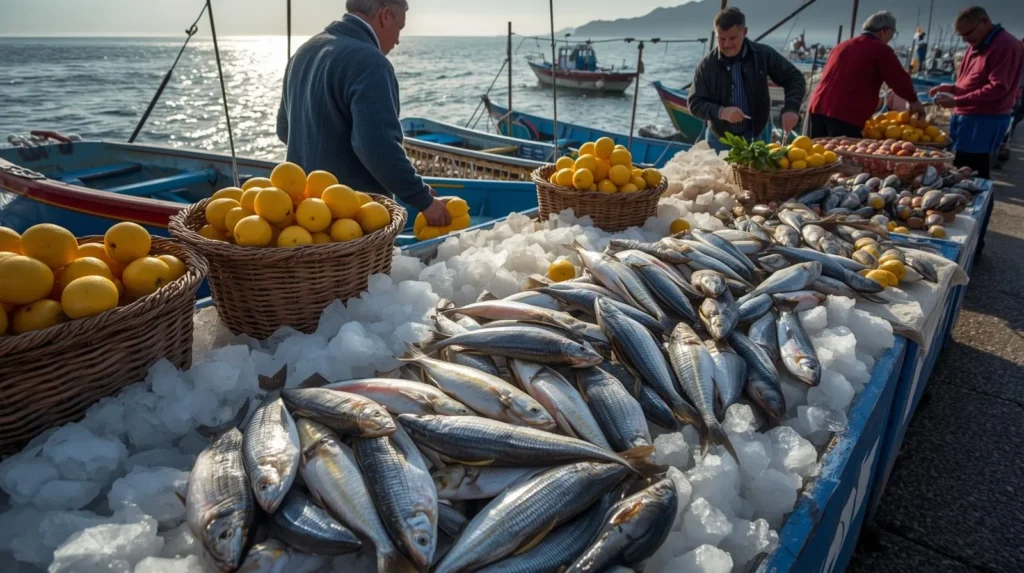
In Portugal, a nation shaped by the Atlantic and a global empire, comfort food is a profound expression of saudade — a deep, emotional longing for home and connection. The table is where hearts meet, and every dish tells a story of fishermen, explorers, and farmers.
Bacalhau (dried & salted cod): The undisputed king of Portuguese comfort — with (it is said) 1,000 recipes. It is more than food; it is a national institution.
- Bacalhau à Brás: shredded cod with onions, straw potatoes, and scrambled eggs.
- Bolinhos de bacalhau: simple, comforting codfish cakes.
It represents the comfort of continuity, a taste that connects modern Portugal to its seafaring past.
Caldo Verde ("green broth"): From the north — a simple yet iconic soup of shredded kale, potatoes, and olive oil, often served with a slice of grilled chorizo. A staple at celebrations and a warming embrace on a cold day.
Açorda Alentejana: Hailing from the golden plains of Alentejo. A brilliant example of açorda: a garlic-and-cilantro broth poured over stale bread and topped with a poached egg. Resourcefulness and flavor in perfect harmony.
Pastel de Nata: A creamy custard tart with a caramelized, flaky crust — a global phenomenon, but its soul remains in the monasteries of Lisbon. These egg-rich pastries were perfected by nuns using leftover egg yolks, turning devotion into edible relics.
Sharing a pastel de nata with a strong coffee (bica) is a daily ritual, a small, perfect moment of comfort.
Portuguese comfort food is about the setting as much as the dish. It is found in the tasca — a humble, neighborhood eatery where strangers become friends over petiscos (Portuguese tapas) and a carafe of wine.
The act of sharing, the unhurried pace, and the profound sense of hospitality — where refusing food is nearly impossible — is the true flavor of Portugal.
From Abuela's Kitchen: The Soulful Comfort Food of Latin America
Before the stew, before the rice, there is the sofrito. This isn't just a recipe; it is a ritual. A blend of onions, peppers, garlic, cilantro, and culantro softened slowly in oil, it is the non-negotiable starting point for countless Latin kitchens.
🧑🍳 the cultural link
It represents the "grandma's secret" passed down through generations. To watch an abuela make sofrito is to witness a culinary baptism, turning raw ingredients into the very essence of home.
In Colombia, the Arepa is democracy on a plate. Made from ground maize, it transcends social classes—eaten by laborers and executives alike. It is the blank canvas of the Colombian diet.
🎬 Encanto link
In Disney’s Encanto, Julieta heals her family with arepas con queso. This captures a profound truth: in Colombia, food is emotional nourishment, a mother's love made edible.
- 🌊 Ceviche (the coast)Raw fish "cooked" in citrus, tossed with ají limo. Leche de tigre is said to cure hangovers and heartache.
- ⛰️ Ají de Gallina (mountains)Shredded chicken in a creamy, nutty, spicy sauce. The culinary equivalent of a warm blanket.
- 🥣 Caldo de Gallina (streets)Hearty hen soup served in markets like San Pedro in Cusco — fuel for high‑altitude days.
- 🥢 Lomo Saltado (chifa fusion)Wok‑tossed beef with soy, tomatoes, fries & rice. Chinese‑Peruvian harmony.
🇵🇪 three worlds, one bite
Peruvian food tells the story of its landscape: the Pacific, the Andes, and the migrants who made it a fusion capital.
“Against the imagined chill of the highlands” — Ají de Gallina warms you twice.
Argentina & Uruguay – The Asado The Parrilla is a social contract. Hours around the fire, wine, and cuts like matambre (literally “hunger killer”).
Chile – Simple pleasures
🐂 gaucho soul
The asado is not a quick meal — it’s slow living at its finest. Matambre kills hunger indeed.
The Dish — A rich, slow‑cooked melange of black beans and pork (from tenderloin to ears and tails), born from Portuguese colonial and African traditions. Served with rice, collard greens, farofa, and orange slices.
🎶 the ritual
Eaten on Saturdays, slowly, with friends, family, samba, and a cold beer. It’s a pause button on the week — a weekly celebration of community.
🥟 The Empanada — The ultimate hand‑held comfort.
🇦🇷 Argentina: baked, beef+egg+olives · 🇨🇴 Colombia: fried, meat & potato · 🇻🇪 Venezuela: fried, shredded beef or black beans+cheese.
🍚 Rice and Beans — ubiquitous, often main event. In Puerto Rico & DR, a splash of coffee in the beans for depth.
🌽 Holy Trinity: Maize (arepas, hallacas), potatoes (thousands of varieties in Peru), Ají (chili that wakes the soul).
✨ secret touch
“Coffee in beans” — the everyday turned extraordinary.
As our culinary journey draws to a close, we leave with more than just a list of dishes; we carry with us a deeper understanding of what it means to be human. From the slow-simmered cocido of Madrid to the creamy risotto of Milan, from the sacred bacalhau of Lisbon to the humble yet perfect tapa, we have seen that Latin kitchens operate on a universal truth: food is love made visible.
The stories told within these pages reveal that comfort food is never static. It evolves with history, adapts to geography, and bends to the memory of those who prepare it. Yet, in every country we visited, the core remained the same. It is found in the ritual of the asado, where hours melt away around a fire. It is present in the Saturday rhythm of a Brazilian feijoada, shared to the beat of samba. It lives in the marriage of flavors in an Italian wedding soup, a dish designed to nourish both body and spirit.
In a world that often moves too fast, these traditions invite us to pause. They remind us that the simplest ingredients—a handful of beans, a piece of bread, a splash of olive oil—can, when handled with care and shared with others, become a profound source of warmth and connection. This is the true magic of the Latin table.
So, as you step away from this post and into your own kitchen, remember that you carry this legacy with you. Whether you are folding an empanada, stirring a risotto, or simply toasting with a glass of wine among friends, you are participating in a ritual as old as civilization itself. Home is not just a place on a map; it is the flavor you carry forward, one plate, one bite, one shared moment at a time. And that, above all, is the ultimate comfort food.