
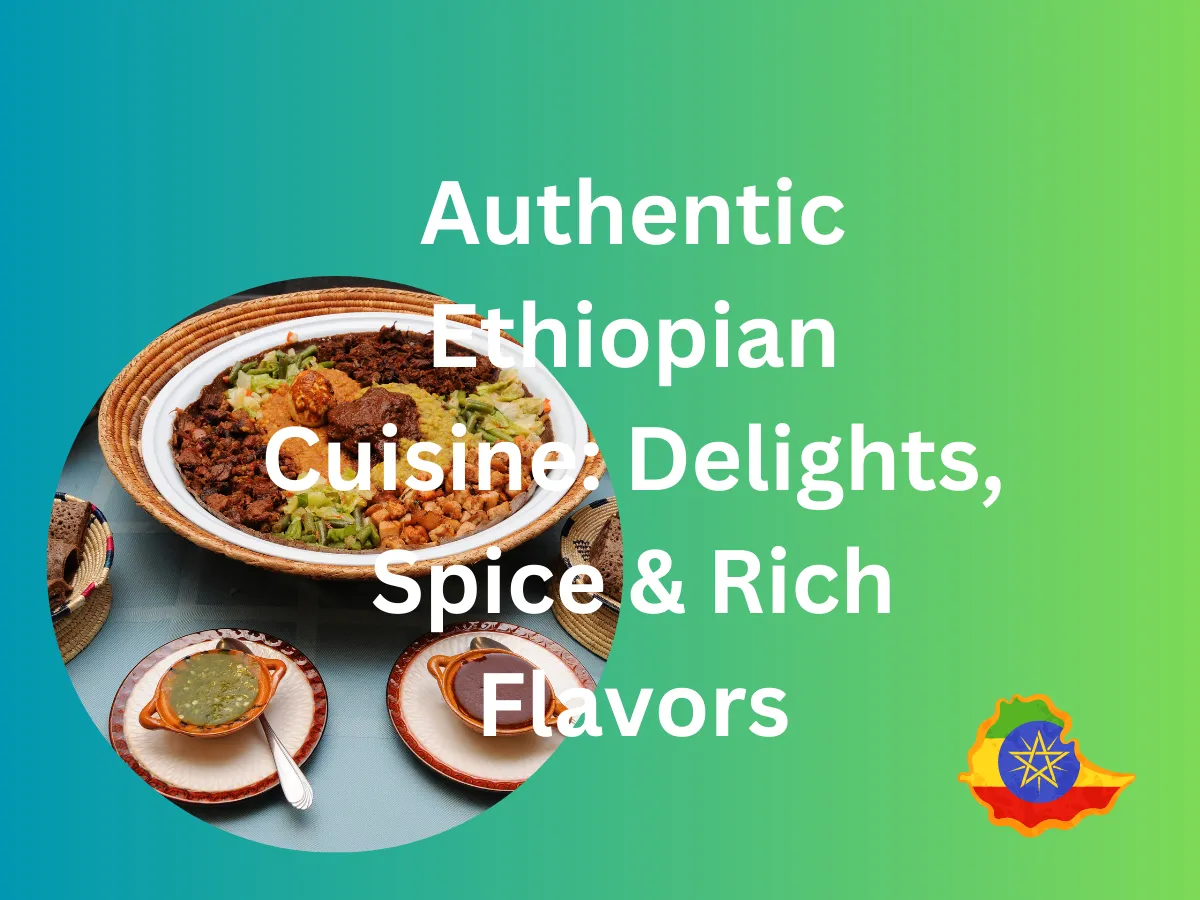
Foods in Ethiopia: Ethiopian cuisine is unlike any other, with its unique blend of spices and flavors that reflect the country’s rich cultural heritage (spices in Ethiopian food). Ethiopian cuisine is a must-try if you’re a food enthusiast looking to explore the world through your palate. In this article, we will delve into the authentic foods of Ethiopia, uncovering the secrets behind their preparation and discovering the bold and aromatic ingredients that make them so unique.
Are you tired of mundane meals? Do you want to add some excitement and flavor to your palate? Explore the vibrant world of Ethiopian cuisine, which is set to ignite your taste buds. Ethiopian food is sure to spice up your life with its unique blend of spices and bold flavors.
Ethiopian cuisine is a hidden gem in the culinary world. It offers a unique and bold flavor profile that is sure to tantalize your taste buds.
With a rich history and cultural significance, Ethiopian food is more than just a meal – it is an experience that will transport you to the vibrant streets of Ethiopia.
Sharing is Caring: Ethiopian Food Culture
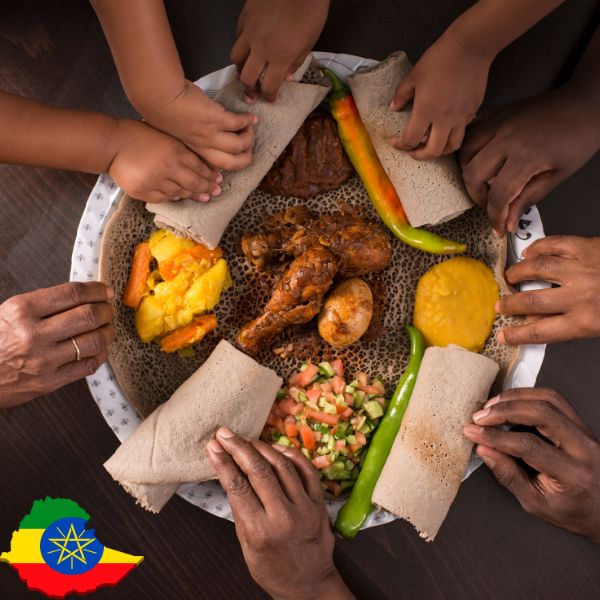
Ethiopian food is meant to be shared and enjoyed with loved ones. Traditionally, meals are served on a large communal platter, with everyone using injera to scoop up their desired dishes.
This communal dining experience fosters a sense of togetherness and creates an intimate connection with the food and the people you share it with.
- Coffee Ceremony: A Cultural Tradition
Ethiopia is known as the birthplace of coffee, and the coffee ceremony is a cherished cultural tradition. It involves roasting, grinding, and brewing coffee beans, followed by a ceremonial serving of the aromatic beverage. - The coffee ceremony symbolizes hospitality and friendship, allowing you to immerse yourself in Ethiopian culture. Coffee Ceremonies involve roasting coffee beans, grinding them, and brewing the coffee in a traditional clay pot called a jebena. The coffee is served in small cups and enjoyed with friends and family.
- Beyond the Plate: Exploring Ethiopian Culture
What is Ethiopian Cuisine? Ethiopian cuisine is deeply intertwined with the country’s rich history and cultural heritage. By indulging in Ethiopian food, you are not only experiencing a culinary adventure but also gaining insights into the traditions, customs, and values of the Ethiopian people. - It is a journey that goes beyond the plate. Unveiling the essence of Ethiopian food is a gateway to discovering a world of bold flavors, unique spices, and a vibrant culinary culture. From the staple injera to the fiery berbere spice blend, Ethiopian cuisine offers a truly unforgettable dining experience.
- So, venture into the world of Ethiopian food and let your taste buds explore the richness and diversity of this extraordinary cuisine.
Spice up your dining experience with Ethiopian Cuisine and Delights
The Heart of the Cuisine: Injera & Berbere
Spices in Ethiopian Food
- The Staple: Injera
- Injera is the heart and soul of Ethiopian cuisine. It is a sourdough flatbread made from fermented teff flour, giving it a slightly tangy flavor. Injera serves as a utensil and a base for various dishes, allowing you to scoop up flavorful stews and curries with your hands.
- Injera is typically made from fermented teff flour, which is gluten-free and rich in nutrients. Injera serves as both a utensil and a base for various dishes.
- Flavor Explosion: Berbere Spice Blend
Berbere is the quintessential spice blend in Ethiopian cooking. It is a fiery mix of red chili peppers, garlic, ginger, fenugreek, and aromatic spices.- The complex flavors of berbere add depth and heat to Ethiopian dishes, making them truly unforgettable. Each of these ingredients has its health advantages. For example, chili peppers are rich in capsaicin, known for its anti-inflammatory and antioxidant properties, and fenugreek may help control blood sugar levels.
- Berbere Spice Mix
- Berbere seasoning is a flavorful and aromatic spice blend commonly used in Ethiopian and Eritrean cuisine. It typically includes a variety of spices, such as red pepper, paprika, ginger, garlic, and fenugreek. The blend is known for its deep red color and bold, spicy flavor profile. It is often used to season meat dishes, stews, lentils, and vegetable dishes, adding complexity and heat. Combining spices in berbere seasoning creates a unique, vibrant flavor essential to traditional Ethiopian and Eritrean cooking.
Must-Try Dishes: Doro Wat, Vegetarian Platters, Kitfo
- Doro Wat: The National Dish
- Doro Wat is a must-try dish that represents the soul of Ethiopian cuisine. It is a spicy chicken stew simmered in a rich berbere sauce infused with onions, garlic, and ginger flavors. Served with injera, Doro Wat is a comforting and satisfying meal that will leave you craving more.
- Wats are hearty stews that are a central part of Ethiopian cuisine. They are often made with meat, such as doro wat (spicy chicken stew) and sega wat (spicy beef stew), or with vegetarian options like misir wat (red lentil stew) and shiro wat (chickpea stew).
- These stews are cooked with spices, including berbere (a fiery spice blend) and niter kibbeh (spiced clarified butter).
- Vegetarian Delights: Misir Wot and Shiro
Ethiopian cuisine caters to vegetarians with dishes like Misir Wot and Shiro. Misir Wot is a lentil stew cooked with berbere, onions, and garlic, while Shiro is a flavorful chickpea flour stew.- These vegetarian options showcase the versatility of Ethiopian cuisine and its ability to create delicious plant-based dishes. Alongside lentil stews like misir wat, you can find dishes like gomen (collard greens), atakilt wat (cabbage, carrots, and potatoes), and fasolia (green beans and carrots).
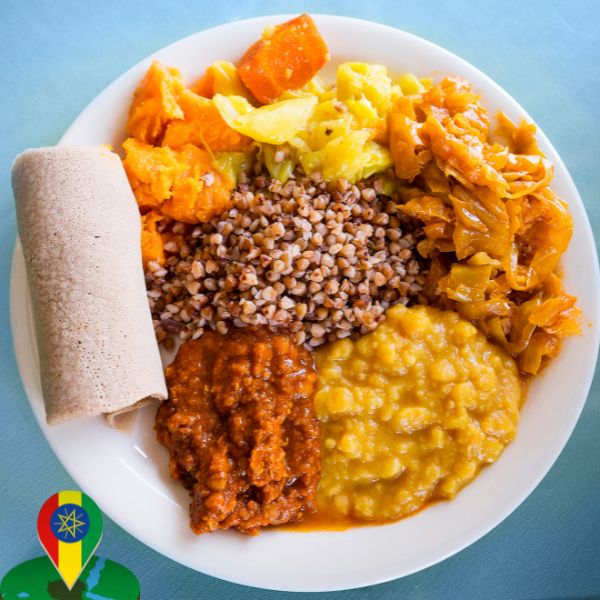
Ethiopian cuisine is a paradise for those with dietary restrictions. With its foundation of plant-based stews and teff-based injera, many traditional dishes are naturally vegetarian, vegan, and gluten-free.
🌱 Best Vegetarian & Vegan Dishes
- Misir Wat – Spicy red lentil stew. Protein-rich and deeply flavorful.
- Shiro Wat – Ground chickpea or lentil stew. Creamy, comforting, and often milder.
- Gomen – Collard greens sautéed with garlic, ginger, and turmeric.
- Atakilt Wat – Cabbage, carrots, and potatoes simmered with turmeric.
- Fasolia – Green beans and carrots in a mild tomato-based sauce.
- Dinich Wat – Potatoes and carrots in a flavorful berbere sauce.
- Yetsom Beyaynetu – A sampler platter featuring 8-10 different vegan dishes, perfect for first-timers.
🚫 Gluten-Free Guide
Teff, the grain used to make injera, is naturally gluten-free. However, some restaurants may add wheat flour to injera for cost reasons. Always ask: "Is your injera 100% teff?"
- Naturally Gluten-Free Dishes: Most wats (stews) are gluten-free if no wheat thickener is added. Shiro, Misir Wat, Gomen, and Atakilt Wat are typically safe.
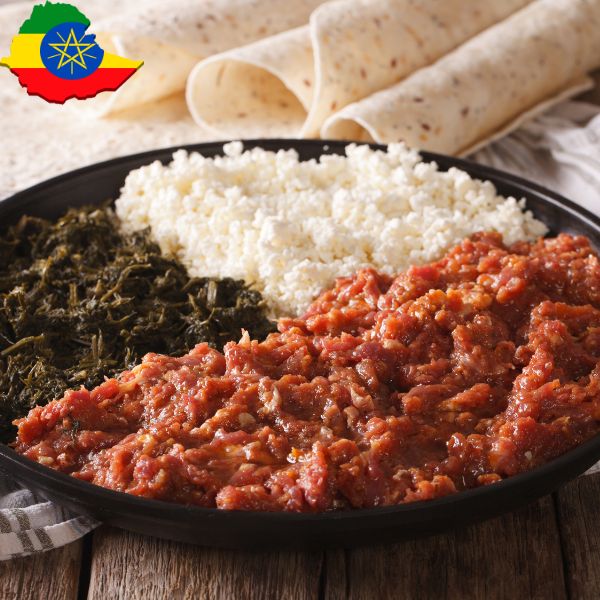
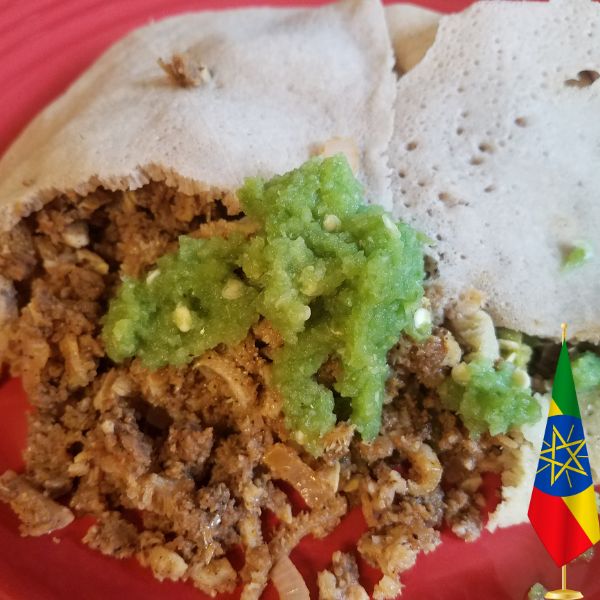
- Kitfo – Spiced raw or rare beef. Usually gluten-free but confirm the spice blend.
- Tibs – Sautéed meat or vegetables. Ask if any soy sauce or wheat is used.
- Tej (Honey Wine) – Naturally gluten-free and vegan.
- What to Avoid: Tella (traditional beer) contains barley/millet. Some restaurants may use wheat in certain spice blends—always ask.
🗣️ Helpful Phrases to Use at Ethiopian Restaurants
- For gluten-free: “Injera 100% teff? Yes, please.” / “No wheat in the stews?”
- For vegan: “Yetsom beyaynetu, please.” (Vegan sampler) / “Without butter?” (Some dishes use niter kibbeh, a spiced clarified butter)
- For vegan AND gluten-free: Most Yetsom Beyaynetu platters are both — just confirm the injera is pure teff.
💡 Pro Tip: Ethiopian cuisine is one of the most naturally accommodating cuisines for plant-based and gluten-free diets. Many restaurants have separate vegan menus or clearly mark dietary options. Don’t hesitate to ask — Ethiopian hospitality is legendary!
🌶️ Spices in Ethiopian Food
Toast & Grind
Enhance the flavor of cumin, coriander, and cardamom by toasting them in a dry pan over low heat until fragrant. Then grind using a mortar and pestle or spice grinder to release essential oils.
Balance Heat
Berbere and Mitmita add signature heat to Ethiopian dishes. Start with small amounts and adjust according to your spice tolerance. Taste as you go and gradually add more if desired.
Berbere in Stews
Sauté berbere in oil or niter kibbeh (spiced clarified butter) at the beginning of cooking to release its flavors. This creates a rich, aromatic base for dishes like Doro Wat and Misir Wat.
Nigella Seeds
Also known as black cumin, these seeds add a nutty, slightly bitter flavor. Use them as a finishing touch — sprinkle over salads, lentils, and stews just before serving.
Turmeric
Adds a vibrant yellow color and warm, earthy flavor. Add a pinch to lentils, rice, or vegetable dishes to enhance visual appeal and taste.
Cinnamon & Cardamom
Infuse in hot water to create a fragrant tea that complements Ethiopian meals. Also perfect in desserts or sprinkled over yogurt for added depth.
Garlic & Ginger
The dynamic duo of Ethiopian cooking. Grate or finely chop and sauté in oil or butter before adding other ingredients to develop deep, aromatic flavor.
Experiment Freely
Finding the right balance is a personal journey. Start with small amounts, taste as you go, and adjust to your preference. Ethiopian cuisine welcomes your creativity.