


Whether you prefer your empanadas with meat, cheese, or vegetables, there is something for everyone in the world of Argentine empanadas. Try them all and discover your favorite flavor!

What are Argentine Empanadas? Argentine empanadas are savory, baked or fried pastries stuffed with a variety of fillings, considered a cornerstone of the country’s culinary identity. These portable hand pies are defined by their juicy, seasoned fillings—ranging from traditional ground beef to ham and cheese or spinach—and their distinctive crimped edge, or repulgue. More than just a snack, they are a cultural symbol enjoyed everywhere from family gatherings to street-side cafés.

So next time you’re in Argentina, be sure to indulge in the country’s beloved empanadas. With so many flavors to choose from, you’re sure to find one (or several) that you’ll love.

A Guide to Classic Argentine Empanadas Fillings

Filling Name Key Ingredients Flavor Profile
Beef Empanadas Finely chopped or ground beef, onions, hard-boiled eggs, green onions, spices Savory, juicy, and quintessentially Argentine
Ham and Cheese Empanadas Chopped ham, generous amount of grated cheese Creamy, indulgent, comforting, with a delightful taste and texture contrast
Chicken Empanadas Tender chicken, onions, bell peppers, spices Flavorful, succulent, lighter yet satisfying
Spinach and Cheese Empanadas Nutritious spinach, onions, creamy cheese Satisfyingly rich, balanced, and delicious
Humita Empanadas Sweet corn, onions, spices Slightly sweet, unique, and traditional
Cheese and Onion Empanadas Harmonious blend of melted cheese and sautéed onions Simple, irresistible, and classically sophisticated

The Perfect Pair: Matching Argentine Wines with Empanadas

Malbec: Argentina’s Iconic Red

  • Pairs well with Beef and spicy empanadas
  • Flavor profile: Bold, fruity, and robust, with hints of plum and blackberry

Torrontés: Aromatic and Refreshing White

  • Pairs well with Chicken and vegetarian empanadas
  • Flavor profile: Crisp, floral, and citrusy, with notes of peach and lemon

Treat yourself to an authentic taste of Argentina by combining the irresistible flavors of empanadas with the country’s finest wines. This delightful culinary duo will captivate your taste buds and provide an unforgettable gastronomic experience.

Wine-tasting experiences in Argentina

Wine tasting experiences in Argentina are truly exceptional, offering a blend of rich flavors, stunning landscapes, and a deep cultural appreciation for winemaking. Argentina, renowned for its wines, particularly Malbec, offers a variety of wine-tasting experiences that cater to both connoisseurs and casual enthusiasts alike. Here’s an overview of what one can expect from such experiences:

1. Mendoza: The Heart of Argentine Wine Country

  • Region Overview: Mendoza is the most famous wine region in Argentina, known worldwide for its superb Malbec wines. Nestled at the foothills of the Andes Mountains, the region offers breathtaking views and an ideal climate for vineyards.
  • Wine Tasting Tours: Visitors can embark on guided tours through numerous vineyards and wineries, ranging from small, family-run estates to large, internationally recognized brands. These tours often include tastings of various wines, including the flagship Malbec, as well as Cabernet Sauvignon, Chardonnay, and Torrontés.
  • Experiential Activities: Beyond tastings, many wineries offer experiences like vineyard picnics, blending workshops, and even horseback riding through the vines.

2. Salta and the Calchaquí Valley

  • Region Overview: Known for its high-altitude vineyards, Salta offers a unique terroir that produces distinctively intense and aromatic wines, particularly Torrontés, a white wine that has become synonymous with the region.
  • Wine Tasting Journeys: The wineries here are known for their intimate, boutique-style tastings. Visitors can enjoy the dramatic mountainous landscapes while savoring complex wines.
  • Cultural Integration: Wine tours in Salta often incorporate local culture, including traditional music and food pairings that highlight regional cuisine.

3. Patagonia: The Emerging Wine Frontier

  • Region Overview: Patagonia, in the southern part of Argentina, is emerging as a promising wine-producing area, especially for Pinot Noir and Merlot.
  • Unique Tasting Experiences: The cooler climate of Patagonia offers a different wine profile. Wine enthusiasts can explore this burgeoning region and experience its unique terroir.
  • Scenic Beauty: The region’s stunning natural beauty, with its rivers, lakes, and mountains, adds an unparalleled backdrop to the wine-tasting experience.

4. Wine Festivals and Harvest Celebrations

  • Annual Events: Argentina hosts various wine festivals, particularly during the harvest season. These festivals are vibrant celebrations of Argentine wine culture, featuring tastings, traditional foods, music, and dancing.

Wine tasting in Argentina is more than just sampling exquisite wines; it’s an immersive experience that engages the senses, educates the mind, and provides insight into the rich cultural fabric of the country. The combination of diverse regions, each with its unique characteristics, ensures that wine enthusiasts can find something new and exciting with each visit.

Locro: Argentina’s Hearty Stew of Heritage and History

Locro is a hearty, ancient stew originating from the Andes mountains. It is a staple in several countries traversed by the Andes, including Argentina, Chile, Bolivia, Peru, and Ecuador. However, it is especially renowned in Argentina, where it holds the status of a national dish, deeply woven into the country’s cultural fabric.

The basic recipe is quite adaptable but typically includes a combination of dried large corn kernels (hominy) and various meats such as beef, chorizo, and ham, along with vegetables like onion, pumpkin, and potato. Occasionally, fresh corn kernels are added when available. The preparation involves simmering these ingredients in water for several hours, allowing the squash and potatoes to soften and create a thick, comforting consistency that melds the flavors into a rustic, cozy masterpiece. The use of indigenous ingredients—corn, squash, and potatoes—points to locro’s pre-Hispanic origins, with roots in the Inca Empire, where a similar stew was called “guru” in Quechua.

locro, empanadas

A Dish of Patriotism and Unity

In Argentina, locro transcends its role as mere sustenance to become a powerful symbol of national identity and unity. It is particularly associated with May 25th, the anniversary of the May Revolution (Revolución de Mayo) of 1810, which marks the first step toward independence from Spanish rule. On this national holiday, Argentines from all walks of life gather to enjoy a bowl of locro.

Sharing locro on the Day of the Patriotic acts as a culinary bridge to the past. It connects modern Argentines with the criollos (people of Spanish descent born in the colonies) and indigenous peoples of the 19th century, who would have prepared this same humble, filling stew. Eating locro on this day is an act of patriotic remembrance, a flavorful way to honor the nation’s founders and the struggles for independence. Families, friends, and even neighborhoods and schools organize communal locro meals, reinforcing social bonds and collective memory.

The Comfort of Winter and Tradition

The timing of the May 25th holiday also coincides with the onset of winter in the Southern Hemisphere. Locro, with its dense, nutrient-rich profile of proteins, carbohydrates, and vegetables, is the perfect remedy for the cold weather. It is more than just food; it is a source of warmth and comfort, traditionally believed to help ward off winter illnesses.

Beyond the patriotic holiday, locro represents the essence of Argentine cocina criolla (creole cuisine)—the rustic, hearty cooking of the countryside and the gauchos (Argentine cowboys). It is a dish of community and sharing, often cooked in large pots over an open fire for gatherings, festivals, and family celebrations throughout the colder months. To serve locro is to offer hospitality and a taste of Argentina’s enduring culinary soul.
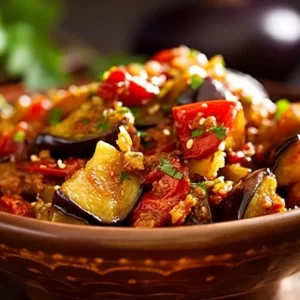
Traditional Moroccan Cuisine

Traditional Moroccan Cuisine

From aromatic tagines to flavorful couscous, explore the rich culinary heritage of this vibrant country.

Traditional Moroccan Cuisine

Why Falafel Is Significant On Your Diet

Falafel isn’t just a tasty treat; it’s a nutritional powerhouse! Packed with protein, fiber, and essential nutrients.
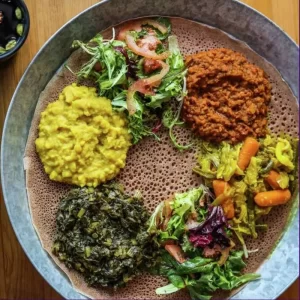
ethiopian-cuisine, ethiopian food

Ethiopia: Delights, Spice, Rich Flavors

A culinary adventure through Ethiopia: Delights, Spice, Rich Flavors! Discover the vibrant flavors and cultural treasures