If you’ve ever wondered how to cook healthy fish that’s tender, flavorful, and nutrient-packed — you’re not alone. Many home cooks struggle with overcooked fillets, bland flavor, or dry textures. The truth is, cooked healthy fish doesn’t have to be complicated. Whether you’re watching your diet, trying to eat more lean protein, or simply love seafood, knowing the right techniques can make all the difference.
Master the Art of Cooked Healthy Fish — Without the Guesswork
In this beginner’s guide, you’ll learn how to cook healthy fish with simple tips anyone can follow. We’ll show you how to lock in flavor, keep those omega-3s intact, and avoid the most common mistakes — so your next fish dish is as healthy as it is delicious.
Let’s dive in and discover the secrets behind perfectly cooked healthy fish that supports your wellness goals.
Nutritional Benefits of Consuming Fish (Healthy Fish)
Fish is a fantastic source of nutrition. It’s rich in omega-3 fatty acids, essential for heart health, brain function, and reducing inflammation. Fish is also packed with high-quality protein that helps build and repair tissues, making it a great addition to your diet.
Risks of Contaminated Fish
However, it’s essential to be aware that not all fish are created equal. Some fish can contain mercury or other pollutants, which can be harmful if consumed in large amounts. Mercury is a heavy metal that can affect the nervous system, particularly in young children and pregnant women.
Why Cooking Fish at Home is a Wellness Win
Cooking fish at home is a definitive wellness win. You gain complete control over ingredients, ensuring your meal is low in sodium and unhealthy fats. This empowers you to prioritize methods like baking or steaming, which retain vital omega-3 fatty acids crucial for heart and brain health. Learning how to cook healthy fish unlocks consistent, nutritious dinners. Compared to restaurants, homemade cooked healthy fish is often more affordable and fresher. Mastering how to cook healthy fish transforms it into a simple, reliable pillar of your clean-eating routine, making delicious cooked healthy fish a regular achievement for your well-being
🐟 Choosing Low-Mercury Fish for a Healthier You
When it comes to eating seafood, choosing low-mercury fish is one of the smartest moves you can make for your health. Mercury is a toxic heavy metal that can accumulate in the body over time, potentially leading to serious health issues—especially for pregnant women, young children, and those who consume fish frequently.
The good news? Not all fish are created equal when it comes to mercury content. Smaller species and those lower on the food chain tend to have significantly less mercury than larger, predatory fish. That means you can still enjoy the nutritional benefits of seafood—like omega-3 fatty acids, lean protein, and essential vitamins—without the added risk.
Some of the best low-mercury fish options include:
- Salmon – Rich in omega-3s and widely available.
- Sardines – Packed with calcium and heart-healthy fats.
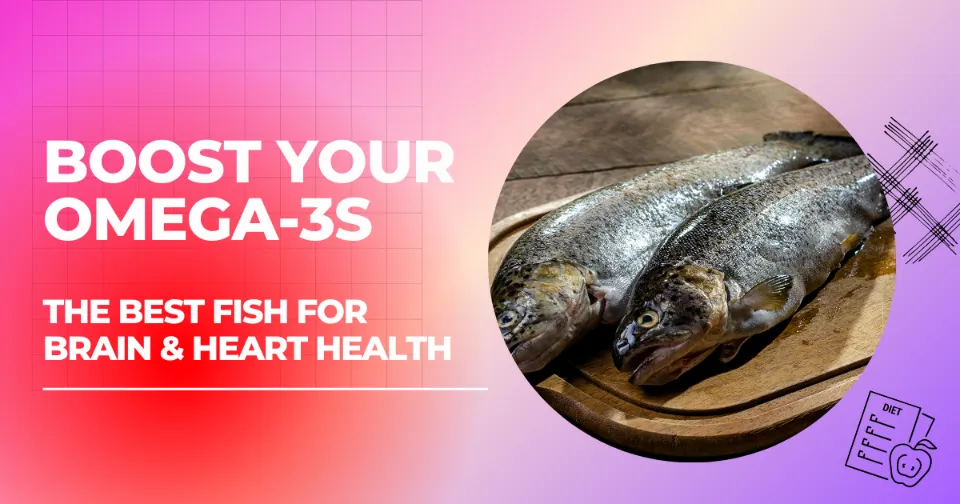
- Trout – Mild flavor and great for grilling or baking.
- Anchovies – Tiny but mighty in nutrients.
- Shrimp – Low in mercury and high in versatility.
- Tilapia – Affordable and easy to cook.
In contrast, fish such as tuna, swordfish, sharks, and king mackerel tend to have higher mercury levels due to their size and lifespan. These should be consumed sparingly, if at all.
Incorporating a variety of low-mercury fish into your diet not only reduces your exposure to harmful contaminants but also ensures a broader intake of nutrients. Whether you’re meal prepping, dining out, or shopping for groceries, keep this list in mind to make safer, smarter seafood choices.
Your body—and your taste buds—will thank you.
Healthy Fish Calorie Calculator
Are you trying to watch your calorie intake but still want to enjoy a delicious fish dinner? It can be difficult to know how many calories you’re consuming when it comes to fish, as different types of fish have different calorie counts. But don’t worry, there’s a solution!
Fish Calorie Calculator – a tool that helps you determine the calorie count of different types of fish. With this tool, you can make informed decisions about your food choices and ensure you stay within your calorie goal.
We’ll take a closer look at the Fish Calorie Calculator, how it works, and how you can use it to make healthier choices when it comes to your seafood meal
Fish Calories per Serving Calculator
Which Fish Is Best for Your Diet? A Side-by-Side Comparison
| Seafood | Omega-3 Fatty Acids(per 100g) | Protein(per 100g) | Mercury Level | Key Nutrients | Health Benefits | Health Risks |
|---|---|---|---|---|---|---|
| Sardines | High (~1.5–2g) | High (~25g) | Low | Vitamin D, B12, calcium, selenium | Heart health, bone strength, anti-inflammatory, good for weight loss | Sodium in canned varieties |
| Anchovies | High (~1.5g) | High (~29g) | Low | Niacin, selenium, calcium, iron | Supports metabolism, brain, and bone health | Often very salty; can raise blood pressure |
| Swordfish | Moderate (~0.6g) | High (~20g) | Very High ⚠️ | Selenium, B12, niacin | Lean protein supports energy and the thyroid | High mercury risk, not safe for pregnant women |
| Trout | High (~2g) | High (~20g) | Low | B12, niacin, potassium, vitamin D | Brain health reduces inflammation and supports the heart | Generally safe; farmed varieties may contain contaminants |
| Mackerel | Very High (~2.5g) | High (~19g) | Varies (Low–Moderate) | Vitamin D, B12, selenium | Lowers triglycerides, is anti-inflammatory, and provides brain support | Some types (e.g., king mackerel) are high in mercury |
| Lobster | Low (~0.2g) | High (~19g) | Low | Zinc, copper, B12, phosphorus | Supports nerve function, immune health | High cholesterol; often cooked with butter/salt |
| Tuna | Moderate (~0.5–1g) | High (~23–25g) | Moderate to High ⚠️ | Selenium, B3, B6, B12 | Heart health supports metabolism | Mercury concern (especially in albacore); choose light tuna more often |
Best for Omega-3s
Mackerel, Trout, Sardines
Lowest Mercury
Sardines, Anchovies, Trout
Caution for Mercury
Swordfish, Tuna (especially albacore), King Mackerel
Great for Bone Health
Sardines, Anchovies
High Sodium Risk
Anchovies, canned sardines
High Cholesterol
Lobster
10 Easy Tips for Perfectly Cooked Healthy Fish
Learn how to cook healthy fish with these simple tips! From seasoning to doneness, here's how to enjoy perfectly cooked healthy fish every time.
Fresh fish is key to great flavor. The fresher, the better your cooked healthy fish will taste.
Always dry fish before cooking. Moisture prevents a good sear and can steam the fish.
Overcooked healthy fish becomes rubbery. Remove it just before it flakes easily.
Poaching and baking are great for how to cook healthy fish with less fat.
Olive oil or avocado oil are perfect for cooked healthy fish.
Let the natural flavor shine—use lemon, garlic, and herbs for how to cook healthy fish deliciously.
This helps develop a crisp skin and keeps the flesh from drying out.
Cook fish to 135–140°F (57–60°C) for perfect doneness.
Letting fish rest for a minute or two helps redistribute moisture.
Balance your plate with greens, quinoa, or roasted veggies for a complete healthy fish meal.
FAQs: Solving Common Fish Cooking Mistakes
Here are solutions to the most common frustrations, helping you master cooking healthy fish perfectly every time.
Overcooking is one of the most common mistakes when learning how to cook healthy fish. Fish cooks quickly and continues to cook from residual heat after being removed from the heat source. Use a thermometer to remove the fish at 135°F–140°F (57°C–60°C) for perfect moisture and texture.
To ensure your cooked healthy fish releases easily, always preheat your pan and lightly oil it. If using a nonstick skillet or parchment in the oven, it’s even easier. Let the fish form a crust before attempting to flip it—if it’s sticking, it’s not ready yet.
Not always! When learning how to cook healthy fish, keeping the skin on can help retain moisture and add flavor. If crispy skin is desired, cook skin-side down first. For poaching or steaming, removing the skin might be better for texture and taste.
Grilling, steaming, baking, and poaching are top choices when exploring how to cook healthy fish. These methods use little or no added fat while preserving nutrients. Avoid deep frying or heavy breading to keep your cooked healthy fish nutritious.
Use fresh herbs like dill, parsley, or thyme, citrus zest, garlic, or spice blends without added salt. Mastering flavor balance is key to knowing how to cook healthy fish that’s both heart-friendly and delicious. A squeeze of lemon goes a long way!
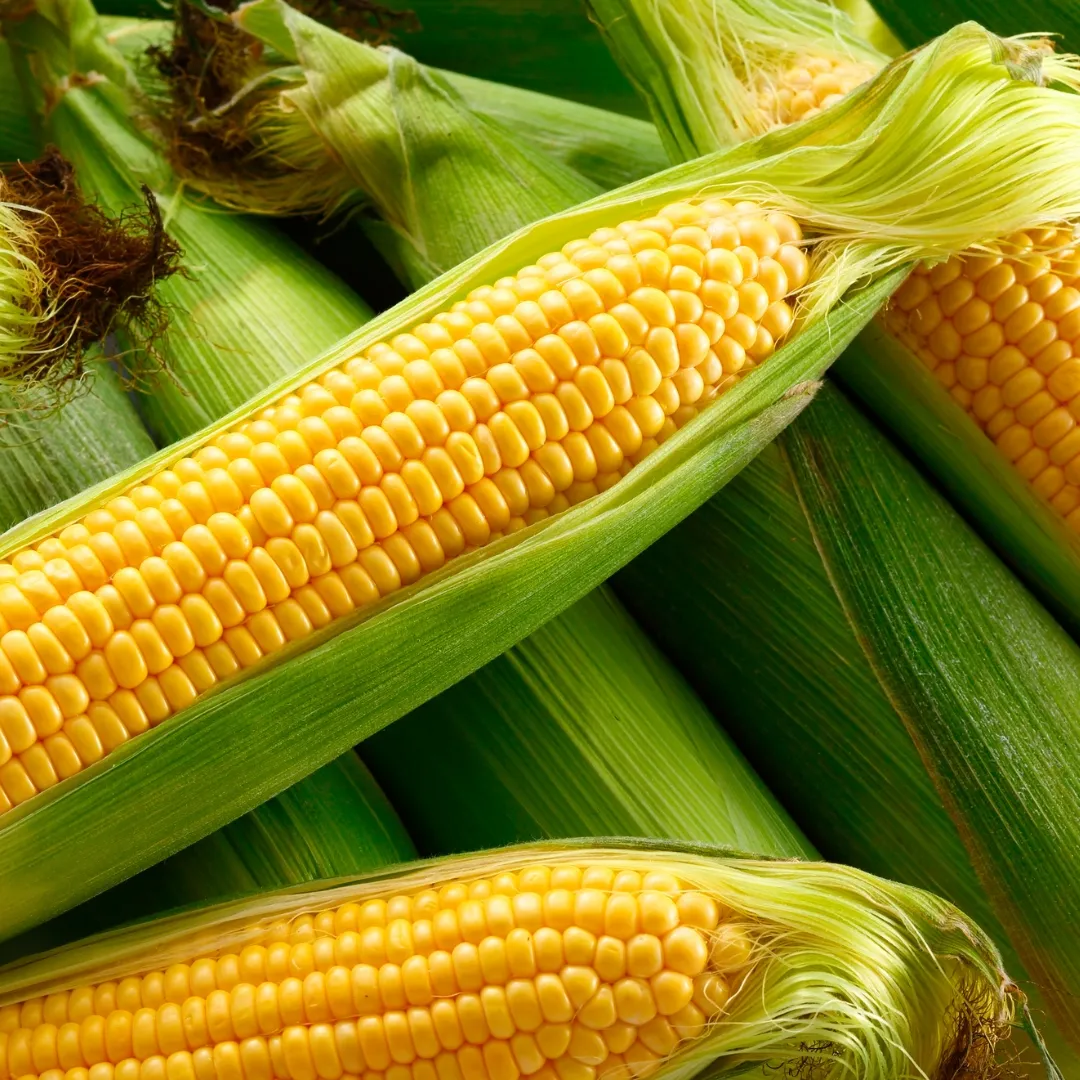
Golden sun, rosy glow. Taste the vibrant rainbow
Yellow and Pink Foods Fuel your joy with nature's brightest, boldest flavors. Must Try!
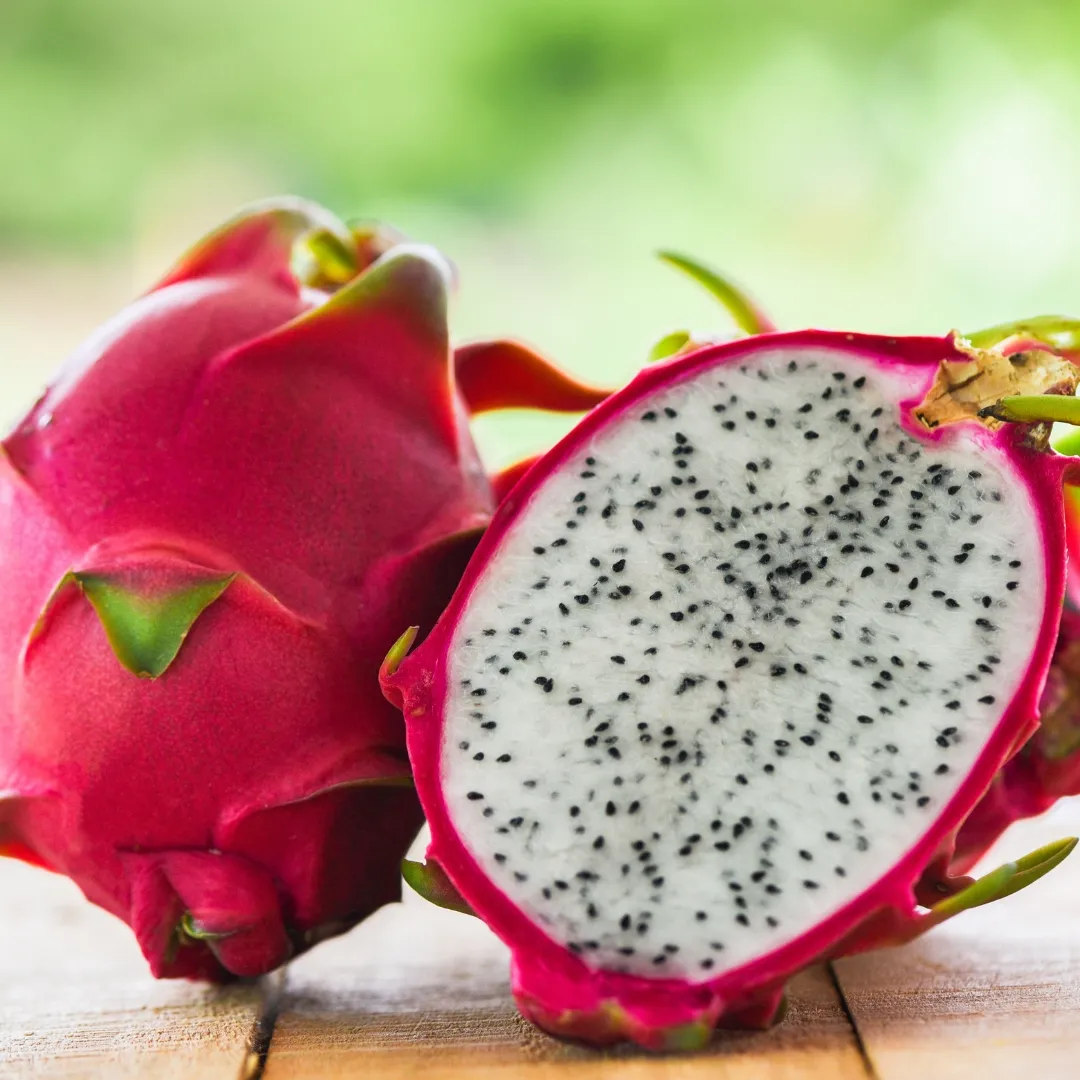
Pink Foods: Know The Psychology Of Food Colors
Discover the Mind-Blowing Psychology Behind Pink Foods - You Won't Believe !!!
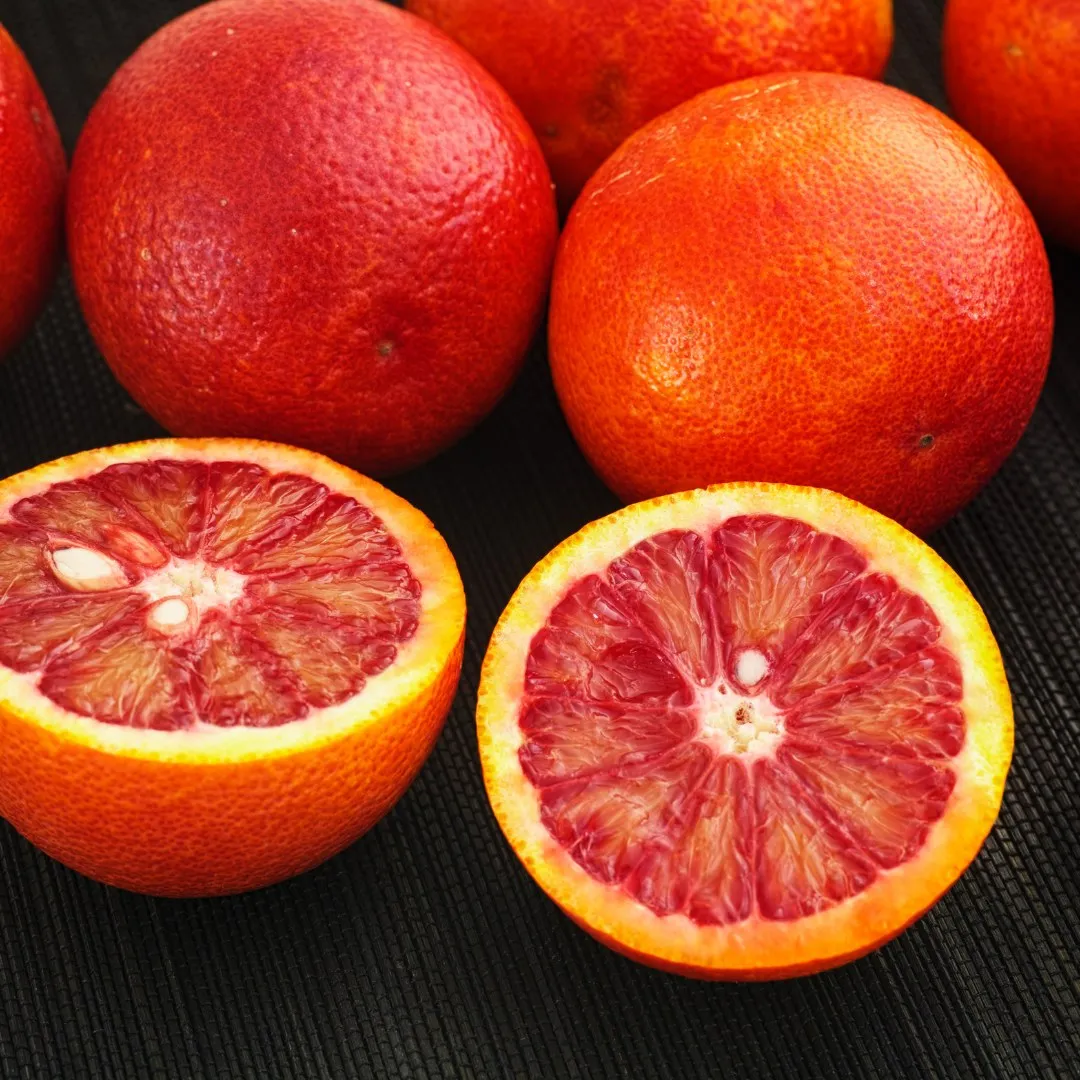
Blood Oranges -The Winter Superfruit
Stunning color, superior health. Elevate your winter table. The Winter Superfruit