If you’ve ever wondered how to cook healthy fish that’s tender, flavorful, and nutrient-packed — you’re not alone. Many home cooks struggle with overcooked fillets, bland flavor, or dry textures. The truth is, cooked healthy fish doesn’t have to be complicated. Whether you’re watching your diet, trying to eat more lean protein, or simply love seafood, knowing the right techniques can make all the difference.
Why Cook Fish at Home?
Learning to cook healthy fish at home is one of the most rewarding skills you can develop for your wellness journey. When you prepare fish in your own kitchen, you take full control of ingredients, cooking methods, and portion sizes — ensuring every bite aligns with your health goals.
Unlike restaurant meals that may hide excess butter, salt, or heavy sauces, home cooking lets you prioritize gentle techniques like baking, steaming, or poaching. These methods preserve delicate omega-3 fatty acids and lean protein while keeping calories in check. Plus, when you cook healthy fish yourself, you save money, reduce food waste, and gain the confidence to experiment with fresh herbs, citrus, and global flavors — turning a simple fillet into a delicious, nutrient-packed masterpiece.
Health Benefits of Eating Fish (Omega-3s, Protein)
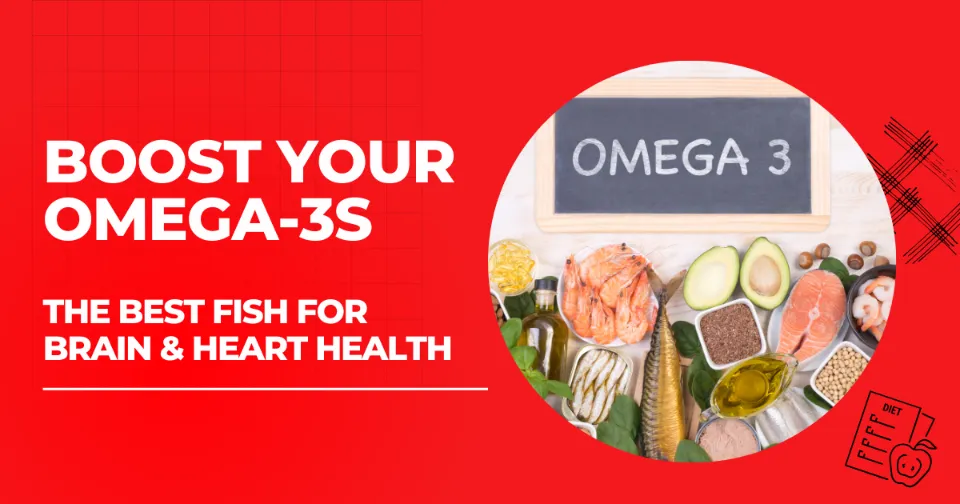
Fish is a fantastic source of nutrition. It’s rich in omega-3 fatty acids, essential for heart health, brain function, and reducing inflammation. Fish is also packed with high-quality protein that helps build and repair tissues, making it a great addition to your diet.
Low-Mercury Fish: Smart Choices for Your Health
However, it’s essential to be aware that not all fish are created equal. Some fish can contain mercury or other pollutants, which can be harmful if consumed in large amounts. Mercury is a heavy metal that can affect the nervous system, particularly in young children and pregnant women.
Curious about your lunch? Use our calculator below to see exactly how much Protein and Omega-3 you're getting.
Fish Nutrition Calculator
🐟 Which Fish Is Best for Your Diet?
A side-by-side comparison of omega-3s, protein, mercury levels, and health benefits
Sardines
- ❤️ Heart health, bone strength
- 🔥 Anti-inflammatory
- ⚖️ Good for weight loss
- ⚠️ Sodium in canned varieties
Anchovies
- 🧠 Supports metabolism, brain & bone health
- 🧂 Often very salty; can raise blood pressure
Swordfish
- 💪 Lean protein supports energy & thyroid
- ⚠️ High mercury risk, not safe for pregnant women
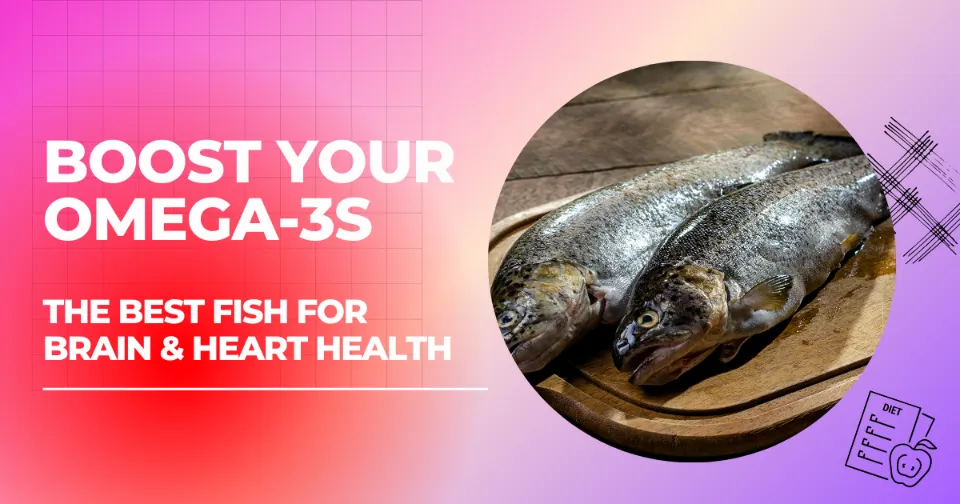
Trout
- 🧠 Brain health, reduces inflammation, supports heart
- ℹ️ Generally safe; farmed varieties may contain contaminants
Mackerel
- ❤️ Lowers triglycerides, anti-inflammatory, brain support
- ⚠️ Some types (e.g., king mackerel) are high in mercury
Lobster
- 🧠 Supports nerve function, immune health
- ❤️ High cholesterol; often cooked with butter/salt
Tuna
- ❤️ Heart health, supports metabolism
- ⚠️ Mercury concern (especially in albacore); choose light tuna more often
Best for Omega-3s
Mackerel, Trout, Sardines
Lowest Mercury
Sardines, Anchovies, Trout
Caution for Mercury
Swordfish, Tuna (especially albacore), King Mackerel
Great for Bone Health
Sardines, Anchovies
High Sodium Risk
Anchovies, canned sardines
High Cholesterol
Lobster
🍽️ 10 Easy Tips for Perfectly Cooked Healthy Fish
Master the art of cooking tender, flavorful fish — every single time
Quick Temperature Guide
Around the World in 5 Fish Dishes
Travel the globe through healthy fish dishes:
Japan: Steamed fish with miso and seasonal vegetables
Greece: Plaki (baked fish with tomatoes, onions, and olive oil)
Peru: Ceviche (citrus-marinated fresh fish)
Sweden: Gravlax (dill-cured salmon)
Italy: Acqua Pazza (fish poached in tomato, garlic, and herbs)
Each culture has mastered the art of cooking healthy fish – now you can too.
FAQs: Solving Common Fish Cooking Mistakes
Solutions to the most common frustrations — master perfectly cooked fish every time
Overcooking is one of the most common mistakes when learning how to cook healthy fish. Fish cooks quickly and continues to cook from residual heat after being removed from the stove or oven.
To ensure your cooked healthy fish releases easily, always preheat your pan and lightly oil it. A nonstick skillet or parchment paper in the oven makes it even easier.
Not always! Keeping the skin on can help retain moisture and add flavor. If crispy skin is desired, cook skin-side down first.
Grilling, steaming, baking, and poaching are top choices for healthy fish. These methods use little or no added fat while preserving valuable omega-3 fatty acids and nutrients.
Use fresh herbs like dill, parsley, or thyme, citrus zest, garlic, or salt-free spice blends. A squeeze of fresh lemon goes a long way!
🐟 Have another fish cooking question? Share it in the comments below!
🐟💬 What’s your favorite fish to cook at home?
Salmon, trout, cod, or something else? Share in the comments below!

Join Our Foodie Community
Discover traditional flavors & the latest cuisine trends.