Blue food benefits extend far beyond the plate. Blue foods refer to the diverse range of foods harvested or farmed from aquatic environments—including oceans, rivers, lakes, and even controlled tanks. From fish and shellfish to seaweeds and algae, these foods are vital to building a food system that is nutritious, sustainable, and climate-resilient.
But what makes them truly remarkable are the blue food benefits for your health and the planet. Packed with omega-3 fatty acids, iodine, and essential minerals, they support heart health, thyroid function, and overall wellness. At the same time, responsible sourcing unlocks blue food benefits for the environment—lower emissions, less land use, and even carbon capture through seaweed. In this guide, we’ll explore the five key reasons why blue foods deserve a place in your diet and how they’re shaping the future of food.
What Are Blue Food Benefits? A Quick Overview
From wild-caught seafood to responsibly farmed aquatic produce, blue foods represent a growing sector of the global food landscape. They are not only rich in essential nutrients, such as omega-3 fatty acids, iodine, and vitamin D, but they also support a diverse range of diets. They can empower communities by offering economic opportunities, especially in coastal and developing regions.
The Nutritional Power of the Sea
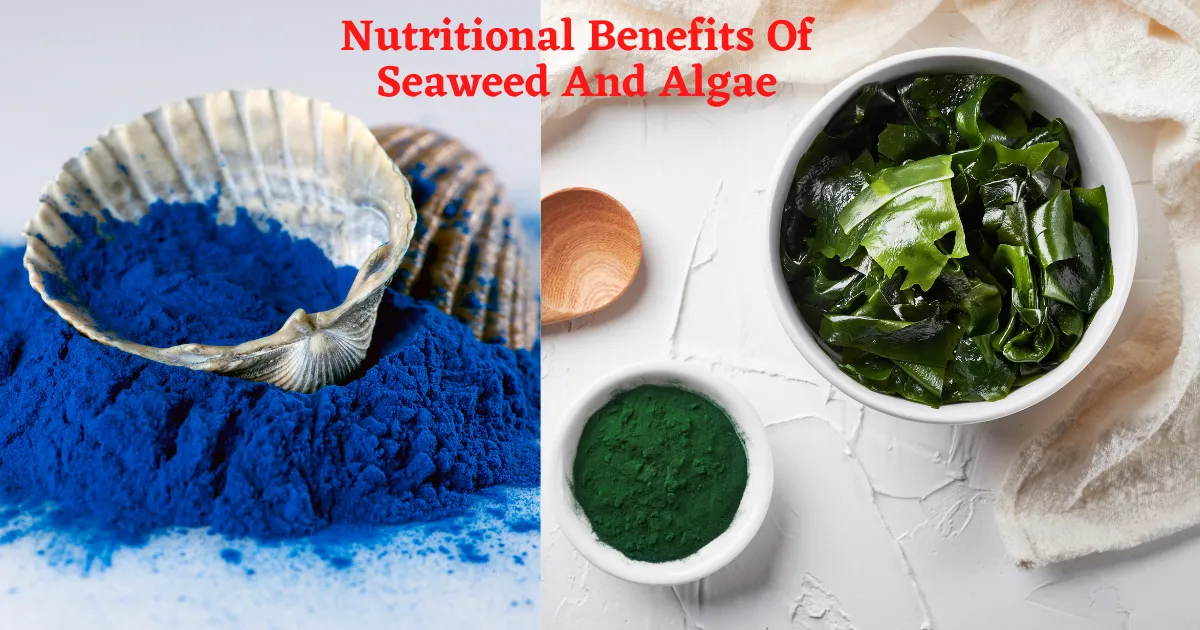
Seaweed and algae are powerful, nutrient-dense foods that offer significant health benefits. These marine plants are rich in essential vitamins, minerals, and bioactive compounds that can support overall health and nutrition.
Key nutritional benefits include:
Iodine and Thyroid Support: Seaweed is an excellent natural source of iodine, a vital nutrient essential for maintaining thyroid function and promoting metabolic health.
High in Fiber: Seaweed is rich in dietary fiber, which helps regulate digestion, promote gut health, and prevent constipation.
Antioxidants: Seaweed contains compounds such as carotenoids and flavonoids that help combat oxidative stress, thereby reducing the risk of chronic diseases, including heart disease and certain types of cancer.
Omega-3 Fatty Acids for Heart and Brain: Some algae species, particularly microalgae, are rich in omega-3s, which are beneficial for heart health and brain function.
Minerals: Algae are an abundant source of essential minerals like calcium, magnesium, iron, and zinc, which support bone health, immune function, and oxygen transport.
Protein: Certain types of algae, like spirulina and chlorella, offer a plant-based protein source, making them a great addition to vegetarian and vegan diets.
Incorporating seaweed and algae into diets can boost nutritional intake while providing sustainable alternatives to conventional animal-based proteins.
A Global Staple: Blue Foods Around the World
Blue foods are among the most highly traded food commodities globally, supporting the livelihoods of over 800 million people worldwide. They play a pivotal role in food security and nutrition, particularly in countries that depend heavily on fish and other aquatic species for protein. Beyond their economic and cultural importance, blue food benefits extend to delivering essential nutrients to communities that may lack access to other protein sources.
However, as the global population continues to grow, the demand for blue food is increasing rapidly, placing added pressure on marine and freshwater ecosystems. This surge in consumption has fueled a wave of technological innovation, investment, and sustainable aquaculture practices aimed at meeting demand while protecting the environment—ensuring that future generations can continue to enjoy the benefits of blue food without compromising ocean health.
🐟 Aquaculture: The Future of Food?
Aquaculture, often referred to as fish farming, is now recognized as one of the fastest-growing food production sectors globally. With innovations in recirculating aquaculture systems (RAS), offshore farming, and seaweed cultivation, the industry is pushing toward a more sustainable, traceable, and scalable model.
At the same time, global efforts are underway to reduce the environmental impact of aquaculture through improved feed efficiency, better waste management, and integrated multi-trophic aquaculture systems that mimic natural ecosystems. When done responsibly, aquaculture not only relieves pressure on wild fish stocks but also amplifies blue food benefits—offering a reliable source of nutrient-rich protein while minimizing ecological footprint.
Sustainable Aquaculture: Farming the Future
Sustainable aquaculture refers to the farming of fish, shellfish, and other aquatic organisms in ways that minimize environmental impact, maximize efficiency, and ensure long-term viability. As the global population grows, the demand for animal-based protein increases, making aquaculture a key solution for addressing global food security.
Key practices in sustainable aquaculture include:
Recirculating Aquaculture Systems (RAS): These closed-loop systems filter and reuse water, reducing the risk of pollution and conserving freshwater resources.
Integrated Multi-Trophic Aquaculture (IMTA): This technique involves growing different species together, such as fish, shellfish, and seaweed, to create a balanced ecosystem. The waste produced by one species serves as food for another, reducing environmental waste.
Efficient Feed Management: Aquaculture feed makes up a significant portion of production costs and environmental impact. Sustainable aquaculture focuses on improving feed conversion ratios, reducing the use of wild-caught fish in feed, and incorporating plant-based or alternative protein sources to enhance sustainability.
Offshore Fish Farming: Moving fish farming operations offshore helps reduce the impact on coastal ecosystems and provides more space for sustainable farming practices.
These practices are crucial for feeding the growing population while protecting ecosystems, ensuring that aquaculture can contribute to global food security without depleting natural resources.
Beyond Nutrition: Environmental Blue Food Benefits
Blue food systems—encompassing wild-caught seafood, aquaculture, and aquatic plants—offer immense potential for sustainable nutrition, but they also come with environmental responsibilities. While they often present a lower-impact alternative to land-based animal proteins, their long-term viability depends on how carefully they are managed.
Key environmental concerns include:
Overfishing: Wild-caught fish populations are under threat, disrupting marine ecosystems and putting species at risk of extinction.
Pollution from Aquaculture: Fish farming can contribute to water pollution, including excess nutrients from uneaten feed and fish waste, which can lead to algal blooms and damage surrounding ecosystems.
Habitat Destruction: The expansion of aquaculture can sometimes lead to the destruction of critical habitats, including mangroves, seagrass meadows, and coral reefs.
Carbon Footprint: Like all forms of food production, blue food systems also have a carbon footprint, particularly if energy-intensive methods are used in farming and transportation.
A Climate-Friendly Alternative
Despite these challenges, blue foods remain one of the most promising paths to a sustainable food system. Compared to conventional land-based animal proteins, they offer several distinct advantages:
Lower Greenhouse Gas Emissions: Sustainably managed fish farming typically generates far fewer emissions than cattle or poultry production.
Carbon Sequestration by Seaweed: Seaweed and algae actively absorb carbon dioxide from the atmosphere, helping mitigate climate change while providing nutritious food.
Efficient Feed-to-Protein Conversion: Fish such as salmon convert feed into body mass more efficiently than land animals, reducing resource demands.
Sustainable Feed Alternatives: Advances in algae-based and plant-based feeds are reducing reliance on wild-caught fish for aquaculture feed, easing pressure on marine ecosystems.
Charting a Sustainable Path Forward
The environmental impact of blue foods is not fixed—it can be shaped by choice and innovation. Through sustainable aquaculture practices, responsible sourcing, and policies that prioritize ecosystem preservation, blue food systems can support global food security while protecting the very waters that sustain them.
Climate-Friendly Protein Sources from the Ocean
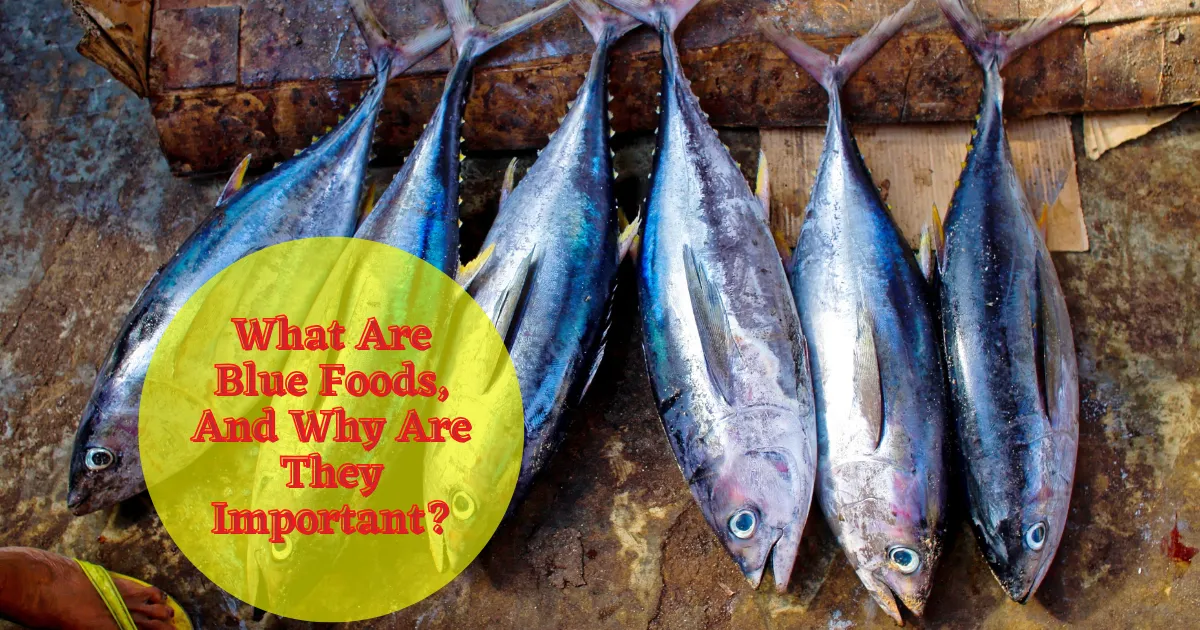
As the world faces the challenges of climate change, finding climate-friendly protein sources is becoming increasingly important. Blue foods, particularly fish, seaweed, and algae, are considered more sustainable than land-based animal proteins for several reasons:
Lower Greenhouse Gas Emissions: Fish farming, mainly when managed sustainably, generally produces fewer greenhouse gas emissions compared to cattle or poultry farming.
Carbon Sequestration by Seaweed: Seaweed and algae absorb carbon dioxide from the atmosphere, thereby contributing to carbon sequestration and mitigating the overall impact of climate change.
Efficient Feed-to-Protein Conversion: Fish, especially species like salmon, are highly efficient in converting feed into body mass compared to land animals, reducing the need for large-scale land use.
Sustainable Feed Alternatives: Advances in algae-based feeds for aquaculture are reducing the reliance on wild-caught fish for feed, helping to preserve marine ecosystems.
Blue foods, as a protein source, are not only more climate-friendly but also offer a viable solution for enhancing food security while minimizing environmental impact. By prioritizing these resources, the global food system can move towards a more sustainable and climate-resilient future.
Frequently Asked Questions About Blue Food Benefits
Blue foods can be sustainable, but it depends on sourcing. Wild-caught seafood is sustainable when populations are managed to minimize bycatch. Farmed options are best when using Recirculating Aquaculture Systems (RAS) or IMTA. Look for MSC or ASC certifications.
The blue food revolution is a global movement harnessing aquatic foods—from fish to seaweed—as a solution to food security. It prioritizes ocean-friendly protein and responsible aquaculture to support both human nutrition and planetary health.
Generally, blue foods have a lower environmental footprint. Responsibly farmed fish produce significantly fewer greenhouse gas emissions and require less land/freshwater than beef or pork. Choosing sustainably sourced options maximizes these climate benefits.
These are nutrient powerhouses. They provide iodine for thyroid health, antioxidants to reduce oxidative stress, and omega-3 fatty acids for heart and brain function. Varieties like spirulina also offer high-quality plant-based protein.
Check for eco-certifications like the Marine Stewardship Council (MSC) blue label or ASC for farmed goods. Transparency is key—don't hesitate to ask your fishmonger about the specific origin and sustainability practices.