
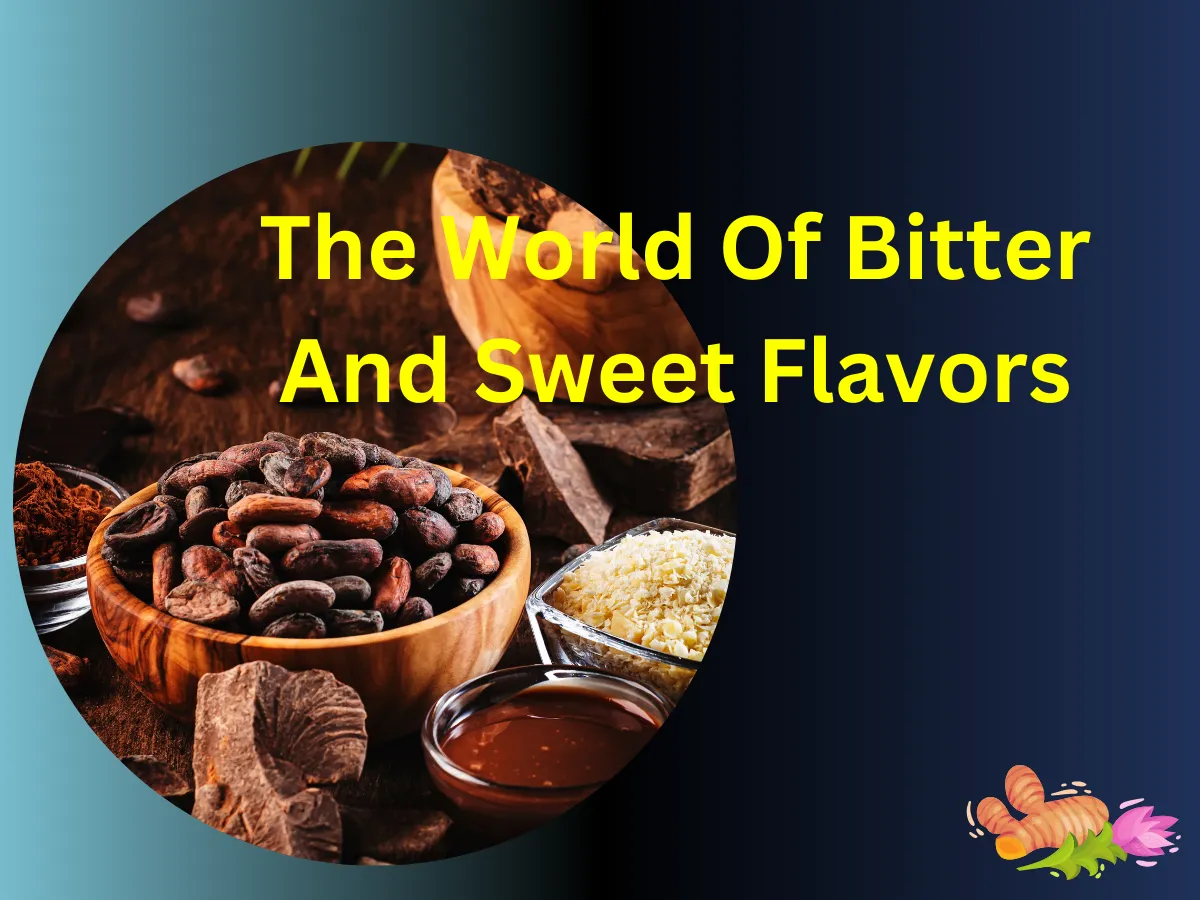
Bitter and Sweet Flavors: Did you know that taste is one of our most complex and fascinating senses? From the moment we take that first bite, our taste buds detect and decipher myriad flavors.
Among these flavors, bitter and sweet often stand out as opposites. The contrast between the two creates a unique gustatory experience worth exploring. Ever wonder why a dash of bitters makes your cocktail sing, or why dark chocolate is so addictive? It’s all about the dance between bitter and sweet.
The Art of Balancing Bitter and Sweet
Bitterness and sweetness are not just limited to taste; they also carry cultural and emotional significance. From the bitterness of dark chocolate to the sweetness of fresh strawberries, these flavors can evoke a range of sensations and memories. This article will dive deep into bitter and sweet flavors, uncovering their origins, characteristics, and how they can be harmoniously combined to create exquisite culinary delights.
Join me on this flavorful journey as we unravel the secrets behind these intriguing taste profiles and discover how they can enhance our dining experiences. Whether you’re a food enthusiast, a chef looking for new inspiration, or simply someone curious about the wonders of taste, this exploration of bitter and sweet flavors will leave you with a deeper appreciation for the complexity of our palates.
So, get ready to tantalize your taste buds and embark on a delightful adventure into the realms of bitter and sweet.
🌿 wellness · bitter & sweet
bitter - wellness
Bitter compounds stimulate taste receptors that activate digestive juices — saliva, stomach acid, and bile. This primes the entire gut for optimal breakdown of food.
- Dark leafy greens (kale, chicory, dandelion) — packed with fiber and bitter phytochemicals that support liver function.
- Coffee — one of the largest sources of antioxidants in modern diets; linked to reduced inflammation and better gut motility.
- Dark chocolate (≥70%) — flavanols improve blood flow and fight oxidative stress; the bitterness comes from natural theobromine.
sweet - awareness
Fruit, honey, maple syrup bring vitamins and phytonutrients alongside sweetness. Added sugars (sucrose, high-fructose corn syrup) deliver empty calories and rapid spikes.
- Mindful indulgence — pause, savour a small piece of dark chocolate or a date; satisfaction comes from quality, not quantity.
- Bitter balances sweet cravings: when you include bitter notes (coffee, citrus peel, chicory), the brain receives a complex signal that reduces the urge for more sugar.
- Wellness principle: pair sweet with bitter, sour, or tannins to slow glucose absorption and extend pleasure.
bitter - sweet
Adding a bitter edge to a sweet dish tricks the taste buds into perceiving more complexity — you feel satisfied with less sugar.
- Try: grapefruit with a drop of honey instead of sugar-drenched oranges.
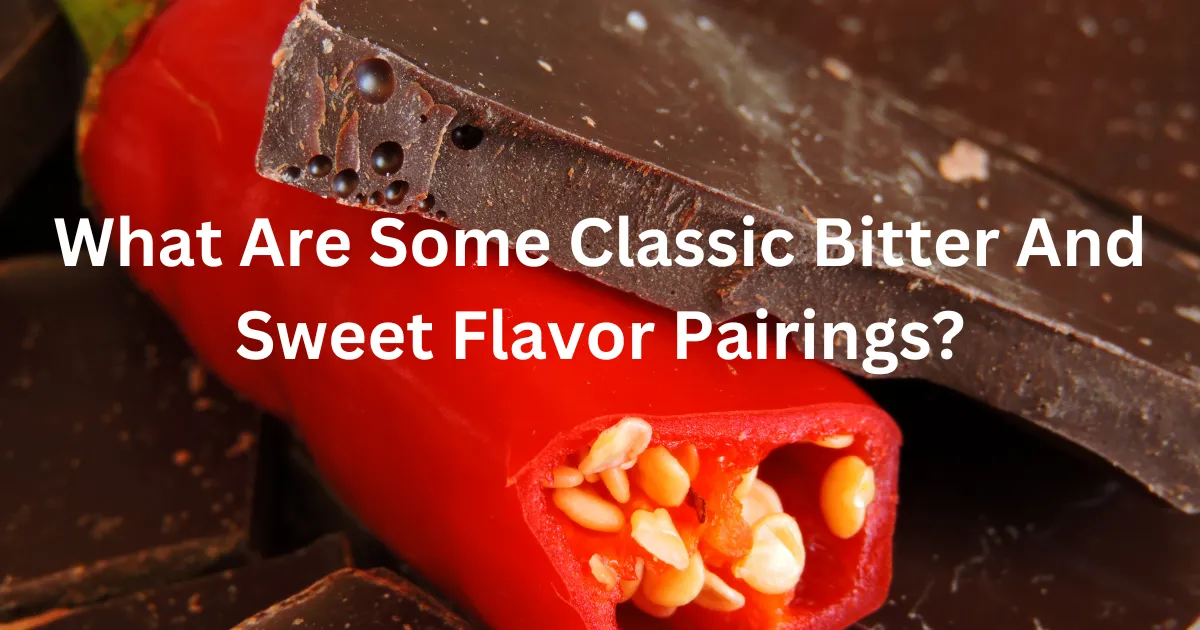
- Try: dark chocolate-dipped strawberries (the berry’s acidity + chocolate’s bitterness = sweet perfection).
- Try: coffee with a dash of cinnamon and a tiny amount of maple syrup — you’ll use half the syrup.
✨ now it's your turn ✨
Cultural deep dive: bitter & sweet
bitter - digestivo
In Italy, bitterness isn't just a taste—it's a sacred routine. Amaro (literally 'bitter') began in medieval monasteries as medicine, later evolving into a regional signature.
- Northern alpine Braulio — piney, sharp, herbaceous
- Sicilian Averna — sweeter, citrus & myrtle
- Milanese Fernet — bold, medicinal, cult following
— 19th‑century tradition, still alive in every piazza
acquired - balance
Across India, China, and Southeast Asia, bitter melon is not masked—it's orchestrated. The intense bitterness becomes a canvas for sweet, sour, and rich counterparts.
- 🇨🇳 China: stir-fried with pork & fermented black beans — salty, funky depth
- 🇮🇳 India: Aloo karela (with potatoes) or stuffed spiced masala, often served with yogurt
- 🇱🇰 Sri Lanka: cooked in creamy coconut milk curry — sweet fat tames the bite
In Japan's Okinawa, goya champuru (stir-fry with tofu, egg, pork) is a longevity dish — bitter, sweet, umami in every forkful.
resilience - in a cup
During the Civil War (1860s), Union blockades cut off New Orleans' coffee supply. Resourceful locals stretched dwindling beans with roasted chicory root — and a tradition was born.
What began as survival became iconic. The bitterness didn't just extend coffee — it transformed it, creating a bold, layered brew that New Orleanians grew to love.
🍬 🍫 Bitter + sweet · classic pairings 🥭 🧂

the harmony of bitter and sweet
Throughout this journey, we've seen that bitter and sweet flavors are not opposites—they are partners. From the ancient wisdom of amaro and bitter melon to the simple joy of dark chocolate-dipped berries, these two tastes create a dance that engages our palate, our health, and our memories.
Embracing bitter and sweet flavors together does more than excite your taste buds. It supports digestion (thanks to those bitter compounds), helps you become more mindful of sugar, and opens the door to culinary creativity. Whether it's a pinch of chicory in your morning coffee or a sprinkle of sea salt on caramel, the interplay transforms the ordinary into something memorable.
The beauty of bitter and sweet flavors is that they invite experimentation. There's no perfect ratio—only what delights you. Maybe it's a grapefruit brûlée, a dark chocolate bar with sea salt, or a salad of bitter greens drizzled with honey. Every attempt teaches your palate something new.
✨ now it's your turn ✨