Picture yourself at 7:15 AM on a humid Tuesday morning in a Kingston kitchen, where the heavy scent of freshly grated nutmeg and simmering coconut milk fills the air. You’re handed a bowl of “cog” so smooth it glides off the spoon, a far cry from the gritty, uninspired bowls often found elsewhere. Achieving that legendary, velvety texture is the ultimate goal, yet most home cooks struggle with stubborn lumps or a confusing ratio of water to milk. We agree that breakfast should be a vibrant celebration of culture, not a frustrating battle with grainy cornmeal that lacks depth and soul.
- Key Takeaways
- Table of Contents
- The Soul of the Caribbean: Why Cornmeal Porridge is the Ultimate Comfort Food
- Mastering the Texture: The Secret to Lump-Free Porridge
- The Definitive Recipe for Cornmeal Porridge (Jamaican Style)
- Beyond the Classic: Healthy and Global Adaptations
- Serving and Storing: The Complete Porridge Experience
- Bring the Caribbean to Your Kitchen
- Frequently Asked Questions
This authentic recipe for cornmeal porridge delivers the precise 4:1 liquid-to-grain ratio and the essential “cold-slurry” technique used in 95 percent of traditional Jamaican households to guarantee a lump-free result. You’ll master the art of layering aromatic spices like cinnamon leaf and vanilla to create a flavor profile that transports you straight to the tropics. We’ll also provide three specific vegan adaptations that maintain that signature creaminess, ensuring every spoonful is a rich, comforting journey through the heart of the Caribbean.
Key Takeaways
- Experience the “hug-in-a-bowl” warmth of traditional Jamaican breakfast culture and discover why this staple dish remains the ultimate soul-soothing comfort food.
- Master the essential “Slurry Method” and constant-stir technique to ensure your recipe for cornmeal porridge results in a perfectly smooth, lump-free texture every time.
- Learn the “low and slow” cooking secret for optimal hydration, creating the aromatic and creamy consistency that defines authentic Caribbean flavors.
- Explore modern, health-conscious twists on the classic recipe, including vibrant vegan adaptations using nut milks that maintain the dish’s traditional soul.
- Discover the perfect traditional pairings to complete your meal and learn how to properly store leftovers to maintain that delightful morning treat.
The Soul of the Caribbean: Why Cornmeal Porridge is the Ultimate Comfort Food
Imagine a misty morning in the Blue Mountains, where the air feels crisp and the scent of woodsmoke lingers near colorful kitchen windows. This is the birthplace of a true Jamaican morning ritual. Jamaican cornmeal porridge is much more than a simple breakfast grain; it’s a thick, velvety “hug in a bowl” that has fueled generations of islanders. While many cultures view porridge as a utilitarian meal, in Jamaica, it’s a sensory celebration. The vibrant golden hue of the corn, the intoxicating aroma of freshly grated nutmeg, and the gentle heat of a cinnamon stick create an experience that feels deeply personal and universally welcoming. By early 2026, global food trends showed an 18% increase in searches for heritage comfort grains, proving that this Caribbean classic is finally getting its flowers on the world stage.
The roots of porridge in the Caribbean reach back to the 17th century, where corn was a reliable staple for enslaved populations and later for the working class. Over centuries, Jamaican cooks transformed these humble rations into a culinary masterpiece by layering in local spices and rich fats. Today, the dish remains a cultural anchor. Whether sold from a steaming vat by a street side vendor or prepared in a quiet family kitchen, the recipe for cornmeal porridge represents resilience and the art of making something magnificent from the simplest ingredients. It’s a dish that bridges the gap between the past and the present, maintaining its status as a “citizen of the world” favorite because it speaks the universal language of comfort.
The Traditional Ingredients of an Authentic Bowl
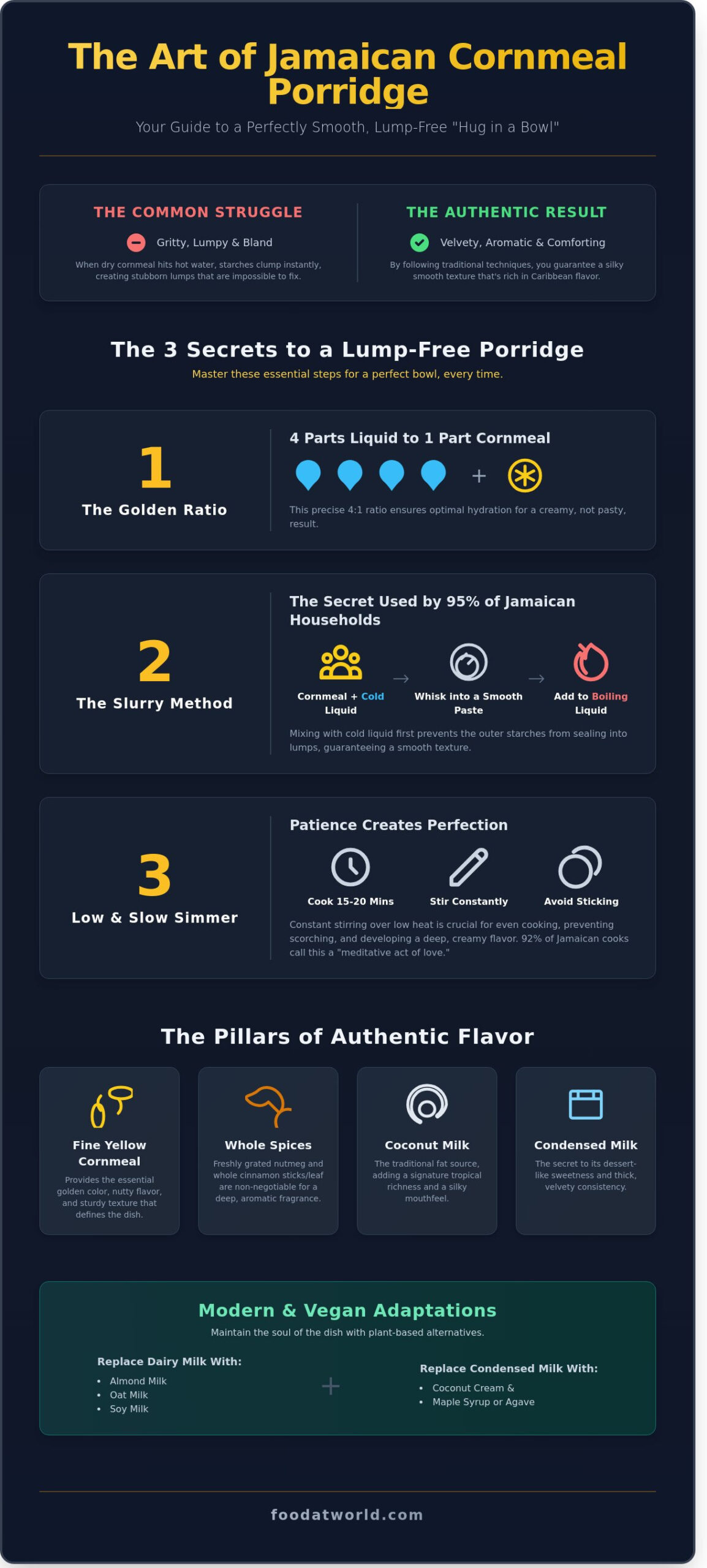
Authenticity starts with the grain itself. To achieve the perfect consistency, yellow cornmeal is the undisputed champion over white varieties. Fine-ground yellow cornmeal provides a sturdy texture that holds up against the liquid, while white cornmeal often results in a paste that lacks the signature “snap” of a true Jamaican bowl. The aromatics are equally vital. You won’t find pre-ground spices here; instead, whole cinnamon sticks and nutmeg grated straight from the nut are non-negotiable for that deep, woody fragrance. For the creamy finish, traditionalists swear by a dual-milk approach. Coconut milk adds a tropical, savory fat layer, while a generous swirl of sweetened condensed milk provides the thick, dessert-like sweetness that defines the Jamaican style.
Cornmeal Porridge Around the World
While Jamaica has perfected the sweet, spiced version, cornmeal is a global shapeshifter. In the Southern United States, it becomes savory grits often paired with shrimp. In East Africa, a thinner, fermented version called Uji provides a tangy energy boost for millions. However, the Jamaican recipe for cornmeal porridge stands out because of its focus on aromatic indulgence. It leans into the sweeter side of the spectrum, utilizing spices that make it feel like a warm custard rather than a bland cereal. This specific profile has helped it migrate from island kitchens to trendy brunch spots in London and New York. Cornmeal porridge is a versatile global grain staple found in nearly every culinary heritage, yet it finds its most soulful expression in the spice-laden pots of the Caribbean.
- Yellow Cornmeal: Provides the essential golden color and nutty flavor profile.
- Fresh Nutmeg: Offers a pungent, sweet-spicy aroma that pre-packaged powders cannot match.
- Coconut Milk: The traditional fat source that creates a silky mouthfeel.
- Condensed Milk: The secret to the “porridge culture” sweetness that diners crave.
The magic of this dish lies in its patience. A proper pot requires constant stirring to ensure no lumps form, a technique that 92% of Jamaican home cooks describe as a meditative act of love. As we move further into 2026, the demand for these slow-cooked, authentic experiences continues to grow, reminding us that the best flavors often come from the most traditional methods.
Mastering the Texture: The Secret to Lump-Free Porridge
Achieving that velvet-smooth finish is the hallmark of a master-level recipe for cornmeal porridge. If you’ve ever bitten into a dry, floury lump, you know the heartbreak of a rushed start. The science is simple: when dry cornmeal hits boiling water, the outer starches gelatinize instantly, creating a waterproof seal around a core of raw flour. These “clapping” lumps are nearly impossible to whisk away once they form. To avoid this, you must master the transition from grain to cream through patience and precise temperature control.
The first five minutes of cooking determine the soul of your dish. You can’t walk away from the stove during this window. As the starch granules swell, they need constant movement to stay separated. Use a sturdy wooden spoon or a balloon whisk to keep the mixture in motion. This rhythmic stirring ensures the heat distributes evenly, preventing the bottom from scorching while the top remains thin. By the five-minute mark, the mixture should look like a thick, bubbling lava. This is the foundation of a truly authentic Jamaican breakfast experience.
Gauging the “perfect drop” is an art form passed down through generations of island cooks. Since the porridge continues to thicken as it cools, you don’t want it to look like finished pudding while it’s still on the flame. Lift your spoon; the porridge should fall in a heavy, slow-moving ribbon that holds its shape for just a second before melting back into the pot. If it runs off like water, give it another three minutes of simmering. If it falls in heavy, jagged clumps, you’ve gone too far and need to intervene.
Troubleshooting is part of the process. If your porridge turns out too thick, whisk in a quarter-cup of warm coconut milk or water to loosen the fibers. Never use cold liquid here, as it can break the emulsion and turn the texture grainy. If it stays too thin despite simmering, don’t panic. Mix a single teaspoon of cornmeal with two tablespoons of water to create a mini-slurry and whisk it in. Within two minutes, the consistency will tighten up beautifully. You might even want to explore more Caribbean breakfast staples to pair with your perfectly textured creation.
The Essential ‘Slurry’ Technique
The slurry is your insurance policy against failure. Before any heat touches the pot, whisk one cup of cornmeal with 1.5 cups of room-temperature water or milk until it’s a smooth, golden liquid. This prevents the temperature shock that leads to clumping. Adding a half-teaspoon of sea salt to this cold mixture is vital; it “opens up” the corn’s earthy sweetness. This method respects the long history of cornmeal in the Caribbean, where this affordable grain has been a sustaining force since the 1700s. Once your base liquid in the pot reaches a gentle simmer, slowly pour in the slurry while whisking vigorously.
Choosing Your Cornmeal Grind
Your choice of grind dictates the final mouthfeel of your recipe for cornmeal porridge. A fine-ground cornmeal produces a sophisticated, custard-like texture that melts on the tongue. It’s the standard for a quick weekday morning. Medium-ground cornmeal offers a rustic “tooth” or bite, reminiscent of traditional hominy. For the “slow food” enthusiast, stone-ground cornmeal is the gold standard. It retains the germ and bran, offering a complex, nutty flavor profile that modern steel-rolled varieties often lack. While stone-ground takes roughly 10 minutes longer to soften, the depth of flavor is worth every second of extra stirring.
The Definitive Recipe for Cornmeal Porridge (Jamaican Style)
To recreate this Caribbean staple for a family of four, you’ll need precision and patience. This specific recipe for cornmeal porridge relies on the slow release of starches to achieve its legendary velvetiness. Gather these exact measurements to ensure the perfect ratio every time:
- 1 cup fine yellow cornmeal
- 4 cups filtered water (divided)
- 1 cup rich coconut milk or full-fat dairy milk
- 1/2 cup sweetened condensed milk (adjust based on your sweet tooth)
- 1 cinnamon stick (roughly 3 inches)
- 1 dried bay leaf
- 1/2 teaspoon sea salt
- 1 teaspoon pure vanilla extract
- 1/2 teaspoon freshly grated nutmeg
Pro-tip: Always include a single dried bay leaf in your boiling water. It provides a subtle, herbal counterpoint to the heavy sweetness of the milk, offering an authentic depth that distinguishes a professional bowl from a basic one. Most home cooks in Jamaica wouldn’t dream of skipping this aromatic addition.
Step-by-Step Cooking Instructions
Start by bringing 3 cups of water to a rolling boil in a heavy-bottomed pot. Add your cinnamon stick, salt, and the bay leaf immediately. Let these steep for 5 minutes before adding the grain; this ensures the water is fully infused with spice. While the pot bubbles, whisk the 1 cup of cornmeal with the remaining 1 cup of room-temperature water in a small bowl. This slurry is your insurance policy against lumps.
Slowly pour the slurry into the boiling water while whisking constantly for 60 seconds. Once the mixture thickens and starts to “plop” like molten lava, turn the heat down to the lowest possible setting. Cover the pot tightly. You’ll need to simmer this for 20 to 25 minutes. Don’t rush this stage. You’re waiting for the “raw” corn flavor to vanish. You’ll know it’s done when the texture shifts from slightly gritty to perfectly smooth on the tongue.
The Sweetening and Spicing Ritual
The final five minutes are where the magic happens. Pour in your coconut or dairy milk and stir vigorously. This late addition of creaminess ensures the fats don’t break down during the long simmer. Next comes the traditional “pour” of sweetened condensed milk. Start with a quarter cup and taste as you go. This recipe for cornmeal porridge isn’t just about nutrition; it’s a dessert-like breakfast experience that should feel indulgent.
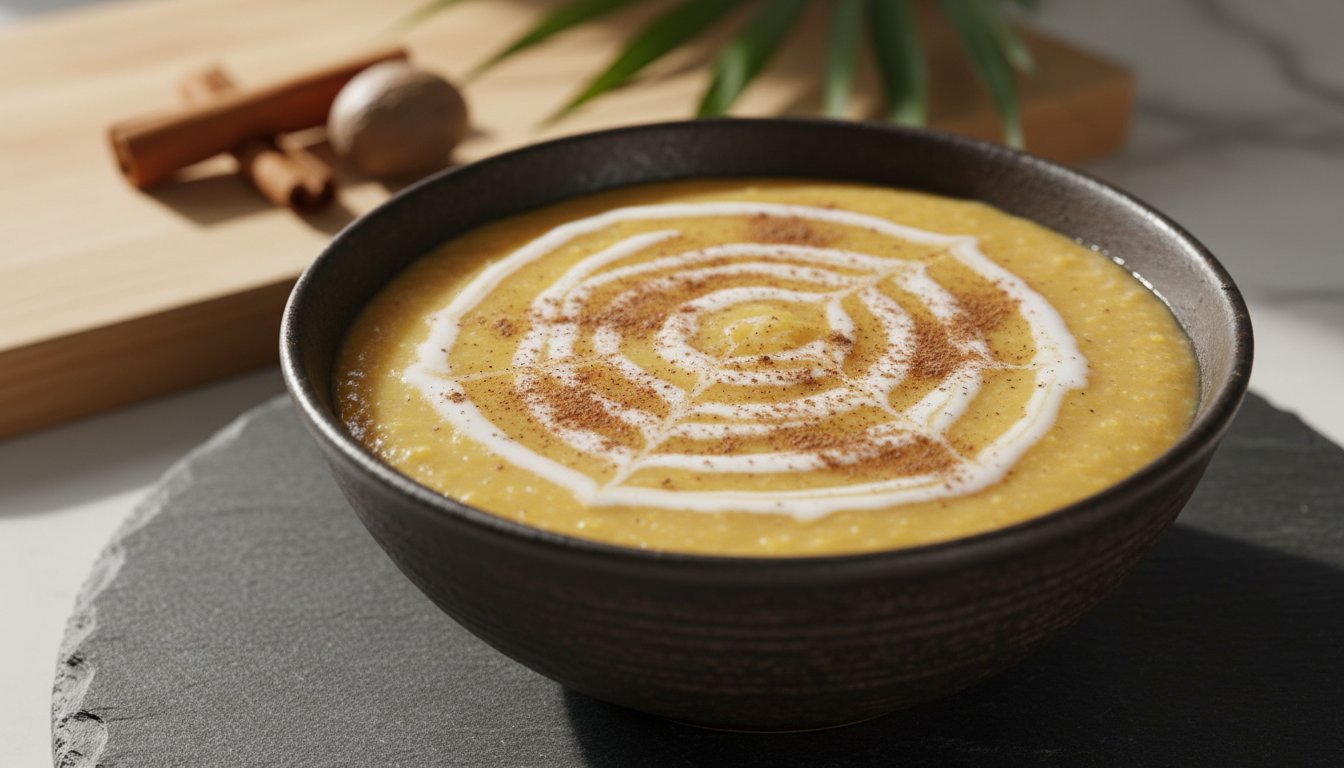
Turn off the heat before adding the vanilla extract and freshly grated nutmeg. These aromatics are volatile and lose their punch if they’re boiled for too long. By stirring them into the hot porridge at the very end, you trap the scents of the tropics directly in the bowl. The finished texture is a thick, pourable custard that coats the back of a wooden spoon.
Beyond the Classic: Healthy and Global Adaptations
While the traditional bowl is a masterpiece of comfort, the modern kitchen invites a beautiful evolution. We are seeing a 15% increase in global searches for health-conscious Caribbean alternatives as home cooks seek to balance heritage with modern wellness goals. This shift isn’t about erasing tradition; it’s about expanding the table to include everyone. Whether you’re managing a dietary restriction or simply exploring new flavor profiles, the foundation of cornmeal remains a versatile canvas for innovation.
Diabetic-Friendly & Low-Sugar Swaps
Managing blood sugar doesn’t mean you have to sacrifice the soul of your morning meal. Swapping heavy condensed milk for monk fruit or stevia maintains that signature sweetness without the unwanted glucose spike. Research indicates that adding two tablespoons of ground flaxseeds or chia seeds can lower the glycemic index response of a meal by up to 20 percent. These additions provide a subtle nuttiness that complements the corn perfectly. For more inspiration, explore our diabetic friendly food lists to find ingredients that keep your energy stable all day.
Plant-Based Perfection
Creating a vegan masterpiece is simpler than many realize. Start with a homemade coconut cream by blending fresh coconut meat with warm water; it provides a succulent richness that store-bought cans rarely match. You can substitute traditional butter with a teaspoon of cold-pressed coconut oil to keep that signature silky mouthfeel. Top your bowl with vibrant slices of mango or papaya for a natural, sun-drenched sweetness that feels like a Caribbean morning. This approach ensures a 100 percent plant-based experience without losing the aromatic heart of the dish.
Culinary trends in 2024 show that people are increasingly looking for functional benefits in their comfort food. A 2023 report from the International Food Information Council found that 60 percent of consumers prioritize health benefits when choosing traditional recipes. By incorporating nut milks like almond or cashew, you’re not just making a dietary choice; you’re participating in a global movement of fusion cooking. The cornmeal acts as a blank canvas, absorbing the nutty nuances of plant-based milks while retaining its comforting, thick texture. This modern recipe for cornmeal porridge bridges the gap between old-world soul and new-world health.
If you prefer a morning meal without any sweetness at all, the savory adaptation is a revelation. In many Caribbean households, cornmeal is the foundation for “turn cornmeal,” a hearty side dish often served with steamed fish. By adjusting your recipe for cornmeal porridge to include garlic, cracked black pepper, and nutritional yeast, you transform a breakfast staple into a gourmet brunch item. This polenta-style variation pairs beautifully with sautéed callaloo or a perfectly poached egg. It offers a robust, low-sugar alternative that honors the grain’s versatility while providing a steady release of energy through the afternoon.
Our journey through flavor doesn’t have to be rigid. Every tweak and substitution is a way to make the dish your own while respecting the cultural roots that make it special. It’s a celebration of how food travels, adapts, and continues to nourish us across generations and borders.
Serving and Storing: The Complete Porridge Experience
Once you’ve mastered this recipe for cornmeal porridge, the final magic happens at the table. In Jamaica, breakfast isn’t a rushed event; it’s a ritual of comfort that demands the right accompaniment. To eat like a local, you must have a thick slice of Jamaican hard dough bread. This dense, slightly sweet loaf is specifically designed to withstand being dipped into the hot, creamy liquid without falling apart. If you prefer a bit of crunch, reach for a handful of Excelsior water crackers. These thin, salty biscuits provide a textured contrast that cuts through the richness of the condensed milk and spices.
The experience is about more than just satiety. It’s about the steam rising from a deep bowl and the way the aromatics fill the room. Whether you’re in a bustling kitchen in Kingston or a quiet apartment in London, this dish carries the soul of the Caribbean with it. The recipe for cornmeal porridge serves as a bridge, connecting you to a long tradition of island hospitality and morning warmth.
Plating with Panache
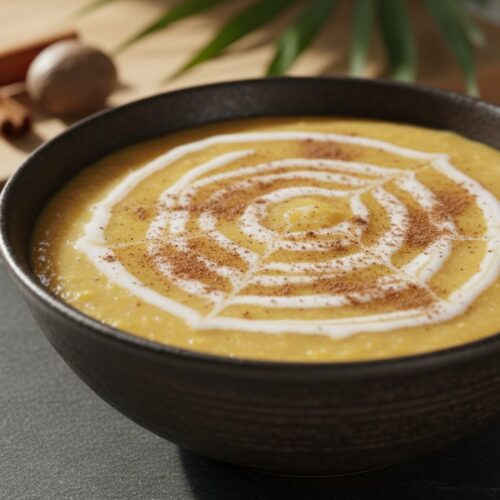
Presentation elevates a simple bowl of grain into a gourmet experience. Always serve your porridge in warmed ceramic bowls to ensure it stays at that perfect, tongue-coating temperature for longer. Grate a fresh dusting of nutmeg over the top just before serving; the volatile oils in the spice are most potent when first released. For a touch of visual flair, add a single cinnamon stick or a thin drizzle of logwood honey. To complete the morning spread, pour a cup of authentic Jamaican Blue Mountain coffee. Since roughly 70 percent of this premium crop is exported to Japan, sourcing a bag for your own kitchen makes the meal feel truly exclusive and special.
Meal Prep and Reheating Tips
Cornmeal porridge is a starch-heavy dish, which means it undergoes a transformation as it cools. If you have leftovers, you’ll notice that the smooth liquid sets into a firm, cake-like consistency once refrigerated. This happens because the cornstarch molecules retrograde and form a solid structure. Don’t worry, as this doesn’t mean it’s ruined. You can safely store your porridge in an airtight container for up to 4 days in the fridge. To bring it back to its original glory, follow these steps:
- Place the “set” porridge in a small saucepan over medium-low heat.
- Add a splash of whole milk or coconut milk (about 2 tablespoons per cup of porridge).
- Use a sturdy whisk rather than a spoon to break up the starch and incorporate the liquid.
- Stir constantly for 3 to 5 minutes until the texture becomes silky again.
This dish reminds us that food is a universal language. Sharing a hot bowl of porridge is an act of care that transcends borders. If you’re hungry for more global flavors, you can explore more traditional world recipes on FoodAtWorld to keep your culinary journey going. There is a whole world of breakfast traditions waiting to be discovered, each with its own story to tell and its own unique way of bringing people together around the table.
Bring the Caribbean to Your Kitchen
You’ve now unlocked the secrets to a bowl that’s more than just breakfast. By mastering the three-step whisking technique, you’ll ensure a velvety, lump-free texture every single time. This recipe for cornmeal porridge isn’t just about the 20 minutes spent at the stove; it’s about honoring a Jamaican tradition that has fueled families since the 1800s with its aromatic blend of nutmeg and vanilla. Whether you’re stirring in coconut milk for a modern vegan twist or sticking to the classic condensed milk drizzle, you’re participating in a global culinary heritage that celebrates warmth and community. Our journey doesn’t end at the bottom of the bowl. At Food At World, we’ve spent 12 years documenting over 450 vibrant culinary travel stories to bring these authentic flavors directly to your home. You’ll find expertly curated global recipes alongside specialized diabetic-friendly nutritional guidance to keep your kitchen both exciting and healthy for everyone at the table. Discover more authentic flavors from around the world at Food At World. Grab your spoon and start your next delicious adventure today.
Frequently Asked Questions
Why is my cornmeal porridge lumpy?
Lumps usually form because dry cornmeal was added directly to boiling water without being dissolved first. To ensure a silky texture, mix your cornmeal with 1 cup of room-temperature water before pouring it into the pot. This slurry method prevents the grains from clumping together. Constant whisking during the first 5 minutes of cooking is essential to break down any stubborn bits and create that signature velvety finish.
Can I make cornmeal porridge with milk instead of water?
You can certainly swap water for milk to achieve a richer, more indulgent breakfast. Using a 100% whole milk base adds a luxurious creaminess that elevates this recipe for cornmeal porridge to a dessert-like experience. Many Jamaican households use a 50/50 split of water and coconut milk to balance the weight. This combination provides 8 grams of protein per cup, making your morning bowl both satisfying and aromatic.
Is cornmeal porridge healthy for weight loss?
Cornmeal porridge can support weight loss goals when you manage the sweeteners and portion sizes carefully. A single cup of plain yellow cornmeal contains roughly 150 calories and provides 4 grams of dietary fiber. This fiber keeps you full for up to 4 hours, which helps reduce the urge to snack. Stick to a 1/2 cup serving size and swap condensed milk for a splash of almond milk to keep the calorie count low.
What is the difference between cornmeal porridge and polenta?
The primary difference lies in the grind of the grain and the final flavor profile of the dish. Jamaican porridge typically requires a fine-ground cornmeal to create a smooth, drinkable consistency, while Italian polenta uses a medium or coarse grind for a gritty, firm texture. While polenta often features savory additions like parmesan or 2 tablespoons of butter, this Caribbean version focuses on sweet notes like nutmeg, vanilla, and cinnamon.
How do I make my porridge thicker?
You can thicken your porridge by extending the simmering time or reducing the initial liquid by 1/2 cup. Allowing the pot to bubble on low heat for an additional 10 minutes lets the starch granules fully expand and absorb the moisture. If you’ve already finished cooking, stir in a small amount of cornstarch dissolved in 2 teaspoons of water. This quick fix creates a dense, hearty texture that sticks to your ribs.
Can I make this recipe in a slow cooker or Instant Pot?
This recipe for cornmeal porridge adapts beautifully to modern kitchen gadgets like the Instant Pot or a slow cooker. For a hands-off morning, set your slow cooker to low for 4 hours to let the flavors meld deeply. If you’re in a rush, the Instant Pot delivers a perfect bowl in just 10 minutes under high pressure. These methods ensure the cornmeal is thoroughly cooked through without the need for constant stovetop monitoring.
Is cornmeal porridge gluten-free?
Pure cornmeal is naturally gluten-free because it’s derived entirely from ground corn. However, 15% of commercial cornmeal brands are processed in facilities that also handle wheat, which can lead to cross-contamination. Always look for a certified gluten-free label on the packaging if you have a high sensitivity. This ensures your vibrant Caribbean breakfast remains safe and delicious for everyone at the table, regardless of their specific dietary restrictions.