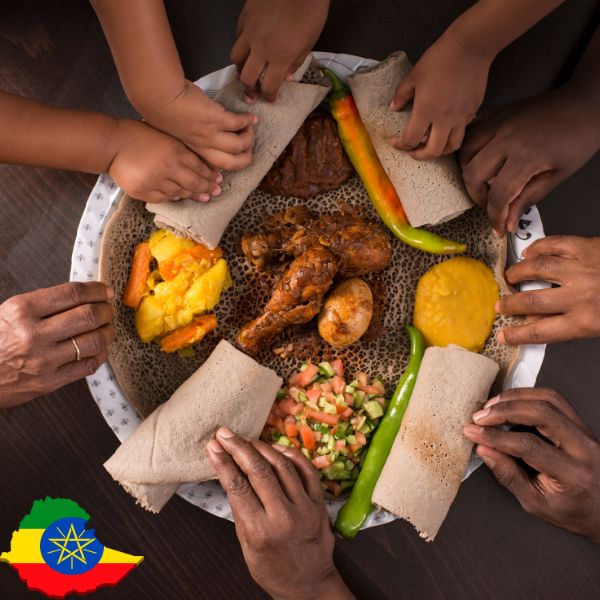
Traditional Ethiopian food: Ethiopian cuisine is renowned for its unique flavor combinations, often created by combining spices such as cumin, coriander, and turmeric. In this guide, we will explore the individual flavors of these spices and how to use them to create delicious dishes.
Cumin is a warm, earthy spice often used in Ethiopian cuisine. Its robust, nutty flavor is slightly bitter and can add depth to dishes. Cumin is usually combined with other herbs, such as coriander and turmeric, to create a unique flavor profile.
Coriander is a mild and sweet spice often used in Ethiopian cuisine. Its slightly citrusy flavor adds a hint of sweetness to dishes. Coriander is usually combined with other herbs, such as cumin and turmeric, to create a unique flavor profile.
Turmeric is a warm and earthy spice often used in Ethiopian cuisine. Its slightly bitter flavor adds a hint of bitterness to dishes. Turmeric is usually combined with other herbs, such as cumin and coriander, to create a unique flavor profile.
Cumin, coriander, and turmeric create a unique, complex, and delicious flavor profile. These spices can be used to make various dishes, from stews and curries to salads and sides.
By experimenting with different combinations of these spices, you can create flavorful dishes that are sure to please.
- Can Turmeric Be Substituted in Ethiopian Food Flavors?
- Ethiopian Spice Blends
- Ethiopian Spice Essentials: Cumin, Coriander & Turmeric
- How to Eat Ethiopian Food (Gursha)
Ethiopian Spice Blends
The soul of Ethiopian cuisine — complex, aromatic, and bold
| 🌿 Spice Blend | 📝 Key Ingredients | 🌶️ Heat Level | 🍽️ Common Uses | ✨ Flavor Profile |
|---|---|---|---|---|
|
🌶️ Berbere Ethiopian Spice Blend | Dried chili peppers, garlic, ginger, basil, korarima (Ethiopian cardamom), rue, ajwain, nigella, fenugreek, cumin, coriander, allspice, cloves, cinnamon |
🔥🔥 Medium-High Adjustable by chili type | Doro Wat (chicken stew), Sega Wat (beef stew), Misir Wat (lentil stew), vegetable dishes, roasted meats | Complex, warm, earthy, slightly sweet, with deep chili heat and aromatic floral notes |
|
🔥 Mitmita Ethiopian Chili Blend | Bird’s eye chili peppers (or other hot chilies), cardamom, cloves, cumin, cinnamon, salt, sometimes garlic powder |
🌶️🌶️🌶️ Very High Use sparingly — intense heat! | Kitfo (minced raw beef), tibs (sautéed meat), as a dipping spice, sprinkled over grilled meats and vegetables | Fiery, sharp, smoky, with warm cardamom and cinnamon undertones — pure heat with aromatic complexity |
Berbere
Ethiopian Spice Blend
Dried chili peppers, garlic, ginger, basil, Ethiopian cardamom, rue, ajwain, nigella, fenugreek, cumin, coriander, allspice, cloves, cinnamon
Doro Wat, Sega Wat, Misir Wat, vegetable dishes, roasted meats
Complex, warm, earthy, slightly sweet, with deep chili heat and aromatic floral notes
Mitmita
Ethiopian Chili Blend
Bird’s eye chili peppers, cardamom, cloves, cumin, cinnamon, salt, sometimes garlic powder
Use sparingly — intense heat!
Kitfo (minced raw beef), tibs, as a dipping spice, over grilled meats
Fiery, sharp, smoky, with warm cardamom and cinnamon undertones
Pro Tip: Berbere is the foundation of most Ethiopian stews, while mitmita is best used as a condiment or finishing spice. Start with small amounts and adjust to your heat preference!
🌶️ Which Ethiopian spice blend would you try first? Share your thoughts below!
Ethiopian Spice Essentials: Cumin, Coriander & Turmeric
| Spice | Flavor Profile | Culinary Technique & Timing |
|---|---|---|
| Cumin | Depth & Warmth: Smoky, earthy notes that anchor heavy stews. | Added at the beginning of cooking to release oils. Also works as a final garnish for a smoky aromatic touch. |
| Coriander | Lightness: Mild, sweet profile that balances rich, spicy dishes. | Added at the end of cooking because it cooks quickly. Perfect as a garnish for a sweet, floral finish. |
| Turmeric | The Golden Connector: Bright yellow with a slightly bitter, earthy finish. | Added at the beginning to develop its unique flavor profile. Often used as a colorful, healthy garnish. |
Spice blends are the soul of the cuisine
Combining coriander with these spices creates a robust and aromatic flavor that permeates the tender chicken and hearty sauce, making it a favorite among Ethiopians and food enthusiasts worldwide.
Another beloved Ethiopian dish that showcases coriander is “Misir Wat,” a spicy red lentil stew. In Misir Wat, coriander seeds are toasted and ground to enhance their flavor before being added to the stew, where they infuse the lentils with their unique citrusy notes and warm undertones.
Coriander’s presence in Misir Wat adds depth and complexity to the dish, elevating it from a simple lentil stew to a flavorful and satisfying meal across Ethiopia.
- Can Turmeric Be Substituted in Ethiopian Food Flavors?
- Ethiopian Spice Blends
- Ethiopian Spice Essentials: Cumin, Coriander & Turmeric
- How to Eat Ethiopian Food (Gursha)
Can Turmeric Be Substituted in Ethiopian Food Flavors?
While turmeric is a common ingredient in Ethiopian cuisine, its distinct flavor and vibrant color can sometimes be substituted with other spices depending on availability and personal preference.
One suitable substitute for turmeric in Ethiopian dishes is annatto seeds, also known as “berbere,” which impart a similar yellow hue without compromising flavor. Additionally, saffron threads can be used sparingly to add color and a subtle, earthy flavor reminiscent of turmeric.
Mild bitterness that enhances complexity
Alternatively, ground mustard powder can be used as a substitute for turmeric in Ethiopian recipes for those seeking a milder flavor profile. Mustard powder offers a hint of spiciness and warmth similar to turmeric, making it a viable option for dishes where turmeric plays a supporting role rather than being the star ingredient.
How to Eat Ethiopian Food (Gursha)
Ethiopian dining is a hands-on, communal experience. You tear off a piece of injera (sourdough flatbread), use it to scoop up stews and vegetables, and feed it to your neighbor – a gesture called “gursha” that symbolizes love and friendship. Eating with your hands connects you more deeply to the food and to the people sharing it.
🌍 Conclusion: Mastering Ethiopian Food Flavors
Ready to explore the bold Ethiopian food flavors in your own kitchen? From cumin’s deep earthiness to coriander’s bright citrus notes and turmeric’s warm golden richness, these essential spices are the foundation of authentic Ethiopian cooking.
True Ethiopian food flavors are built through careful spice layering, transforming simple lentils, vegetables, and stews into deeply aromatic, unforgettable dishes. By understanding how these individual ingredients interact, you unlock the secret to world-class Ethiopian spice blends like Berbere and Mitmita.
If you’re passionate about global cuisine, traditional Ethiopian spice blends, or discovering how spices shape culture, diving deeper into this culinary heritage is the perfect next step. Start experimenting, keep exploring, and let these ancient traditions bring powerful flavor to your modern kitchen.
Have you tried Ethiopian food?
Whether you're a longtime fan of Doro Wat or curious about the spice blends above — I'd love to hear your experience!
Your story might inspire someone to explore Ethiopian cuisine! 🌍✨


.webp)
April 4, 2026 at 12:57 amThis post is incredibly detailed and helpful! It’s the perfect guide for anyone just starting their blogging journey. Thanks for sharing such great insights!