
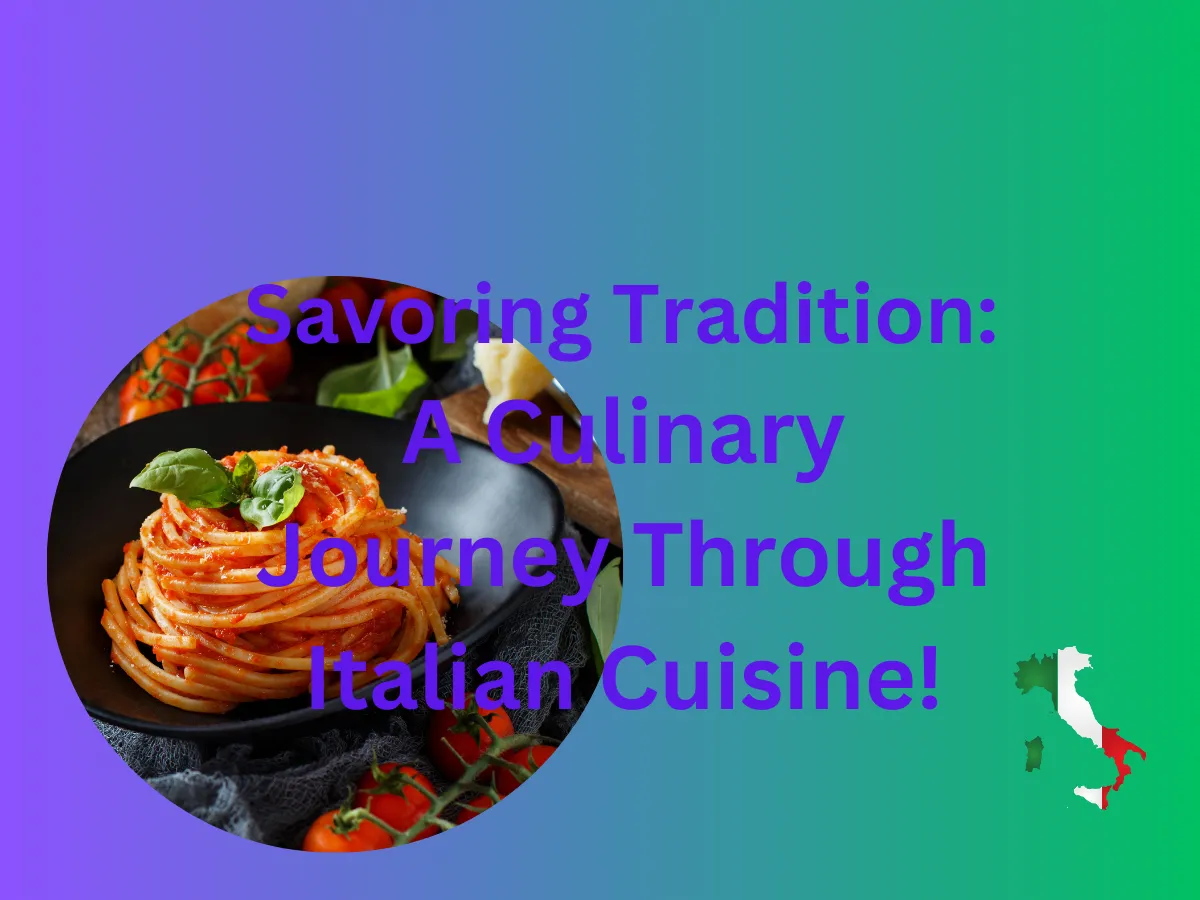
Italian cuisine is renowned worldwide for its delicious flavors and simple yet satisfying dishes. From Naples’ rich tomato sauces to Tuscany’s delicate pasta dishes, Italian food celebrates fresh ingredients and culinary traditions. If you love food and desire to explore the world of Italian cooking, then this article is for you.
- Italian Cuisine: A Celebration of Simplicity, Regional Flavors & Tradition
- 🇮🇹 What Makes Italian Cuisine Unique? 🍝
- Italian Wine Varieties & Pairing Principles
- The Cultural Significance of Italian Meals
- A Culinary Journey Through Italy
-
Frequently Asked Questions About Italian Food Culture
- What is the typical structure of an Italian meal?
- Why is family so important in Italian food culture?
- What are the golden rules of Italian dining etiquette?
- What is the Mediterranean Diet and how is it connected to Italy?
- Why is regional diversity so important in Italian cooking?
- What is "Aperitivo" and how do Italians enjoy it?
- Where to Eat in Italy: A Regional Bucket List
By the end of this article, you will better understand what makes Italian cuisine so unique and be inspired to try your hand at creating some authentic Italian dishes in your kitchen.
So, whether you’re a seasoned cook looking to expand your culinary repertoire or a beginner eager to learn the basics of Italian cooking, get ready to embark on a flavorful journey through the heart of Italy. Let’s discover the beauty and simplicity of Italian cuisine together.
Italian Cuisine: A Celebration of Simplicity, Regional Flavors & Tradition
Dive into the captivating world of Italian cuisine, a gastronomic paradise known for emphasizing simple, high-quality ingredients and timeless recipes that produce a harmony of flavors that delight the senses.
🇮🇹 What Makes Italian Cuisine Unique? 🍝
🏛️ The Cornerstones of Italian Cuisine
Simplicity, quality, and tradition — the pillars of Italy's culinary heritage
Fresh Ingredients
The Soul of Every Dish
Tomatoes, basil, zucchini, and eggplant
Prosciutto, mozzarella, Parmesan, and seafood
Pasta, risotto, and polenta
Quality Over Quantity
Italian cuisine proves that less is more. By using a handful of premium, fresh ingredients, each dish achieves a perfect balance of flavors that speaks for itself.
Centuries of Tradition
Recipes passed down through generations, regional pride, and a deep respect for culinary heritage make Italian food beloved worldwide.
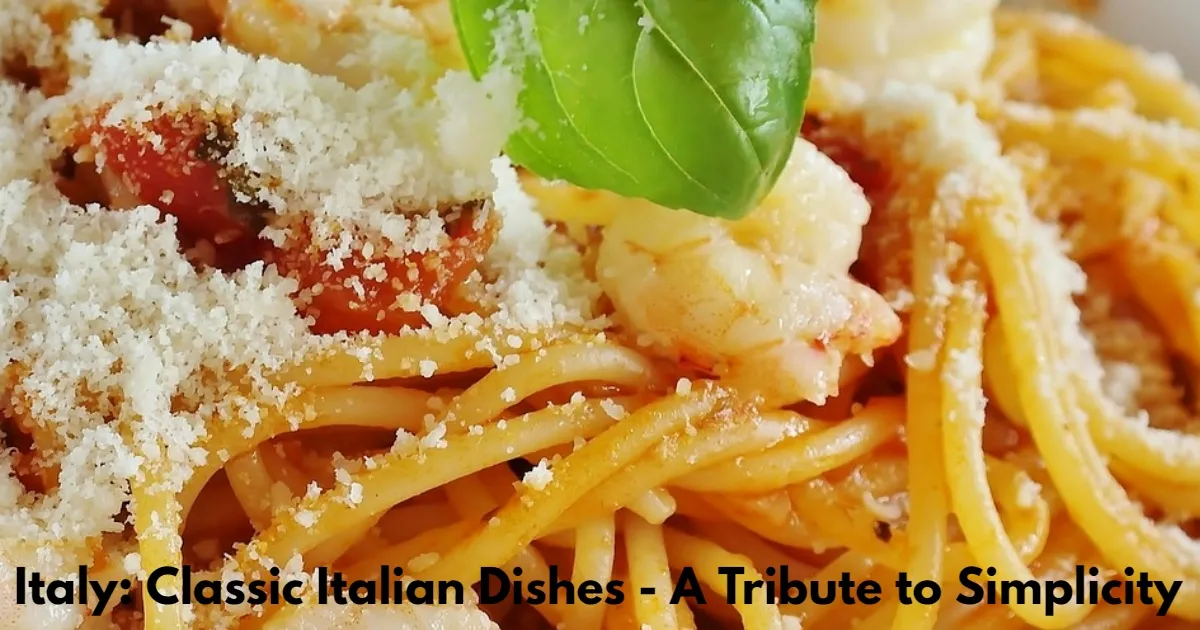
🍝 Classic Italian Dishes: Celebrating Simplicity
Italian cuisine is beloved worldwide for its emphasis on simplicity and fresh, high-quality ingredients. Classic Italian dishes showcase the essence of this culinary tradition by allowing each component to shine, resulting in a symphony of flavors that delight the senses.
🍝 Pasta: The Quintessential Italian Staple
Bolognese
Slow-cooked meat sauce with tomatoes, onions, and aromatic herbs. The pride of Emilia-Romagna.
Pesto
Fresh basil, pine nuts, garlic, Parmesan, and olive oil create a vibrant, fragrant sauce from Liguria.
🍕 Pizza: The Art of Simplicity
Margherita
A timeless classic with tomato sauce, mozzarella, basil, and a drizzle of olive oil. The colors of the Italian flag.
Marinara
A light and flavorful option with tomato sauce, garlic, oregano, and olive oil. The original Neapolitan pizza.
Quattro Stagioni
A celebration of Italy's diverse ingredients featuring artichokes, mushrooms, olives, and prosciutto.
🍨🍰 Desserts: Sweet Simplicity
Italian desserts are a sweet conclusion to any meal. Let's explore some classic favorites:
Tiramisu
Coffee-soaked ladyfingers layered with mascarpone cheese and cocoa powder. A delightful balance of creamy and coffee flavors.
Cannoli
Crisp pastry tubes filled with sweet ricotta cheese, often adorned with candied fruits or chocolate chips. Sicily's pride.
Panna Cotta
Creamy, custard-like dessert flavored with vanilla and set with gelatin. Often served with berry compote or caramel sauce.
Gelato
Italian ice cream famous for its dense, rich texture and intense flavors. Classics like stracciatella and pistachio are must-tries.
The charm of classic Italian dishes lies in their simplicity and the use of fresh, quality ingredients that harmonize to create unforgettable flavors. Whether indulging in a comforting plate of pasta, savoring a slice of pizza, or enjoying a sweet treat, these timeless dishes truly celebrate Italian culinary heritage.

Italian Wine Varieties & Pairing Principles
Wine is an integral part of Italian culture — where passion meets tradition
Italian Wine Variety
Italy is home to a vast array of wine varieties, each with its unique characteristics. From the robust reds of Tuscany like Chianti and Brunello di Montalcino to the elegant Barolo from Piedmont, there's a wine for every palate.
Pairing Principles
Italian wine pairing is based on enhancing flavors. The rule of thumb is that local wines often pair best with regional dishes.
Regional Pairings
Rich Barolo pairs perfectly with the region's famous truffle dishes.
Nero d'Avola paired with arancini, the beloved Sicilian street food.
Dessert Wines
Don't forget dessert wines like Moscato d'Asti or Vin Santo, which are perfect for enjoying traditional Italian desserts.
The Cultural Significance of Italian Meals
Italian cuisine goes beyond just food — it's deeply intertwined with culture, family, and tradition
Family & Gathering
Italians cherish the act of coming together to share a meal. The phrase "la famiglia" carries immense weight, emphasizing the importance of family in Italian culture. Meals are a time for bonding, laughter, and love.
Festivals & Celebrations
Italian cuisine is at the heart of celebrations. From Christmas Eve's Feast of the Seven Fishes to Easter's lamb dishes, traditional recipes mark special occasions.
Historical Influences
Italy's culinary heritage has been shaped by a rich history of trade, conquest, and immigration. You can see influences from the Romans, Greeks, Arabs, and Normans in various dishes.
Art & Creativity
Italian cuisine is a form of art. The meticulous preparation of dishes, from handmade pasta to intricate pastries, showcases Italians' dedication to their craft.
Explore Italy's wine regions: Tuscany, Piedmont, Veneto, Sicily — each with its own signature wines and food pairings.
Italian cuisine is known for its regional diversity, with each area boasting a unique culinary identity. The rich tapestry of flavors found across Italy reflects the country's varied landscape, climate, and history, offering a treasure trove of tastes for food enthusiasts to explore.
A Culinary Journey Through Italy
From the hearty Alps to the sun-drenched Mediterranean — explore Italy's rich regional diversity
Northern Italy
Rich & Hearty
Lombardy
Renowned for its creamy risottos and polenta dishes, often enriched with butter and cheese. The region's rice paddies produce the finest Arborio and Carnaroli rice.
Piedmont
Famous for its white truffles and rich meat dishes like Brasato al Barolo — beef braised in the region's iconic Barolo wine.
Veneto
Known for seafood and rice dishes, including Risotto al Nero di Seppia — a striking black risotto made with cuttlefish ink.
Central Italy
Flavorful & Robust
Tuscany
Celebrated for its rustic, earthy cuisine — fresh pasta, grilled meats (bistecca alla fiorentina), and hearty bean dishes like ribollita.
Emilia-Romagna
Home to Bologna, the birthplace of Bolognese sauce, and the renowned Parmigiano-Reggiano cheese. Italy's culinary heart.
Umbria
Famed for its high-quality olive oil, truffles, and hearty meat dishes like porchetta — succulent roasted pork.
Southern Italy
Sun-Kissed & Vibrant
Campania
Home to Naples, the origin of pizza, and an abundance of fresh vegetables and seafood from the Amalfi Coast.
Puglia
Known for its olive oil production and handmade pasta, such as orecchiette — the region's signature ear-shaped pasta.
Sicily
Influenced by diverse cultures (Greek, Arab, Norman), its cuisine features seafood, citrus fruits, and North African spices like saffron and cumin.
Rich & Hearty
Flavorful & Robust
Sun-Kissed & Vibrant
Italy's regional diversity is a culinary adventure that spans the length of the country, showcasing a rich array of flavors and traditions. From the hearty fare of the north to the sun-kissed delights of the south, each region offers a unique gastronomic experience that captures the essence of Italy's culinary heritage.
Embrace the enchanting essence of Italian cuisine — a celebration of simplicity and the finest ingredients.
Frequently Asked Questions About Italian Food Culture
From meal structure to dining etiquette — everything you need to know
What is the typical structure of an Italian meal?
A traditional Italian meal consists of multiple courses: antipasto (appetizer), primo (pasta or risotto), secondo (meat or fish), contorno (side dish), dolce (dessert), and caffè (espresso). However, everyday meals are much simpler—often just a primo or secondo with contorno.
Why is family so important in Italian food culture?
In Italy, the phrase "la famiglia" carries deep meaning. Meals are sacred family time—a moment to connect, share stories, and celebrate together. Sunday lunches often last for hours, with multiple generations gathered around the table. Food is the language of love in Italian households.
What are the golden rules of Italian dining etiquette?
Never ask for cappuccino after 11 AM (it's a breakfast drink). Don't add cheese to seafood pasta. Eat with your fork in your left hand, knife in right. No parmesan on pizza or pasta with fish. And most importantly—don't rush. Italians savor their meals.
What is the Mediterranean Diet and how is it connected to Italy?
The Mediterranean Diet, recognized by UNESCO as an Intangible Cultural Heritage, is rooted in traditional Italian eating habits: abundant olive oil, fresh vegetables, legumes, whole grains, fish, and moderate wine. It's celebrated worldwide for promoting heart health and longevity.
Why is regional diversity so important in Italian cooking?
Italy was only unified in 1861, and regional identities remain strong. Each region developed its own cuisine based on local ingredients, climate, and historical influences. Northern Italy favors butter, rice, and polenta; the South celebrates olive oil, tomatoes, and seafood—creating a remarkable culinary tapestry.
What is "Aperitivo" and how do Italians enjoy it?
Aperitivo is a cherished Italian ritual—a pre-dinner drink with light snacks, typically enjoyed between 6-8 PM. Popular drinks include Aperol Spritz, Negroni, or Prosecco, accompanied by olives, nuts, cheeses, and small bites. It's a time to unwind and socialize before dinner.
Where to Eat in Italy:
A Regional Bucket List
Planning a trip to Italy? Here's where to find the best regional specialties:
The birthplace of pizza. Visit L'Antica Pizzeria da Michele for a classic Margherita.
The food capital. Try authentic tortellini in brodo and visit a Parmigiano-Reggiano producer.
Savor bistecca alla fiorentina (Florentine steak) and rustic ribollita soup.
Explore street food culture—arancini, panelle, and cannoli.
Ready to taste Italy?
Save this bucket list for your next adventure!
📌 Pin this guide for your next Italian adventure! Which region would you visit first? Share below!



April 13, 2026 at 5:08 amYou can definitely see your skills in the work you write. The world hopes for even more passionate writers like you who aren’t afraid to say how they believe. Always go after your heart.
April 14, 2026 at 12:22 pmyou have an excellent weblog here! would you wish to make some invite posts on my weblog?
April 14, 2026 at 1:46 pmThanks, Classie
It is a pleasure to share info with others.
April 26, 2026 at 1:49 pmMagnificent web site. A lot of useful info here. I am sending it to a few pals ans additionally sharing in delicious. And obviously, thanks for your effort!