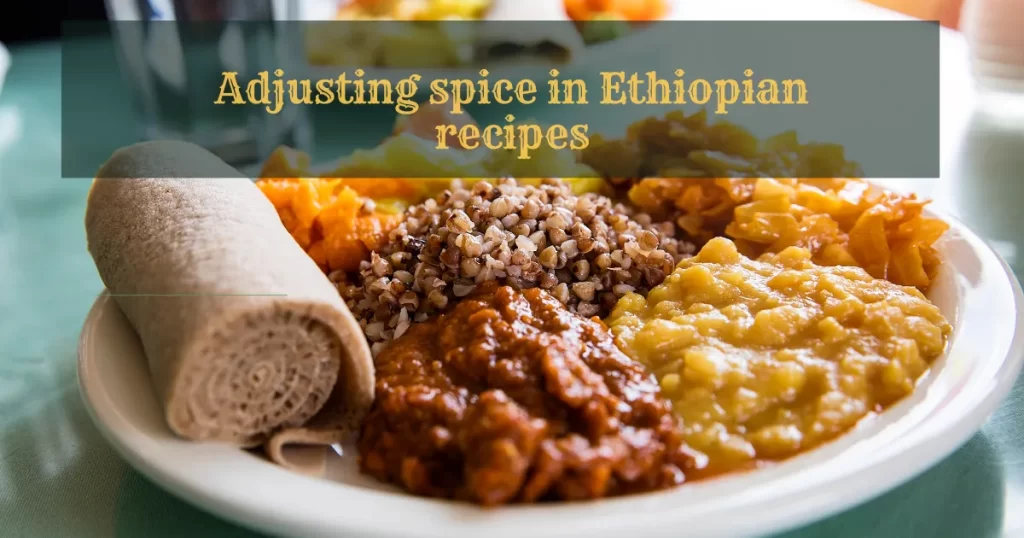
Ethiopian spices: If you think Ethiopian food is all about spice and heat, think again! While it’s true that Ethiopian cuisine is known for its bold flavors and aromatic herbs, there are plenty of mild options available for those who prefer a less fiery experience.  
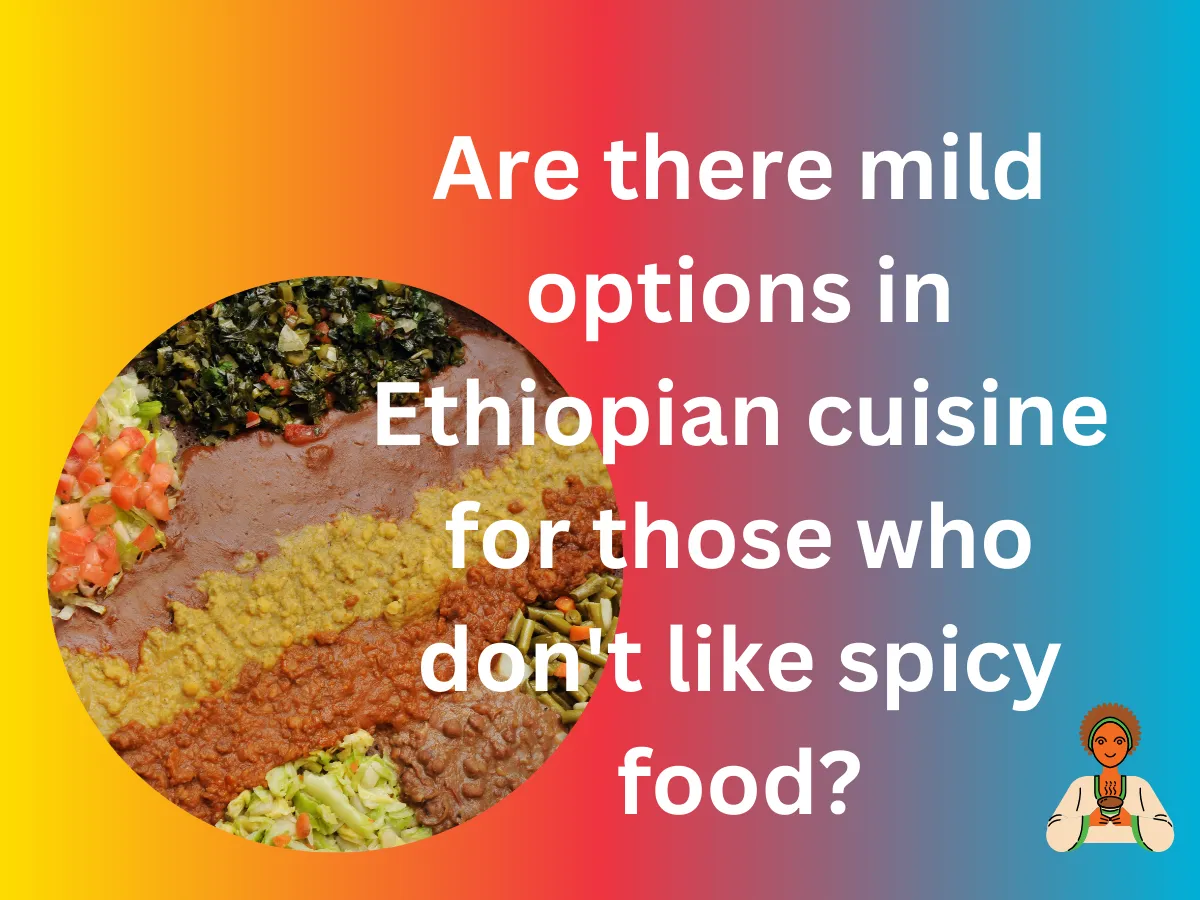
Whether you have a low tolerance for spice or prefer milder flavors, Ethiopian cuisine has something to offer everyone.
In this article, we will explore the world of mild Ethiopian food and highlight some of the best options for those looking to enjoy the rich flavors of Ethiopian cuisine without the overwhelming heat. 
From delicious vegetarian dishes to mouthwatering meat-based dishes, plenty of mild Ethiopian food options will satisfy your taste buds.
 
One of the defining characteristics of Ethiopian food is its potent blend of spices, which create a symphony of flavors in each bite. Experience the warmth of berbere, a fiery spice blend made from chili peppers, paprika, and a medley of fragrant spices. Indulge in the aromatic goodness of mitmita, a potent chili powder that adds depth and intensity to any dish.
 

Whether you’re an adventurous foodie or simply seeking a new culinary experience, Ethiopian cuisine offers a world of flavors that will leave a lasting impression. 

Is Ethiopian Food Spicy?

Ethiopian cuisine is renowned for its bold and complex flavors, primarily derived from a unique blend of spices. Here are some of the most common spices used in Ethiopian cooking:

Ethiopian Spices:

  • Berbere is perhaps the most iconic Ethiopian spice blend. It is composed of a variety of chili peppers, paprika, fenugreek, ginger, garlic, and other spices. It provides a fiery kick and a deep, complex flavor to dishes.
  • Korerima (Black Cardamom): This spice adds a smoky, slightly sweet flavor to stews and curries. It’s distinct from green cardamom, often used in desserts and teas.
  • Koseret: This unique Ethiopian spice blend includes fenugreek seeds, rosemary, garlic, cumin, cloves, and cinnamon. It adds a warm, earthy flavor to dishes.
  • Mitmita is a chili pepper powder that can vary in heat from mild to fiery hot. It’s often used to add a spicy kick to dishes.
  • Ruwo: This spice blend includes fenugreek seeds, ginger, and other spices. It’s often used to flavor lentils and other vegetarian dishes.

Ethiopian Spices and ingredients used in Ethiopian cooking

Ethiopian cuisine relies heavily on spices and aromatic herbs to create distinctive flavors. The most common spice blends used in Ethiopian cooking are berbere and mitmita. Berbere, as mentioned earlier, is a fiery blend of spices that adds heat to dishes, while mitmita is a spicy chili powder that adds depth and intensity.

In addition to spices, Ethiopian cuisine also incorporates a range of unique ingredients such as teff, a tiny grain used to make the fermented bread injera, and niter kibbeh, a spiced clarified butter that enhances the flavors of many dishes. Combining these ingredients and spices creates a symphony of flavors that is truly unique to Ethiopian cuisine.


Ethiopian spices,  food culture, and dining etiquette

Ethiopian food is not just about the flavors, cultural experience, and communal dining. In Ethiopian culture, dining is a social event where friends and family gather around a large communal tray called a mesob. The mesob is typically filled with injera and various dishes, encouraging everyone to eat together and share the experience.

When dining in Ethiopian style, it is customary to eat with your hands. Injera is a utensil; small pieces are ripped off to scoop up stews and salads. This traditional way of eating adds to the sensory experience and creates a sense of connection with the food and the culture.

⬤ Click on any section to expand and learn more

🍽️ How to Eat Like an Ethiopian: A Step-by-Step Guide

In Ethiopia, eating is not just about nourishment—it’s a ritual of connection. Meals are shared from a single large platter, hands become utensils, and injera serves as plate, spoon, and bread all in one. Whether you’re dining at an Ethiopian restaurant or hosting your own mesob night, here’s how to eat like a local.

🧺 The Setup: The Mesob

A traditional Ethiopian meal is served on a mesob—a large, woven straw tray that sits at the center of the table. The mesob is lined with injera (the spongy, sourdough flatbread made from teff flour), and the various stews (wats) and salads are arranged on top. Everyone gathers around, sharing directly from the tray.


✋ Step-by-Step: Eating with Your Hands

Step 1: Wash Your Hands
Before sitting down, it’s customary to wash your hands—often a basin and pitcher are brought to the table. Eating with your hands is integral to the experience, so clean hands are essential.

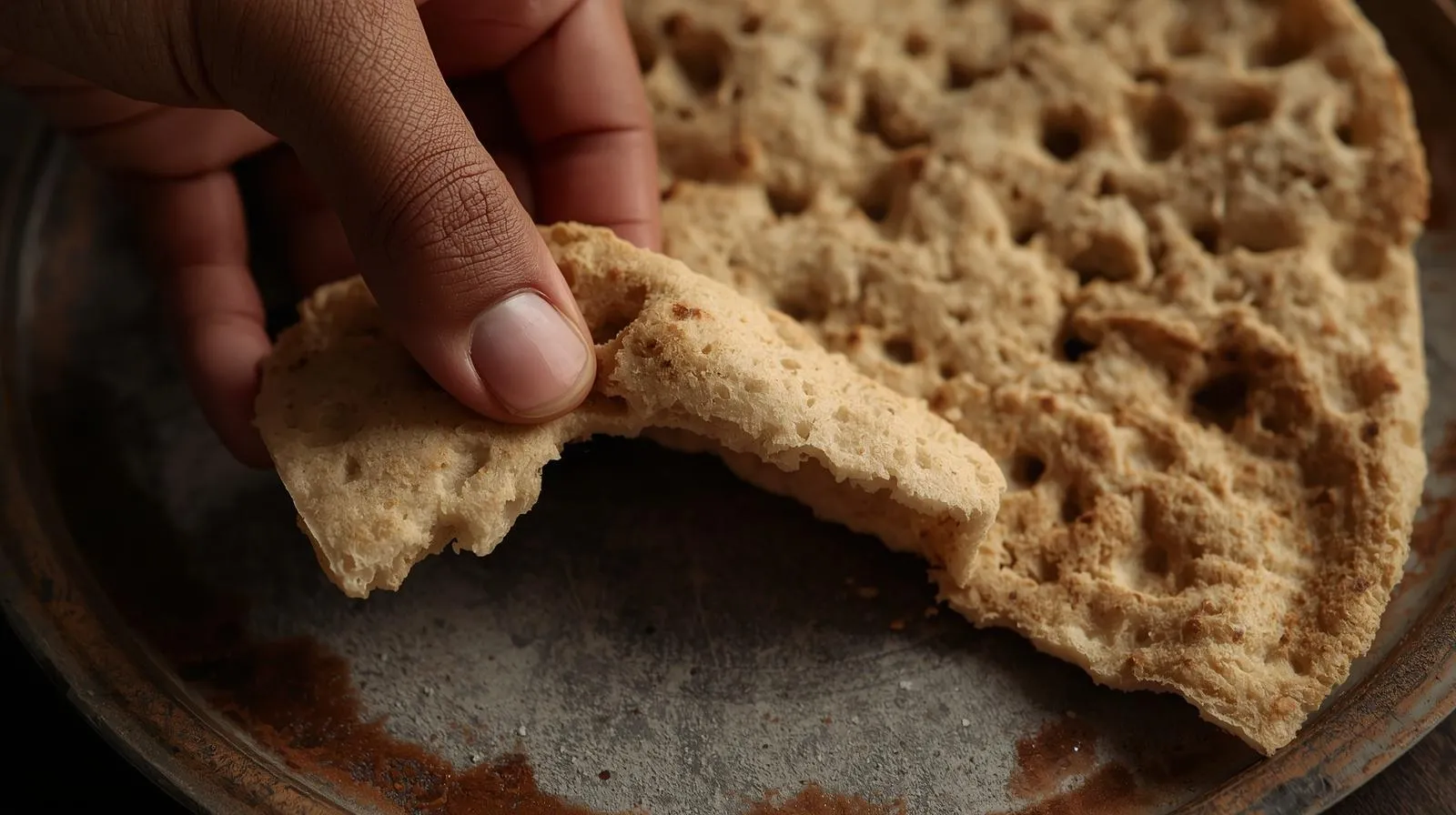
Step 2: Tear a Piece of Injera
With your right hand (traditionally, the left hand is considered less clean), tear off a manageable piece of injera, roughly the size of a small tortilla or palm-sized square.
ethiopian spices

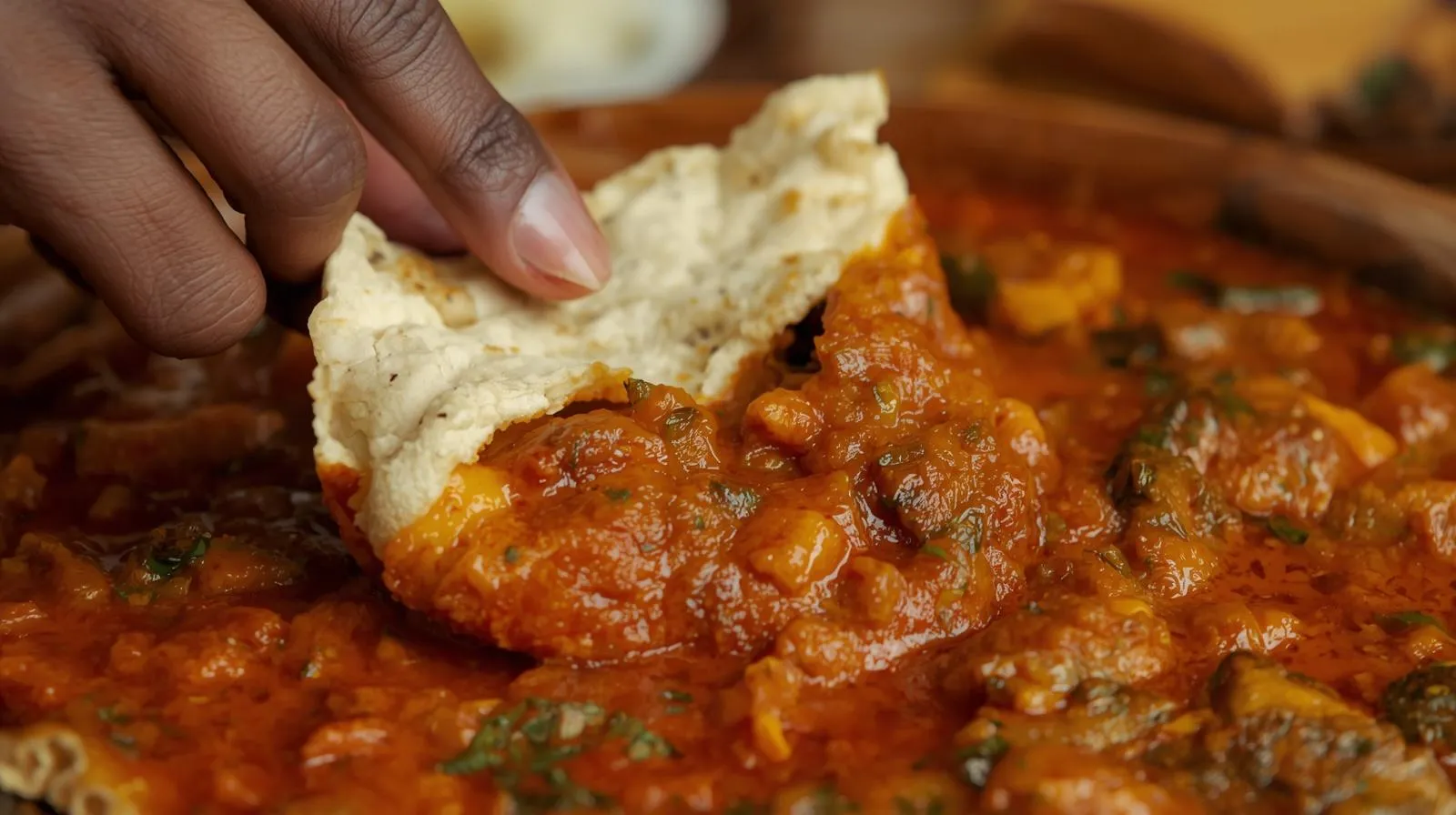
Step 3: Scoop the Stew
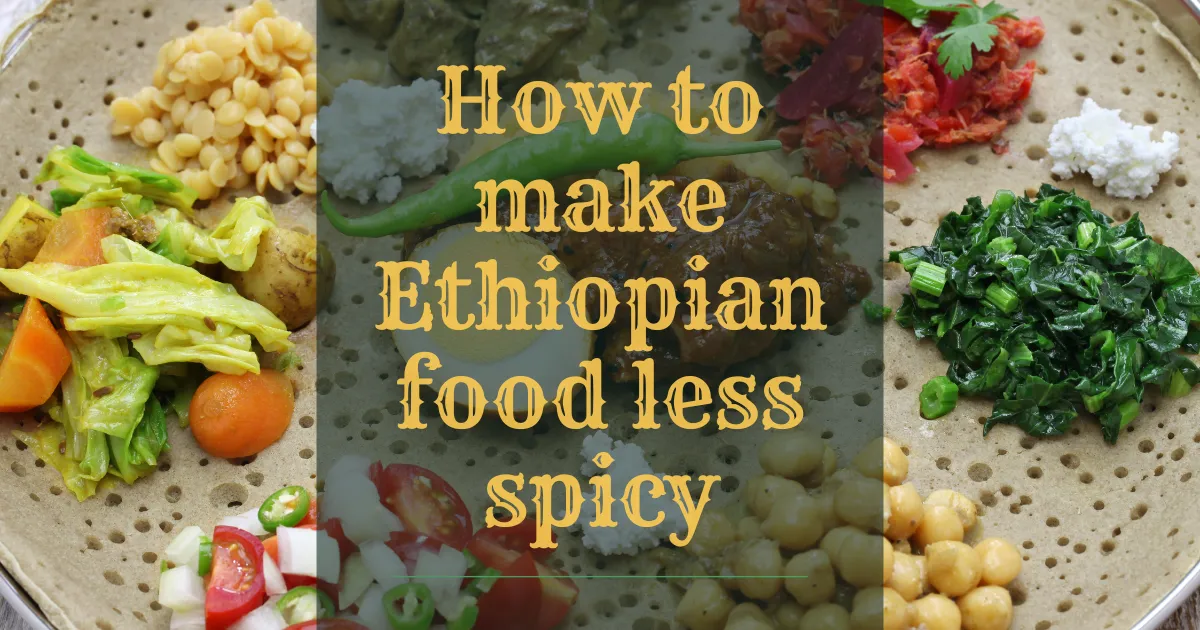
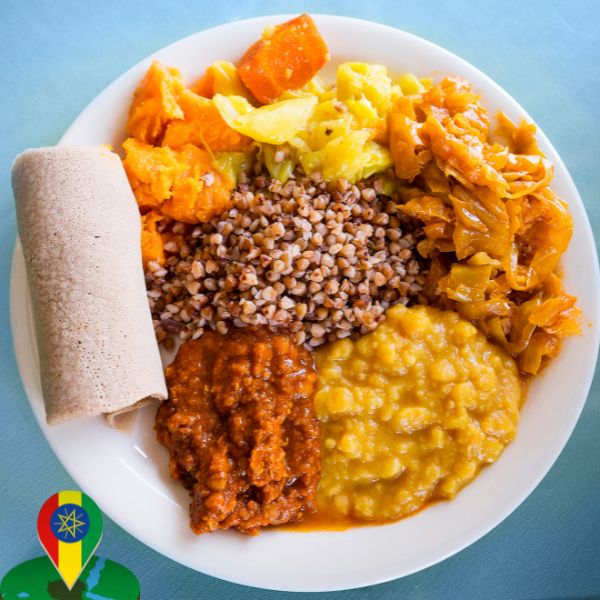
Use your piece of injera to scoop up a stew or salad. Pinch the injera around the food, much like using a small, edible cloth. Common dishes to try:

  • Doro Wat (spicy chicken stew)
  • Misir Wat (red lentil stew)
  • Gomen (collard greens)
  • Ayibe (mild, crumbly cheese)

Pro tip: Start with a stew near the edge of the platter—it’s easier to reach and less likely to mix flavors unintentionally.
ethiopian spices

Step 4: Pop It in Your Mouth
Lift the bundle to your mouth in one smooth motion. There’s no need for additional utensils. The injera itself is meant to be eaten along with the stew, creating a balanced bite of sour, spicy, and savory flavors.

Step 5: Share, Don’t Stab
It’s important to never use your hands to reach across someone or stab directly into a shared dish. Instead, use your injera as your tool, taking from the portion of the platter closest to you. Ethiopians eat with a communal spirit—everyone eats from the same tray, but each person stays in their own “zone” unless offering food to another.
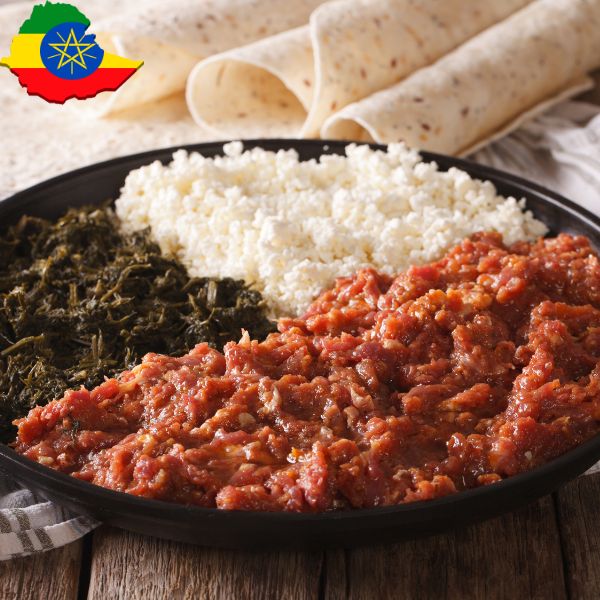
Conclusion:  Ethiopian Spices


Ethiopian food is a culinary revelation, offering a delightful blend of spices, flavors, and cultural traditions. Ethiopian spices:  From the fiery berbere spice blend to the spongy injera bread, each dish tells a story and invites you to embark on a gastronomic adventure.

Whether you’re a seasoned foodie or a curious beginner, exploring the diverse and delicious world of Ethiopian cuisine / Ethiopian species is an experience not to be missed. So, go ahead, find an authentic Ethiopian restaurant near you, and let your taste buds be transported to the vibrant and flavorful land of Ethiopia.