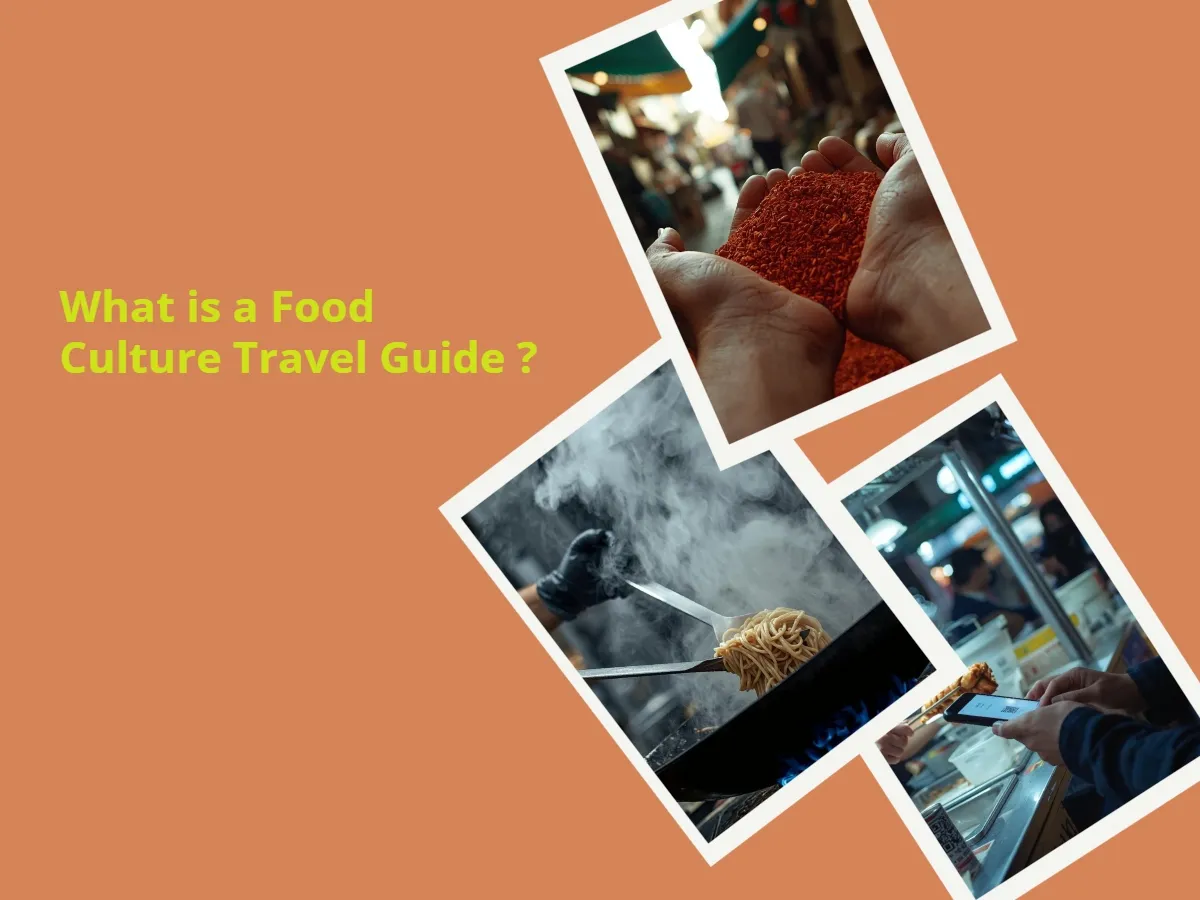
Food Culture Travel Guide – In the fast-evolving landscape of global tourism, 2026 has officially been minted as the Year of the Culinary Explorer. We are witnessing a seismic shift in how we traverse the globe. The modern traveler is no longer satisfied with a “Top 10” checklist or a blur of architectural monuments. Instead, the world is being navigated through the senses—specifically, the palate.
As the global culinary tourism market surges toward a projected $1.8 trillion, travelers are moving away from generic luxury and toward “slow food” experiences that prioritize authenticity, sustainability, and deep cultural immersion. But how do you navigate this delicious new frontier without falling into the “aesthetic trap” of social media-ready tourist stops?
The answer lies in the Food Culture Travel Guide.
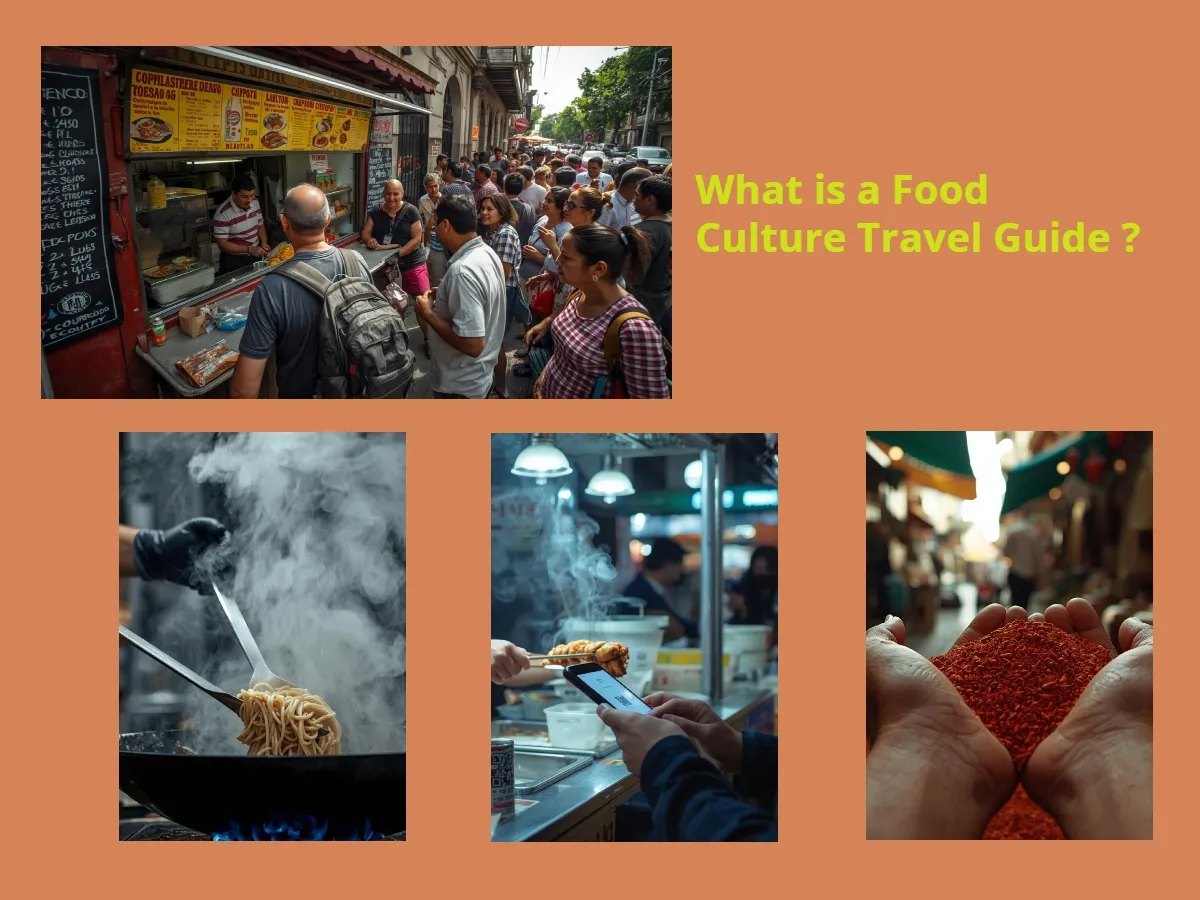
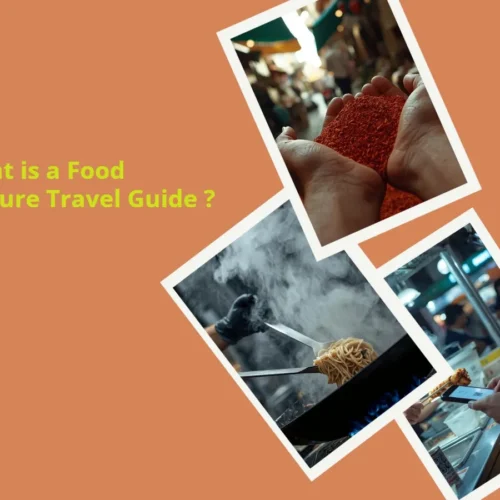
What is a Food Culture Travel Guide? (And Why You’re Missing Out Without One)
Food is far more than fuel; it is a vibrant intersection of gastronomy, history, and sociology. When you use culinary tourism as your compass, you aren’t just looking for a meal—you are seeking the soul of a destination.
The Three Pillars of a Food Culture Guide
A traditional guidebook tells you where to eat. A food culture guide tells you why you are eating it. It rests on three sturdy pillars:
Gastronomy: The technical art and sensory experience of preparing and tasting food.
History: The lineage of ingredients moved across the globe by trade, war, and migration.
Sociology: The communal rituals and social structures built around the shared table.
While “Best Restaurants” lists often highlight trendy spots with massive marketing budgets and high-polished plating, food culture travel guides focus on the narrative of the dish. They explain why a specific spice reached a coastal village in the 1600s or how a mountain community perfected the art of preserving cabbage through the harsh winters of 1920.
Beyond the Plate: The Emotional Connection of Flavor
The bridge between a comprehensive food culture travel guide and practical street food safety tips is the pursuit of “safe immersion.” To truly experience a destination’s soul, you must step off the beaten path, yet doing so requires a strategic approach to health. An authentic food culture travel guide doesn’t just list ingredients; it teaches you to read the environment, identifying the bustling stalls where high turnover ensures freshness.
By integrating specialized street food safety tips into your journey, you transform from a vulnerable tourist into a savvy culinary explorer. This synergy allows you to embrace the smoke of a night market or the sizzle of a roadside wok with total confidence, ensuring your global flavor hunt is defined by unforgettable memories rather than digestive setbacks.
Authentic Street Food Safety Tips in 2026
Navigating the vibrant world of street food is the highlight of any culinary journey, but in 2026, safety is about high-tech observation and age-old instincts. The primary rule remains the “High Turnover” principle: always choose stalls with a consistent queue of local residents. A long line ensures that ingredients aren’t sitting stagnant and are being replenished in real-time.
In the modern landscape, observe the vendor’s “Digital & Manual Hygiene.” With the rise of contactless payments, the best vendors never touch physical cash and food with the same hand. Furthermore, look for stalls where food is prepared at high heat—specifically exceeding 74°C (165°F) —as flash-frying or boiling kills most foodborne pathogens instantly.
Beyond the heat, utilize your 2026 Digital Toolkit. Use AI-translation apps to read local health rating stickers which are now common in many Asian and Latin American hubs. Finally, stick to the “Peel it or Boil it” rule for produce; if you can’t see the fruit being peeled in front of you, skip the raw salad and opt for the steaming bowl of noodles instead.
2026 Culinary Tourism Powerhouses
| Destination | Culinary Legacy | Signature Experience | 2026 Projected Growth |
|---|---|---|---|
| Georgia | 8,000-year winemaking tradition | Khachapuri & Qvevri Wine | +14.2% |
| Vietnam | Regional diversity (North vs. South) | Bún Bò Huế & Phở Heritage | +12.8% |
| Peru | Biodiversity & Nikkei Fusion | Ceviche & 3,800+ Potato Varieties | +15.1% |
| Japan | Mastery of Umami & Seasonal Washoku | Kaiseki & Regional Ramen Styles | +11.5% |
| Mexico | Ancestral Maize & Complex Moles | Oaxacan Mole & Street Tacos | +13.4% |
| Morocco | Aromatic Spices & Berbere Traditions | Lamb Tagine & Street-side Mint Tea | +10.9% |
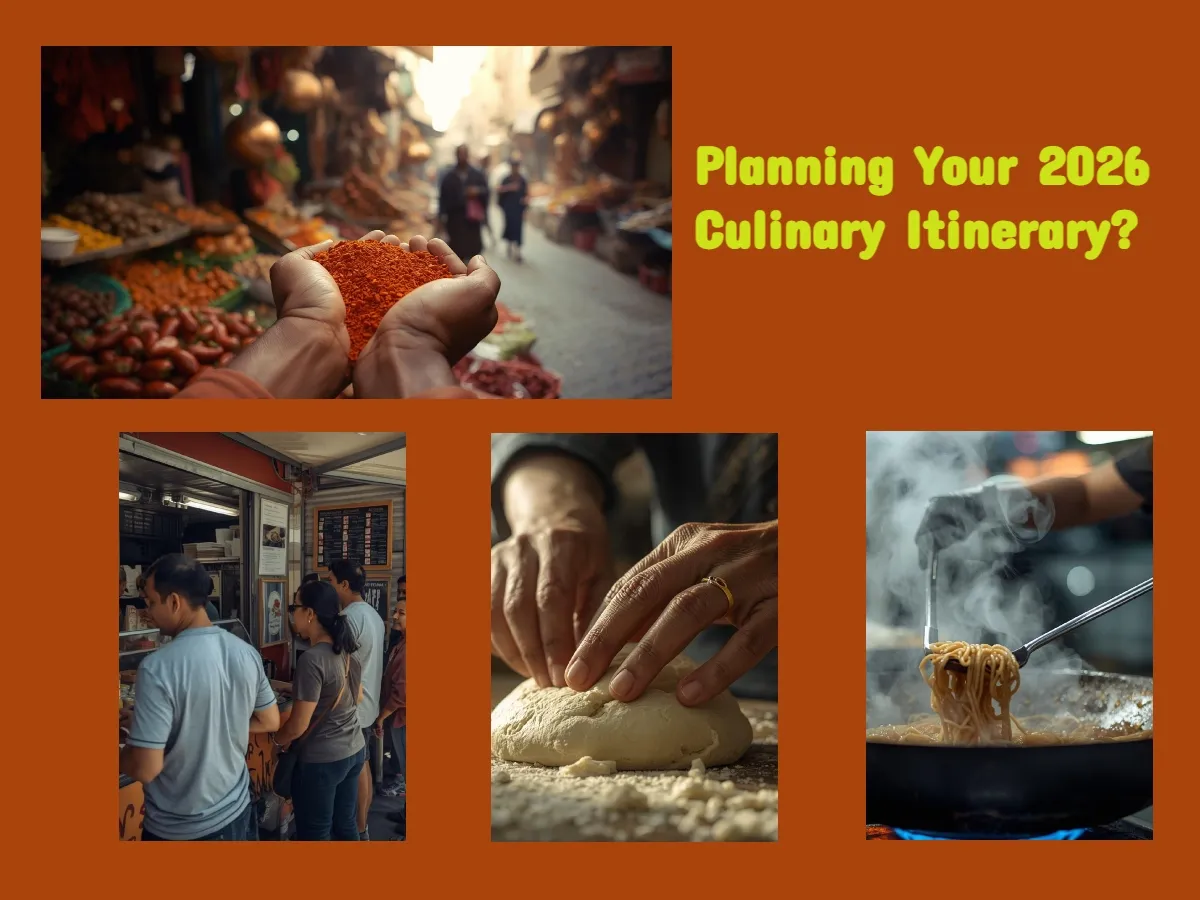
Planning Your 2026 Culinary Itinerary: The 5-Step Framework
Crafting a journey around flavor demands a strategy that honors the soul of a destination.
Research the “Mother Grain”: Identify the primary starch—is it Basmati rice in Northern India or sourdough in San Francisco? This foundation dictates the entire meal structure.
The High-Low Mix: Book one fine-dining seat to witness modern innovation and pair it with a legendary street stall to see living tradition.
The Market Test: Visit the wholesale hub (like Tokyo’s Toyosu) to identify seasonal markers like white truffles or Alphonso mangoes.
Join a Local Class: Learning the “how” behind a dish makes the “what” taste significantly better.
Schedule Digestive Days: Avoid palate fatigue. A 24-hour break from multi-course meals keeps your energy high for the rest of the adventure.
Conclusion: Food is the Only Passport with No Visa Required
The sizzle of a cast-iron pan in a rural village or the sharp scent of fresh lime hitting a Thai papaya salad are the moments that truly define travel. In 2026, let your hunger be your guide. Look beyond the printed menu, sit at the communal table, and listen to the stories told through ingredients.
Ready to start your next flavor adventure? Explore our latest Food Culture Travel Guides and join a community of over 50,000 global explorers who believe that every meal is an opportunity for discovery.