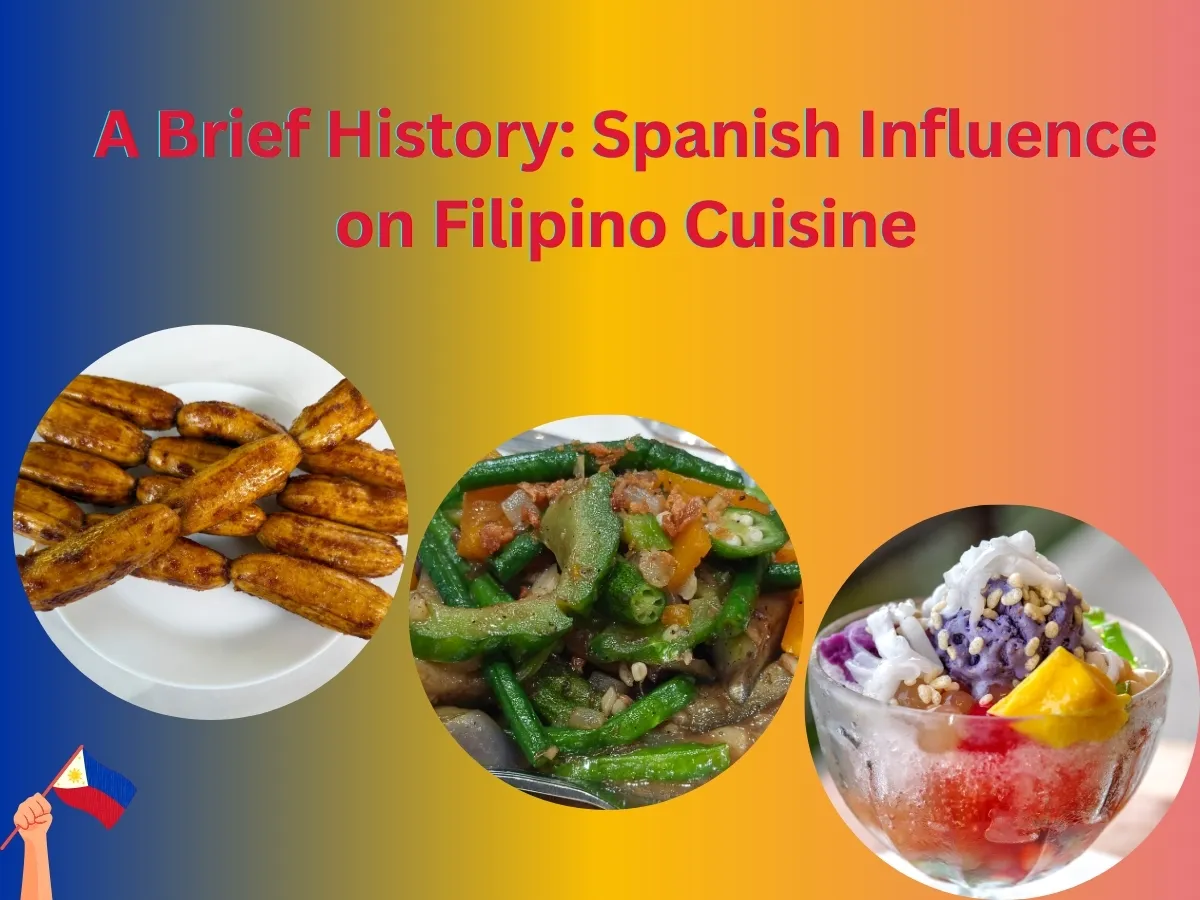
Filipino Food: The culinary landscape of the Philippines is a vibrant tapestry woven with flavors, ingredients, and techniques that bear the marks of its rich history. Among the many influences that have shaped Filipino cuisine, Spanish colonization is a profound force that introduced new culinary traditions, which have since become deeply integrated into the country’s gastronomic identity.

This fusion of cultures over the centuries has resulted in a unique culinary heritage reflecting Filipino society’s complexity and diversity.

A Brief History: Spanish Influence on Filipino Cuisine

Spanish colonization of the Philippines began in the late 16th century and lasted over 300 years. During this long period of colonization, they had significant cultural, social, and culinary influences from Spain on the archipelago.

The Spaniards introduced their food preferences, cooking techniques, and a variety of new ingredients to the local population. This melding of cultures enriched the Philippine culinary scene, creating a unique blend of Eastern and Western flavors.

Key Spanish Ingredients Incorporated into Filipino Cuisine – Filipino Food

Several ingredients introduced by the Spaniards have become staples in Filipino cooking. These include tomatoes, potatoes, onions, garlic, spices, and herbs like bay leaves and paprika. Spanish cuisine also introduced vinegar and soy sauce as bases for marinades and stews, which are now foundational to many Filipino dishes.

πŸ‡΅πŸ‡­ Filipino Culinary Heritage: The Spanish Influence

Explore the iconic dishes that blend traditional Filipino ingredients with centuries of Spanish culinary artistry.

Dish & OriginCulinary Story & AdaptationDish Gallery
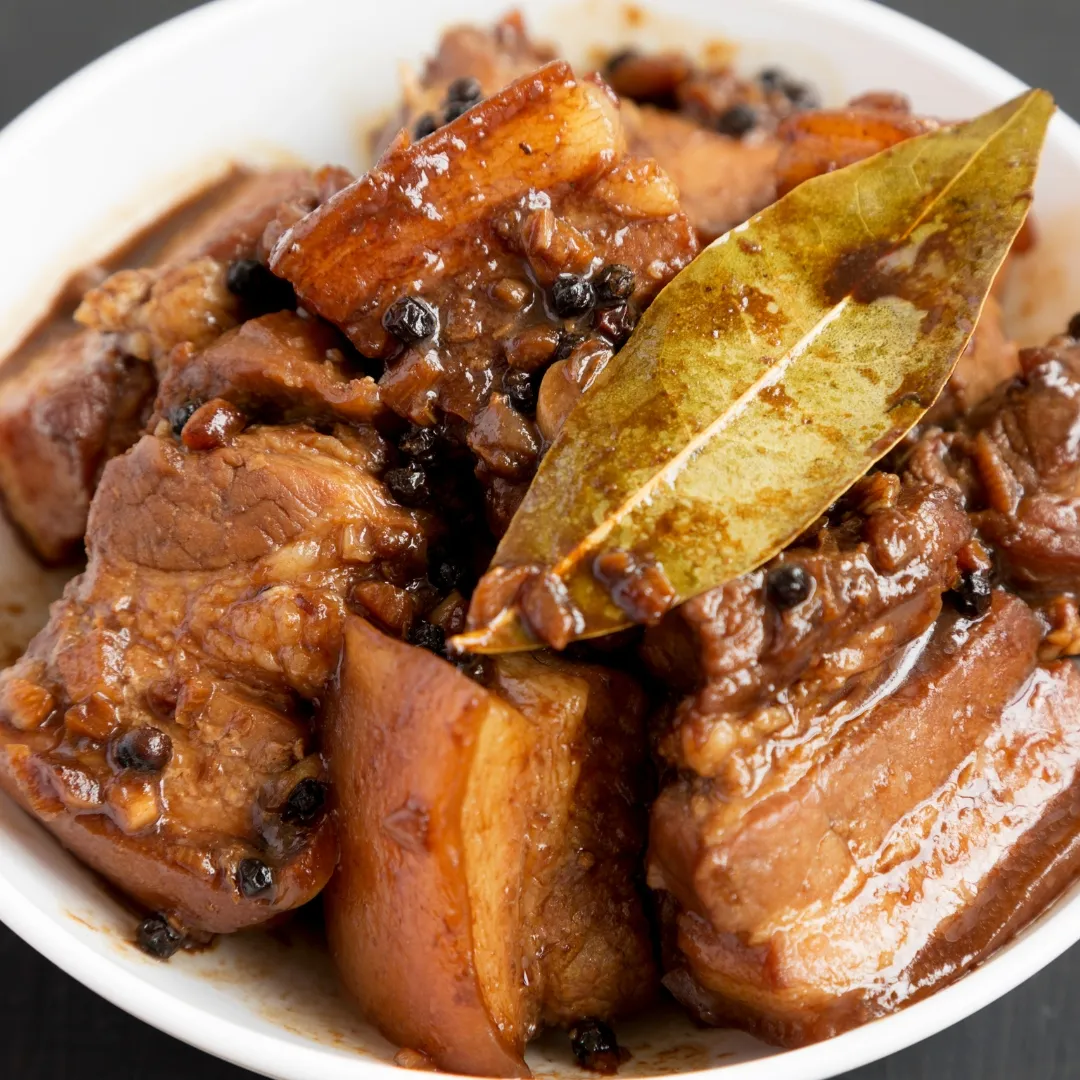
Adobo
From "Adobar" (to marinate)
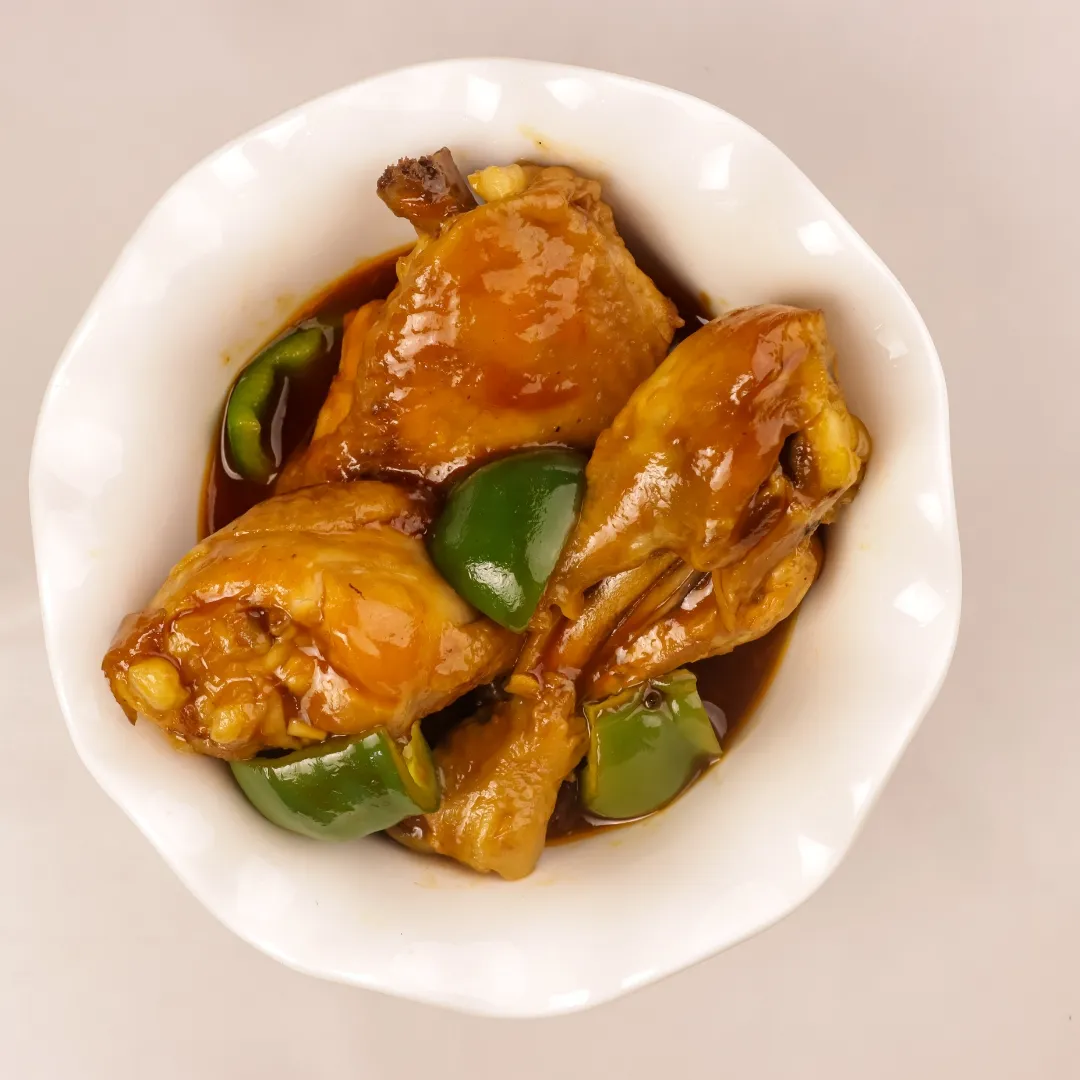
The most iconic stew made with meat marinated in vinegar, soy sauce, and garlic. The Spanish influence is seen in the use of vinegar as a preservative and the name itself.
Filipino Adobo
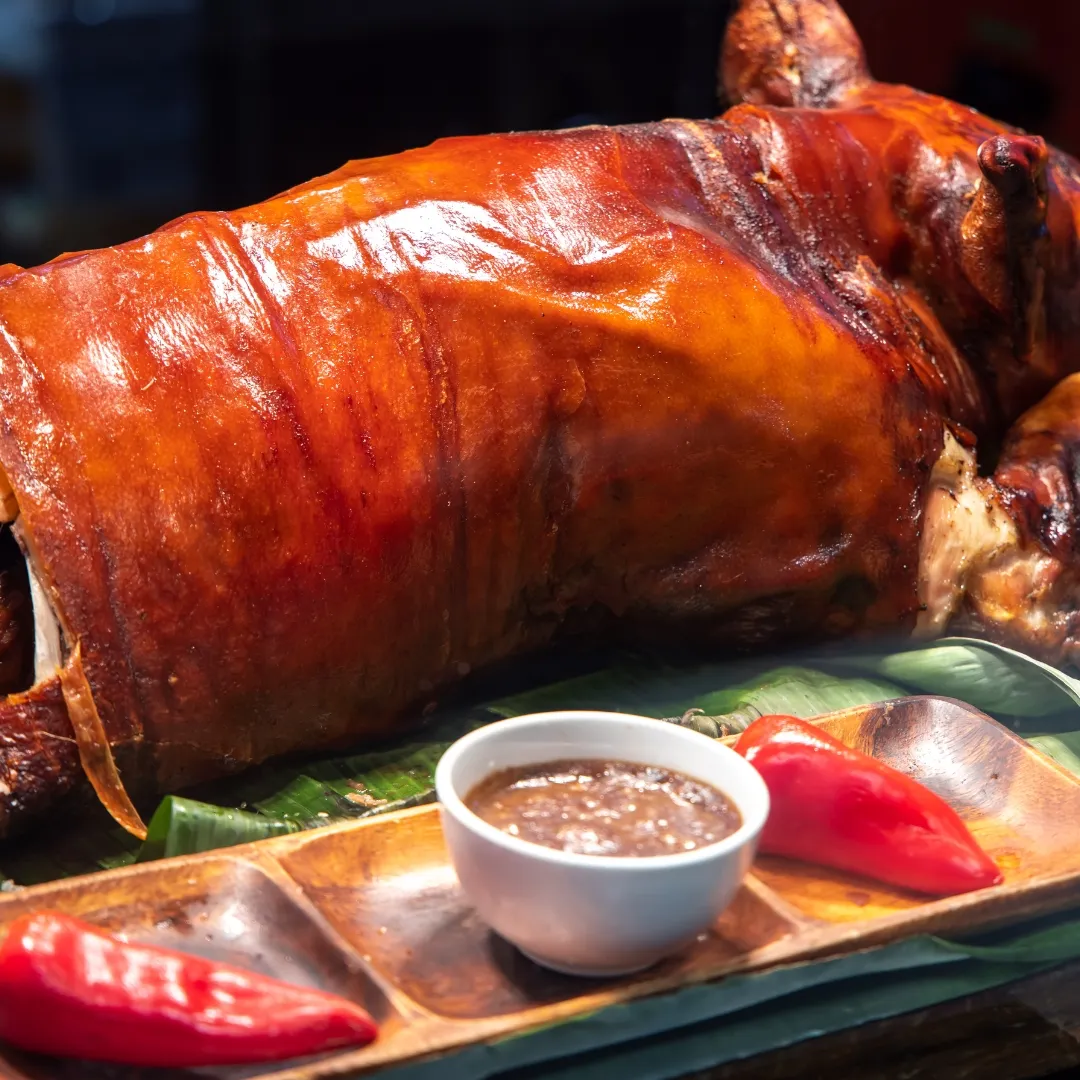
Lechon
Spanish Roasted Pig
Whole pig roasted over an open fire. Introduced by Spaniards, it has become synonymous with festive Filipino feasts, prized for its crispy skin and tender meat.
Filipino Lechon
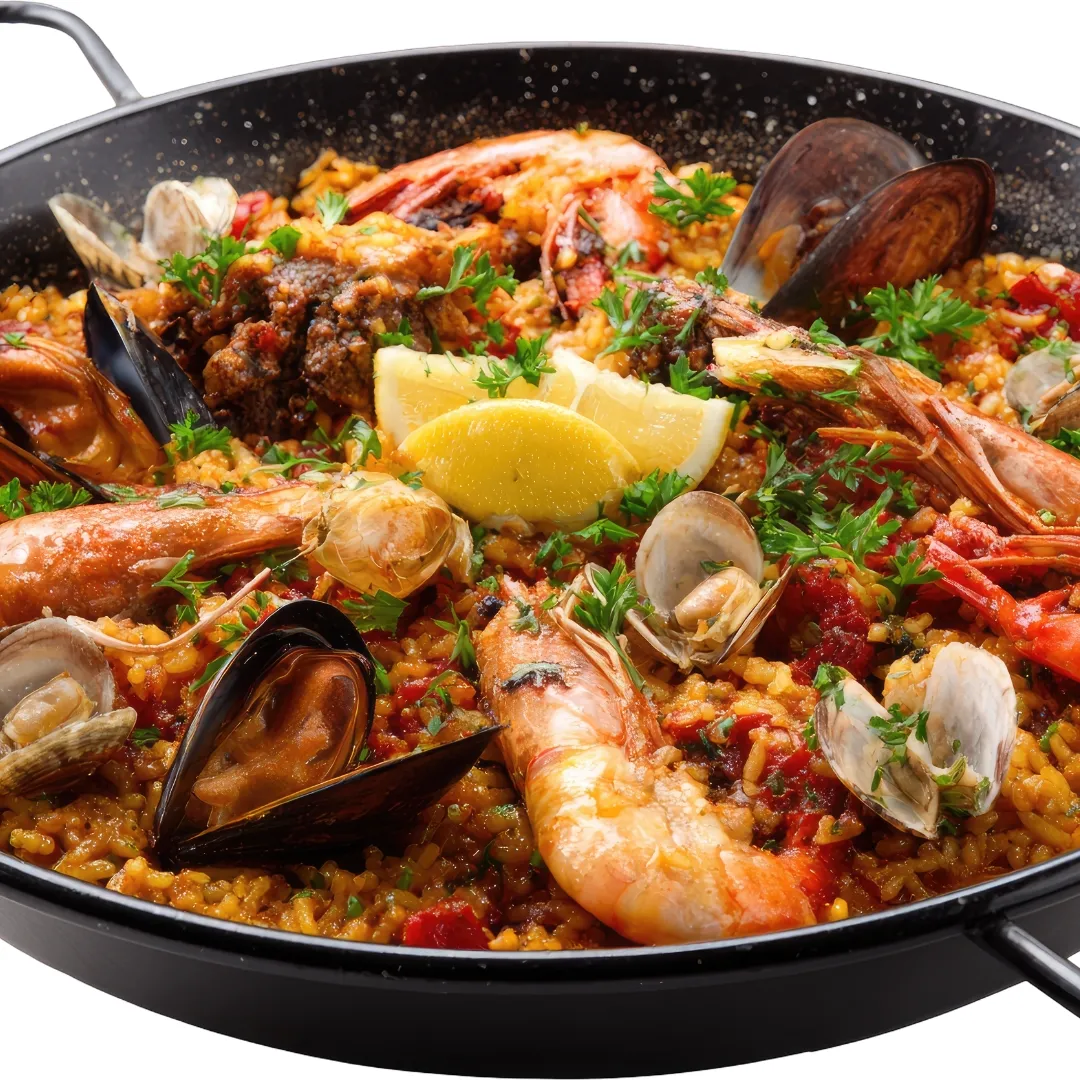
Paella Filipina
Arroz Valenciana
Adapts Spanish paella by using local malagkit (sticky rice) and coloring it with turmeric or annatto instead of saffron. A true testament to Filipino localized flavor.
Paella Filipina
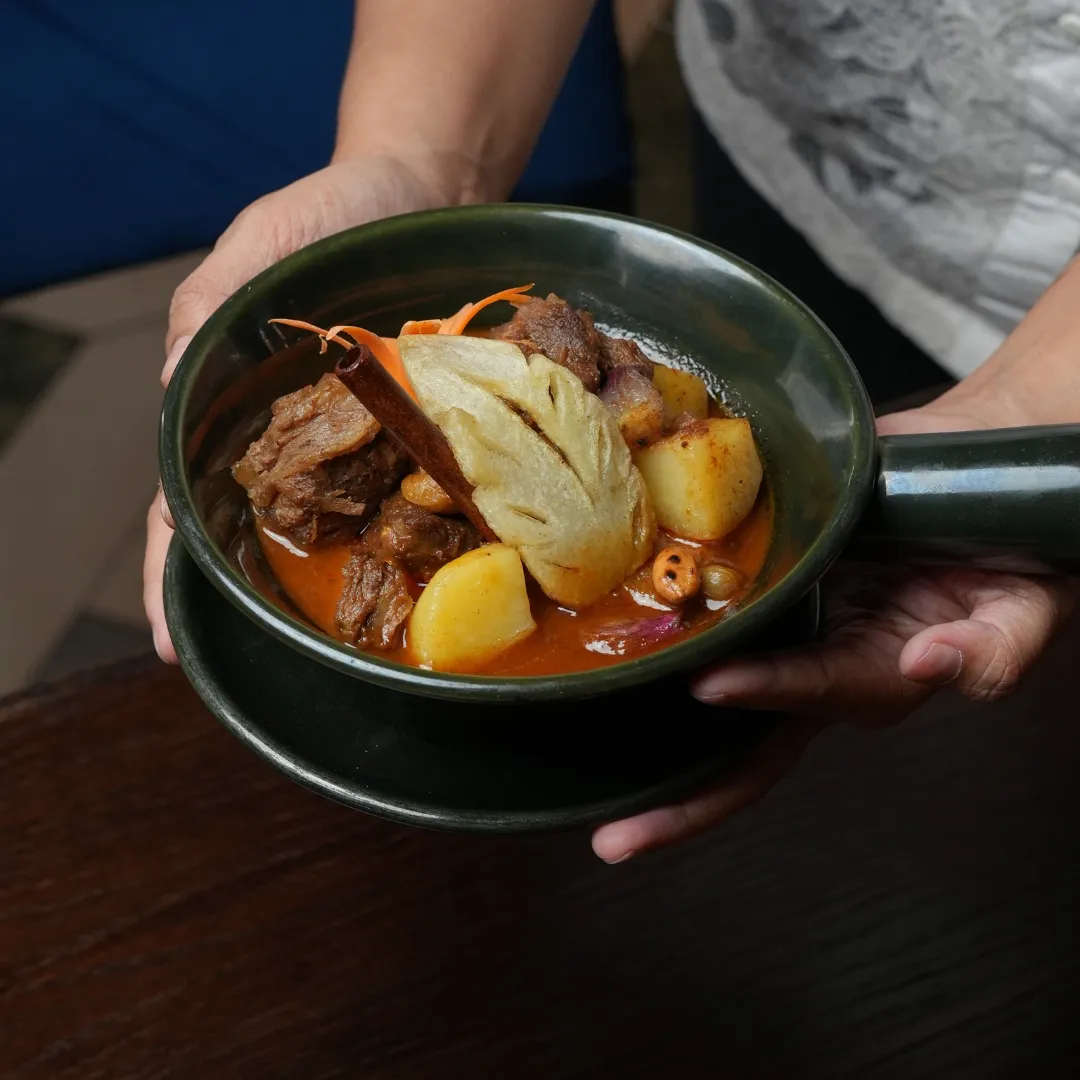
Caldereta
A robust tomato-based stew often featuring goat or beef, potatoes, and carrots. It is uniquely thickened with liver spread and spiced with chili peppers.
Caldereta
Mechado
From "Mecha" (wick)
Named after the traditional method of "larding" beef with pork fat wicks. It is stewed in tomato sauce with calamansi juice for a localized citrus tang.
Mechado
Sisig
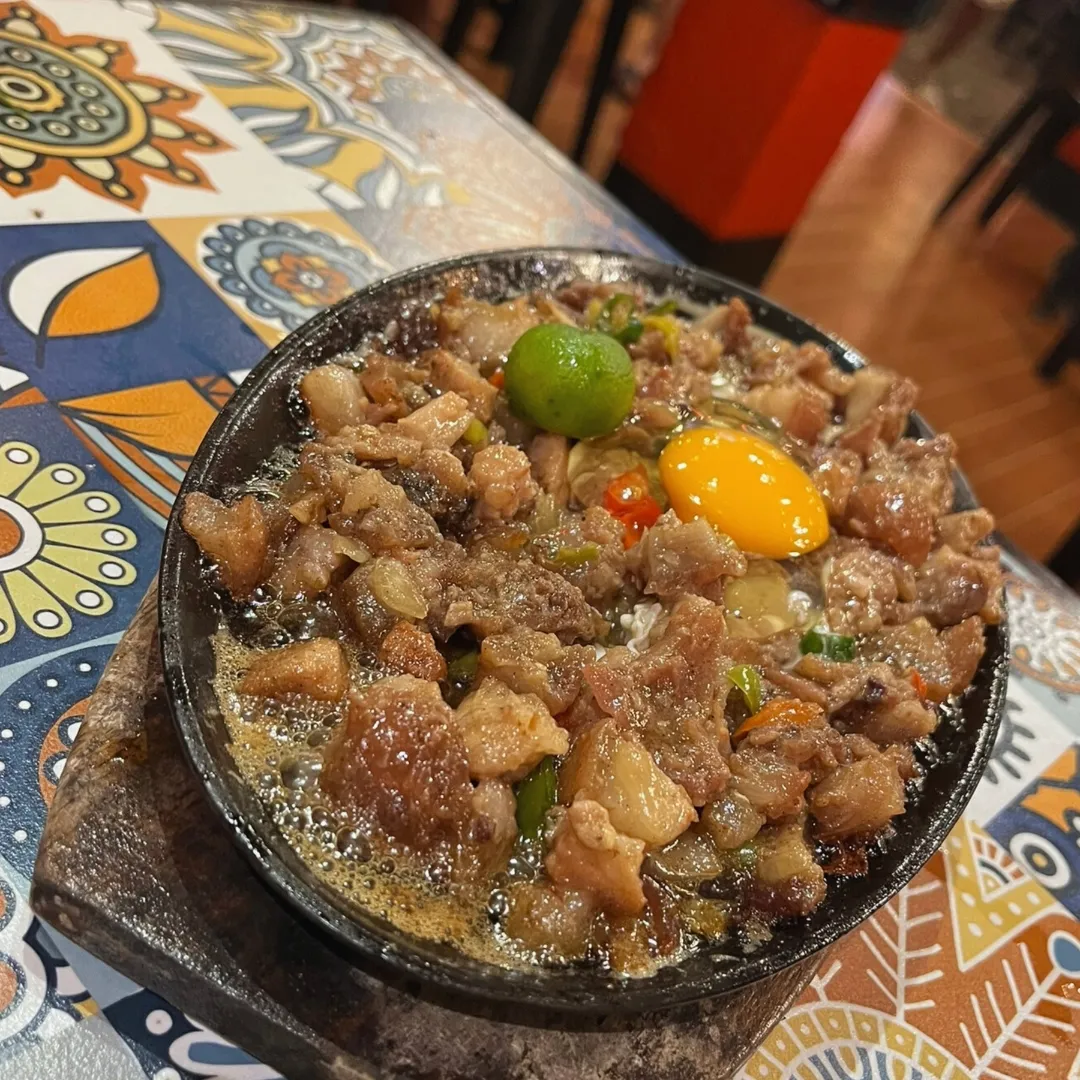
A savory, tangy dish of chopped grilled pork seasoned with vinegar and calamansi. Usually served on a sizzling platter as the ultimate communal food.
Sisig

Swipe horizontally to view full culinary details ↔️
πŸ”₯ Filipino Street Food Explorer

Experience the vibrant aromas, sizzling grills, and communal spirit of the Philippine street markets.

Street ClassicDescription & Flavor ProfileMarket View
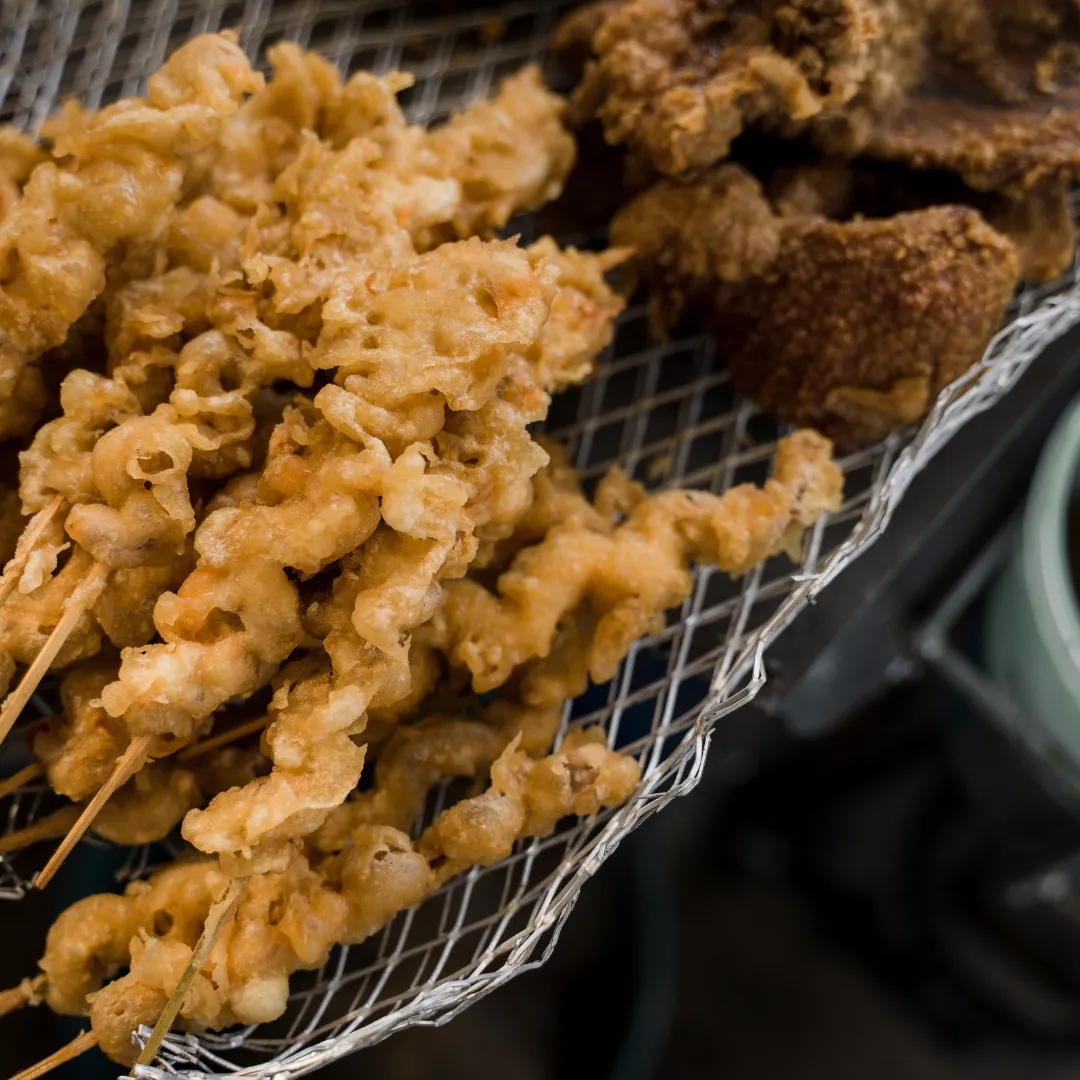
Isaw
Barbecued chicken or pork intestines, skewered and grilled to smoky perfection. A legendary favorite among students and late-night market goers.
Isaw (Skewered Grilled Intestines)
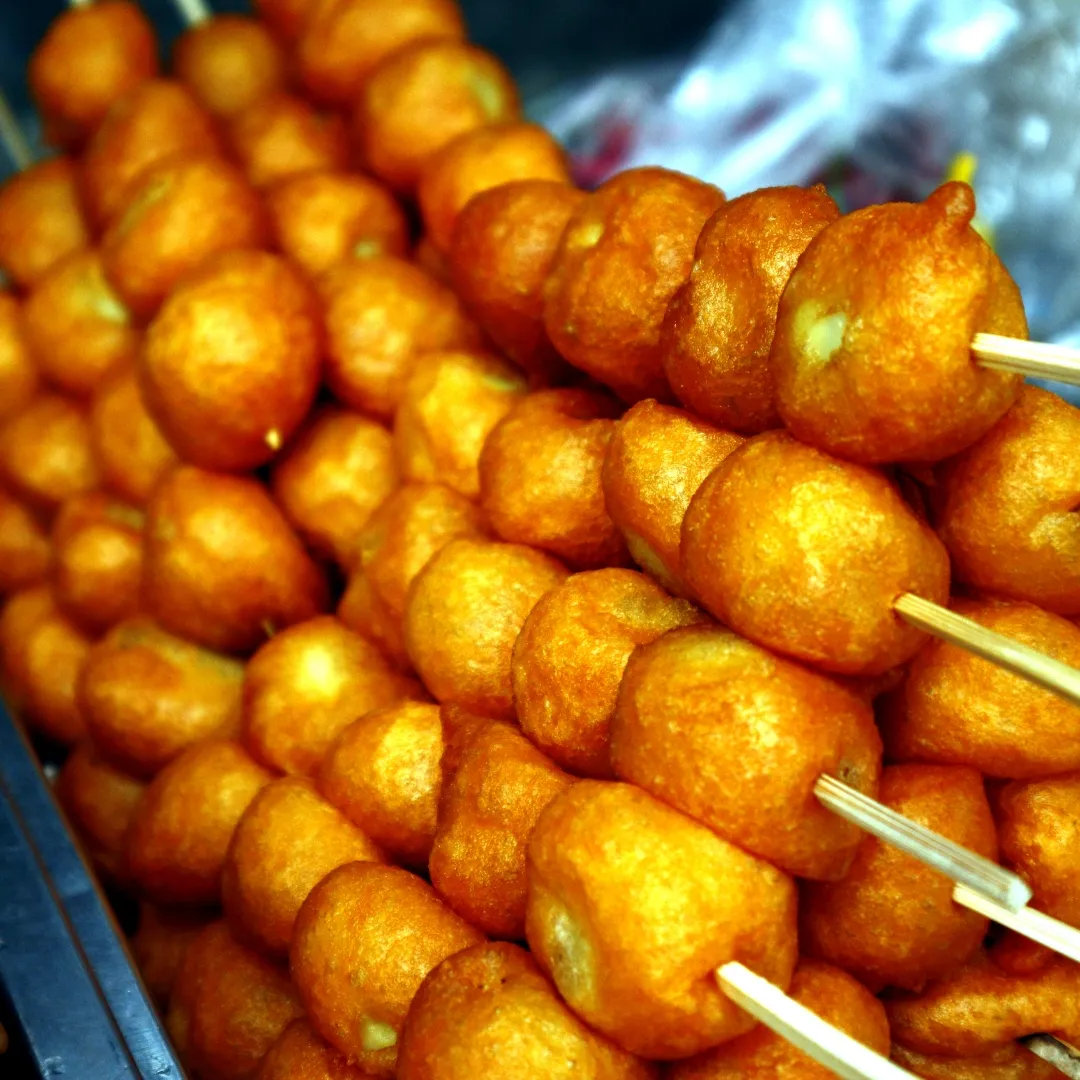
Kwek-Kwek
Quail eggs coated in a signature bright orange batter and deep-fried. Usually served in a cup with a sweet and sour dipping sauce.
Kwek-Kwek (Deep-Fried Battered Quail Eggs)
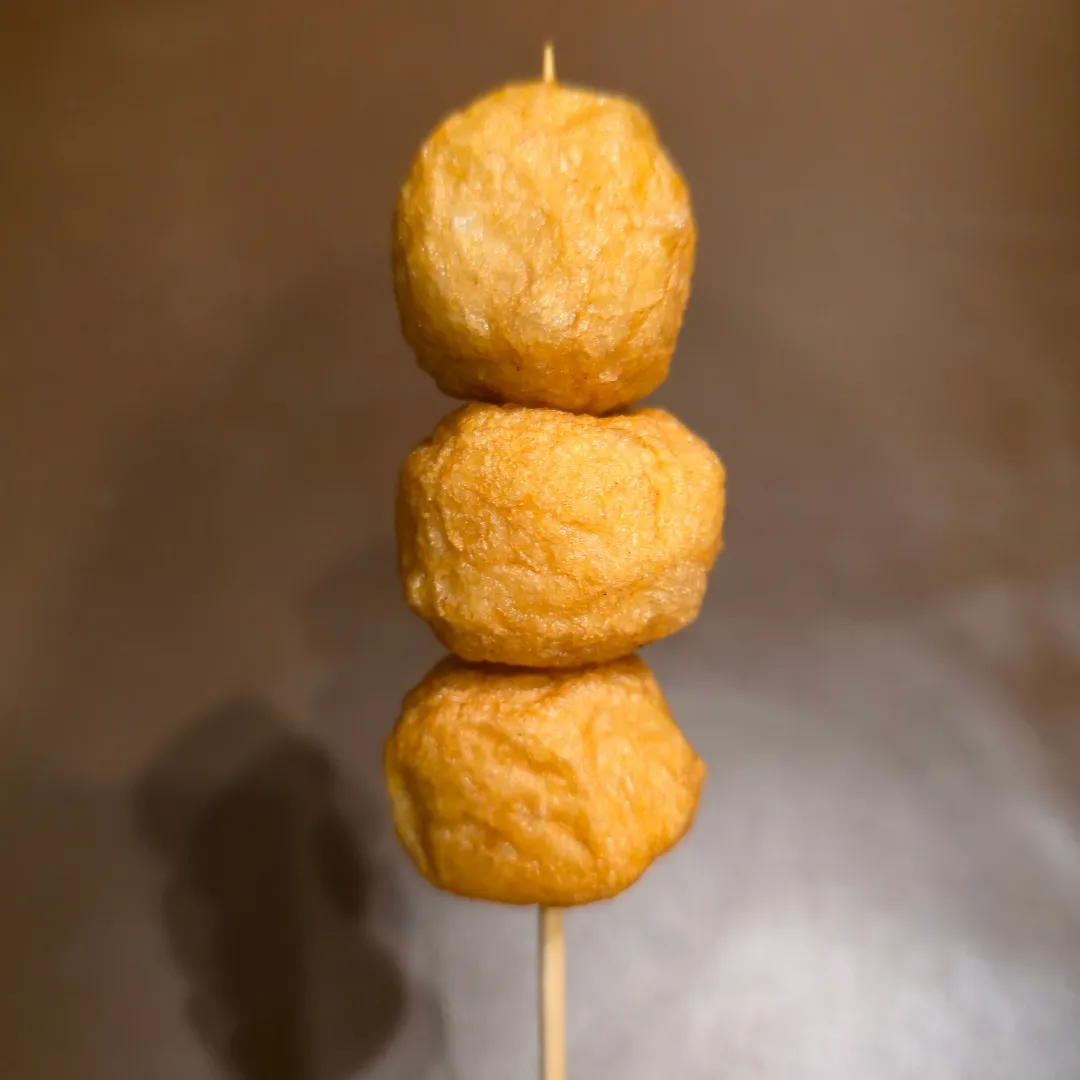
Fish Balls
Golden-brown, bite-sized balls made from minced fish. Best enjoyed when "poked" fresh from the oil and dipped in spicy vinegar sauce.
Fish Balls being deep-fried
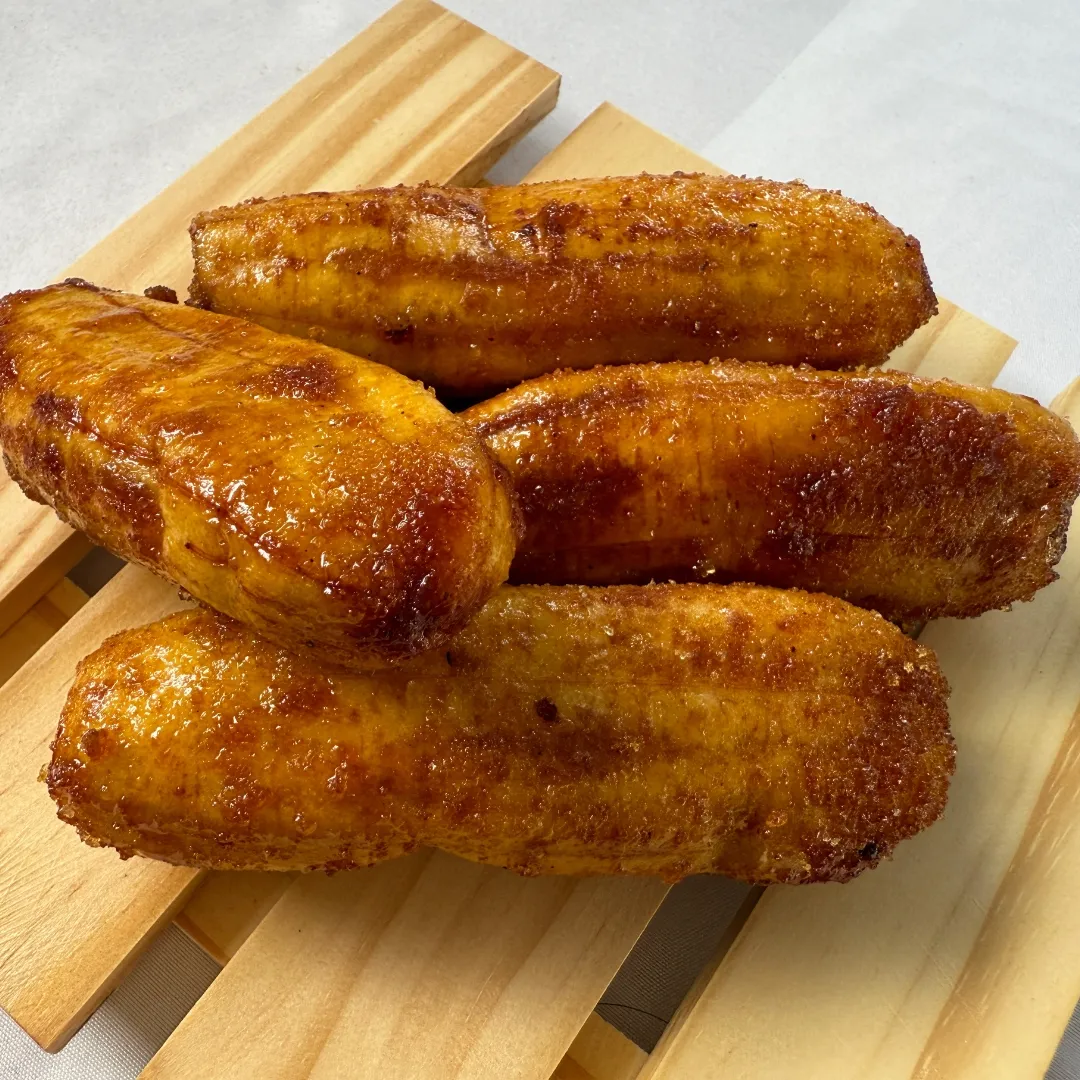
Banana Cue
Deep-fried ripe saba bananas coated in caramelized brown sugar. A sweet, crunchy, and hearty snack that defines Filipino afternoons.
Banana Cue (Caramelized Skewered Bananas)
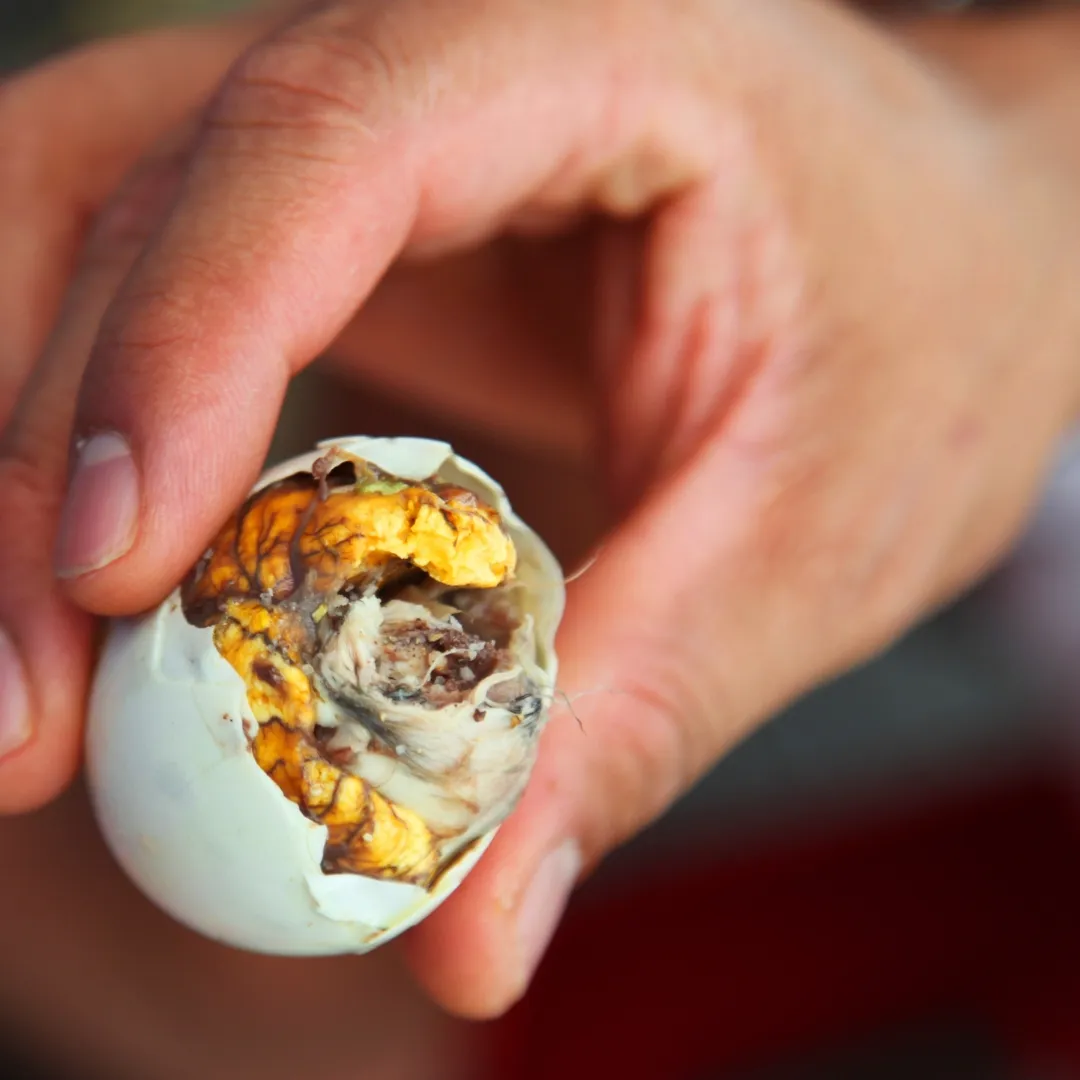
Balut
A fertilized duck egg boiled and eaten in the shell. A world-famous "challenge" food known for its rich savory broth and unique texture.
Balut in shells being sold

Swipe left or right to explore full menu details ↔️
🍭 Filipino Sweets & Desserts

From festive rice cakes to refreshing icy treats, explore the colorful world of Filipino panghimagas.

Icy Refreshment

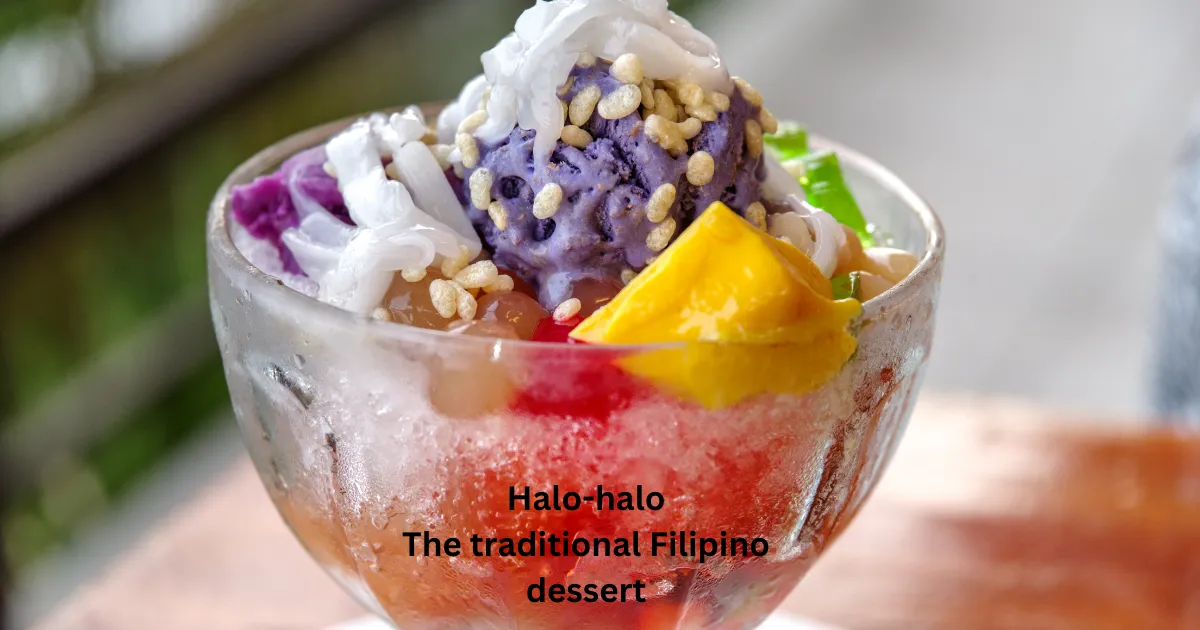
Halo-Halo

The ultimate "mix-mix" treat. A vibrant concoction of crushed ice, evaporated milk, beans, and fruits, topped with Ube ice cream and Leche Flan.

Custard Classic

Leche Flan

The Filipino take on crème caramel. Rich and silky, made with condensed milk and egg yolks, draped in a layer of golden liquid caramel.

Christmas Special

Bibingka

Baked rice cake traditionally cooked in clay pots lined with banana leaves. Often topped with salted egg and grated coconut for a sweet-savory balance.

Purple Yam Jam

Ube Halaya

A dense, creamy jam made from mashed purple yam and coconut milk. It is the foundation for many Filipino desserts and is prized for its natural violet hue.

Street Favorite

Turon

Crispy, deep-fried spring rolls filled with saba banana and jackfruit, coated in a crunchy caramel crust. The perfect grab-and-go snack.

Layered Treat

Sapin-Sapin

A visually striking, multi-layered rice cake. Each layer features a different flavor like jackfruit, ube, and coconut, topped with toasted coconut curds (latik).

Many of these desserts are collectively known as "Kakanin"β€”sweets derived from glutinous rice.

πŸŒ±πŸ‡΅πŸ‡­

Vegan & Vegetarian Filipino Dishes

Yes, Filipino cuisine offers many delicious plant-based options! While traditional cooking often features meat, the cuisine's foundation of vegetables, coconut milk, rice, and aromatic spices makes it easy to adapt.

Naturally vegan dishes include: Ginataang Gulay (vegetables in coconut milk), Pinakbet (vegetable stew), Lumpiang Sariwa (fresh spring rolls), and Tortang Talong (grilled eggplant β€” skip the egg).

Dishes easily made vegan: Adobo with tofu or mushrooms, and Sinigang with vegetables in tamarind broth.

Vegan-friendly desserts: Halo-halo (without ice cream), Bibingka, Puto, and Turon.

With a few simple swaps, you can enjoy the vibrant flavors of the Philippines completely plant-based! πŸ‡΅πŸ‡­πŸŒ±

Filipino Food Culture: Community & Celebration

Filipino food has a central place in Filipino culture. It brings people together and celebrates the country’s diverse heritage.

Festive occasions, family gatherings, and even everyday meals reflect the communal nature of Filipino society, a trait that resonates with the Spanish emphasis on food as a social binder.

The fusion of Spanish and Filipino food traditions has enriched the country’s food culture, making it a vibrant part of its identity.

In conclusion, Filipino food is more than just a feast for the senses; it is a vibrant tapestry that weaves together the country’s rich history, values, and traditions. Each dish tells a story, each flavor evokes a memory, and each shared meal brings families and communities closer together.

So, whether you’re savoring the comforting taste of adobo, enjoying the festive spirit of lechon, or gathering around a hot bowl of sinigang, remember that you are partaking in a culinary heritage that reflects the heart and soul of Filipino society.

So, let’s celebrate the delicious significance of Filipino cuisineβ€”dine, share, and bring the flavors of the Philippines into your home, one dish at a time!Β 

πŸ‡΅πŸ‡­πŸ›

Frequently Asked Questions About Filipino Food

Everything you need to know about Philippine cuisine β€” from adobo to halo-halo

πŸ‡΅πŸ‡­ What is the most popular Filipino dish?

+

πŸ‡ͺπŸ‡Έ How did Spanish colonization influence Filipino food?

+

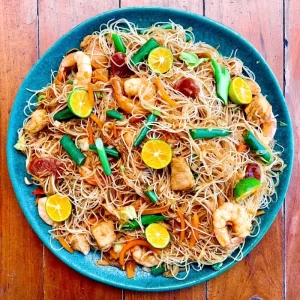
🍚 What is the difference between pancit, sinigang, and sisig?

+

🍨 What is halo-halo and what does it contain?

+

🍒 Is Filipino street food safe to eat?

+

🌱 Are there vegan or vegetarian Filipino dishes?

+

πŸŽ‰ What is the significance of lechon in Filipino celebrations?

+

πŸ₯₯ What are the key ingredients in traditional Filipino cooking?

+

πŸ‡΅πŸ‡­ Curious about the Spanish influence on Filipino cuisine?
From the introduction of sautΓ©ing (gisado) to the festive tradition of Lechon, the fusion of these two cultures created a unique culinary identity. Ask your questions below β€” I’d love to help you explore these heritage flavors!

Facebook Icon

Join Our Foodie Community

Discover traditional flavors & the latest cuisine trends.
Join Group